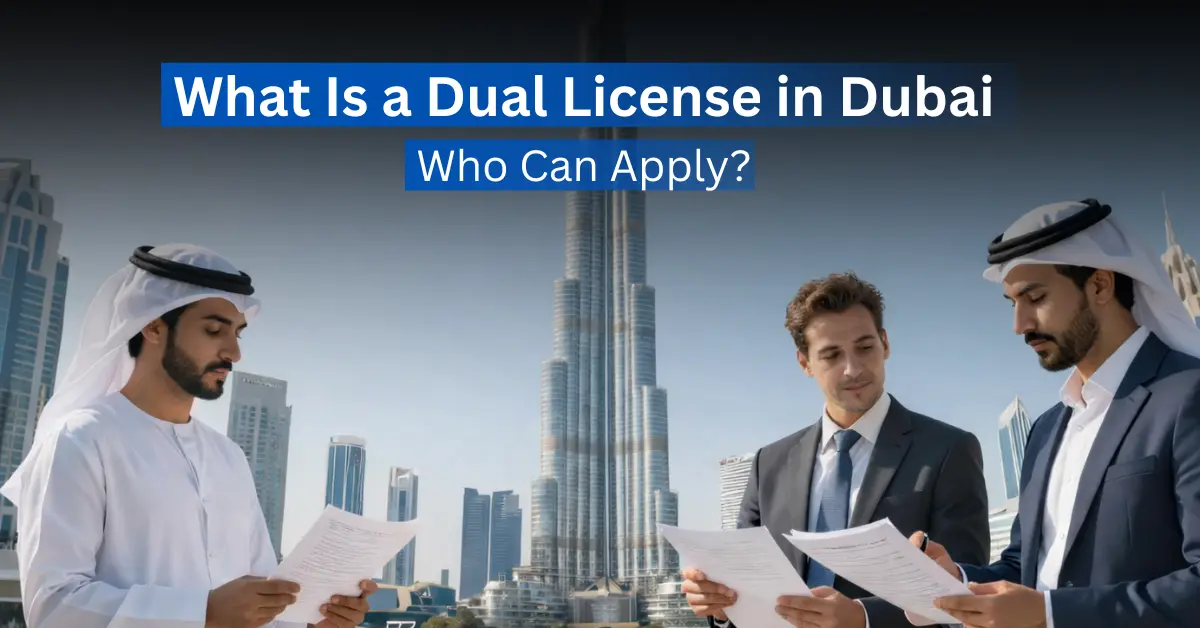
Thinking about setting up shop in Dubai? It’s a buzzing place for business, no doubt. But figuring out the right paperwork can feel like a maze. One option that’s getting a lot of attention is the Dual License in Dubai. It sounds a bit fancy, but it basically lets you work in both the free zones and the mainland. So, what exactly is this dual license, and is it the right move for your business?
Understanding the Dual License Concept in Dubai
What Exactly is a Dual License?
So, you’re thinking about setting up shop in Dubai and heard about this ‘dual license’ thing? It sounds a bit complicated, right? Basically, a dual license in Dubai lets your business operate in both the mainland and a free zone. Before this came along, if you had a free zone license, you were pretty much stuck within that zone or could only do business internationally. Now, you can actually trade and offer services on the Dubai mainland without needing a whole separate mainland license. It’s a pretty big deal for companies looking to expand their reach. This setup means your free zone company can extend its activities directly into the local Dubai market. It’s a way to bridge the gap between these two distinct business environments. This dual registration in Dubai offers a more integrated approach to business operations.
Key Benefits of Obtaining a Dual License
Why would you even bother getting a dual license? Well, there are some solid reasons. For starters, it opens up the entire UAE market to you. Instead of being limited to just your free zone or international sales, you can now tap into the local customer base. This means more opportunities for growth and sales. It also simplifies things a bit, as you’re managing one core business structure that has permissions in both areas. You get the benefits of free zone ownership rules, like 100% foreign ownership, and the ability to trade directly within the UAE. It’s a smart move if you’re serious about making a mark here. Plus, it can remove the need for a local service agent on the mainland, which is a nice perk. It’s really about maximizing your operational scope and market access. If you’re wondering why get a dual license in Dubai, this is a big part of it.
Here are some of the main advantages:
- Expanded Market Access: Operate freely on the mainland and within your chosen free zone.
- Simplified Operations: Manage your business activities under a more unified structure.
- Cost-Effectiveness: Potentially reduces costs compared to setting up entirely separate mainland and free zone entities.
- Increased Business Scope: Engage in a wider range of commercial, professional, or industrial activities across jurisdictions.
It’s important to remember that while the dual license streamlines operations, you’ll still need to adhere to the regulations of both the mainland and the free zone. This means understanding the specific rules for each area you plan to operate in. For instance, if you’re in media, you might need to look into specific UAE Media Law requirements, which can involve dual licensing for influencers as detailed here.
Getting a dual license is a strategic move for businesses aiming for a broader reach. It’s a key aspect of business setup in Dubai two licenses that many entrepreneurs are exploring.
Types of Dual Licenses Available
When you’re looking into a dual license in Dubai, it’s not just one-size-fits-all. The setup really depends on what your business does and which free zone you pick. Think of it as choosing the right tools for the job.
Mainland and Free Zone Combination
This is the most common setup. Basically, you get a license from a free zone, and then you also get a license to operate directly in the UAE mainland. This means you can do business inside the free zone’s boundaries and also sell your products or services to customers all over the UAE. It’s a way to get the best of both worlds – the benefits of a free zone, like full foreign ownership and tax advantages, combined with the ability to trade freely on the mainland.
- General Trade License: This is pretty broad. It lets you trade a lot of different things, both in the free zone and on the mainland. It’s flexible, but there might still be some specific rules for certain items.
- Professional License: If you’re a consultant, lawyer, doctor, or offer some kind of specialized service, this license is for you. It allows you to offer your professional services in both the free zone and the mainland market.
- E-commerce License: For businesses that are mostly online, this license is a good fit. You can sell your stuff through online platforms to customers anywhere in the UAE and even internationally.
The key idea here is that your main company is based in a free zone, but the dual license lets you extend your business operations into the mainland market without needing a separate mainland company or a local sponsor in the traditional sense.
Other Potential Combinations
Beyond the standard mainland and free zone combo, there are other ways dual licensing can work, often tailored to specific industries or free zones. Some free zones might have special agreements or license types that allow for this kind of dual operation.
- Industry-Specific Licenses: Some free zones focus on particular sectors, like media, technology, or healthcare. They might offer specialized dual licenses that give you access to the relevant mainland markets for that specific industry. For example, a tech company in a tech-focused free zone could get a dual license to also offer its services on the mainland.
- Branch Operations: In some cases, a company might already have a mainland presence and then decide to set up a branch in a free zone, or vice versa. The dual license structure can sometimes facilitate this, allowing both entities to operate under a unified framework, though the specifics can vary.
It’s important to remember that the exact types of dual licenses available and the specific free zones that offer them can change. Always check with the free zone authority and the Department of Economic Development (DED) to make sure you’re getting the right license for your business needs.
Who Can Apply for a Dual License in Dubai?

So, you’re thinking about getting a dual license in Dubai? That’s a smart move if you want to really spread your wings. But who actually qualifies for this kind of setup? It’s not exactly a free-for-all, but the good news is that a lot of different types of businesses can benefit.
Eligibility Criteria for Businesses
Generally, any business that’s already set up in a participating free zone can look into applying for a dual license. The main idea is to let your existing free zone company also trade directly in the UAE mainland. This means you don’t need a separate mainland company or a local sponsor to do business on the mainland. The key is that your business activities must be permitted in both the free zone and on the mainland.
Here’s a quick rundown of who typically fits:
- Existing Free Zone Companies: If you have a license from a free zone that supports dual licensing, you’re likely eligible. This is the most common scenario.
- Businesses Seeking Wider Market Access: If your goal is to serve customers both within a free zone and across the broader UAE market, a dual license is designed for you.
- Companies Wanting Operational Flexibility: Businesses that need to manage operations in a free zone but also want to sell products or services directly to mainland customers will find this beneficial.
- Startups and SMEs: New and small to medium-sized enterprises looking to establish a strong presence in Dubai without the complexities of multiple licenses can also apply.
Eligibility Criteria for Specific Industries
While the general criteria are broad, certain industries might have specific considerations when applying for a dual trade license in the UAE. Some free zones are more geared towards particular sectors, and their dual license offerings might reflect that.
- Trading and E-commerce: Companies involved in general trading or online sales often find dual licenses very accessible, allowing them to reach a wider customer base.
- Professional Services: Consultants, legal firms, and other service providers can obtain professional dual licenses to offer their expertise both within their free zone and on the mainland.
- Manufacturing and Industrial: Businesses in manufacturing can use a dual license to produce goods in a free zone and then distribute them across the mainland market.
- Media and Technology: Certain free zones focused on creative industries or technology might have specific pathways for dual licensing that align with their sector’s needs.
It’s always a good idea to check with the specific free zone authority you’re interested in, as they can provide the most accurate details on eligibility for your particular business activity. For instance, if you’re looking into setting up a business, services like Ripple Business Setup can help clarify these requirements.
The process for applying for a dual license is designed to be straightforward, building upon your existing free zone setup. It essentially extends the permissions of your current license to include mainland operations, simplifying your regulatory burden and expanding your operational scope within Dubai.

The Application Process for a Dual License
So, you’ve decided a dual license is the way to go for your business in Dubai. That’s great! It opens up a lot of doors. But how do you actually get one? It’s not as complicated as it might sound, but you do need to pay attention to the details. Think of it like following a recipe – miss a step, and things might not turn out quite right.
Required Documents and Steps
Getting your hands on a dual license involves a few key steps and some paperwork. First off, you need to make sure your business is already set up in a participating free zone. Not all free zones are part of these dual license programs, so that’s your first check. Once you’ve confirmed that, you’ll need to gather your existing free zone license, your Memorandum of Association (MOA), and passport copies for all shareholders. It’s also a good idea to have a clear list of the specific business activities you plan to conduct on the mainland.
Here’s a general rundown of what you can expect:
- Initial Application: You’ll submit an application to your chosen free zone authority. This application will state your intention to get a dual license and outline your business activities.
- Free Zone Approval: The free zone will review your request. They might need to issue a No Objection Certificate (NOC) if their policies require it for extending operations to the mainland.
- Mainland Authority Approval: Next, the application goes to the Department of Economy and Tourism (DET) for approval to set up your business on the mainland. This is where they check if your activities are permitted.
- Document Submission: You’ll likely need to provide documents like an Ejari certificate for your mainland office space. This is a key requirement for obtaining a dual license office permit.
- Fee Payment: Once everything is approved, there will be fees to pay for the new mainland license and any associated charges.
- License Issuance: Finally, you’ll receive your dual license, allowing you to operate legally in both the free zone and on the mainland.
Navigating the Regulatory Landscape
Dealing with two sets of regulations can feel a bit daunting, but it’s manageable. The main thing is to understand that you’ll need to comply with the rules of both your free zone and the Dubai mainland. This means keeping up with different licensing requirements, potential tax implications, and any specific operational rules that apply to your industry in each area. It’s wise to have a good grasp of these requirements before you even start the application process. Sometimes, specific business activities might have extra permits or approvals needed from other government bodies, depending on what you do. Staying informed about these details will save you a lot of headaches down the line.
It’s important to remember that while a dual license offers flexibility, not all business activities are permitted in every jurisdiction. Some activities might be restricted to either the free zone or the mainland, so verifying this early on is a smart move. Always check the specific regulations for your industry and chosen locations.
Getting a dual license might seem tricky, but we’ve made it simple! Our process is designed to be easy to follow, even if you’re new to this. We guide you step-by-step to make sure everything goes smoothly. Ready to start your journey? Visit our website today to learn more and begin your application!
Wrapping Up Your Dual License Journey
So, if you’re looking to really make your mark in Dubai and tap into both the free zone and the mainland markets, a dual license seems like a smart move. It’s not just about getting two licenses in one; it’s about opening up a whole lot more opportunities for your business without a ton of extra hassle. Remember to check which free zones actually offer this and what the specific rules are for your business type. It might take a bit of paperwork, but the payoff in terms of market reach and flexibility could be pretty significant for your company’s future here.
Why Choose Ripple Business Setup for a Dual License in Dubai?
Ripple Business Setup helps businesses secure a Dual License in Dubai without confusion or wasted time. Most people mess this up by choosing the wrong free zone or misunderstanding mainland limits. Ripple handles eligibility checks, authority coordination, approvals, and compliance, so you do not end up with a license you cannot actually use. Whether you are expanding from a free zone to the mainland or want operational flexibility from day one, Ripple focuses on what is legally allowed, not sales talk. For clear guidance and end-to-end support, contact Ripple Business Setup at +971 50 593 8101, email info@ripplellc.ae, or WhatsApp +971 4 250 0833.
Frequently Asked Questions
What is a dual license in Dubai?
Think of a dual license like a special pass that lets your business work in two different areas of Dubai with just one official paper. Before, if your business was in a special ‘free zone,’ you could only do business there or outside the country. Now, with a dual license, you can also do business directly in the main part of Dubai (called the mainland) without needing a whole new license.
Why would a business want a dual license?
It’s like getting superpowers for your business! A dual license lets you reach way more customers – both in the free zone and all over mainland Dubai. This means more chances to sell, more people to work with, and potentially more money. Plus, you can often do this without spending extra money on setting up a totally separate company for the mainland.
Can any business get a dual license?
Not every single business can get one, and not all special ‘free zones’ offer this. You need to make sure your business type is allowed, and you have to be set up in a free zone that actually offers this dual license option. Some zones are better for trading, others for services, so it’s important to check.
What are the main types of dual licenses?
There are a few main kinds. A ‘commercial’ dual license is good for businesses that buy and sell things. A ‘professional’ one is for businesses that offer services, like consultants or lawyers. And an ‘industrial’ one is for companies that make things, letting them produce in a free zone and sell on the mainland.
Do I need a physical office on the mainland for a dual license?
Usually, yes. To do business on the mainland with a dual license, you often need to have a real office space or a place to store your goods there. Just having a virtual address might not be enough. This is because the government wants to see that you’re actively working in the mainland area.
Is it complicated to get a dual license?
It can seem a bit tricky because there are rules for both the free zone and the mainland. You’ll need specific papers, and you have to follow the steps set by the free zone and the mainland authorities. It’s often helpful to get advice from experts who know all the ins and outs to make sure everything is done correctly and smoothly.
Disclaimer: This content is for general informational purposes only and does not constitute legal, tax, or regulatory advice. Licensing rules and eligibility may change based on UAE authority updates. Always consult a qualified business setup advisor before making decisions.