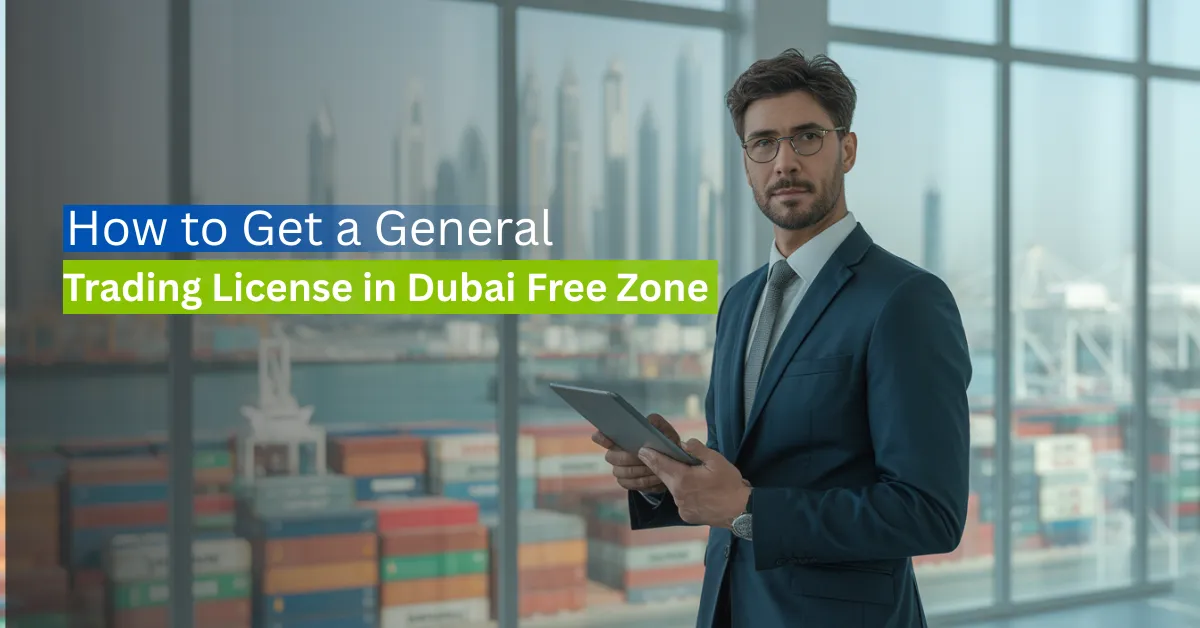
Thinking about starting a business in Dubai and want to trade a bit of everything? A general trading license in Dubai might be just what you need. It lets you import, export, and sell a whole bunch of different products without needing a separate license for each one. It sounds pretty good, right? Let’s break down how to get one, especially if you’re looking at setting up in one of Dubai’s free zones. It’s not as complicated as it might seem at first glance.
Understanding General Trading Licenses in Dubai Free Zones
What is a General Trading License?
A general trading license in Dubai is a permit that allows a business to import, export, and trade a wide variety of goods. Unlike a specific trading license, which restricts you to a single product category, this license opens doors to multiple product lines across different industries. Think of it as a versatile key for your business, letting you deal in everything from electronics and clothing to furniture and food items, all under one permit. However, it’s important to know that certain items, like cars, alcohol, or medical supplies, require special permits and aren’t covered by a standard general trading license. This type of license is particularly useful for businesses involved in wholesale, retail, e-commerce, or import-export activities, offering a streamlined way to manage diverse product portfolios. The process for obtaining one is generally straightforward, especially when you’re looking at setting up a company in dubai free zone.

Benefits of a Dubai Free Zone General Trading License
Setting up a general trading company in a Dubai free zone comes with some pretty good advantages. For starters, you get 100% foreign ownership, which means you own your business outright without needing a local partner. This is a big deal for many entrepreneurs looking for complete control. Plus, there’s no personal income tax in the UAE, and profits can be repatriated fully. Free zones also offer simplified import and export processes, often with customs duty exemptions, which can really help keep costs down. It’s a flexible way to trade both locally and internationally. Many free zones provide quick setup options, sometimes even within an hour, making the dubai free zone business setup process quite efficient. Here’s a quick rundown of what you can expect:
- Broad Product Scope: Trade a wide array of products under a single license.
- Market Access: Easily access both regional and international markets.
- Financial Advantages: Benefit from 0% corporate and personal income tax, and 100% profit repatriation.
- Operational Ease: Streamlined import/export procedures and often, exemption from customs duties.
Operating within a free zone means you can focus more on growing your business and less on administrative hurdles. It’s designed to make international trade smoother.
When considering your options, remember that different free zones might have slightly different packages and costs, but the core benefits of a general trading license remain consistent across the board for starting a trading business in uae free zones.
Choosing the Right Free Zone for Your Business
So, you’ve decided a general trading license in a Dubai free zone is the way to go. That’s a smart move, but now comes a big question: which free zone is the best fit for your business? Dubai has over 30 of them, each with its own vibe and focus. It’s not a one-size-fits-all situation, and picking the wrong one could mean extra hassle or missed opportunities.
Key Free Zones Offering General Trading Licenses
While many free zones allow for general trading, some are particularly well-known for it. You’ll find that places like the Jebel Ali Free Zone (JAFZA) are huge hubs for international trade and logistics. Then there’s the Dubai Airport Free Zone (DAFZA), great if you’re looking for proximity to air cargo. The International Free Zone Authority (IFZA) is also a popular choice, often highlighted for its straightforward setup process and competitive pricing, making it easier to get your general trading license.
It’s worth looking into others too, depending on your specific needs. Some free zones might focus more on media, technology, or even healthcare, but most have provisions for general trading activities.
Factors to Consider When Selecting a Free Zone
This is where you really need to do your homework. Don’t just pick the first one you hear about. Think about:
- Your Business Activity: Does the free zone specialize in or have strong support for your industry? While general trading is broad, some zones might have better networks or infrastructure for certain types of goods or services.
- Location and Infrastructure: How important is it for you to be near the airport, a major port, or specific transport links? Consider the quality of office spaces, warehouses, and general facilities offered. Some free zones provide ready-to-use offices, while others require you to build or lease space.
- Costs: This isn’t just about the license fee. Look at office rental costs, setup fees, visa processing charges, and any other recurring expenses. Some zones are more budget-friendly than others.
- Regulations and Support Services: Each free zone has its own rules. Check what kind of support they offer, like assistance with visas, banking, and legal matters. Some free zones are known for being more flexible or having faster processing times.
Picking the right free zone is like choosing the right neighborhood for your business. It impacts your daily operations, your costs, and your ability to connect with other businesses and customers. Take your time with this decision.
- Flexibility in Legal Structure: Free zones offer different legal forms, like Free Zone Establishments (FZE) or Free Zone Companies (FZC). Make sure the available options align with your business structure and goals.
- Visa Quotas: If you plan to bring employees into the UAE, check how many visas the free zone allows you and what the process involves.

The Application Process: Step-by-Step Guide
Getting your general trading license in a Dubai free zone might seem complicated, but it’s actually pretty straightforward if you break it down. Most free zones have streamlined the process to make it as easy as possible for new businesses. Here’s a general idea of what to expect.
Required Documents for Your Application
Before you even start filling out forms, gather your paperwork. The exact list can vary a bit between free zones, but generally, you’ll need:
- Passport copies: For all shareholders and any appointed managers. Make sure they’re clear and valid.
- Business Plan: Some free zones require a basic business plan to understand your company’s goals and activities.
- No Objection Certificate (NOC): If you’re already in the UAE on a visa, you might need a NOC from your current sponsor.
- Company Formation Documents: If you’re setting up a new company, you’ll need things like a Memorandum of Association (MoA) and Articles of Association (AoA). These often need to be notarized.
- Registry Identification Code (RIC) form: For the appointed manager.
It’s always a good idea to check the specific free zone’s website for their definitive document checklist. They usually have it readily available.
Navigating the Application Forms and Submissions
Once you have your documents ready, it’s time to apply. Many free zones now offer a fully digital application process. This means you can often submit everything online, saving you a trip to an office.
- Application Form: Fill out the official application form provided by the free zone authority. Be thorough and accurate with all details.
- Document Upload: Upload all the required documents through their online portal.
- Name Reservation: You’ll typically need to reserve your company name. Make sure it complies with UAE naming conventions.
- Initial Approval: The free zone authority will review your application and documents. This is where they give their initial go-ahead.
Some business activities might need extra approvals from specific UAE government departments. This is usually for regulated sectors, so it’s worth checking if your chosen activities fall into this category.
Timeline and Approval Process
The speed of approval can differ significantly depending on the free zone. Some are known for being incredibly fast, processing applications in as little as an hour after all documents are verified. Others might take a few business days.
Here’s a general breakdown:
- Submission: You submit your complete application.
- Review: The free zone authority checks your documents and application.
- Payment: Once approved, you’ll pay the license and registration fees. These fees vary based on the type of license and the free zone.
- Issuance: Finally, your trade license, MoA, and Share Certificate are issued, often electronically. This usually happens very quickly after payment.
After you get your license, you can then proceed with applying for visas for yourself and your employees, and opening a corporate bank account. Many free zones offer assistance with these next steps.
Post-License Acquisition: What’s Next?
So, you’ve got your general trading license in hand, congratulations! That’s a huge step. But what happens now? It’s not quite time to kick back just yet. The license is your ticket to operate legally, but there are a few more things to sort out to get your business fully up and running.
First off, you’ll want to sort out your business bank account. Having a dedicated corporate account is pretty important for keeping your finances organized and looking professional to partners and suppliers. Most free zones can point you in the right direction or even help with the application process. It’s usually a good idea to have your business plan and license details ready for this.
Next up is visas, if you or your employees need them. Depending on your free zone and the number of visas you require, this process can take a bit of time. The free zone authority will guide you on the specific requirements and procedures. It’s often linked to the office space you’ve secured.
Here’s a quick rundown of what typically follows:
- Office Space Setup: If you haven’t already, you’ll need to finalize your office space. This could range from a flexi-desk to a dedicated office, depending on your license and visa needs.
- Visa Applications: For yourself and any staff moving to Dubai.
- Bank Account Opening: Essential for all financial transactions.
- Business Operations: Start engaging with suppliers, customers, and partners.
- Compliance: Keep track of renewal dates for your license and any other regulatory requirements.
It’s important to remember that maintaining your license involves annual renewals. Missing these deadlines can lead to penalties or even the cancellation of your license, so mark your calendar!
Don’t forget about the practical side of things, like understanding any specific regulations related to the goods you plan to trade. While a general trading license is broad, certain items might still have specific import/export codes or require additional approvals. Checking with your free zone authority about these details is always a smart move. Getting your commercial license in Dubai is just the beginning of building your business presence.
Common Challenges and How to Overcome Them
Getting a general trading license in a Dubai free zone is generally straightforward, but like any administrative process, you might run into a few bumps. Don’t let that stop you, though. Most issues are pretty manageable if you know what to expect.
One common hurdle is document preparation. Sometimes, you might think you have everything, but a specific form is missing, or a signature isn’t quite right. This can slow things down. To avoid this, make a checklist and double-check every item against the requirements provided by the free zone authority. It’s also a good idea to have a professional service help you gather and submit everything, especially if you’re new to the process. They often have a good handle on what exactly is needed.
Another point to consider is the business activity selection. While a general trading license is broad, there are still specific categories. If your intended trade falls into a grey area or requires special permits, you could face delays. Always clarify your exact business activities with the free zone before you start the application. Some activities might require additional approvals from specific government bodies, which adds another layer to the process.
Here are some common issues and how to tackle them:
- Incorrect or incomplete documentation: Always verify the latest requirements from the free zone. Keep copies of everything submitted.
- Misunderstanding business activity scope: Clearly define your activities and confirm they fit within the general trading license parameters.
- Delays in approvals: Be patient, but also follow up politely if the stated timeline passes without an update.
- Office space requirements: Understand the specific office or flexi-desk options offered by the free zone and ensure they meet your needs and the license conditions.
The key to overcoming most challenges is thorough preparation and clear communication. Don’t hesitate to ask questions of the free zone authority or consult with business setup specialists. Being proactive can save you a lot of time and potential frustration.
Finally, remember that regulations can change. Staying informed about any updates from the free zone authority is important for maintaining compliance long after you’ve received your license. For instance, understanding the nuances of company registration in Dubai can prevent future complications.
Starting a business can feel like climbing a mountain, with many tricky parts along the way. But don’t let these hurdles stop you! We’ve seen it all and know how to help you get past common problems. Ready to make your business dreams a reality? Visit our website today to learn how we can guide you through every step.

Why Choose Ripple Business Setup for Your General Trading License
Ripple Business Setup handles the full process of getting a General Trading License in a Dubai Free Zone, without the confusion and wasted time. We help you pick the right free zone based on what you actually plan to trade, not what looks cheap on paper. From license application to approvals and basic compliance guidance, they keep it practical and direct so you can start trading faster and avoid rookie mistakes that cost money later.
Contact Ripple Business Setup
If you want clear answers and a straight path to your General Trading License, contact Ripple Business Setup at +971 50 593 8101, email info@ripplellc.ae, or WhatsApp +971 4 250 0833. One conversation will tell you if this setup makes sense for you or not.
Wrapping Up Your Dubai Free Zone Trading Journey
So, getting a general trading license in a Dubai free zone is definitely doable. It opens up a lot of doors for trading different kinds of products without a lot of hassle. Remember to pick the right free zone for your business needs and make sure you have all your documents in order. It might seem like a lot at first, but with the right approach, you’ll be set up and ready to trade before you know it. Dubai’s free zones are set up to make this process as smooth as possible, so take advantage of that and get your business moving.
Frequently Asked Questions
What exactly is a general trading license in Dubai?
Think of it like a master key for selling stuff. A general trading license lets you buy, sell, import, and export a wide variety of products. You don’t need a separate permission for each type of item, which makes things much simpler.
Why is getting this license in a Dubai Free Zone a good idea?
Free zones are special areas in Dubai designed to make business easier, especially for people from other countries. You get 100% ownership of your company, you don’t pay personal income tax, and you can bring all your profits back home. Plus, the setup process is usually quicker.
What kind of products can I trade with this license?
You can trade a lot of different things, like clothes, electronics, furniture, and toys. However, there are a few items that need special permission, such as cars, alcohol, or medical supplies. You can’t trade those without extra steps.
How long does it usually take to get the license?
The time can vary, but some free zones offer a super-fast process. If you have all your documents ready, you might get your license in as little as an hour in some cases. Others might take a few days or weeks.
Do I need to have an office space in the free zone to get this license?
Not always! Many free zones offer options like a ‘flexi-desk,’ which is a shared workspace. This is a more affordable way to start. You can always get a bigger office later if your business grows.
Can I sell products in mainland Dubai if I have a free zone license?
Yes, you can, but there’s a specific way to do it. You’ll typically need to work with a local distributor who has a mainland license. They’ll handle the delivery and other details for sales happening in mainland Dubai.
Disclaimer: This article is for general information only. Business setup rules, costs, and approvals can change based on free zone authority and business activity. Always confirm current requirements with a licensed business setup consultant before applying.