

Thinking about buying property in Dubai and getting a visa out of it? It’s actually a pretty common thing now. Dubai has this whole setup where if you invest a certain amount in real estate, you can get a residency visa. It’s called the Dubai Property Visa, and it’s designed to get more investors into the country. This guide will break down what you need to know, from who can get one to what it costs and why you might want it.
What is a Dubai Property Visa?
A Dubai property visa, often called an investor visa, is essentially a residency permit that allows foreign nationals to live in the United Arab Emirates based on their investment in Dubai real estate. It’s a way for the UAE government to encourage foreign investment and bring more people into the country to live and potentially work or start businesses. This visa pathway is designed for individuals who want to own property in Dubai and, in return, gain the right to reside there.
Think of it as a reward for putting your money into the local property market. It’s not just about buying a place to stay; it’s about securing a longer-term connection to Dubai. The specific type of visa you can get, and how long it lasts, usually depends on how much you invest. For instance, a lower investment might get you a shorter-term visa, while a larger investment could qualify you for a longer period, like the popular 5-year Golden Visa.
This program has been around for a while, evolving to make it easier for people to invest and get residency. It’s a key part of Dubai’s strategy to attract global talent and capital. The core idea is simple: invest in Dubai real estate, and you can get a visa to live here. It’s a pretty straightforward concept, really.
Types of Dubai Property Visas
Dubai offers a couple of distinct pathways for individuals looking to secure residency through real estate investment. These visas are designed to attract foreign capital and provide long-term stability for property owners. The primary distinction lies in the duration of residency granted and the associated investment thresholds. Understanding these options is key to choosing the right path for your investment goals.
3-Year Property Investor Visa
This visa is a popular choice for many investors looking to establish a presence in Dubai. It requires a minimum investment in Dubai real estate. The property value must be at least AED 750,000. You can meet this requirement by owning one or multiple properties. If the property is financed through a mortgage, at least 50% of its value must have been paid off. This visa allows you to live in the UAE and sponsor your immediate family members. It’s a solid option for those exploring Dubai real estate investment opportunities.
5-Year Golden Visa for Property Owners
For those seeking a longer-term commitment and greater stability, the 5-year Golden Visa is an attractive option. This visa requires a more substantial investment, with a minimum property value of AED 2 million. Similar to the 3-year visa, if the property is mortgaged, a minimum of 50% of the value must be paid. The Golden Visa offers extended residency benefits and is ideal for individuals looking for a more permanent connection to the UAE. It signifies a significant commitment to the country and opens up various opportunities within the Dubai real estate market. This visa is part of the broader UAE investor visa options designed to encourage foreign investment.
Both visa types offer the advantage of tax-free living and the ability to conduct business within the UAE, making them appealing for both personal and financial reasons. The specific requirements and application processes are detailed further in the subsequent sections.
Dubai Property Visa Eligibility Criteria
So, who can actually get one of these property visas in Dubai? It’s not just about having the cash; there are a few specific things you need to tick off. The main point is that you need to have invested in property here in the UAE. This is the foundation for any property-related visa.
Generally, you need to be at least 18 years old to apply. Beyond that, the specific requirements often tie into the type of visa you’re aiming for, like the 3-year or the 5-year Golden Visa. For instance, to even be considered for the UAE Golden Visa through real estate, the investment amount is significantly higher than for the shorter-term visas.
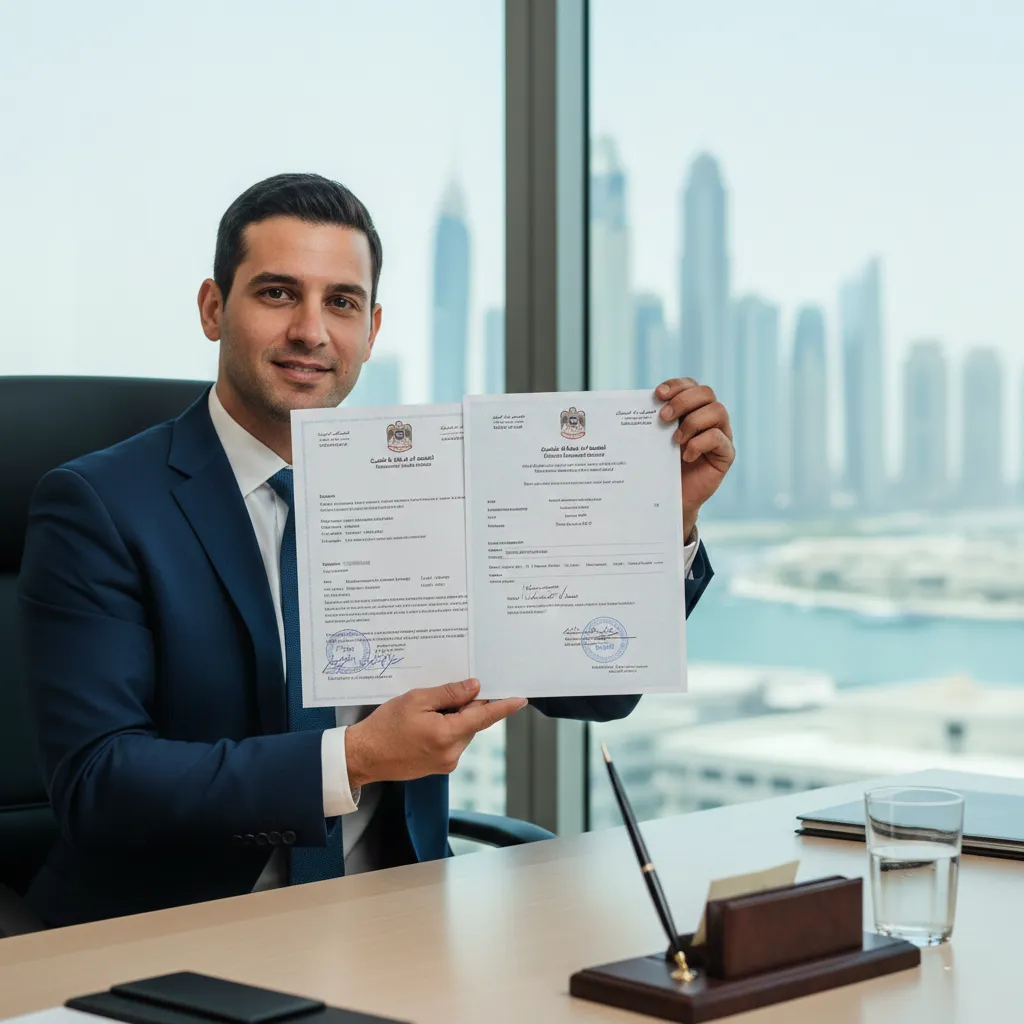
Here’s a breakdown of what’s usually expected:
- Property Value: Your property needs to meet a minimum value. For the standard investor visa, this is typically AED 750,000. For the longer-term Golden Visa, this jumps to AED 2 million.
- Ownership: You must have a clear title deed for the property. If the property is jointly owned, like between spouses, the ownership shares need to be clear and often equal, or the person with the larger share can be the primary applicant.
- Financing: Whether you pay cash or use a mortgage, you can still qualify. However, if you have a mortgage, a certain percentage of the property value must be paid off – usually at least 50% for the longer visas.
- Property Type: The property needs to be a residential one, and it must be located in approved areas within Dubai. Off-plan properties might have different rules or might not be eligible for all visa types.
It’s important to remember that visa approval ultimately rests with the UAE immigration authorities. While meeting these property requirements is key, other factors can influence the decision. Always check the latest guidelines before you start your application.
Understanding these requirements for owning property in Dubai is the first step. It helps you figure out which visa path is best for you and what you need to prepare. The requirements for property visa UAE are designed to attract genuine investors who plan to contribute to the local economy. You can find more details on the official government portals or through accredited real estate agencies that help with the visa approval process.
Minimum Investment Requirements

When applying for a Dubai property visa, the government has set clear minimum investment amounts tied directly to your eligibility. The rules differ based on the type and duration of visa you’re after, so it’s important to check the details before you get started.
For most investor property visas, the property value is the main qualifier. Here’s a table to break down the current minimums:
| Visa Type | Minimum Property Value (AED) |
|---|---|
| 3-Year/2-Year Property Investor Visa | 750,000 |
| 5-Year Golden Visa for Property Owners | 2,000,000 |
Some extra points to remember:
- If the property is mortgaged, you must have already repaid at least 50% of its value or a minimum of AED 750,000 to the bank. The bank will also need to provide a letter stating they have no objection to your visa application.
- Multiple properties can be combined to meet the total required value, as long as all are in Dubai and you hold the proper title deeds.
- If you co-own property with your spouse, your combined share must hit the minimum. But if shares aren’t equal, only the bigger shareholder can apply as primary.
In short, you need to prove you’ve invested enough in Dubai real estate—either fully owned or partly mortgaged with enough repaid. These thresholds are strictly enforced, so make sure your paperwork and payment history clearly line up with the stated requirements before starting your visa application.
Property Requirements and Approved Areas
To qualify for a Dubai Property Visa, the property you own must meet specific criteria set by the authorities. The property must be valued at a minimum of AED 750,000. This value is typically verified through the official title deed, also known as the Form B.
It’s important to note that the property must be located within approved areas in Dubai. While the list of approved areas can evolve, generally, freehold areas are eligible. These are districts where foreign nationals can own property outright. Some popular freehold areas include Dubai Marina, Downtown Dubai, Palm Jumeirah, and Jumeirah Village Circle, among others. Properties in non-freehold areas or those designated for specific purposes might not qualify.
If your property is subject to a mortgage, you’ll need to have paid at least 50% of its value to the bank, which equates to AED 375,000. You will also need to provide a No Objection Certificate (NOC) from the bank or developer, confirming the mortgage status and allowing for the residence visa to be processed against the property. A mortgage statement detailing the paid and remaining amounts is also required.
For joint ownership, such as between spouses, the total property value must still meet the AED 750,000 threshold. If the property is jointly owned, the name of the applicant must appear on the title deed. In cases where a property is jointly owned by multiple individuals who are not spouses, the applicant must demonstrate ownership of at least AED 750,000 worth of the property.
The property must be fully completed and ready for occupancy. Off-plan properties or those still under construction generally do not qualify for the property visa, though specific exceptions might apply under certain developer schemes or Golden Visa categories.
Key requirements include:
- A clear title deed (Form B) showing the property value.
- The property must be located in an approved freehold area within Dubai.
- If mortgaged, a minimum of 50% payment and a bank/developer NOC are necessary.
- The applicant’s name must be on the title deed.
- The property must be a residential unit.
Step-by-Step Application Process
Getting your Dubai property visa involves a few key stages. It might seem a bit daunting at first, but breaking it down makes it much more manageable. The entire process is designed to be thorough yet efficient.
Required Documents
To start your application, you’ll need to gather a specific set of documents. Having these ready beforehand will speed things up considerably. You’ll typically need:
- A valid passport with at least six months of validity remaining.
- Proof of property ownership, usually in the form of a Title Deed or an e-Certificate of Title.
- Recent passport-sized personal photographs that meet UAE visa standards.
- A valid health insurance policy for the duration of your visa.
- A UAE ID, if you already have one.
- A copy of your current residence or entry visa, if applicable.
- A certificate of good conduct issued by Dubai Police, addressed to the Dubai Land Department (DLD).
Sometimes, depending on your specific situation, additional documents might be requested. For instance, if you’re applying as a couple, a certified copy of your marriage contract will be necessary. It’s always a good idea to check the latest requirements with the relevant authorities.
It’s important to note that all documents must be officially attested and translated into Arabic if they are not already in English or Arabic. Ensure you have certified copies of everything.
Application Timeline & Fees
Once you have all your documents in order, the application process itself usually takes about 7 to 10 business days to complete. This timeframe can vary slightly depending on the volume of applications being processed and any specific requirements for your case. You can submit your application online or through designated service centers. The fees for the investor visa can vary, but for a 2-year investor visa, you can expect costs around AED 10,212.50. There are also additional fees for family members if you plan to sponsor them. For example, adding a wife or a daughter over 18 might incur fees of around AED 7,382.25 and AED 7,182.25, respectively. Opening a sponsorship file also has a small fee, typically AED 318.75. It’s wise to budget a little extra for unforeseen costs. You can find more details on official visa application procedures.
Benefits of Holding a Dubai Property Visa
So, you’re thinking about how to get residency by buying property in Dubai? It’s a pretty smart move, honestly. Owning property here opens up a bunch of doors that you just don’t get otherwise. For starters, you get to legally live in the UAE, which is a huge plus if you plan on spending significant time here for work or just enjoying the lifestyle. This isn’t just for you, either; you can sponsor your immediate family members, like your spouse and children, to live with you. That makes it a lot easier to set up a life here without worrying about separate visa applications for everyone.
Beyond just residency, there are some solid financial perks. Dubai doesn’t have personal income tax or property tax, which means more of your investment and earnings stay with you. Plus, the property market itself can be quite rewarding. You can potentially earn good rental income, and property values have historically shown strong growth. It’s a way to invest in Dubai property for residency and potentially see a good return on your money too.
Here’s a quick rundown of what you gain:
- Legal Residency: Live in the UAE long-term and sponsor dependents.
- Tax Advantages: Benefit from a tax-free environment on income and property.
- Investment Growth: Potential for rental income and capital appreciation.
- Business Opportunities: Easier access to setting up or expanding businesses within the UAE.
- Travel Freedom: Enjoy smoother travel within GCC countries.
It’s a pathway that really connects your investment directly to your ability to live and work in a thriving economy. The UAE Golden Visa property investment route, especially, offers a longer-term commitment and stability, which is attractive for many. It really simplifies the process of making Dubai your home base, whether you’re looking to buy property in Dubai to get residency for yourself or for your family.
The process of obtaining residency through property investment is designed to be straightforward, encouraging foreign nationals to contribute to the UAE’s real estate sector. It’s a clear win-win situation for both the investor and the country.
When you consider the whole package the lifestyle, the economic stability, and the practical benefits of residency, buying property in Dubai to secure a visa makes a lot of sense. It’s more than just a property transaction; it’s an investment in a future here. You can find more details on specific visa types and requirements on official government portals or through accredited real estate agencies that help with property investment in Dubai.
Frequently Asked Questions
Got some lingering questions about the Dubai Property Visa? Let’s clear things up.
What’s the minimum property value needed to qualify for a property visa?
Generally, you’ll need to invest at least AED 750,000 in real estate. If you’re taking out a mortgage, you’ll need to have paid off 50% of the property’s value, or AED 750,000, whichever is less, and get a no-objection letter from the bank. Spouses can also co-own a property valued at AED 750,000 or more, but you’ll need to provide a marriage certificate.
Can I include my family on my property visa?
Yes, you can sponsor your spouse and children. For daughters over 18, proof of their marital status is required. For sons over 18, the visa is typically for one year. You’ll need a notarized letter of no objection from the father if the mother is sponsoring, and all family members will need health insurance.
What documents are typically required?
Here’s a general list, though specifics can vary:
- Your passport
- The property’s title deed (or e-certificate)
- Recent personal photos
- Valid health insurance
- Your UAE ID (if you have one)
- A copy of your current residence visa or entry permit (if applicable)
- A certificate of good conduct from Dubai Police
How long does the application process take?
Once all your documents are submitted and approved, you can expect the visa to be issued within 7 to 10 business days. This doesn’t include the time it takes to gather all the necessary paperwork and complete any required medical examinations.
What are the costs involved?
Fees can add up. For a 2-year investor visa, expect to pay around AED 10,212.50. There are also fees for adding family members, which differ based on their relationship and age. For example, a wife might pay around AED 7,382.25 for a 2-year permit, while a daughter over 18 could pay about AED 7,182.25. Opening a sponsorship file also has a fee of approximately AED 318.75.
It’s important to remember that these figures are estimates and can change. Always check with the official authorities or a trusted visa processing agent for the most current fee structure.
Can I apply for this visa if my property is mortgaged?
Yes, but with conditions. You need to have paid at least 50% of the property’s value to the bank, or AED 750,000, and provide a no-objection certificate from the bank. You’ll also need a statement from your mortgage account.
What are the approved areas for property investment?
While the visa is tied to property ownership, the specific areas are generally those designated for foreign ownership by the Dubai Land Department. It’s best to confirm with a real estate professional or the DLD directly which areas qualify for this type of investment.
Got questions about setting up your business? We’ve got answers! Visit our website to learn more about how we can help you get started. We make company incorporation simple and easy.
How Ripple Business Setup Helps With Dubai Property Visa
Ripple Business Setup helps investors secure a Dubai Property Visa without confusion or delays. Our team checks your property value, ownership status, and eligibility before you apply, so you do not waste time or money. We handle document preparation, visa filing, Emirates ID coordination, and follow-ups with UAE authorities. If you want clear guidance and zero guesswork, contact Ripple Business Setup at +971 50 593 8101, email info@ripplellc.ae, or WhatsApp +971 4 250 0833.
Wrapping Up Your Dubai Property Investment Journey
So, looking at everything, getting a property visa in Dubai really opens up a lot of doors. It’s not just about buying a place; it’s about getting a chance to live in a city that’s always moving forward, with some pretty sweet tax advantages and a good lifestyle. Whether you’re thinking about the 2-year, 5-year, or even the 10-year Golden Visa, there are clear steps to follow and rules to meet. It might seem a bit much at first, with all the paperwork and investment amounts, but when you weigh it against the benefits like long-term residency and the chance to build a life or business there, it starts to make a lot of sense. Just make sure you do your homework and maybe get some help to make sure everything goes smoothly.
Frequently Asked Questions
What exactly is a Dubai Property Visa?
Think of a Dubai Property Visa as a special permission slip that lets you live in Dubai for a longer time because you’ve bought property there. It’s a way for the government to welcome people who invest in their real estate market.
How much money do I need to spend on a property to get this visa?
To get the most common type of property visa, you generally need to invest at least AED 750,000 in a property. For longer-term options like the Golden Visa, the amount is higher, usually AED 2 million.
Can I get this visa if I have a mortgage on the property?
Yes, you can! If your property has a mortgage, you’ll need to have paid off at least half of its value. You’ll also need a letter from the bank saying it’s okay for you to get a visa for that property.
What are the main benefits of having a Dubai Property Visa?
Having this visa means you can legally live in Dubai for an extended period. You can also bring your family members to live with you, and you won’t have to pay income tax on your earnings there. Plus, it makes it easier to travel and do business in the UAE.
How long does it take to get the visa after I apply?
The process usually takes about 7 to 10 business days once all your documents are submitted and approved. It involves a few steps like a medical check-up and getting your Emirates ID.
Do I need to be a resident of Dubai to apply for this visa?
No, you don’t have to be a resident already. This visa is specifically for foreign nationals who are looking to invest in Dubai’s real estate and gain residency rights through that investment.
Disclaimer: This article is for general information only. Property visa rules, investment limits, and fees may change based on UAE government regulations. Always confirm the latest requirements with official authorities or a licensed business consultant before applying.