
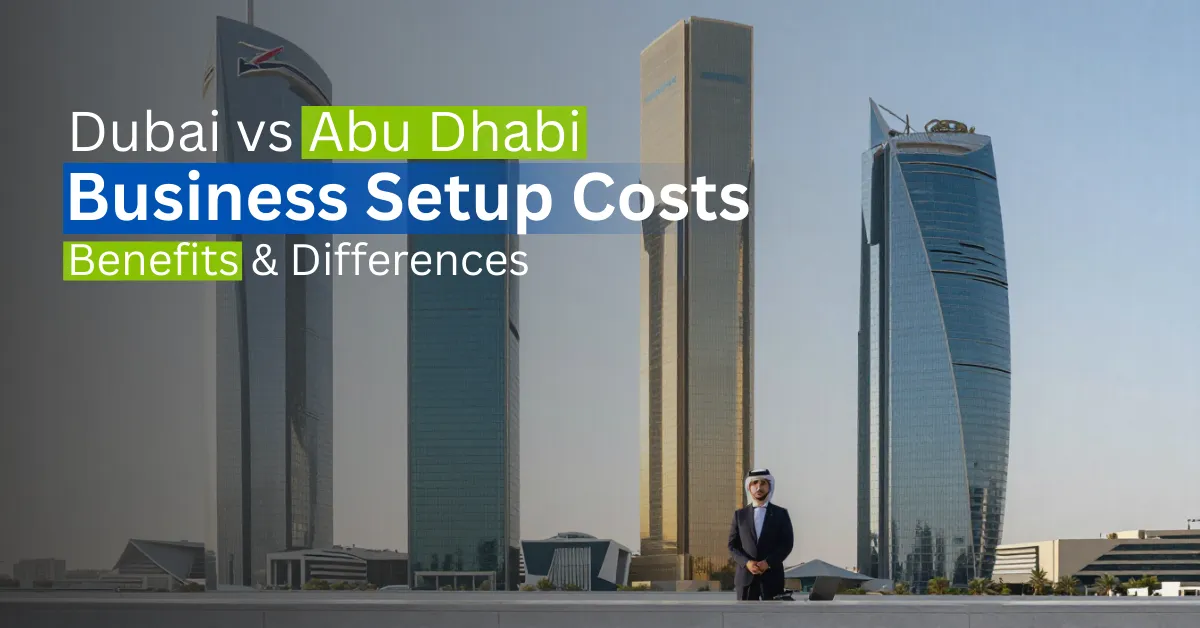
So, you’re thinking about starting a business and trying to figure out if Dubai or Abu Dhabi is the better spot? It’s a common question, and honestly, both cities have a lot going for them. They’re like two sides of the same coin, each with its own vibe and advantages. Dubai often gets the spotlight for its flashy developments and busy international scene, while Abu Dhabi feels a bit more grounded, focusing on long-term growth and stability. We’re going to break down what makes each place tick so you can get a clearer picture.
Dubai vs. Abu Dhabi for Business
Deciding where to set up your business in the UAE is a big step, and the two main players, Dubai and Abu Dhabi, both have a lot to offer. It’s not really a simple ‘this one is better’ situation; it’s more about finding the right fit for what you want to do. The choice between Dubai or Abu Dhabi for entrepreneurship really hinges on your specific business goals and operational needs.
Dubai has long been the go-to for many, known for its fast-paced, international vibe. It’s a global hub, attracting people and businesses from all over. Think of it as a place where international trade and tourism are king, with amazing transport links like its busy airport and Jebel Ali Port. This makes it a prime spot if you’re looking to connect with markets worldwide. Setting up an all-in-one company in Dubai involves several key steps, and understanding these early on is important.
Abu Dhabi, the nation’s capital, offers a different kind of appeal. While it’s also diversifying, it has a reputation for stability and a more focused approach, especially in sectors like energy and finance. It’s often seen as a place for steady, long-term growth, with strong government backing for certain industries. The cost of starting a business in UAE can vary significantly between the two, and Abu Dhabi might offer a more budget-friendly entry point in some aspects.
When comparing business environments UAE, you’ll notice distinct differences:
- Dubai: Known for its dynamic markets, extensive free zones catering to diverse industries, and a large expatriate population. It’s great for businesses focused on rapid growth and global reach.
- Abu Dhabi: Offers a more stable environment, with a strong focus on government initiatives and sectors like renewable energy and technology. It’s ideal for businesses prioritizing long-term stability and strategic partnerships.
Both cities have excellent infrastructure and are working hard to attract investment. However, the cost of starting a company in Dubai vs Abu Dhabi can differ, especially when it comes to office space and general living expenses. Understanding these nuances is key to making an informed decision about the advantages of Dubai for business or the benefits of Abu Dhabi.
Key Differences: Dubai vs. Abu Dhabi
When you’re looking at setting up shop in the UAE, Dubai and Abu Dhabi definitely stand out, but they’re not quite the same. Think of them as two different flavors of awesome, each with its own vibe and focus.
Economic Landscape and Diversification
Dubai has really pushed hard to diversify its economy. It used to be more about trade and oil, but now it’s a massive hub for tourism, real estate, finance, and tech. It’s a place that attracts a lot of international attention and visitors, making it a global hotspot. They’ve got over 30 specialized free zones, each designed for specific industries, which really helps businesses connect and grow within their sector. It’s a fast-paced environment, and honestly, it feels like there’s always something new happening.
Abu Dhabi, on the other hand, is the capital and has a more strategic focus. While it also aims for diversification, its economy is still more closely tied to energy, aerospace, and finance. They’re really pushing forward with their Vision 2030 plan, which involves big investments in areas like renewable energy and advanced technology. It feels a bit more stable and government-backed, which can be a good thing if you’re looking for that kind of support or aiming for government contracts. They’re also investing heavily in sustainability, which is pretty cool.
Target Markets and Industries
Dubai’s massive population and its status as a global tourism destination mean it’s great for businesses targeting a wide, international audience. If you’re in retail, hospitality, media, or tech, Dubai’s got a huge market. It’s known for being business-friendly, and you can find a lot of information on selecting the appropriate UAE business structure to help you get started.
Abu Dhabi tends to focus on specific, strategic industries. Think energy, aviation, finance, and even cultural tourism. It’s a good place if your business aligns with these sectors or if you’re looking to tap into a market with a high per capita income and a strong focus on development projects. It might be a bit more niche, but for the right business, it’s a solid choice.
Lifestyle and Expatriate Appeal
When it comes to lifestyle, Dubai often gets the spotlight. It’s famous for its luxury shopping, entertainment, and a very cosmopolitan feel. There’s always something going on, from major sporting events to world-class dining. For expatriates, it offers a very international environment with a vast array of amenities and a generally higher cost of living. It’s a city that really caters to a global crowd.
Abu Dhabi offers a more relaxed pace of life compared to Dubai. It’s known for its cultural attractions, beautiful parks, and a strong sense of community. While it might not have the same sheer volume of entertainment options as Dubai, it provides a high quality of life with a lower cost of living, which can be a significant draw for individuals and families. It’s a place where you can find a good work-life balance.
Business Setup Costs: A Comparative Analysis
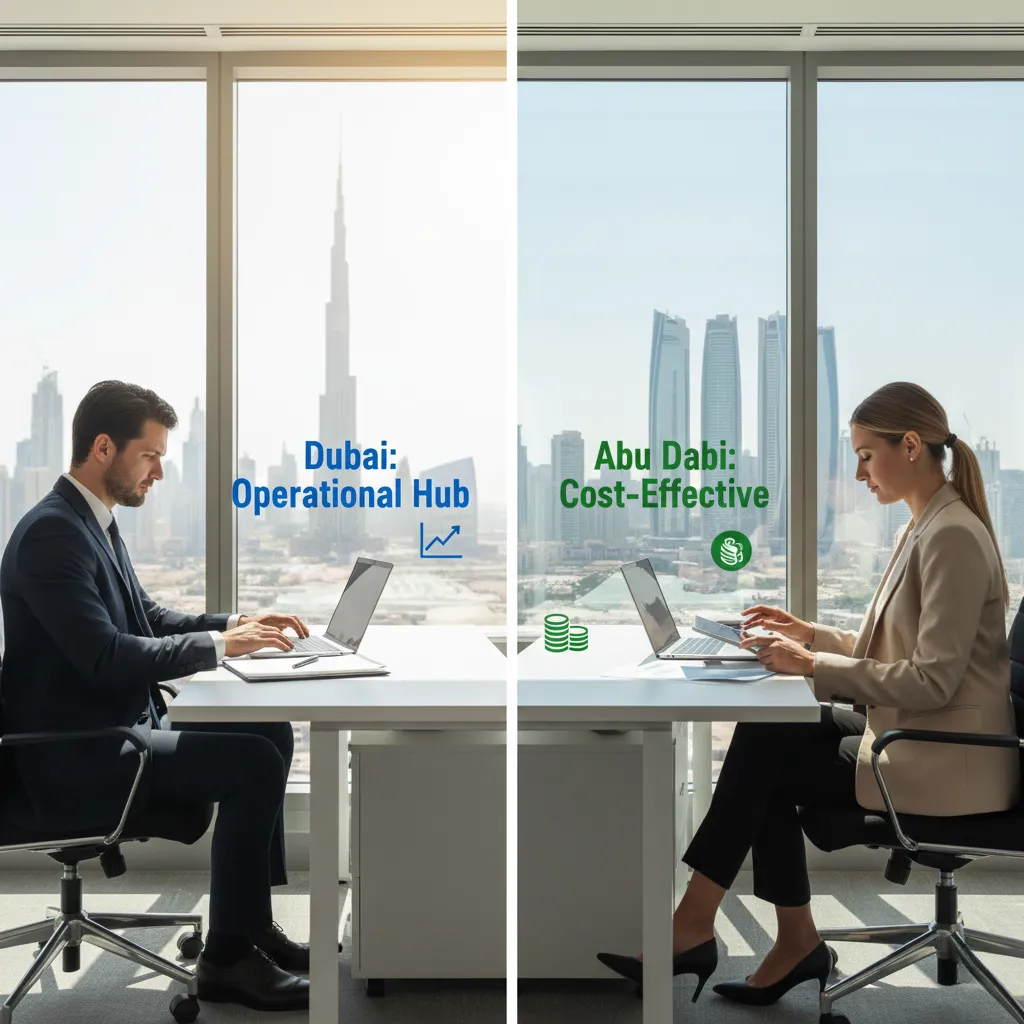
When you’re thinking about starting a business in the UAE, figuring out the costs involved is a big step. Both Dubai and Abu Dhabi have their own price tags for getting things set up, and they can really add up. It’s not just about the initial fees; you’ve got to think about rent, visas, and all that other stuff too.
Licensing and Registration Fees
Getting the right license is the first hurdle. The type of business you want to run dictates the license you need, and this directly affects the cost. Professional licenses, for example, are generally less expensive than commercial or industrial ones. While both emirates have similar fee structures, the exact amounts can differ slightly. It’s worth noting that some free zones might have slightly different fee scales compared to mainland setups.
- Professional License: Typically ranges from AED 10,000 to AED 15,000.
- Commercial License: Usually falls between AED 15,000 and AED 20,000.
- Industrial License: Can be higher, depending on the specific activities.
Keep in mind that these are estimates. The final cost can change based on the specific business activities, the number of shareholders, and any additional government approvals required.
Office Space and Real Estate
This is often one of the biggest expenses. Dubai, especially in its prime business districts, tends to have higher office rental costs. You’re paying for the prestige and the central location, which can be a big draw for some businesses. Abu Dhabi, while also offering modern office spaces, generally presents more affordable options, particularly if you look outside the absolute city center. The difference can be quite significant, sometimes 20-30% lower in Abu Dhabi for comparable spaces.
| Aspect | Dubai (Estimate) | Abu Dhabi (Estimate) |
|---|---|---|
| Office Rental | AED 20,000+ | Lower than Dubai |
Visa and Sponsorship Costs
Setting up visas for yourself and any employees is another high cost. This includes the application fees, medical tests, and potentially the cost of a security deposit. The exact amount depends on the visa type and duration. While the government fees are set, the overall cost can be influenced by how you manage the process. Some businesses opt to use PRO (Public Relations Officer) services to handle this, which adds another layer of expense but can save a lot of time and hassle. Sponsorship costs, while less common with recent changes allowing 100% foreign ownership in many mainland companies, can still be a factor in specific scenarios or older company structures.
Benefits of Setting Up in Dubai

Dubai really stands out when you’re thinking about setting up a company in the UAE. It’s got this reputation for being a global hub, and honestly, it lives up to it. One of the biggest draws is the sheer accessibility it offers to international markets. Being strategically located means you can easily connect with customers and partners across Europe, Asia, and Africa. Plus, the city has poured a ton of resources into its infrastructure, think world-class airports and ports, which makes logistics a whole lot smoother.
When it comes to actually getting your business off the ground, Dubai has made things pretty straightforward. There are over 30 free zones, and these are a game-changer because they allow for 100% foreign ownership. This means you keep full control of your company without needing a local sponsor, which is a massive advantage for many entrepreneurs. It really simplifies the whole process of starting a business in the UAE.
Here are some of the key advantages:
- Vast Market Access: Dubai’s diverse economy and status as a major tourist destination open doors to a huge customer base, both locally and internationally.
- Business-Friendly Environment: The government actively supports businesses with streamlined processes and various incentives, making it easier to operate and grow.
- World-Class Infrastructure: Excellent transportation networks and communication systems support efficient business operations and global connectivity.
- Innovation Hub: Dubai is constantly pushing forward with new initiatives, especially in technology and innovation, creating opportunities for forward-thinking companies.
Dubai’s commitment to creating a dynamic and supportive business ecosystem is evident. It’s a place where entrepreneurs can find the resources and environment needed to thrive, especially with its focus on innovation and global trade.
While there’s competition, the sheer scale of opportunity and the supportive framework make Dubai a top choice for many looking to establish a strong presence in the region.
Benefits of Setting Up in Abu Dhabi
When you’re looking at the advantages of setting up business in Dubai and Abu Dhabi, Abu Dhabi really shines in a few key areas. It’s often seen as a more budget-friendly option, which can make a big difference when you’re just starting. The government here is really pushing to diversify the economy beyond just oil, focusing on things like finance, tourism, and renewable energy. This means there are often good incentives available for businesses in these growing sectors.
One of the biggest pluses is the foreign ownership rules. In many cases, you can own 100% of your business without needing a local partner, which simplifies things a lot for international investors. Plus, Abu Dhabi has been voted the most liveable city, which is a nice bonus for attracting talent. The Abu Dhabi Global Market (ADGM) is also a big deal for finance companies, offering a really solid regulatory framework.

Here’s a quick look at some of the upsides:
- Cost-Effectiveness: Generally, lower office rental prices and setup fees compared to Dubai.
- Government Support: Initiatives like Ghadan 21 provide financial incentives, grants, and tax exemptions for businesses.
- Economic Diversification: Strong focus on growth sectors like finance, tourism, and technology, offering long-term stability.
- 100% Foreign Ownership: Available in many sectors, simplifying market entry and business control.
- High Quality of Life: Consistently ranked as a top city for livability, attracting skilled professionals.
Abu Dhabi is actively working to create a business-friendly environment. The focus on economic diversification and providing tangible support through programs like Ghadan 21 makes it an attractive place for long-term investment and growth. It’s a solid choice for businesses looking for stability and affordability.
If you’re weighing up Abu Dhabi business setup versus other options, it’s worth noting the government’s commitment to supporting new ventures. This proactive approach can really help smooth the path for entrepreneurs. For anyone putting together an Abu Dhabi business setup guide, these points are pretty important to highlight. It’s a different vibe than Dubai, perhaps a bit more focused on long-term industrial and financial growth, but that can be exactly what some businesses need. You can find more details on starting a business in Abu Dhabi if you want to dig deeper.
How Ripple Business Setup Helps You Choose Dubai or Abu Dhabi
Choosing between Dubai and Abu Dhabi is not about which city sounds better. It is about cost, license type, visa needs, and long-term plans. Ripple Business Setup looks at your activity, budget, and growth plan before pushing you into a decision. We compare mainland vs free zone options, explain hidden fees, and handle the full setup from name approval to bank account support. If you want clarity instead of sales talk, this is where Ripple actually adds value.
If you want to start a business in Dubai or Abu Dhabi without wasting time or money, contact Ripple Business Setup at +971 50 593 8101, email info@ripplellc.ae, or WhatsApp +971 4 250 0833. Our team guides you on costs, approvals, visas, and compliance so you can set up legally and move fast.
Conclusion: Which Emirate is Right for Your Business?
So, you’ve looked at the details, comparing emirates for business, and now it’s time to make a choice. It’s not really about which city is ‘better’ overall, but which one fits your specific business needs. Dubai is often the go-to for its sheer dynamism and global reach. If you’re in tourism, tech, or e-commerce, and you want to tap into a massive, diverse market with incredible international connections, Dubai makes a lot of sense. Its fast-paced environment and extensive free zones are built for rapid growth and global trade.
On the other hand, Abu Dhabi offers a different kind of appeal. It’s the capital, and while it’s also diversifying rapidly, it provides a more stable, perhaps less crowded, playing field. Businesses focused on sectors like energy, finance, or heavy industry, especially those aligned with government initiatives, might find Abu Dhabi a more strategic fit. The cost of living and doing business can also be more manageable, which is a big plus for startups or companies prioritizing long-term, steady development.
Ultimately, the decision hinges on your business model, target audience, and growth strategy. Don’t feel pressured to pick just one forever, though. The UAE’s structure allows for expansion, and many businesses find success by establishing a presence in both emirates over time, leveraging Dubai’s commercial energy and Abu Dhabi’s strategic stability.
Here’s a quick rundown to help you decide:
- Choose Dubai if: You need access to a vast international market, your business thrives in a fast-paced environment, or you’re in sectors like tourism, media, or tech.
- Choose Abu Dhabi if: Your business aligns with strategic sectors like energy or finance, you prefer a more stable market, or cost-effectiveness is a primary concern.
Both cities offer excellent infrastructure and support for businesses, but their focus and pace differ. Think about where your company will feel most at home and where it can best achieve its goals. For many, exploring options for business setup in the UAE is the first step, and then drilling down into the specifics of each emirate.
So, which Emirate is the best fit for your business dreams? Each place has its own special perks. Figuring this out can be tricky, but we’re here to help make it simple. Ready to take the next step and get your business started? Visit our website today to learn more and get expert advice!
Making Your Choice: Dubai or Abu Dhabi?
So, when it comes down to it, picking between Dubai and Abu Dhabi for your business setup really depends on what you’re trying to do. Dubai is great if you’re aiming for a big international crowd and don’t mind potentially higher costs, thanks to its huge tourism and trade scene. Abu Dhabi, on the other hand, often feels a bit more budget-friendly and has a strong focus on things like energy and finance, with some nice government perks thrown in. Both places let foreigners own their businesses fully in special zones, which is a big plus. Think about your industry, how much you want to spend, and where your customers are. It’s not a one-size-fits-all answer, but understanding these differences should help you land on the right spot for your venture.
Frequently Asked Questions
Which city is cheaper to start a business in, Dubai or Abu Dhabi?
Generally, Abu Dhabi tends to be more affordable for setting up a business. You might find that office spaces cost less, and some of the steps to get your business running can be simpler and quicker, saving you money and time.
Does Dubai or Abu Dhabi have more customers for my business?
Dubai usually has a bigger and more varied group of people, including lots of tourists. This means more potential customers for many types of businesses, especially those that appeal to an international crowd. Abu Dhabi has a strong local market and focuses on specific industries like energy and finance.
Can foreigners own 100% of their business in both cities?
Yes, in many cases, foreigners can own 100% of their business in both Dubai and Abu Dhabi. This is often allowed in special business zones called ‘free zones’ or in certain industries.
What are the main industries that do well in Dubai?
Dubai is a big player in tourism, trade, and real estate. It’s also growing fast in technology and finance. It’s a great place if your business is related to travel, shopping, or international business.
What industries are important in Abu Dhabi?
Abu Dhabi is a leader in energy, especially oil and gas. It’s also focusing a lot on finance, aerospace, and big government projects. If your business is in these areas, Abu Dhabi could be a good fit.
Are there any special programs or help for new businesses in these cities?
Both cities offer support. Abu Dhabi has initiatives like Ghadan 21 that provide financial help and incentives for businesses. Dubai has many free zones that offer special benefits and streamlined processes for companies.
Disclaimer: This article is for general information only. Business setup costs, rules, and requirements may change based on government policies and authorities. Always consult a licensed business setup advisor before making decisions.