
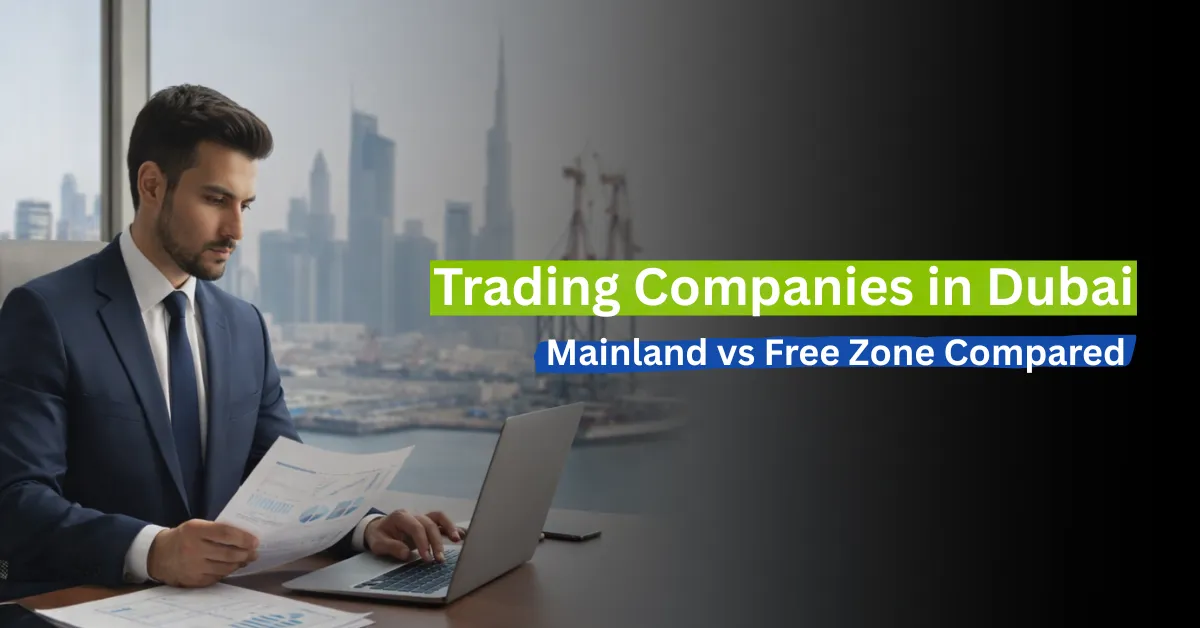
So, you’re thinking about setting up a trading company in Dubai. That’s a big step, and a good one, because Dubai is really a major player in global trade. But before you jump in, you’ve got to figure out where to set up shop. Do you go for the mainland, or is a free zone a better fit? It’s not a simple question, and the answer really depends on what you plan to do. This article breaks down the main differences between mainland and free zone setups for trading companies in Dubai, so you can make a choice that works for your business.
Why Dubai is a Global Trading Hub
Dubai has really cemented its spot as a major player in international trade, and it’s not just by accident. A big part of this is its super strategic location, sitting right between Europe, Asia, and Africa. This makes it a natural crossroads for goods moving between continents. Plus, the government has put a ton of effort into building top-notch infrastructure – think massive ports like Jebel Ali and a huge international airport. These facilities are built to handle huge volumes of cargo efficiently.
Dubai’s commitment to creating a business-friendly environment is a huge draw. They’ve focused on things like streamlined customs processes, modern logistics, and a legal framework that supports international business. This makes it easier for companies to import, export, and re-export goods without a lot of hassle. It’s this combination of location, infrastructure, and supportive policies that makes Dubai such a go-to place for trading companies looking to reach global markets.
Here’s a quick look at some key factors:
- Strategic Location: Bridges continents, making it ideal for transcontinental trade.
- World-Class Infrastructure: Advanced ports, airports, and logistics networks.
- Business-Friendly Policies: Streamlined customs, a supportive legal system, and ease of doing business.
- Economic Diversification: A move away from oil has opened doors for trade and services.
It’s also worth noting the economic diversification efforts. Dubai isn’t just about oil anymore; it’s actively promoting sectors like logistics, finance, and tourism, all of which feed into its trading prowess. This creates a dynamic ecosystem where trading businesses can thrive. Setting up a company here, whether mainland or in a free zone, gives you access to this vibrant market. Many businesses find that establishing a company in a Dubai free zone offers significant advantages, including streamlined processes and tax benefits.
Dubai’s continuous investment in its infrastructure and its proactive approach to trade agreements have created an environment where businesses can operate with confidence and efficiency. The city acts as a gateway, connecting producers and consumers across vast geographical distances.
Understanding Trading Company Structures in Dubai
When you’re looking to set up a trading company in Dubai, you’ll quickly find there are two main paths: Mainland and Free Zone. Each has its own set of rules and benefits, and picking the right one really depends on what you want to do with your business.
Mainland Trading Companies
Setting up a trading company on the Dubai mainland means you’re registered with the Department of Economic Development (DED) in the specific emirate. This gives you the freedom to trade directly with customers and businesses anywhere in the UAE. It’s a big deal because you can access the entire local market without needing special permissions for each transaction. While historically, you might have needed a local sponsor holding a majority stake, recent changes mean 100% foreign ownership is now possible in many sectors. This makes Dubai mainland company registration a more attractive option for international investors wanting direct access.
- Direct Market Access: Trade freely within the UAE.
- Broader Business Scope: Engage in a wide range of activities and get various licenses.
- Government Contracts: Eligible to bid on local government tenders.
Setting up on the mainland offers unparalleled flexibility for businesses aiming to serve the local population and participate fully in the UAE’s economy. It’s the go-to for companies wanting to build a strong presence within the Emirates.

Free Zone Trading Companies
Dubai has numerous Free Zones, each with its own focus and set of rules. These zones are designed to attract foreign investment by offering specific perks. The main draw is often 100% foreign ownership right from the start, along with potential tax exemptions and simplified setup processes. Getting a free zone trading license dubai is usually straightforward, especially if your business activities align with the zone’s specialization. However, there’s a key difference: companies in Free Zones typically can’t trade directly with the UAE mainland market. You’ll usually need to work through a local distributor or agent for sales within the Emirates. Some of the best trading zones in UAE include Jebel Ali Free Zone (JAFZ), Dubai Airport Free Zone (DAFZA), and Dubai Multi Commodities Centre (DMCC).
- 100% Foreign Ownership: Full control of your company.
- Tax Benefits: Often includes exemptions from corporate and income taxes for a set period.
- Streamlined Setup: Generally quicker and simpler registration processes.
Choosing between these structures is a big decision. The advantages of a free zone company Dubai might be tax savings and ease of ownership, while the advantages of a mainland company Dubai are direct market access and broader operational freedom. Your choice will shape how you do business in Dubai and the UAE. For detailed comparisons and guidance on dubai business setup for trading, resources like this guide can be very helpful.

Key Differences: Mainland vs. Free Zone for Trading
When you’re looking at Dubai business setup mainland vs free zone, it really boils down to what you want your trading company to do. It’s not just about where you set up shop, but also about how you’ll operate and who you’ll sell to.
Ownership and Control
For a long time, this was a big differentiator. Free zones have always offered 100% foreign ownership, which was a huge draw. Mainland companies used to require a local sponsor holding a majority stake. However, recent changes mean that many mainland business activities now also allow for 100% foreign ownership. Still, it’s worth checking if your specific trade activity falls under any remaining requirements for local partnership.
Business Activities and Scope
This is where the biggest practical differences lie for trading companies. Mainland companies can trade freely anywhere within the UAE and also internationally. They can deal directly with local customers and even bid on government contracts. Free zone companies, on the other hand, are generally restricted to trading within their specific free zone or internationally. If you want to sell directly into the UAE mainland market, you’ll typically need to work with a distributor or agent, or set up a branch on the mainland. This is a significant point to consider for your Dubai business setup mainland vs free zone decision.
Taxation and Duties
Both mainland and free zone companies are now subject to corporate tax in the UAE, currently at 9% above a certain profit threshold. However, free zones often still offer benefits like exemption from import and export duties on goods brought into the zone for re-export or processing. Mainland companies don’t typically have these duty exemptions.
Office Space and Infrastructure
Free zones offer a lot of flexibility here. You can often get by with a virtual office, a shared workspace, or a small dedicated office, depending on your license and visa needs. Mainland companies, however, generally require a physical office space within the mainland jurisdiction. This can add to the initial setup costs and ongoing overhead.
Licensing and Regulations
Mainland companies are regulated by the Department of Economic Development (DED) in their respective emirate. Free zone companies are governed by the specific Free Zone Authority where they are established. Each free zone has its own set of rules and regulations, which can sometimes be more specialized for certain industries. Getting the right trade license is key, and the process can differ significantly between the two.
Deciding between a mainland and free zone setup isn’t a one-size-fits-all situation. It really depends on your specific business model, your target customers, and your long-term goals for operating in Dubai and the wider UAE.
Choosing the Right Structure for Your Trading Business
So, you’ve decided Dubai is the place to be for your trading venture. That’s a solid move. Now comes the big question: Mainland or Free Zone? It’s not a one-size-fits-all answer, really. Your business goals, who you want to sell to, and how you plan to grow all play a part.
Think about your primary market. If you’re aiming to sell directly to customers and businesses all over the UAE, a Mainland setup is probably your best bet. It gives you full access to the local market, letting you work with government entities and local clients without any extra steps. This is key if you want to build a strong presence within the Emirates. You can check out the benefits of a Mainland company for broader market reach.
On the flip side, if your focus is mainly international trade, and you don’t plan on significant local sales, a Free Zone might be more appealing. These zones often come with perks like 100% foreign ownership and tax advantages, which can simplify things for businesses looking outward. However, remember that trading directly within the UAE from a Free Zone usually means working through a local distributor.

Here’s a quick breakdown to help you think it through:
- Target Market: Local UAE customers vs. International clients.
- Ownership Needs: Do you require 100% foreign ownership from day one, or are you open to local partnership structures?
- Business Activities: Are your activities restricted to specific industries often found in Free Zones, or do you need broad commercial licensing?
- Growth Strategy: Do you plan to scale within the UAE, bid on government contracts, or expand internationally?
The decision often boils down to balancing operational freedom within the UAE against potential cost savings and simplified international trade structures offered by Free Zones. It’s about aligning the legal framework with your commercial ambitions.
Ultimately, the choice isn’t just about ticking boxes; it’s about setting your business up for success in the long run. Carefully consider your immediate needs and future aspirations before making the final call.
How Ripple Business Setup Helps You Start a Trading Company in Dubai
Most people waste time comparing mainland vs free zone without understanding what actually fits their trading model. Ripple Business Setup cuts through that noise. We assess your trading activity, target market, visa needs, and budget before recommending mainland or free zone. No generic advice, no upselling the wrong license.
If you want to start a trading company in Dubai and avoid costly mistakes, contact Ripple Business Setup at +971 50 593 8101, email info@ripplellc.ae, or WhatsApp +971 4 250 0833. Our team handles licensing, approvals, visas, and compliance from start to finish so you can focus on trading, not paperwork.
Conclusion: Navigating Your Trading Company Setup in Dubai
So, you’ve looked at the ins and outs of setting up a trading business in Dubai, weighing the pros and cons of mainland versus free zone. It’s a big decision, and honestly, there’s no single ‘right’ answer that fits everyone. What works for one business might be a total mismatch for another.
Think about what you really need. Are you planning to sell directly to customers all over the UAE? Then maybe setting up a company in dubai mainland makes more sense, even with the potential for higher initial costs. On the flip side, if your focus is international trade or you’re just starting out and want a simpler setup with tax benefits, choosing a dubai free zone for business could be the way to go. Remember, free zones aren’t completely cut off from the local market; you can often work with a local distributor to reach UAE customers.
Here’s a quick rundown to help you decide:
- Mainland: Best for direct access to the local UAE market, wider range of business activities, and potentially more flexibility in the long run.
- Free Zone: Ideal for international trade, 100% foreign ownership, tax advantages, and often a quicker setup process.
It’s easy to get bogged down in the details, and sometimes common misconceptions can lead you astray. For instance, not all free zones are the same, and some have specific industry focuses. Also, the idea that mainland is always more expensive isn’t always true when you consider the long-term benefits of market access.
Ultimately, the best structure for your trading company depends on your specific goals, target audience, and how you plan to operate. Don’t hesitate to seek professional advice to help you make the most informed choice.
Getting the paperwork right and understanding all the regulations can feel like a maze. That’s why getting expert help is often a smart move. They can guide you through the process, whether you’re looking at setting up a company in dubai mainland or exploring the options for choosing a dubai free zone for business. Making the right choice now sets the stage for your trading company’s success in Dubai.
Setting up your trading company in Dubai is a big step! It might seem a little tricky at first, but with the right help, it’s totally doable. Think of it like planning a cool project, you just need to know the steps. We can guide you through everything, making sure your business gets off to a great start. Ready to make your Dubai trading company a reality? Visit our website to learn more and get started today!
Making Your Choice: Mainland or Free Zone?
So, when it comes down to it, picking between a Dubai mainland company and a free zone setup really just depends on what you’re trying to do. If you’re looking to sell stuff directly to people in the UAE or work with local government projects, the mainland is probably your best bet. It gives you that direct access. On the other hand, if your business is more about international trade, or you’re in a specific industry that a free zone caters to, then a free zone might make more sense. They often come with tax perks and simpler rules for that kind of work. Think about who your customers are and where you want to operate most. That’s the big question. Getting it right from the start means fewer headaches later on.
Frequently Asked Questions
What’s the main difference between a Mainland and a Free Zone company in Dubai?
Think of it like this: a Mainland company can do business anywhere in Dubai and the UAE, just like a local shop. A Free Zone company is like a special business park; it can do business in that park, and also with other countries, but if it wants to sell stuff directly in Dubai’s local market, it usually needs a helper, like a local distributor.
Can a Free Zone company sell products directly in Dubai?
Generally, no, not directly. Free Zone companies are set up to trade more internationally. To sell in Dubai’s local market, they often have to work with a local agent or distributor, or sometimes set up a separate branch on the Mainland.
Which type of company is cheaper to set up?
Often, setting up in a Free Zone can be less expensive at the start. Free Zones might have lower fees for licenses and office space. Mainland companies can sometimes cost more upfront, especially if they need a local partner.
Do I need a local partner to own my company in Dubai?
For Free Zone companies, you can usually own 100% of your business yourself. For Mainland companies, it used to be that you needed a local partner to own most of it, but now, for many types of businesses, you can own 100% of your Mainland company too.
Where can my company operate if I choose a Free Zone?
A Free Zone company can operate within its specific Free Zone and can also do business with other countries. It can also do business in the UAE Mainland, but usually through a distributor or by setting up a branch.
Which is better for international trading?
For businesses focused mainly on trading with other countries, a Free Zone is often a great choice. They usually offer tax benefits and simpler rules for international business. If you plan to sell a lot within the UAE itself, a Mainland company might be more suitable.
Disclaimer: This article is for general information only. Trading regulations, license costs, and requirements in Dubai may change. Always consult a qualified business setup advisor before making decisions.