

Thinking about setting up a holding company in Dubai? It’s a smart move for managing multiple businesses. A holding company basically owns other companies, kind of like a parent company for your business family. You don’t have to be involved in the daily grind of those companies; you just oversee them. This guide will break down what you need to know about getting a holding company set up in Dubai’s mainland, covering the steps, documents, and why Dubai is a good spot for it. We’ll keep it simple so you can get a clear picture.
What is a Holding Company and Why Dubai?
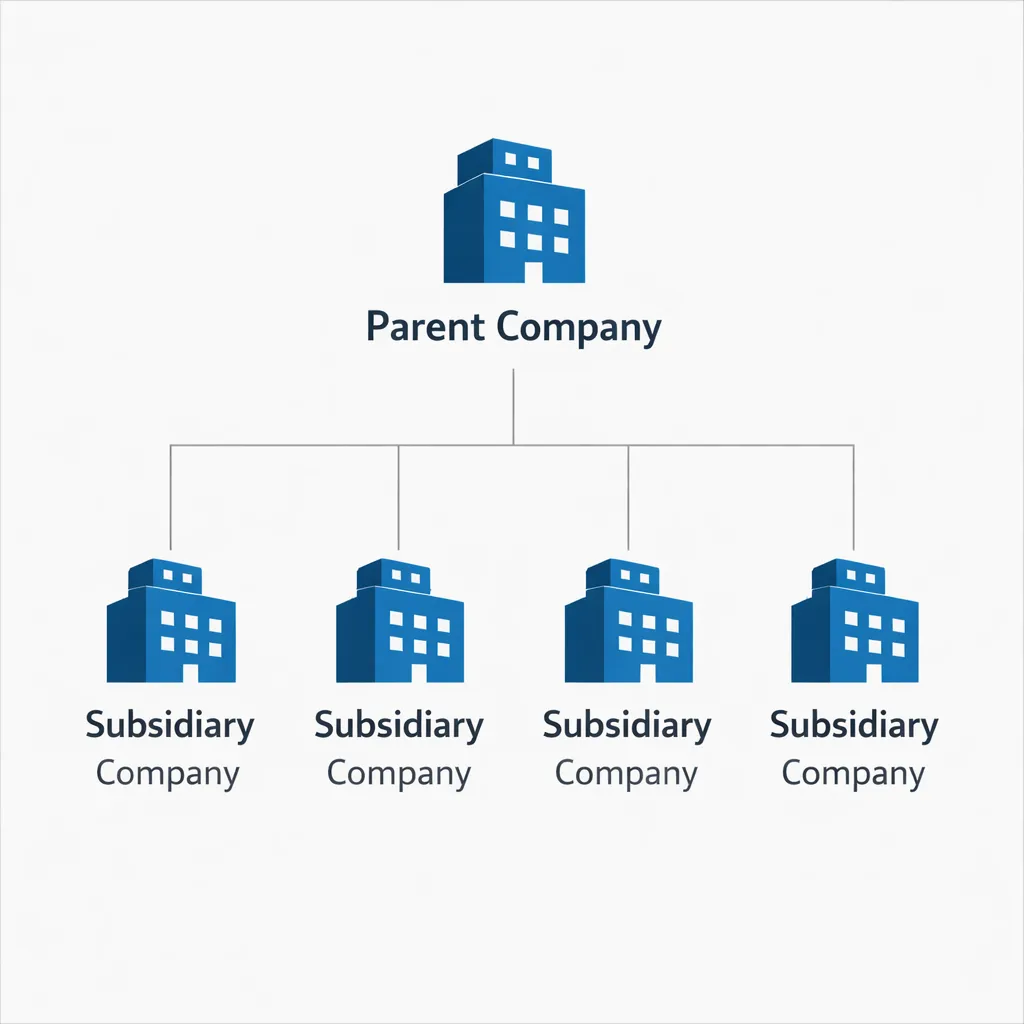
So, you’re thinking about setting up a holding company, huh? Basically, it’s a business that owns other businesses, but it doesn’t actually do anything operational itself. Think of it as the parent. It holds the shares of its “children” companies, which are the ones actually selling products, providing services, or manufacturing things. The holding company’s job is more about management and ownership, not the day-to-day grind.
Benefits of Setting Up a Holding Company in Dubai
Why Dubai, you ask? Well, it’s become a pretty popular spot for this kind of setup, and for good reason. The benefits of Dubai holding company structures are quite appealing for a lot of people looking to manage their assets and investments more effectively.
Here are a few reasons why Dubai makes sense:
- Asset Protection: This is a big one. If one of your subsidiary companies runs into financial trouble or faces a lawsuit, your other companies and personal assets are generally protected. It’s like having a shield.
- Tax Advantages: Dubai and the UAE in general have a very favorable tax environment. While corporate tax is now a thing, it’s still quite competitive, and there’s no personal income tax or capital gains tax on dividends from subsidiaries.
- Central Location: Dubai is a global hub. It’s perfectly positioned between Europe, Asia, and Africa, making it easy to manage international operations and investments.
- Banking Ease: Setting up corporate bank accounts and accessing financial services is generally straightforward here.
- Ownership Flexibility: You can typically own 100% of your holding company, which is a big plus for foreign investors.
Dubai offers a robust legal framework and modern infrastructure that supports complex business structures like holding companies. It’s a place where you can manage diverse investments under one roof with relative ease and security.
It’s not just for massive corporations, either. Entrepreneurs with a few different ventures or individuals looking to manage property portfolios can find this structure really useful. It simplifies ownership and can make managing different income streams much cleaner.
Types of Holding Companies in Dubai
So, you’re looking into setting up a holding company in Dubai. That’s a smart move. But before you jump in, it’s good to know there are a few ways you can structure this. It’s not just a one-size-fits-all deal.
Holding Company in Dubai Mainland vs. Free Zone
When you’re thinking about where to set up your holding company, the two main paths you’ll consider are Dubai Mainland and the various Free Zones. Each has its own set of rules and benefits, so picking the right one really depends on what you want to achieve.
Mainland Holding Companies
Setting up a holding company on the Dubai Mainland means it’s registered with the Department of Economic Development (DED). This gives you the freedom to do business directly within the UAE market. For a holding company, the Limited Liability Company (LLC) structure is often the go-to on the mainland. It allows for 100% foreign ownership, which is a big plus. You’ll need a local sponsor or agent, but they don’t actually own any part of your company; they just fulfill a legal requirement. This setup is great if your holding company plans to interact directly with the local economy or needs to hold assets that will be used by operating companies within the UAE.
Benefits of a Holding Structure in the UAE
Why bother with a holding company in the UAE at all? Well, there are some pretty good reasons:
- Asset Protection: This is a big one. Your holding company can own shares in other businesses, and if one of those subsidiary businesses runs into financial trouble, your other assets are generally protected. It’s like having a shield for your investments.
- Tax Advantages: The UAE offers a favorable tax environment. While corporate tax is now a thing, holding companies can still benefit from various exemptions and the absence of personal income tax or capital gains tax on many levels.
- Simplified Management: Imagine having multiple businesses. A holding company lets you manage them all from one central point. You oversee the ownership and strategic direction without getting bogged down in the daily grind of each business.
- Investment Flexibility: You can easily hold various types of assets, from shares in other companies to intellectual property and real estate. This flexibility is key for growth and diversification.
Free Zone Holding Companies
Dubai has numerous Free Zones, and many are specifically set up to attract holding companies. Think of places like the Dubai International Financial Centre (DIFC) [register holding company in DIFC]. These zones offer a different set of advantages, often including 100% foreign ownership without the need for a local sponsor. They also typically come with tax exemptions and a more streamlined regulatory process. If your holding company’s primary purpose is to own assets or shares in international businesses, or if you want to keep operations completely separate from the mainland economy, a free zone might be the better choice. There are different types of holding companies you can establish within a free zone, depending on your specific needs [Different types of holding companies, including regular Holding, Special Purpose Vehicle (SPV), and Prescribed, can be established depending on the specific free zone.].
Choosing between mainland and free zone really boils down to your business goals. If you need to operate directly in the UAE market, mainland is usually the way to go. If your focus is more on international investments and asset management with maximum flexibility, a free zone often makes more sense. It’s about aligning the structure with your long-term strategy.
Key Steps to Setting Up Your Holding Company in Dubai Mainland
So, you’re looking to get a holding company going in Dubai mainland? It’s a solid move for managing multiple businesses under one roof. The process for establishing a parent company in Dubai might seem a bit involved, but breaking it down makes it totally manageable. Let’s walk through the main steps for Dubai mainland company formation.
Step 1: Business Activity and Name Reservation
First things first, you need to figure out what your holding company will actually do. While holding companies primarily own other businesses, you still need to select appropriate business activities that reflect this structure. Think about the types of subsidiaries you plan to control. After that, it’s time to pick a name. Your company name needs to follow Dubai’s naming rules – no offensive language, no religious or political references, and it should ideally reflect your business. You’ll submit a few options to the Department of Economy and Tourism (DET) for approval. Getting this name reservation sorted is a key part of registering a business group in Dubai.
Step 2: Initial Approval and Trade License Application
Once your business activity and name are locked in, you’ll apply for initial approval from the DET. This is basically the government saying, “Okay, we’re cool with you setting up shop here.” Along with this, you’ll start the actual trade license application. This involves detailing your corporate ownership setup in Dubai and submitting the necessary forms. It’s the official start of your dubai mainland company formation journey.
Step 3: Memorandum of Association (MOA) and Local Sponsor/Agent
This is where things get a bit more formal. You’ll need to draft a Memorandum of Association (MOA). This document outlines the company’s structure, objectives, and how it will be managed. For a Dubai mainland LLC, which is a common structure for holding companies, you might still need a local service agent if you’re a foreign national, though 100% foreign ownership is now common for many activities. This agent doesn’t hold shares but acts as a liaison with government departments. Understanding the nuances of establishing a holding entity in the UAE is important here.
Step 4: Office Space and Ejari Registration
Having a physical office is a requirement for most Dubai mainland companies. You’ll need to lease a commercial space. Once you have your lease agreement, you must register it with the Ejari system, which is Dubai’s online registration for rental contracts. This is a mandatory step for your UAE corporate structure setup and proves you have a legitimate business address.
Step 5: Finalizing the Trade License and Company Registration
With all the previous steps completed, initial approval, MOA drafted, office secured, and any local agent agreements in place, you’ll submit everything for final review. You’ll pay the required fees, and then, congratulations, you’ll receive your trade license! This officially completes the steps to register a business in Dubai and allows your holding company to operate legally. You can then proceed with opening bank accounts and managing your subsidiaries.
Setting up a holding company in Dubai mainland offers significant advantages, including direct access to the UAE market and the ability to conduct business across the Emirates without restrictions. It’s a strategic move for consolidating ownership and managing diverse business interests effectively.
Here’s a quick look at the typical timeline and costs, though these can vary:
| Step | Estimated Timeframe | Estimated Cost Range (AED) |
|---|---|---|
| Business Activity & Name | 1-3 Days | 500 – 1,500 |
| Initial Approval | 3-7 Days | 1,000 – 3,000 |
| MOA & Local Agent (if req.) | 5-10 Days | 2,000 – 5,000+ |
| Office Lease & Ejari | 7-14 Days | Varies greatly |
| Trade License Issuance | 3-5 Days | 10,000 – 30,000+ |
Remember, these are just estimates. Getting professional help can streamline the process and help you avoid unexpected costs. For those looking to establish a business in Dubai Mainland, this structured approach is key.

Required Documents for Setting Up a Holding Company
Alright, so you’re looking to get a holding company off the ground in Dubai Mainland. It’s not as complicated as it might sound, but you do need to have your paperwork in order. Think of it like packing for a big trip, you wouldn’t want to forget anything important, right?
Here’s a rundown of what you’ll likely need:
- Memorandum of Association (MOA) and Articles of Association (AOA): These are the foundational legal documents that outline how your company will be run, its objectives, and its structure. You’ll need to get these drafted and properly attested.
- Passport Copies: You’ll need copies of the passports for all shareholders and any appointed directors. Make sure they’re clear and valid.
- Business Plan: While not always strictly mandatory for every single activity, having a solid business plan is a really good idea. It shows the authorities your vision and how your holding company will operate, especially regarding its subsidiaries.
- Board Resolution: If your holding company is being set up by an existing company, you’ll need a formal resolution from that company’s board approving the establishment of the new holding entity.
- Power of Attorney: This document authorizes someone (often a legal representative or consultant) to act on your behalf during the setup process.
- Local Sponsor/Agent Agreement: For mainland companies, you’ll need documentation related to your local sponsor or agent, outlining their role and the agreement terms.
- Initial Approval Certificate: This is the go-ahead from the Department of Economic Development (DED) that allows you to proceed with the rest of the setup.
- Office Space Lease Agreement (Ejari): You’ll need proof of a physical office space. This is usually a lease agreement that needs to be registered with the Ejari system.
It’s worth noting that the exact list can shift a bit depending on the specific business activities you choose and the structure of your holding company. Always double-check with the Department of Economic Development (DED) or a business setup consultant to make sure you’ve got everything covered.
Getting these documents together might seem like a chore, but it really smooths out the whole process. Having everything ready means fewer delays and less stress when you’re trying to get your business officially registered. It’s all about being prepared!
Post-Setup Considerations: Banking and Compliance
Alright, so you’ve got your holding company all set up in Dubai mainland. That’s a big step! But honestly, the work isn’t quite done yet. You’ve got a couple of really important things to sort out now: getting your business bank accounts sorted and making sure you’re staying on the right side of all the rules and regulations. It’s not the most exciting part, I know, but it’s super necessary.
First up, banking. You’ll need to open corporate bank accounts for your holding company. This is where all the money from your subsidiaries will flow, and where you’ll manage investments and distributions. Different banks have different requirements, so it’s worth shopping around a bit. Some might ask for more documentation than others, and processing times can vary. Having a clear understanding of your company’s structure and planned activities will make this process much smoother. You’ll likely need your trade license, MOA, shareholder details, and proof of address.

Then there’s compliance. Dubai has specific laws you need to follow, and they can change. For a holding company, this often involves things like:
- Shareholder and Director Compliance: Keeping records updated and ensuring all parties meet regulatory requirements.
- Financial Reporting: Depending on your company’s size and activities, you might need to prepare and submit financial statements.
- Anti-Money Laundering (AML) and Know Your Customer (KYC) checks: These are standard procedures for financial institutions and regulatory bodies.
- Tax Obligations: While Dubai mainland offers advantages, you still need to be aware of any applicable taxes, like VAT, and file returns correctly.
It’s easy to think that once the license is in hand, you’re good to go. But ongoing compliance is where many businesses stumble. Staying proactive means you avoid headaches down the line, like fines or even having your license suspended. Think of it as ongoing maintenance for your business machine.
Don’t forget about your subsidiaries, too. Your holding company structure means you’re responsible for overseeing them, and that includes making sure they’re also compliant in their own operations. It’s a bit of a chain reaction. Getting professional advice from a corporate service provider or a legal expert can really help here. They can keep you in the loop about any changes in regulations and help you set up internal processes to manage compliance effectively. It’s better to be safe than sorry, right?
After getting your business set up, there are a few more important things to handle, like sorting out your bank accounts and making sure you follow all the rules. These steps are key to running your business smoothly and staying out of trouble. Want to learn more about making sure your business is compliant? Visit our website today!
How Ripple Business Setup Helps You Set Up a Holding Company in Dubai Mainland
Setting up a holding company in Dubai Mainland is not complicated, but mistakes are common. Wrong license activity, weak structure, or poor compliance planning can cost you later. Ripple Business Setup handles the full process with zero guesswork. From choosing the right legal structure to coordinating approvals with the Department of Economy and Tourism, their team makes sure your holding company is set up correctly from day one. We also guide you on tax positioning, shareholder structure, and future expansion, so you do not lock yourself into a bad setup.
If you want professional help without delays or hidden steps, contact Ripple Business Setup at +971 50 593 8101, email info@ripplellc.ae, or WhatsApp +971 4 250 0833. Our consultants walk you through licensing, documentation, and compliance in one clear process.
Wrapping It Up
So, setting up a holding company in Dubai mainland might seem like a big task, but it’s really about putting your assets and future ventures in a solid structure. We’ve gone over the main steps, from picking the right name to getting that all-important license. Remember, Dubai is a great spot for this kind of setup, offering lots of advantages like asset protection and a good business environment. It’s not just for huge corporations either; individuals can benefit too. If it all feels a bit much, don’t hesitate to get some professional help. They can make the whole process much smoother, letting you focus on what you do best, growing your business.
Frequently Asked Questions
What exactly is a holding company?
Think of a holding company like a parent. It owns other companies, called subsidiaries, but it doesn’t actually make or sell things itself. It just holds the ownership papers for those other businesses.
Why would someone want to set up a holding company in Dubai?
Dubai is a great place for holding companies because it’s a major business hub. It offers good tax deals, making it easier to keep more profits. Plus, it’s a good spot to manage businesses that operate in different places.
Can a holding company own 100% of another company?
Yes, absolutely! A holding company can own all of another company. It just needs to own enough shares or ownership parts to be in charge and make the big decisions.
What’s the difference between a mainland and a free zone holding company?
A mainland holding company can do business anywhere in the UAE. A free zone holding company is in a special economic zone and is often chosen for its tax benefits and 100% foreign ownership options.
What kind of documents do I need to start a holding company?
You’ll need important papers like your ID, passport copies, a business plan, and official documents that show who owns what and what the company will do. You also need to choose a name and get approvals.
Do I need a local partner to set up a holding company in Dubai Mainland?
Good news! For a holding company set up as an LLC in Dubai Mainland, you can actually own 100% of it yourself, so you don’t need a local partner.
Disclaimer: This article is for general information only and does not constitute legal, tax, or financial advice. Regulations in the UAE may change. Always consult a licensed business setup advisor or legal professional before making decisions.