
Thinking about getting involved in Dubai’s real estate scene? Whether you’re a developer, an agent, or just looking to sell a property, you’ll likely run into something called a RERA Certificate. It sounds official, and it is. Basically, it’s a stamp of approval that says you’re playing by the rules in Dubai’s property market. This guide breaks down what it is, why you might need one, and how to go about getting it. It’s not exactly a walk in the park, but knowing the steps makes it much less confusing.
What is a RERA Certificate and Why is it Important?
So, you’re looking into the Dubai real estate scene, maybe as a developer, an agent, or even just a property owner involved in certain deals. You’ve probably heard the term “RERA certificate” thrown around. What exactly is it, and why should you care?
Basically, a RERA certificate is official proof that your real estate business or transaction meets the standards set by the Real Estate Regulatory Agency (RERA) in Dubai. Think of it as a stamp of approval. It shows that you’re operating within the law and following the rules designed to keep the property market fair and transparent for everyone involved. Without this certification, you simply can’t operate legally in many aspects of the Dubai real estate industry.
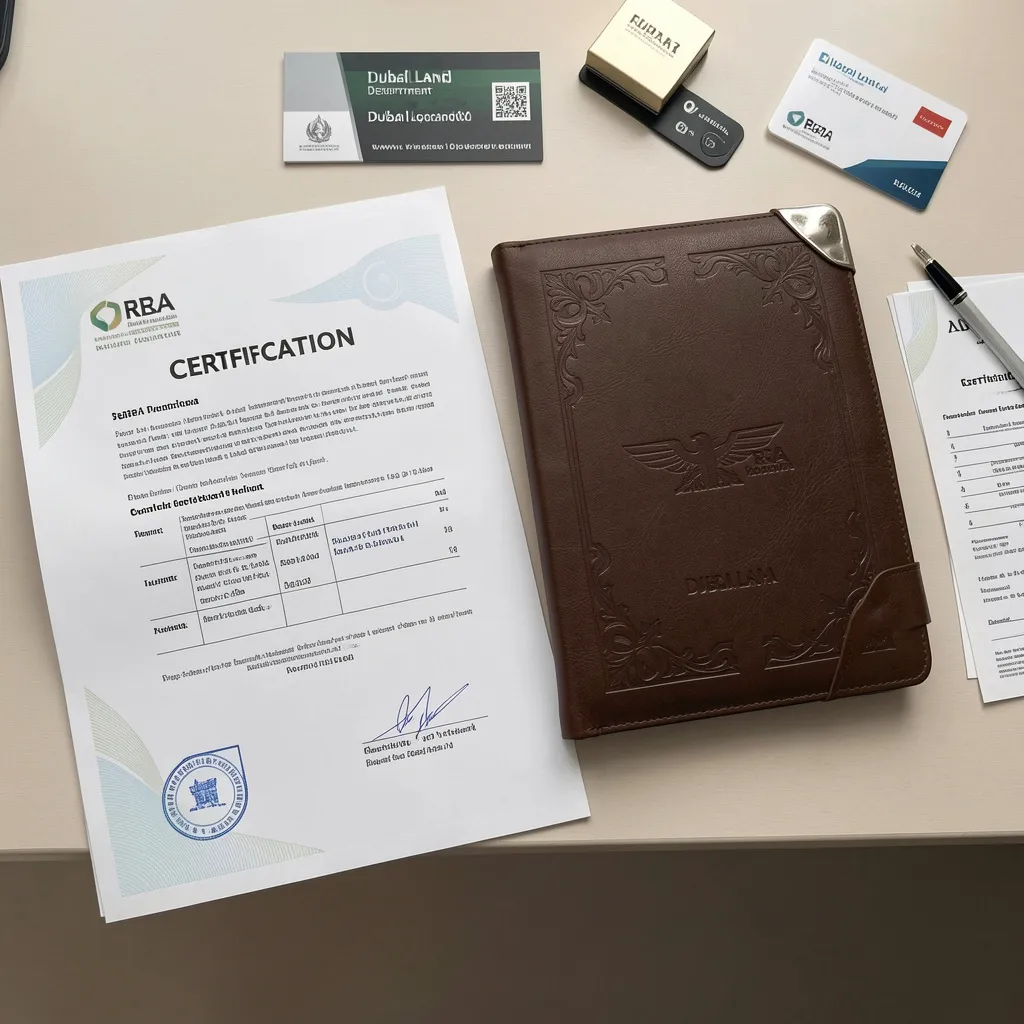
Why is it such a big deal? Well, for starters, it builds trust. When you have a RERA certificate, potential clients and partners know you’re legitimate. It means you’ve likely gone through the necessary training, passed exams, and are committed to ethical practices. This is super important in a market as active as Dubai’s. It also means you can actually access key services from the Dubai Land Department, like registering property titles. If you’re a developer or an agent, this is non-negotiable. It helps avoid legal trouble down the line and shows investors you’re serious about compliance. It’s all about making the market safer and more professional for everybody.
Here are a few key reasons why it matters:
- Legitimacy and Credibility: It proves your business is recognised and operates according to Dubai’s property laws. This makes clients more comfortable working with you.
- Legal Compliance: It ensures you’re following all the regulations, which helps you avoid fines and legal issues.
- Access to Services: Certified businesses can use essential services from the Dubai Land Department, which is vital for transactions.
- Market Professionalism: It contributes to a more organised and trustworthy real estate environment in Dubai, benefiting all parties.
Getting the right paperwork sorted, like a RERA license, is a key step for anyone serious about real estate in Dubai. You can find more details on how to get licensed as a real estate broker in Dubai here.
Operating without the proper RERA certification can lead to significant penalties and can halt your business operations. It’s not just a formality; it’s a requirement for doing business.
Who Needs a RERA Certificate?
So, who exactly needs to get their hands on a RERA certificate? It’s not just for everyone, but if you’re involved in certain parts of Dubai’s real estate scene, it’s pretty much a must-have. Think of it as your official stamp of approval from the Real Estate Regulatory Agency (RERA).
Property Developers
If you’re building properties in Dubai, whether it’s a block of apartments, some shops, or a mix of everything, you’ll need to be RERA-certified. This shows that your development projects are following all the rules and regulations set out by the agency. It’s all about making sure things are done properly from the ground up.
Real Estate Agents
This is a big one. If you’re working as a real estate agent or running a brokerage, getting a real estate license dubai is non-negotiable. RERA certification means you’re authorised to operate, handle transactions, and represent buyers and sellers. It builds trust and shows clients you’re playing by the book. Without it, you simply can’t operate legally in the Dubai market.
Property Owners (for specific transactions)
While not every property owner needs a certificate for day-to-day ownership, you might need one for certain big transactions. For example, if you’re selling a property or involved in a complex deal, having the right documentation, which might stem from RERA’s oversight, is important. It helps prove ownership and the legitimacy of the transaction.
Basically, if your business involves developing, selling, buying, or managing property in Dubai, you’re likely going to need to be on RERA’s good side. It’s all about transparency and making sure the market is a safe place for everyone involved.
Understanding the Different Types of RERA Certificates
When you’re dealing with real estate in Dubai, you’ll hear about RERA certificates. It’s not just one single document, though. RERA, which stands for the Real Estate Regulatory Agency, oversees various aspects of the market, and different situations call for different types of official documentation. Think of it like having different keys for different doors; each certificate serves a specific purpose.
Oqood Certificate
The Oqood certificate is primarily for off-plan properties. If you’re buying a property that hasn’t been built yet, this is the document you’ll likely encounter. It essentially acts as a registration of your sale contract with the Dubai Land Department (DLD). It confirms that you have a contract with the developer and that the sale is officially recorded. This certificate is a crucial step in securing your rights as a buyer of an off-plan property. It helps prevent developers from selling the same unit to multiple buyers and provides a level of security before the property is even completed. It’s a bit like getting a receipt and a promise all rolled into one for your future home.
Title Deed
Once a property is fully constructed and registered, the main document you’ll deal with is the Title Deed. This is the official proof of ownership for a property in Dubai. It lists the owner(s) and details about the property itself. You’ll need this for any significant transaction involving the property, like selling it, mortgaging it, or even passing it on as inheritance. It’s the ultimate document that says, “This property belongs to you.” Getting your Title Deed is a major milestone when you finalise a property purchase.
No Objection Certificate (NOC)
A No Objection Certificate, or NOC, is a bit different. It’s not a certificate of ownership or a registration of a sale contract. Instead, it’s a letter from one party stating they have no objection to a specific action being taken by another party. In real estate, you often need an NOC from the developer when you want to sell a property. The developer needs to confirm that all service charges related to the property have been settled before issuing the NOC. This ensures that the new owner won’t be burdened with old debts. It’s a clearance document, making sure all parties are in agreement before a transaction proceeds.
Step-by-Step Guide to Obtaining Your RERA Certificate
Getting your RERA certificate in Dubai involves a structured process, especially if you’re looking to operate as a real estate professional or developer. It’s not just about filling out a form; it’s about demonstrating your understanding and compliance with Dubai’s real estate regulations. This guide breaks down the typical steps involved in the dubai property registration process for individuals and businesses.
Here’s a general outline of what you can expect:
- Secure a Residency Visa: Before you can even think about applying for a RERA license or certificate, you need to be a legal resident of Dubai. This usually means either starting a business or being employed by a company in the emirate. Without a valid residency visa, your application won’t proceed.
- Application Submission: You’ll need to submit a formal application to the Dubai Land Department (DLD). This application will ask for personal details, your professional background, and any qualifications or experience you have in the real estate sector. Be prepared to provide a passport-sized photo, a copy of your passport, and your residency visa.
- Training and Examination: For many RERA-related licenses, particularly for real estate agents, completing accredited training is a must. The Dubai Real Estate Institute (DREI) offers programs covering real estate laws, market analysis, and valuation. After the training, you’ll need to pass a RERA exam to prove your knowledge. This is a key part of the obtaining real estate permit in Dubai.
- License Application and Approval: Once you’ve completed the training and passed the exam (if applicable), you can formally apply for your specific real estate license or certificate. This involves submitting proof of your training, exam results, and any other required documentation. The DLD will review your application, and upon approval, you’ll receive your official RERA certificate or license. This is a critical step in the steps for real estate developer registration UAE.
It’s important to note that the exact steps and required documents can vary depending on whether you are an individual agent, a brokerage firm, or a developer. Always check the latest guidelines from the Dubai Land Department or the Real Estate Regulatory Agency (RERA) for the most accurate information.
Following these steps is key to ensuring your compliance with the property compliance guide in Dubai. This process helps legitimise your operations and builds trust within the market.
Required Documents for a RERA Certificate
Getting your RERA certificate involves gathering a specific set of documents. It’s not just a simple checklist; these items prove your eligibility and compliance with Dubai’s real estate regulations. Having all your paperwork in order is key to a smooth application process.
Here’s a breakdown of what you’ll typically need:
- Identification Documents: This usually includes a copy of your passport, your UAE residency visa, and your Emirates ID. For individuals, passport-sized photographs are also standard.
- Business or Professional Licenses: If you’re applying as a company or a professional, you’ll need your trade license and any relevant professional certifications. For specific activities, you might need proof of passing the RERA certification exam and completing accredited training, like that offered by the Dubai Real Estate Institute (DREI).
- Company Documentation (if applicable): For businesses, this can include a Memorandum of Agreement signed by all shareholders and a trade name reservation certificate. If your business operates from a free zone, a No Objection Certificate (NOC) from the free zone authorities is often required.
- Financial Records: Depending on the type of RERA certificate you’re applying for (like for an audit), you might need to provide recent financial statements, including income statements and balance sheets. This demonstrates financial transparency and compliance.
- Certificates of Good Conduct: In some cases, particularly for individuals working directly with clients or handling transactions, a certificate of good conduct from the Dubai Police might be requested.
It’s important to note that requirements can vary slightly based on the specific type of RERA certificate you are seeking and your business structure. Always check with the Dubai Land Department or consult with a local expert to confirm the exact documentation needed for your situation. This proactive approach helps avoid delays in obtaining your Dubai Land Department property approval.
Gathering these documents is a significant step towards achieving Commercial property compliance Dubai and successfully utilising Dubai Land Department services. Make sure to obtain official copies and keep them organised. This preparation is vital for obtaining UAE real estate approval and ensuring your operations align with all regulatory standards.
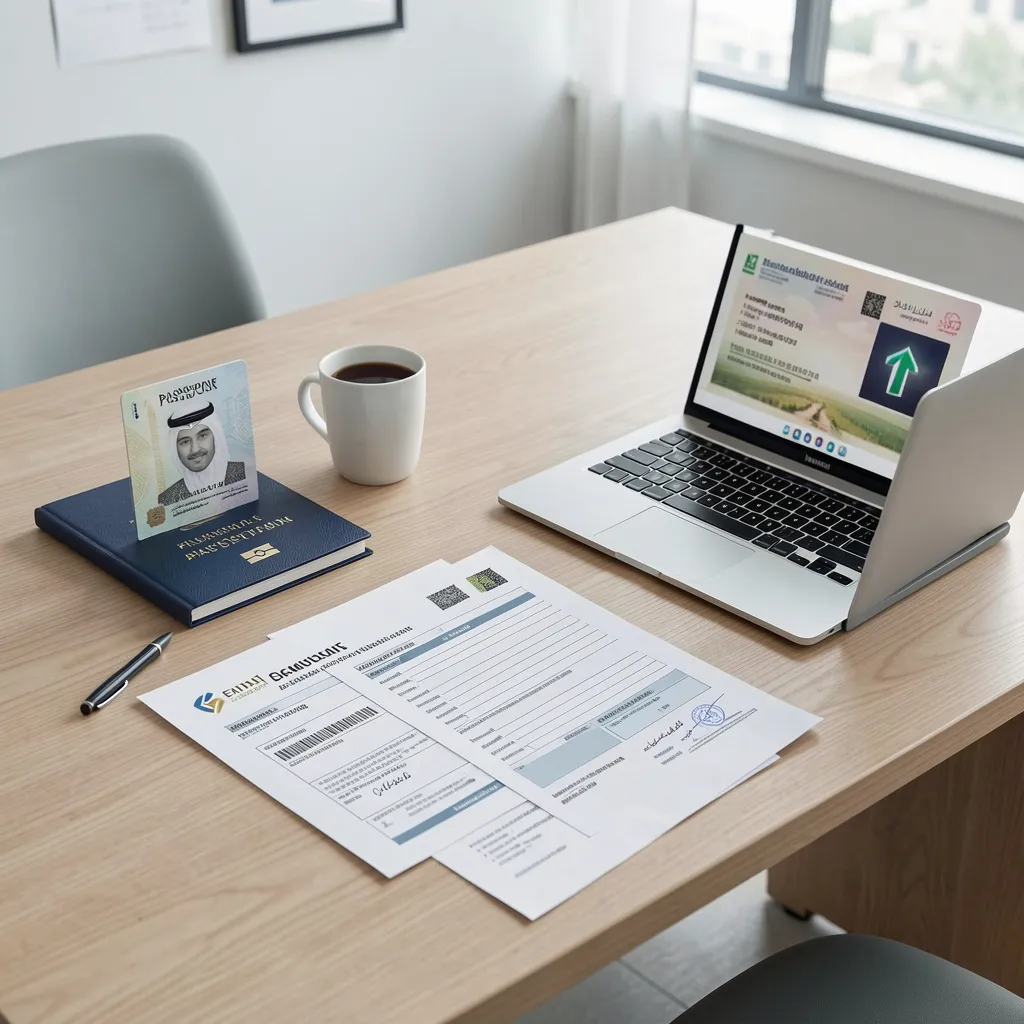
Tips for a Smooth RERA Certificate Application Process
Getting your RERA certificate might seem like a lot, but a little preparation goes a long way. Think of it like packing for a trip – if you forget something important, you’ll likely run into trouble later. So, let’s talk about making this process as easy as possible.
First off, get your paperwork in order well before you need it. This means having all your financial statements, business licenses, and any other required documents ready and organised. Missing or incorrect documents are probably the biggest reason for delays. It’s not just about having them; they need to be accurate and up-to-date. If you’re unsure about what exactly is needed, check the official RERA or Dubai Land Department (DLD) website, or even better, ask someone who’s been through it.
Here’s a quick checklist of common documents you’ll likely need:
- Company Trade License
- Memorandum of Association (if applicable)
- Passport and Visa copies for key personnel
- The previous year’s audited financial statements
- Proof of RERA registration or relevant permits
Another smart move is to choose the right people to help you. If you need an audit, make sure you hire a firm that’s certified by RERA and has experience with real estate businesses. Not all auditors are the same, and picking one who knows the ins and outs of RERA regulations can save you a lot of headaches. They can spot potential issues before they become big problems.
Don’t wait until the last minute to submit your application. Deadlines are deadlines, and missing them can lead to fines or having to start the whole process over. Keep track of submission dates and aim to get everything in early. It gives you breathing room if something unexpected pops up.
Sometimes, the simplest advice is the best: read all instructions carefully. RERA has specific guidelines, and understanding them upfront will prevent missteps. Don’t assume you know what’s required; verify it.
Finally, stay in communication. If you’re working with an agent or an auditing firm, keep the lines of communication open. Ask questions if you’re unclear about anything. A proactive approach means you’re less likely to be surprised by requirements or delays. It’s all about being prepared and staying informed.
Getting your RERA certificate doesn’t have to be a headache. We’ve put together some simple steps to make sure your application goes smoothly. Avoid common mistakes and get your certificate faster. Ready to start? Visit our website for more details and to begin your application today!
Why Choose Ripple Business Setup for Your RERA Certificate
Getting a RERA certificate sounds simple on paper, but people mess it up all the time. Wrong documents, delayed approvals, failed exams, wasted money. Ripple Business Setup handles the process end-to-end so you don’t learn the hard way.
Ripple Business Setup assists with:
- RERA registration and training enrollment
- Document preparation and submission
- DLD Trakheesi portal support
- End-to-end guidance until certificate issuance
For professional support, contact Ripple Business Setup at +971 50 593 8101, email info@ripplellc.ae, or WhatsApp +971 4 250 0833. One clear conversation saves weeks of back and forth.
Wrapping Up Your RERA Journey
So, getting that RERA certificate might seem like a bit of a process, with all the steps from getting your visa to passing the exam. But honestly, it’s pretty straightforward if you just take it one step at a time. Having that certificate really does make a difference, giving you that official nod and making clients feel more comfortable working with you. It’s basically your ticket to operating legally and building a solid reputation in Dubai’s busy real estate scene. Stick to the plan, get your paperwork sorted, and you’ll be good to go.
Frequently Asked Questions
What exactly is a RERA Certificate?
Think of a RERA certificate as an official stamp of approval for real estate businesses and professionals in Dubai. It’s issued by the Real Estate Regulatory Agency (RERA) and basically says that you’re playing by the rules and are a legitimate operator in the Dubai property market. It’s super important for building trust and showing you’re serious about your business.
Why is having this RERA certificate so important?
Getting a RERA certificate is a big deal because it makes your business look credible and trustworthy to clients. It also means you’re following all the important laws designed to protect everyone involved in real estate deals – buyers, sellers, and renters. Plus, having it can unlock access to important services from the Dubai Land Department and even get your business listed on the RERA website, which is great for getting noticed.
Do I really need a RERA certificate to work in real estate here?
Yes, if you’re planning to be a property developer, a real estate agent, or even a property owner involved in certain types of deals in Dubai, you’ll likely need a RERA certificate or license. It’s the standard way to show you’re authorised to operate legally and professionally in the city’s real estate scene.
What are the main steps to get a RERA certificate?
The path to getting your RERA certificate usually involves a few key steps. First, you’ll need a residency visa for Dubai. Then, you’ll apply to the Dubai Land Department, complete the required training from the Dubai Real Estate Institute (DREI), and pass their exam. Once you’ve got that, you can apply for your official license.
What kind of documents do I need to gather?
You’ll need to have a few things ready, like a copy of your passport and residency visa, passport-sized photos, and proof that you’ve completed the RERA training and passed the exam. Sometimes, you might also need a certificate of good conduct from the Dubai police or a No Objection Certificate (NOC), depending on your situation.
Are there different kinds of RERA certificates?
Yes, there are! You might hear about an ‘Oqood Certificate’, which is for off-plan properties, a ‘Title Deed’, which is the official proof of property ownership, and a ‘No Objection Certificate’ (NOC), which is needed for certain property transactions. Each serves a different purpose in the real estate process.
Disclaimer: This article is for informational purposes only. Regulations, fees, and requirements may change based on Dubai Land Department updates. Always confirm with official authorities or professional consultants before proceeding.