Thinking about how to keep your assets safe and make sure they go where you want them to? It’s a big deal, especially with all the uncertainty out there. You’ve probably heard about different ways to protect your wealth, and one option that keeps popping up is a DIFC Trust. It sounds fancy, but really, it’s just a structured way to manage and shield your money and other valuable things. This article breaks down why a DIFC Trust might be the right move for you.
What is a DIFC Trust?
So, what exactly is a DIFC Trust? Think of it as a formal arrangement, not a company itself, where someone (the trustee) holds onto assets for the benefit of others (the beneficiaries). It’s a way to manage and protect wealth, especially for families looking to pass it down through generations or for individuals wanting to safeguard their assets.
These trusts are established within the Dubai International Financial Centre (DIFC), a major financial hub. This location is important because it means the trust operates under a legal system based on English common law, which is pretty well-understood globally. This gives a good level of certainty about how things will be handled.
Here’s a quick rundown of what makes them tick:
- It’s an Agreement: A DIFC Trust isn’t a separate legal entity like a company. It’s more like a contract. The trustee has the legal responsibility for the assets, but the beneficiaries have rights to them.
- Global Standing: Because the DIFC is a recognized international financial center, trusts set up here tend to be respected in many other countries. This is a big deal when you’re dealing with assets or beneficiaries in different parts of the world.
- Asset Management: The trustee is in charge of managing the assets according to the rules laid out when the trust was created. This can involve investments, distributions, and generally looking after the wealth.
Essentially, a DIFC Trust is a tool for structured wealth management and protection, benefiting from the stable and reputable environment of the Dubai International Financial Centre.
Setting up a trust involves careful planning to make sure it aligns with your specific goals for asset protection and wealth transfer. It’s about creating a clear plan for your assets.
Key Benefits of Establishing a DIFC Trust
Setting up a trust in the Dubai International Financial Centre (DIFC) comes with a bunch of advantages, especially if you’re looking to protect your assets and plan for the future. It’s not just about putting your money somewhere safe; it’s about having a solid structure that works for you. Let’s break down why a DIFC trust might be the right move.
Reason 1: Robust Legal Framework and Regulation
The DIFC operates on a common law system, which is pretty standard and well-understood globally. This means there’s a clear set of rules and regulations in place, giving you a good level of certainty about how things will work. It’s not some fly-by-night operation; it’s a regulated financial hub. This legal backing is a big part of the benefits of Dubai trust structures.
Reason 2: Enhanced Asset Protection and Privacy
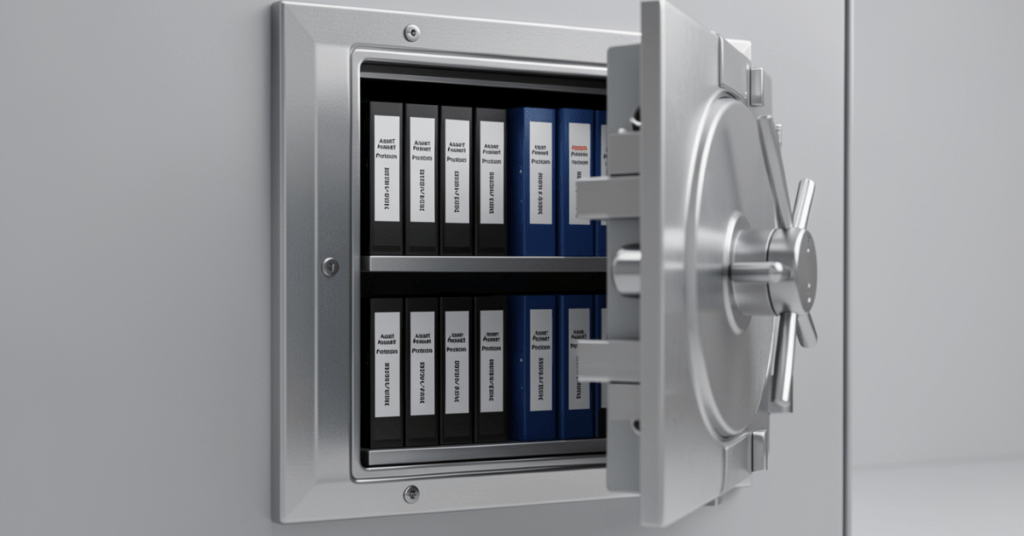
One of the main draws of a DIFC trust is how it shields your assets. When you put assets into a trust, they are legally separated from your personal holdings. This separation can protect your wealth from creditors, potential lawsuits, or even family disputes. Plus, the details of the trust, including who the beneficiaries are and what assets are involved, are generally kept private. This is a significant plus for individuals who value discretion.
The legal framework in the DIFC provides a secure environment for wealth management, separating personal liabilities from the assets held within the trust structure.
Reason 3: Tax Efficiency and Favorable Regimes
While specific tax advice should always be sought, the DIFC generally offers a favorable tax environment. For assets held within the DIFC, there are typically no taxes on income, capital gains, or inheritance. This can make a big difference in how much of your wealth is preserved and passed on. It’s one of the attractive benefits of Dubai trust structures for international clients.
Reason 4: Succession Planning and Wealth Transfer

Planning for what happens to your assets after you’re gone can be complicated. A DIFC trust can simplify this process significantly. You can set clear instructions on how your assets should be managed and distributed to your beneficiaries, ensuring your wishes are followed. This makes for a smoother transfer of wealth across generations, maintaining your legacy.
Reason 5: Access to Global Markets and Expertise
Being in the DIFC means you’re in a globally recognized financial center. This gives you access to a wide range of financial services, investment opportunities, and professional expertise. It’s a well-connected hub, which can be really helpful if you have international assets or business interests. The legal advantages of DIFC trusts are amplified by this global reach and the availability of skilled professionals.
Who Can Benefit from a DIFC Trust?
So, who exactly should be looking into setting up a DIFC Trust? Honestly, it’s a pretty broad group, but it really shines for individuals and families who are serious about protecting their assets and planning for the long haul. Think high-net-worth individuals (HNWIs) and ultra-high-net-worth individuals (UHNWIs) – people who have accumulated significant wealth and want to make sure it’s shielded from potential problems.
It’s also a smart move for:
- Business Owners: If you’ve built a successful business, a trust can help protect those company assets and ensure a smooth handover to the next generation or designated successors. It keeps business wealth separate from personal liabilities.
- Families with Complex Structures: For families with members in different countries, or those who want to set clear rules for how wealth is distributed over time, a trust provides that structure. It’s about making sure your wishes are followed, even years down the line.
- Individuals Seeking Privacy: If keeping your financial affairs private is a priority, DIFC Trusts offer a high degree of confidentiality. The details of your assets and beneficiaries aren’t made public, which is a big plus for many.
- Those Planning for Succession: This is a huge one. Whether it’s for your children, grandchildren, or even charitable causes, a trust is a solid tool for passing on wealth in a controlled and tax-efficient manner.
Basically, if you’ve worked hard to build your wealth and want a reliable way to safeguard it, manage its distribution, and plan for the future, a DIFC Trust is definitely worth considering. It’s not just for the super-rich; it’s for anyone who values security and thoughtful legacy planning.
Setting up a DIFC Trust is about more than just protecting money; it’s about preserving a legacy and providing for loved ones according to your specific intentions, all within a well-regulated and globally recognized framework.
How to Set Up a DIFC Trust
Thinking about setting up a trust in DIFC? It’s a solid move for protecting your assets. While it might sound complicated, the process is actually pretty straightforward, especially when you know what to expect. It’s not like trying to assemble flat-pack furniture without instructions, thankfully.
Here’s a general rundown of what’s involved in setting up a trust in Dubai, specifically within the DIFC framework:
- Get Professional Advice: First off, you’ll want to chat with experts who know their way around offshore trust services in the UAE. They can guide you through the specifics and make sure you’re ticking all the right boxes. Think of them as your navigators.
- Choose Your Trustee: You need to select a trustee. This is the person or entity that will legally hold and manage the trust assets for the benefit of your beneficiaries. They need to be trustworthy, obviously, and often professional trust companies are used for this.
- Draft the Trust Deed: This is the main legal document. It outlines everything: who the beneficiaries are, what assets are being placed in the trust, how the assets should be managed and distributed, and the powers of the trustee. It’s basically the rulebook for your trust.
- Appoint Beneficiaries: Clearly define who will benefit from the trust. This could be family members, charities, or other individuals or entities.
- Transfer Assets: Once the trust deed is finalized and signed, you’ll transfer the assets you want to protect into the name of the trustee. This is when the asset protection really kicks in.
- Registration (if applicable): While a trust itself isn’t a separate legal entity like a foundation, certain assets or activities might require specific registrations within the DIFC.
The whole point of setting up a trust in DIFC is to create a clear, legally sound structure for your wealth. It’s about making sure your assets are protected and managed according to your wishes, even when you’re not around to oversee things directly. It’s a proactive step for peace of mind.
Remember, while the steps are generally consistent, the exact details can vary based on your specific situation and the complexity of the assets involved. That’s why working with experienced professionals is so important for setting up a trust in DIFC.
Common Use Cases for DIFC Trusts
So, what exactly do people use DIFC Trusts for? It turns out there are quite a few practical applications, especially if you’re looking for solid offshore trust services.
Think of it this way: a DIFC Trust isn’t just some abstract legal concept; it’s a tool people use for real-world financial planning. Here are some of the most common scenarios:
- Protecting Family Wealth: This is a big one. Families use DIFC Trusts to keep their assets safe from potential creditors, lawsuits, or even just family disputes that might arise down the line. It’s about making sure the wealth stays within the family and is managed according to the founder’s wishes.
- Succession Planning: Planning for who gets what after you’re gone can be complicated. A DIFC Trust lays out a clear path for how assets should be distributed to beneficiaries, often across different generations, without the usual headaches of probate or lengthy legal processes.
- Managing Investments: For individuals with significant investments, a trust can provide a structured way to manage those assets. The trustee handles the day-to-day management, making investment decisions based on the trust’s guidelines, which can be particularly useful if the beneficiaries aren’t experienced investors.
- Philanthropic Goals: Setting up a trust can also be a way to support charitable causes. You can designate funds to be used for specific charities or ongoing philanthropic efforts, ensuring your generosity continues even after you’re no longer around.
- Holding Specific Assets: Sometimes, people use trusts to hold particular assets, like property or shares in a business. This can simplify the management and transfer of these specific items, keeping them separate from other personal assets.
The core idea behind using a DIFC Trust for these purposes is to create a secure, private, and legally sound structure that separates your assets from your personal liabilities, ensuring they are managed and distributed according to your specific instructions.
These trusts are popular because they offer a good balance of control for the person setting up the trust (the settlor) and protection for the beneficiaries, all within a well-regulated international financial center.
Securing Your Assets with a DIFC Trust

When it comes to protecting what you’ve worked hard to build, a DIFC Trust really stands out. It’s more than just a legal document; it’s a solid plan for keeping your wealth safe, especially if you’re thinking about asset protection in Dubai or need robust offshore asset protection. This structure is designed to shield your assets from potential creditors, legal challenges, or even unexpected family disputes. It’s a smart move for anyone serious about wealth management DIFC, and international estate planning.
Here’s a quick look at how a DIFC Trust helps secure your assets:
- Separation of Assets: Assets placed in a trust are legally distinct from your personal holdings. This means they aren’t typically liable for your personal debts or legal judgments, offering a strong layer of protection for your family assets.
- Professional Management: Trustees, who are legally bound to act in the best interests of the beneficiaries, manage the trust assets. This professional oversight helps prevent mismanagement and ensures assets are handled according to your wishes.
- Privacy: Unlike some other structures, the details of a DIFC Trust, including its assets and beneficiaries, are not publicly registered. This maintains a high level of confidentiality, which is often a key concern for individuals focused on protecting family assets.
- Succession Certainty: A DIFC Trust provides a clear roadmap for how your wealth will be transferred to future generations, aligning with your estate planning DIFC goals and ensuring your legacy is preserved.
Setting up an offshore trust for asset protection in Dubai through the DIFC framework offers a blend of legal certainty and practical security. It’s a well-regarded method for wealth preservation and cross-border estate planning, giving peace of mind that your assets are protected within the UAE trusts system.
Choosing a DIFC Trust is a proactive step towards safeguarding your financial future and that of your loved ones. It’s a key component for sophisticated asset protection Dubai strategies and a reliable tool for international estate planning.
Thinking about how to keep your valuable things safe? A DIFC Trust can be a smart way to protect your assets. It’s like building a strong box for your important belongings, making sure they are handled just the way you want. Want to learn more about how this works and if it’s right for you? Visit our website today to get all the details!
How Ripple Business Setup Supports DIFC Trust Formation for Asset Protection
Our team manages the process of establishing a DIFC Trust by handling documentation, legal structuring, and regulatory procedures in line with UAE requirements. We guide you through trust formation steps, compliance formalities, and asset protection planning to ensure everything is completed accurately and efficiently. We also support proper structuring aligned with current 2026 regulations. For assistance, contact us at +971 50 593 8101, email info@ripplellc.ae, or WhatsApp +971 4 250 0833.
Frequently Asked Questions
What exactly is a DIFC Trust?
Think of a DIFC Trust as a special agreement. Someone (the settlor) gives their money or property to a trusted person or group (the trustee). The trustee then manages this money or property for the benefit of other people (the beneficiaries), following the rules set by the settlor. It’s a way to protect and manage assets for the future.
Why is a DIFC Trust good for protecting my assets?
When you put your assets into a DIFC Trust, they become legally separate from your own personal belongings. This means if someone tries to sue you or if you have debts, your assets in the trust are generally safe from those claims. It acts like a shield for your wealth.
Is my information kept private with a DIFC Trust?
Yes, privacy is a big deal with DIFC Trusts. The details about who owns the trust, what assets are in it, and who the beneficiaries are are not made public. This helps keep your financial matters confidential, which is great for many families and individuals.
Can a DIFC Trust help me plan for when I’m gone?
Absolutely! DIFC Trusts are excellent for planning what happens to your wealth after you’re no longer around. You can clearly state how you want your assets to be passed down to your loved ones or used for specific purposes, making the process smoother and preventing arguments.
Are there any tax benefits to using a DIFC Trust?
The DIFC offers a tax-friendly environment. For assets held within a DIFC Trust, there are typically no taxes on income, capital gains, or inheritance. This can make your wealth management and passing it on to others much more efficient financially.
Who usually uses a DIFC Trust?
DIFC Trusts are often used by people with significant wealth, families who want to protect their assets for future generations, business owners planning their succession, and individuals who value privacy and tax efficiency in managing their money.
Disclaimer: This content is for general informational purposes only and does not constitute legal, financial, or asset protection advice. Regulations and requirements may change. Always confirm details with official authorities or a qualified professional before making decisions.