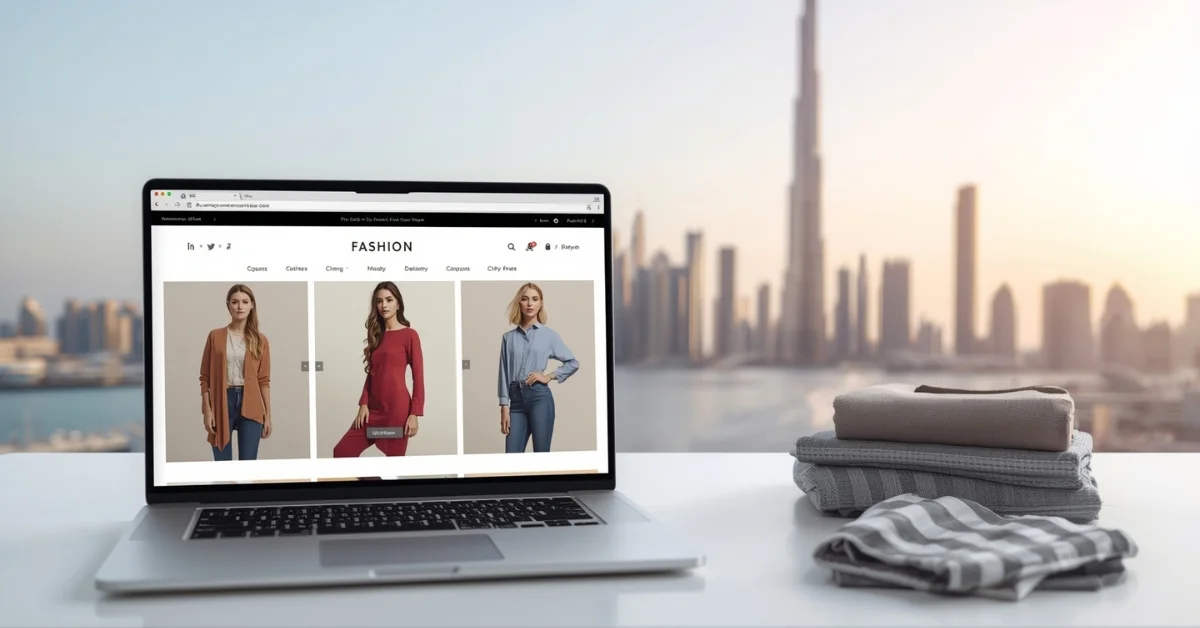
Dubai has become one of the fastest-growing hubs for e-commerce in the Middle East. With high internet penetration, strong logistics infrastructure, and a fashion-conscious population, launching an online clothing business in Dubai is now more accessible than ever. From Instagram boutiques to full-scale Shopify stores, fashion entrepreneurs are building profitable brands across the UAE and beyond.
Why Dubai Is Ideal for an Online Clothing Business
Dubai offers a unique mix of digital readiness, consumer spending power, and business-friendly policies. These factors make it an attractive location for online fashion brands.
The UAE has seen steady growth in e-commerce due to strong government support for digital transformation. Online shopping adoption accelerated after 2020 and continues to grow, especially in fashion and lifestyle categories.
Fashion spending per capita in Dubai is among the highest in the region. Consumers actively shop for modest fashion, streetwear, luxury apparel, and kidswear. This demand supports both niche and mass-market clothing brands.
From a business perspective, Dubai offers a tax-friendly environment. There is 0% personal income tax, and many online businesses can operate efficiently with manageable VAT obligations.
Dubai also acts as a gateway to the GCC. An online clothing store based in Dubai can easily serve customers in Saudi Arabia, Kuwait, Qatar, and beyond. Efficient ports, airports, and fulfillment centers make cross-border shipping faster and more reliable.
Many small fashion brands already use Instagram and Shopify to sell across the UAE and Saudi Arabia, proving that the market supports both new and growing online clothing businesses.
Choose the Right Business Model for Your Online Clothing Brand
Before applying for a license, you must decide how your clothing business will operate. The right model affects costs, inventory, and scalability.
1. Private Label Clothing Brand
A private label model involves manufacturing or sourcing custom-designed clothing under your own brand name. You control fabric, sizing, packaging, and branding.
This model offers higher profit margins and a stronger brand identity. However, it requires more upfront investment and supplier coordination.
2. Dropshipping Clothing Business
Dropshipping allows you to sell clothes online without holding inventory. Products ship directly from suppliers to customers.
This model enables faster launch and lower startup costs. It is suitable for testing trends, but margins can be lower, and supplier reliability is critical.
3. Print-on-Demand Apparel
Print-on-demand focuses on custom designs printed on items like t-shirts, hoodies, and caps after an order is placed.
This model works well for influencers, niche communities, and creators. Inventory risk stays low, and designs can change quickly based on demand.
4. Reselling or Online Boutique
Reselling involves sourcing ready-made clothing from wholesalers and selling through your own online store.
This approach suits trend-based collections and seasonal fashion. Many entrepreneurs start their online clothing business in Dubai using this model due to its flexibility.
Legal Requirements to Start an Online Clothing Business in Dubai
Understanding legal requirements early helps you avoid delays and penalties.
1. Do You Need a License to Sell Clothes Online in Dubai?
Yes, an e-commerce license is mandatory to sell clothing online in Dubai. This applies whether you sell through a website, Instagram, WhatsApp, or online marketplaces.
Operating without a valid license can lead to fines and account shutdowns by payment gateways or marketplaces.
2. Types of Licenses Available
You can choose from several licensing options depending on your business structure:
- Mainland eCommerce license
- Free zone eCommerce license
- Home-based business permits (available in limited cases)
Each option has different costs, ownership rules, and operational flexibility.
3. Approved Business Activities
When applying, you must select the correct activity. Common approved activities include:
- Online clothing trading
- Garments trading
- Fashion accessories trading
Choosing the wrong activity can restrict your operations later.
Mainland vs Free Zone – Which Is Better for Online Clothing Businesses?
Both options work well, but the right choice depends on your target market and budget.
| Factor | Mainland | Free Zone |
| Ownership | 100% foreign ownership | 100% foreign ownership |
| Setup Cost | Generally higher | Often more affordable |
| UAE Market Access | Direct selling allowed | May need local distributor |
| Customs & VAT | Direct handling | Simplified in many zones |
| Payment Gateways | Easy access | Easy access |
Expert Tip: Free zones are popular for online clothing startups targeting both UAE and international customers due to lower setup costs and bundled packages.
Step-by-Step Process to Start an Online Clothing Business in Dubai
Step 1 – Finalize Your Brand & Niche
Choose a clear niche to stand out in a competitive market. Popular segments include:
- Modest fashion
- Streetwear
- Kidswear
- Luxury or budget clothing
A focused niche helps with branding and marketing.
Step 2 – Choose a Business Name
Your business name must follow UAE naming rules. Avoid offensive language, religious references, and names of government bodies.
The name should align with your brand identity and be easy to remember online.
Step 3 – Apply for an eCommerce License
You will typically need:
- Passport copy
- Visa copy (if available)
- Business name options
- Activity selection
License approval usually takes a few working days, depending on the authority.
Step 4 – Open a Corporate Bank Account
A local corporate bank account helps you receive payments smoothly and integrate payment gateways. Banks may request your license, business plan, and shareholder details.
Step 5 – Build Your Online Store
You can launch your store using platforms such as:
- Shopify
- WooCommerce
- Wix
Many sellers also use marketplaces like Amazon UAE and Noon to increase reach.
Cost to Start an Online Clothing Business in Dubai
Costs vary based on your setup, but transparency helps with planning.
Approximate cost components include:
- Trade license fees
- Visa costs (if required)
- Website design and development
- Payment gateway setup
- Marketing and branding budget
Free zone packages often bundle licensing and visas, while mainland setups may cost more initially.
Setting Up Payments, Shipping, and Logistics
1. Payment Gateways in UAE
Reliable payment options build customer trust. Popular gateways include:
- Stripe
- Telr
- PayTabs
- Cash on Delivery (still widely used)
Offering multiple payment options improves conversion rates.
2. Shipping & Fulfillment Options
You can work with:
- Local courier companies
- Third-party fulfillment centers
- Same-day or next-day delivery services
Fast delivery is a strong competitive advantage in Dubai.
VAT & Tax Compliance for Online Clothing Businesses
VAT registration becomes mandatory once your taxable turnover crosses the official threshold set by UAE authorities.
Most clothing sales attract VAT, so proper invoicing and record-keeping are essential. Even small online stores must track sales accurately.
The UAE has introduced corporate tax for certain businesses. While many small eCommerce businesses may fall below thresholds or qualify for exemptions, professional advice helps ensure compliance.
Marketing Your Online Clothing Business in Dubai
1. Social Media Marketing
Social platforms drive fashion sales in the UAE. Focus on:
- Instagram Reels
- TikTok fashion content
- Influencer collaborations
Visual storytelling and short videos perform especially well.
2. SEO for Fashion e-Commerce
Search visibility builds long-term growth. Focus on:
- Optimized product titles and descriptions
- Local SEO targeting UAE searches
- Blog content around fashion trends and styling tips
SEO reduces reliance on paid ads over time.
3. Paid Ads
Paid campaigns can accelerate growth when used carefully. Common channels include:
- Meta Ads (Facebook and Instagram)
- Google Shopping Ads
Testing and optimization are key to profitability.
Common Mistakes to Avoid When Starting an Online Clothing Business in Dubai
Many new entrepreneurs face similar challenges. Avoid these common mistakes:
- Choosing the wrong license activity
- Ignoring VAT and compliance obligations
- Working with unreliable suppliers
- Underestimating shipping and return costs
- Using poor-quality product photos
Planning early helps you avoid expensive corrections later.
How Professional Business Setup Support Can Help
Professional support from Ripple Business Setup can make starting your online clothing business in Dubai much simpler and more secure. Ripple Business Setup assists with selecting the right eCommerce license, choosing between mainland or free zone options, handling documentation, bank account support, VAT registration, and ongoing compliance. Their experienced team understands UAE regulations and helps you avoid common setup mistakes while saving time and cost. If you want clear guidance and a smooth launch, you can contact Ripple Business Setup for a consultation via +971 50 593 8101 or +971 4 250 0833 and get end-to-end support tailored to your online clothing business goals.
Conclusion
Starting an online clothing business in Dubai offers strong growth potential when you combine the right business model, legal setup, and marketing strategy. With high digital adoption, efficient logistics, and a fashion-driven market, Dubai provides a solid foundation for online fashion brands. Careful planning and regulatory compliance from the beginning can help you build a sustainable and scalable business with confidence.
Disclaimer: This content is for general informational purposes only and does not constitute legal, tax, or business advice. Regulations may change, so professional guidance is recommended before making decisions.