E-invoicing is becoming a key part of tax compliance in the UAE. The UAE Tax Authority is moving toward digital systems to improve accuracy, transparency, and reporting efficiency. Businesses that prepare early can avoid last-minute stress, reduce errors, and stay aligned with future regulations.
What Is E-Invoicing in the UAE
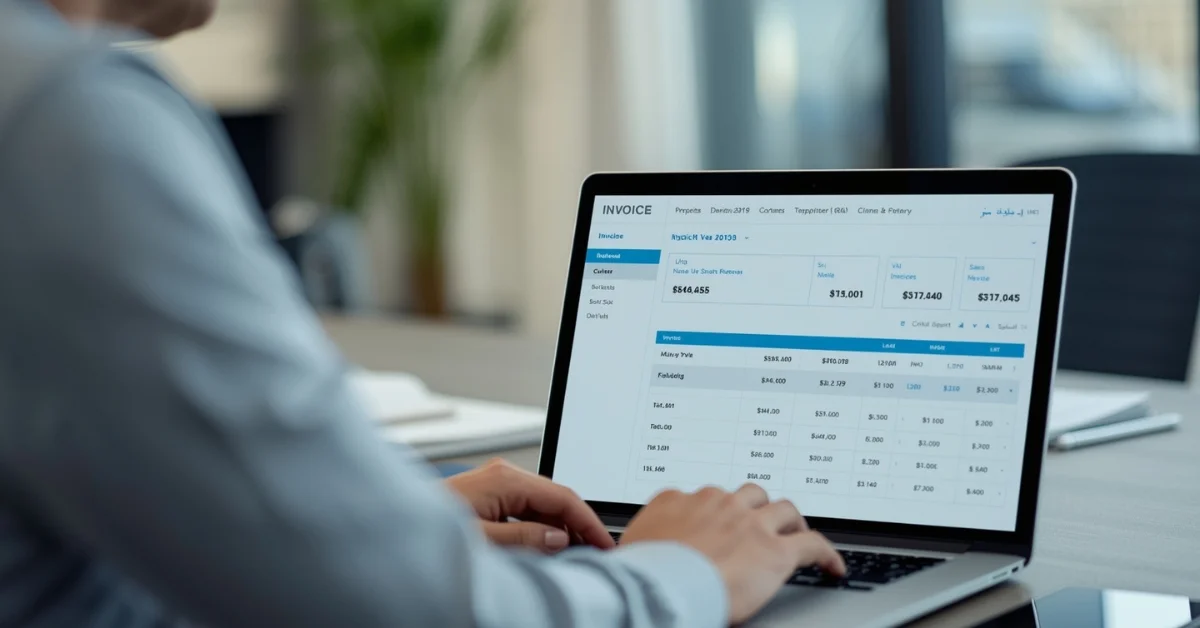
E-invoicing in the UAE means issuing invoices in an electronic, structured format instead of on paper or in unstructured PDFs. These invoices contain standard data fields that systems can read, store, and report easily.
Traditional invoices often exist as paper copies or scanned files. They work for basic record keeping, but create problems during VAT reporting and audits. An electronic invoicing system records invoice data in a digital format that supports automation and accuracy.
In simple terms, digital tax invoices in the UAE help businesses send, store, and report invoice data in a way that aligns with modern tax systems. This shift supports better VAT compliance and reduces manual work.
Why the UAE Tax Authority Is Introducing E-Invoicing
The UAE Tax Authority is strengthening digital tax compliance across all sectors. E-invoicing plays a major role in this plan. It allows better tracking of transactions and improves the quality of VAT data submitted by businesses.
One key reason is transparency. Structured invoices reduce the risk of underreporting or invoice manipulation. They also help detect errors early, which protects both businesses and the tax system.
Another reason involves alignment with global tax practices. Many countries now use digital invoicing to improve VAT compliance. The FTA e-invoicing framework helps the UAE stay competitive while ensuring fair tax reporting.
Who Needs to Set Up E-Invoicing in the UAE
All VAT-registered businesses in the UAE should prepare for e-invoicing. This includes mainland companies and most free zone entities that fall under VAT rules.
Small and medium businesses often think e-invoicing only affects large companies. That is not true. Even a small trading company that issues VAT invoices daily must follow UAE companies’ e-invoicing requirements once they apply.
Cross-border traders and businesses handling high invoice volumes should prepare early. Mandatory e-invoicing in the UAE will affect invoicing processes, software choices, and reporting workflows across all business sizes.
E-Invoicing Rollout Timeline in the UAE
The UAE e-invoicing project is progressing in planned phases. While full enforcement happens in stages, the direction is clear. Digital invoicing will become a standard requirement.
The FTA e-invoicing phases focus first on system readiness and data standards. Later phases will emphasize reporting and real-time data exchange.
Businesses that wait until the final stage may face rushed system changes. Early preparation helps test systems, train staff, and avoid disruptions when deadlines arrive.
Key Requirements to Set Up E-Invoicing with UAE Tax Authority
1. Technical Requirements
To set up e-invoicing, your system must support structured invoice formats. These formats allow invoice data to move smoothly between systems.
Your accounting or ERP software should integrate with e-invoicing standards. This integration reduces manual data entry and improves accuracy.
Secure data storage also matters. Businesses must protect invoice data from loss or unauthorized access while keeping it available for audits.
2. Legal and Tax Requirements
Invoices must follow the VAT invoice format UAE rules. This includes required fields such as the tax registration number, invoice date, taxable amount, and VAT amount.
Record retention rules require businesses to store invoices for the required period. E-invoicing systems should allow easy retrieval during audits.
Meeting e-invoicing requirements UAE helps ensure full compliance with FTA compliance rules and avoids penalties.
Step-by-Step Guide to Set Up E-Invoicing
Step 1: Review Your Current Invoicing Process
Start by reviewing how you create and store invoices today. Manual invoices or basic templates often lack required data fields. Identify gaps in VAT details, numbering, and storage. This review helps you understand what needs to change before you set up e-invoicing fully.
Step 2: Choose an E-Invoicing Ready Software
Select accounting or ERP software that supports electronic invoicing systems. The software should handle VAT rules and structured data formats. Avoid choosing tools that only generate PDFs without structured data. The goal is compliance, not just digital appearance.
Step 3: Configure VAT and Invoice Data Fields
Set up all mandatory VAT fields correctly. This includes TRN numbers, VAT rates, invoice sequences, and customer details. Accurate configuration reduces VAT invoice errors UAE businesses often face during audits.
Step 4: Test Invoice Generation and Storage
Test invoices internally before full rollout. Check accuracy, formatting, and storage access. Testing helps catch issues early and ensures smooth daily operations once the system goes live.
Step 5: Align with UAE Tax Authority Guidelines
Stay updated with official guidance from the UAE Tax Authority. Regulations may evolve as e-invoicing expands. Regular reviews ensure your system remains compliant as rules change.
Common Mistakes Businesses Make During E-Invoicing Setup
Many businesses use invoice formats that do not meet compliance standards. Missing VAT fields or incorrect calculations can lead to penalties.
Data security often gets overlooked. Weak systems increase the risk of data loss or unauthorized access.
Some businesses delay system upgrades until deadlines approach. This increases errors and operational stress. Early preparation avoids these e-invoicing compliance issues.
Benefits of Setting Up E-Invoicing Early
- Faster VAT reporting as invoice data flows directly into tax reports
- Lower audit risk due to clear, structured, and traceable invoice records
- Fewer errors in VAT calculations and invoice details
- Smoother VAT audits with quicker access to accurate data
- Reduced follow-up queries from the Federal Tax Authority
- Better cash flow tracking through real-time invoice visibility
- Improved internal control over invoicing and record-keeping
- Less pressure during regulatory changes and compliance deadlines
How E-Invoicing Impacts VAT Audits and Reporting
E-invoicing simplifies VAT audits by providing clear and organized data. Auditors can review records faster with fewer questions.
Accurate invoices improve VAT return preparation. Errors are reduced, and businesses submit returns with confidence.
Lower error rates mean fewer penalties. This makes e-invoicing a practical tool for long-term VAT compliance that UAE businesses rely on.
Do You Need Professional Help to Set Up E-Invoicing
Some businesses manage setup internally, especially with simple invoicing needs. Others benefit from expert support. Professional help makes sense when operations involve multiple systems, high invoice volumes, or complex VAT structures. Advisors also track regulatory updates so businesses stay compliant without constant monitoring.
The goal is not complexity but accuracy and peace of mind.
How Ripple Business Setup Can Support E-Invoicing Readiness
Ripple Business Setup helps businesses prepare for e-invoicing with clear guidance and compliance checks. The team supports system readiness, VAT alignment, and regulatory understanding.
They also assist with ongoing compliance as rules evolve, helping businesses avoid surprises.
Contact Details
- Phone Number: +971 50 593 8101
- Email: info@ripplellc.ae
- WhatsApp Us: +971 4 250 0833
FAQ
1. Is e-invoicing mandatory in the UAE
E-invoicing is being introduced in phases. VAT-registered businesses should prepare, as it becomes mandatory under UAE Tax Authority regulations.
2. Does e-invoicing replace VAT returns
No. Businesses must still file VAT returns. E-invoicing supports accurate data collection for reporting.
3. Can small businesses use simple software
Yes. Many accounting tools support basic electronic invoicing. The key is compliance with VAT and data standards.
Conclusion
E-invoicing is not just a technical change. It is a shift toward smarter tax compliance in the UAE. Businesses that prepare early gain control, accuracy, and confidence.
Taking time now to review systems and set up e-invoicing helps avoid rushed decisions later. Preparing today helps avoid last-minute compliance stress tomorrow.
Related Topic:
E-Invoicing in UAE: A Complete Setup Guide
E-Invoicing in UAE: What It Is and How It Works
Disclaimer: This content is for general information only and does not replace professional tax or legal advice. Regulations may change, so always confirm with an expert.