
Introduction
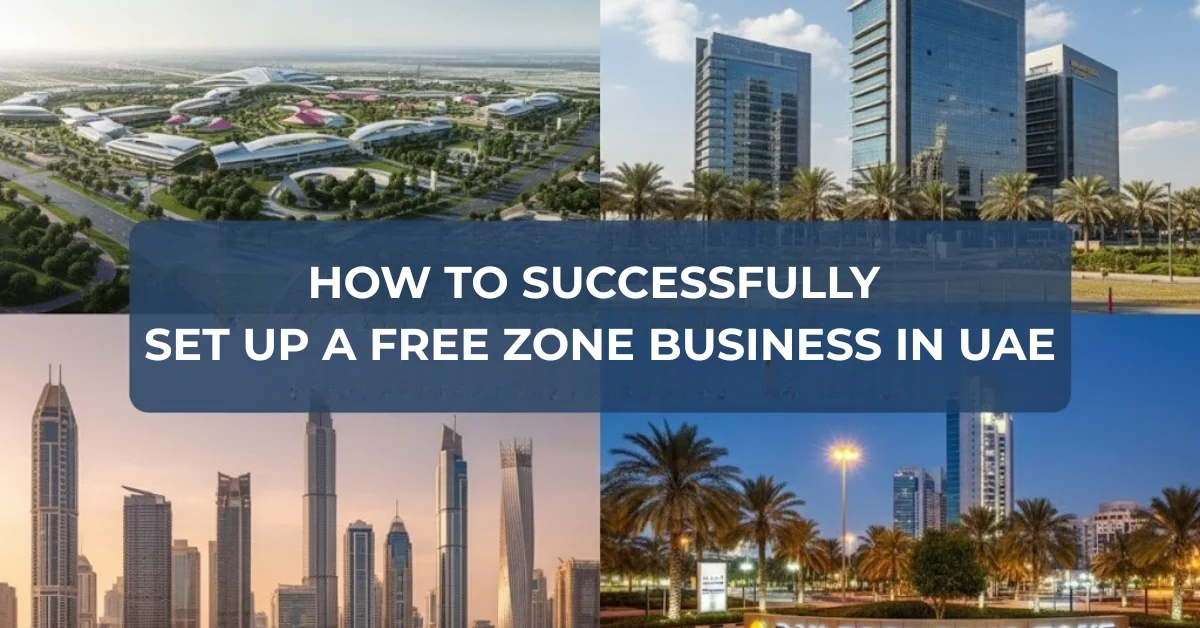
The UAE has established a strong reputation as one of the most favorable places in the world to start and grow a business. Its location connects Asia, Europe, and Africa, while its stable economy attracts investors from every region. For many entrepreneurs, setting up a Free Zone Business in UAE is the fastest and most flexible way to enter the market.
Free zones are popular among startups, SMEs, foreign investors, and freelancers who want full ownership and simple regulations. They offer clear rules, modern infrastructure, and faster licensing compared to many other jurisdictions.
What Is a Free Zone Business in UAE?
A free zone business is a company registered within a designated economic zone in the UAE. Each free zone is governed by its own authority and operates under specific regulations designed to attract foreign investment.
Free zones function independently from mainland business laws. They issue licenses, approve visas, and regulate business activities within their zone. This structure allows faster approvals and clearer compliance rules.
The key difference between a free zone and mainland regulation is market access. Free zone companies can operate internationally and within the free zone. To trade directly in the UAE mainland, they usually need a local distributor or a branch arrangement.
For example, a tech startup may register in a Dubai technology free zone to serve global clients. A trading company may choose a logistics-focused free zone near ports. Consultants and freelancers often prefer free zones that offer flexi-desk options.
Why Choose a Free Zone Business in UAE
One of the biggest advantages is 100 percent foreign ownership. You do not need a local sponsor or partner, which gives full control over operations and profits.
Free zones also offer tax benefits. Many provide customs duty exemptions on imports and exports within the zone. Profits and capital can be fully repatriated without restrictions.
The setup process is usually simple and quick. Many free zones issue licenses within days once documents are approved. Regulations are clear and business-focused, which reduces administrative burden.
These zones are built to support international businesses. They provide modern offices, warehouses, digital systems, and access to global markets under business-friendly rules.
Free Zone Business vs Mainland Business in UAE
1. Key Differences You Should Know
1. Ownership structure
Free zone companies allow full foreign ownership. Mainland companies may require different structures depending on activity, although many now allow full ownership as well.
2. Business activity limits
Free zone businesses must operate within approved activities and zones. Mainland companies can trade freely across the UAE.
3. Office and visa requirements
Free zones often offer flexible office options like flexi-desks. Mainland companies usually require physical office space.
4. Market access inside UAE
Free zone companies cannot directly trade with mainland customers without additional arrangements.
4. Tax and compliance
Both follow UAE tax laws, but free zones may qualify for special corporate tax treatment if conditions are met.
2. Who Should Choose a Free Zone Business
A Free Zone Business in UAE suits:
- Online businesses and e-commerce sellers targeting global markets
- Consultants and service providers with international clients
- Import-export and logistics companies
- Startups are testing the UAE market before expanding
Types of Free Zones in the UAE
Free zones can be grouped into three main categories.
- Industry-based free zones focus on specific sectors like technology, media, healthcare, or logistics. They offer tailored infrastructure and regulations.
- Multi-purpose free zones allow a wide range of activities under one authority. These are popular for SMEs and startups.
- Location-based free zones are built around ports, airports, or industrial areas to support trade and manufacturing.
Industry-Specific Free Zones in UAE
Technology and IT free zones support software development, fintech, and AI firms. Media and creative zones are designed for marketing, publishing, and content businesses.
Trading and logistics zones are located near ports and airports, making them ideal for import-export companies. Healthcare and education zones support clinics, training institutes, and research firms under regulated frameworks. Choosing the right industry-focused zone can reduce costs and speed up approvals.
Top Free Zones in UAE for Business Setup
1. Dubai Free Zones
- Strong global connectivity through major ports and airports
- Advanced infrastructure and digital business services
- High international brand value and market credibility
- Suitable for startups, tech companies, and global businesses
2. Abu Dhabi Free Zones
- Focus on innovation, technology, and industrial growth
- Support for long-term investment and large-scale projects
- Popular for research-driven and capital-intensive businesses
- Stable regulatory environment
3. Sharjah and Northern Emirates Free Zones
- Cost-effective setup and renewal options
- Ideal for SMEs, trading companies, and service providers
- Strategic access to ports and regional markets
- Lower operating costs while maintaining UAE credibility
4. Choosing the Right Location
- Match the free zone with your budget and activity
- Consider visa needs and office requirements
- Align the location with long-term business growth plans
Step-by-Step Guide to Set Up a Free Zone Business in UAE
Step 1: Choose the Right Business Activity
Every free zone has an approved list of activities. Your activity determines the license type and compliance rules. Choosing the wrong activity can delay approvals or limit operations later.
Step 2: Select the Best Free Zone
Consider your budget, office needs, visa requirements, and target market. Also, think about future expansion and whether the zone supports it.
Step 3: Decide the Legal Structure
- Free Zone Establishment (FZE) for a single shareholder
- Free Zone Company (FZCO) for multiple shareholders
- Branch office for existing local or foreign companies
Step 4: Reserve Trade Name
Trade names must follow UAE rules. They should not include restricted words or existing brand names. Approval usually takes a short time.
Step 5: Apply for Free Zone Business License
Submit the application with the required documents. Approval timelines vary, but many free zones issue licenses within one to two weeks.
Step 6: Lease Office or Flexi-Desk
Options range from physical offices to shared desks. Some free zones allow virtual offices depending on activity.
Step 7: Apply for UAE Residence Visa
Business owners can apply for investor visas. Companies can also sponsor employee and dependent visas based on allocated quotas.
Step 8: Open a Corporate Bank Account
Banks require proper documentation, business details, and due diligence checks. Preparation helps avoid delays.
Documents Required for Free Zone Business Setup
- Passport copies of all shareholders and directors
- UAE visa status or entry stamp, if applicable
- Recent passport-size photographs
- Shareholder and director details
- Proof of address, if required by the free zone
- Business plan, required for some regulated or special activities
- No objection certificate, if the applicant holds a UAE visa under another sponsor
- Complete and accurate documents help avoid delays and speed up approvals
Cost of Setting Up a Free Zone Business in UAE
Costs vary by free zone and activity. License fees, visa costs, and office rent form the main expenses. There may also be registration, renewal, and service charges.
1. Free Zone Business Setup Cost Factors
| Cost Factor | Impact |
| Number of visas | Higher visas increase total cost |
| Office size | Larger offices cost more |
| Business activity | Regulated activities may cost more |
Planning a realistic budget avoids surprises later.
Free Zone Business License Types in UAE
- Commercial License for trading activities
- Professional License for services and consulting
- Industrial License for manufacturing
- E-commerce License for online selling
- Freelance Permit for individual professionals
Each license has specific conditions and renewal requirements.
Corporate Tax and VAT for Free Zone Businesses
The UAE introduced corporate tax, but some free zone companies may qualify as a Qualifying Free Zone Person. This depends on meeting conditions such as substance, income type, and compliance. VAT registration is required if taxable turnover crosses the threshold. Free zone businesses must maintain proper records and submit returns on time. Understanding tax obligations early helps avoid penalties.
Advantages and Limitations of Free Zone Businesses
1. Key Advantages
Free zones offer ownership freedom, tax efficiency, and simple compliance. They support international operations and provide modern business infrastructure.
2. Limitations to Consider
Free zone companies face restrictions on direct mainland trading. Some zones require office space even for small teams. Banking compliance can be strict and time-consuming.
Best Business Ideas for Free Zone Business in UAE
- E-commerce and online selling businesses
- IT services and software development companies
- Digital marketing and creative agencies
- Consulting and advisory firms
- Import and export trading businesses
- Logistics and supply chain support services
- These business models benefit from low operating costs, flexible setup options, and easy access to international markets
Common Mistakes to Avoid When Setting Up a Free Zone Business
Choosing the wrong activity can limit growth. Ignoring future expansion plans may lead to costly restructuring. Many businesses underestimate visa and renewal costs. Poor banking preparation often causes delays. Avoiding these mistakes saves time and money.
How Professional Support Helps in Free Zone Business Setup
Professional support makes the free zone setup process clearer and more efficient, especially for first-time investors. Experts help you choose the right activity and free zone, prepare accurate documents, and meet licensing and compliance requirements. This reduces errors, avoids delays, and supports smooth visa and corporate bank account processing. Ripple Business Setup provides end-to-end assistance for Free Zone Business in UAE, guiding you at every step with practical advice and local knowledge. You can contact Ripple Business Setup at +971 50 593 8101, email info@ripplellc.ae, or WhatsApp +971 4 250 0833 for reliable support and clear guidance tailored to your business needs.
Is a Free Zone Business in UAE Right for You?
A free zone setup makes sense if you want full ownership, international operations, and lower setup complexity. Mainland options may suit businesses targeting local markets directly. Review your goals, budget, and growth plans before deciding.
FAQ
1. Can foreigners own 100 percent of a free zone company?
Yes, free zones allow full foreign ownership.
2. How long does a free zone company setup take?
It usually takes a few days to a few weeks, depending on the zone.
3. Can a free zone company trade in the mainland UAE?
Direct trading requires additional arrangements.
4. Do free zone companies pay corporate tax?
Some qualify for special treatment if conditions are met.
Conclusion
Setting up a Free Zone Business in UAE is a practical and low-risk way to access global markets. Free zones offer ownership freedom, clear regulations, and flexible setup options for many business types. With the right planning and understanding, entrepreneurs can establish a solid foundation and grow with confidence. Taking informed steps at the start often saves time and cost later, and professional guidance can make the process smoother when needed.
Related Topic:
How to Set Up a Free Zone Company in the UAE (Step-by-Step)
Why Choose a Free Zone Company in Dubai?
Disclaimer: This article is for general information only and does not constitute legal or financial advice. Business regulations and costs may change. Always consult a professional before making decisions.