
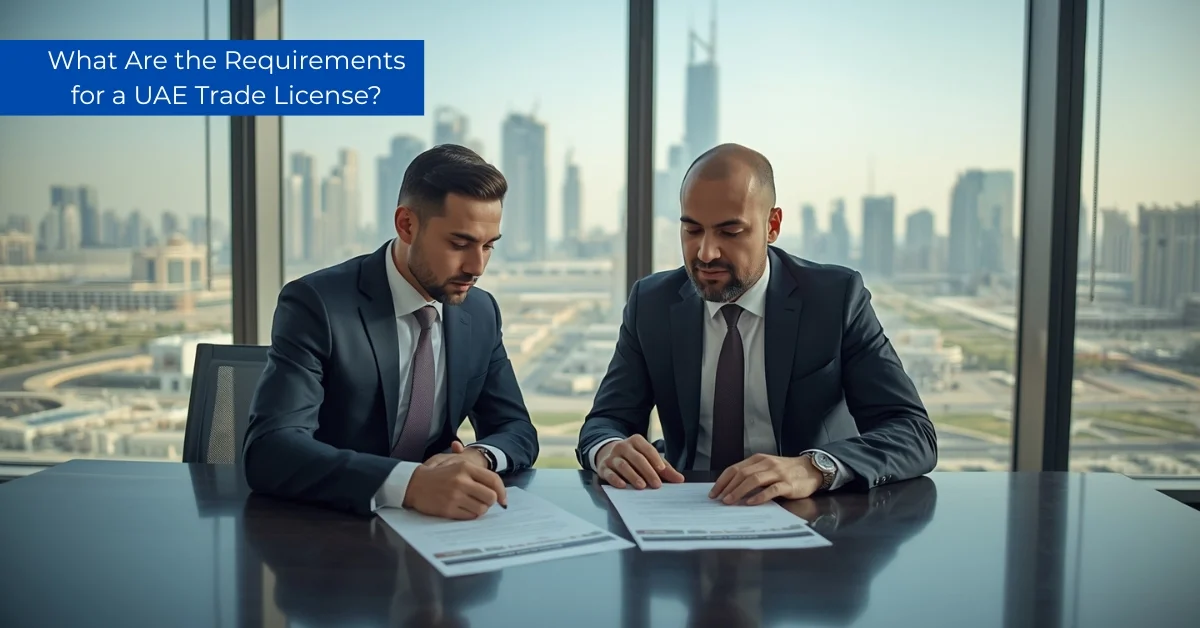
Starting a business in the UAE begins with one critical step: getting the right UAE Trade License. This license is not a formality. It is a legal requirement that decides how you operate, where you operate, and whether banks, clients, and authorities will work with you. Many people assume the process is the same across the country. That assumption causes delays, rejections, and wasted money. Requirements change based on the emirate, the business activity, and whether you choose a mainland, free zone, or offshore setup.
What Is a UAE Trade License and Why Do You Need One?
A UAE trade license is an official permit issued by a government authority that allows a business to legally operate in the country. It defines what activities you can perform, where you can operate, and how your company is structured. Operating without a valid license is illegal. You cannot open a corporate bank account, apply for residence visas, sign enforceable contracts, or invoice clients properly. Informal operations often lead to frozen accounts or penalties once authorities detect them.
In the UAE, licensing depends on jurisdiction. Mainland licenses allow you to trade within the local UAE market. Free zone licenses suit international or zone-specific operations. Offshore licenses focus on asset holding and international business without local trading. Dubai, Abu Dhabi, and Sharjah follow federal rules but apply them differently. This is why the same business idea may have different requirements in different emirates.

Types of Trade License in UAE
Choosing the correct license type is not optional. It directly affects costs, approvals, and long-term flexibility.
1. Commercial Trade License
A commercial trade license covers buying and selling goods. This includes import export, distribution, and general trading activities. It suits businesses dealing in physical products across local or international markets. This license is common among trading companies, wholesalers, and retail suppliers.
2. Professional License
A professional license applies to service-based activities. Examples include consultancy, IT services, marketing, education, and freelancers. It allows full foreign ownership in most cases and focuses on expertise rather than goods. This option works well for consultants and individual professionals.
3. Industrial License
An industrial license is required for manufacturing, production, or assembly activities. It involves factories, machinery, and warehouses. Authorities require additional approvals due to environmental and safety concerns. This license suits businesses producing goods inside the UAE.
4. General Trading License
A general trading license allows multiple trading activities under one license. It offers flexibility but comes with higher fees and stricter compliance requirements. It suits companies planning to trade across multiple product categories.
Which license fits which business
- Physical products and import/export usually need a commercial or general trading license.
- Services and consulting require a professional license.
- Manufacturing requires an industrial license.
Core Requirements for a UAE Trade License
This is where most applicants struggle. Missing or incorrect details here cause rejections.
1. Business Activity Selection
Every license links to specific approved activities. Authorities maintain official lists, and you must choose from them. Your selected activity affects license type, cost, office requirements, and approvals.
For example, general trading costs more and needs broader approval than simple electronics trading. Restricted activities, such as medical or financial services, require extra permissions.
2. Trade Name Registration
Your company name must follow UAE naming rules. Authorities reject names that violate them.
Common rules include
- No offensive or religious terms
- No reference to political entities
- No abbreviations of personal names unless fully written
- The name must match the business activity
Many applications fail because the trade name conflicts with these rules.
3. Shareholders and Passport Documents
Authorities require identification documents for all shareholders and managers.
Typical documents include
- Passport copy
- Visa or entry status page
- Emirates ID, if available
Some free zones also ask for a brief profile of business activities.
4. Initial Approval from Authorities
Initial approval confirms that the government has no objection to your business idea. It is not the final license. You still need office space, final documents, and fee payment. Skipping this step leads to wasted effort later.
Office Space and Ejari Requirements (Mainland vs Free Zone)
Office space is not optional in most cases. The type of space depends on your jurisdiction. Mainland companies usually need a physical office with Ejari registration. Ejari is the official tenancy registration system in Dubai. Without it, authorities will not issue the final license. Free zone companies offer more flexibility. Many allow flexi-desk or shared office solutions. Some activities still require physical offices, especially those involving staff visas or storage.
Key differences
- Mainland requires an Ejari-registered office
- Free zones may allow a flexi desk or a virtual office, depending on activity
Ignoring this requirement causes serious delays.

Additional Approvals You May Need
Some business activities require approval from external authorities before licensing.
These approvals often include
- Municipality approvals for food or retail
- Health authority approval for medical services
- Tourism authority approval for travel-related businesses
- Telecom or media approval for advertising activities
For example, a food trading company needs municipality clearance and food safety approval before license issuance. These steps add time but ensure compliance.
How to Get a Trade License in the UAE (Step-by-Step Process)
This process remains consistent across most emirates, with small variations.
- Choose your business activity from the approved lists
- Select the jurisdiction, mainland or free zone
- Reserve your trade name
- Apply for initial approval
- Arrange office space and Ejari if required
- Submit all documents to the authority
- Pay the fees and receive your license
When done correctly, the process can take from a few days to a few weeks.
How Much Does a Trade License Cost in UAE?
Costs vary because no two businesses are identical. Activity type, location, visa needs, and office choice all affect pricing.
Typical cost ranges
- A mainland trade license usually ranges from AED 15000 to AED 30000 or more
- Free zone licenses often start around AED 12000 and increase based on visas and facilities
- Additional costs include visas, medical tests, Emirates ID, and office rent
Choosing the cheapest option often leads to restrictions later. A slightly higher upfront cost can save money long-term.
How to Register as a Trader in Dubai (Mainland vs Free Zone)
Mainland trader registration suits businesses targeting the local UAE market. You can trade directly with UAE customers and government entities. Free zone trader registration suits international trading, e-commerce, or remote operations. You gain simplified processes but face limits on direct mainland trading unless you use a local distributor. Your target market should decide this choice, not just price.
Common Mistakes to Avoid When Applying for a UAE Trade License
Many applicants repeat the same errors.
- Selecting the wrong business activity
- Ignoring future visa and staffing needs
- Choosing a license based only on cost
- Overlooking bank account compatibility
- Assuming all emirates follow identical rules
Avoiding these mistakes saves time and money.
How Ripple Business Setup Helps with UAE Trade License Requirements
Ripple Business Setup provides advisory support for UAE trade license applications across mainland and free zones. The focus stays on compliance, clarity, and long-term suitability rather than quick approvals. Our team assists with activity selection, documentation, authority approvals, and coordination with banks and visa processes. You can contact Ripple Business Setup at +971 50 593 8101, email info@ripplellc.ae, or WhatsApp +971 4 250 0833 for guidance based on your business goals.
FAQ
1. How long does it take to get a UAE trade license?
Most licenses are issued within three to ten working days once documents and approvals are complete. Complex activities take longer.
2. Can foreigners apply for a UAE trade license?
Yes. Foreign nationals can fully own most businesses in both the mainland and the free zones.
3. Is a local sponsor still required?
Most activities no longer require a local sponsor. Some strategic sectors may still have specific conditions.
4. Can I open a bank account with a UAE trade license?
Yes. A valid trade license is mandatory for opening a corporate bank account, along with compliance checks by the bank.
Conclusion
A UAE trade license is the foundation of your business. The requirements depend on what you plan to do, where you plan to operate, and how you want to grow. Rushing the process or copying someone else’s setup often leads to limitations later.
Disclaimer: This content is for general informational purposes only and does not constitute legal or regulatory advice. Licensing requirements may vary based on activity and authority.