

The UAE’s digital marketplace has become a major driver of business growth across industries. It covers online selling, digital services, payment platforms, logistics networks, and government-backed digital systems. Together, these elements allow businesses to reach customers faster, operate more efficiently, and scale with fewer limits than traditional models.
Consumer behavior in the UAE strongly supports this shift. People rely heavily on smartphones, prefer online payments, and expect quick delivery. At the same time, the UAE government continues to invest in digital infrastructure as part of its long-term economic vision. This creates a stable and supportive environment for startups, SMEs, and even large enterprises to grow online.
For businesses, this is no longer just an option. Understanding and using the UAE’s digital marketplace is now a key factor in staying competitive, relevant, and ready for future growth.
Understanding the UAE’s Digital Marketplace
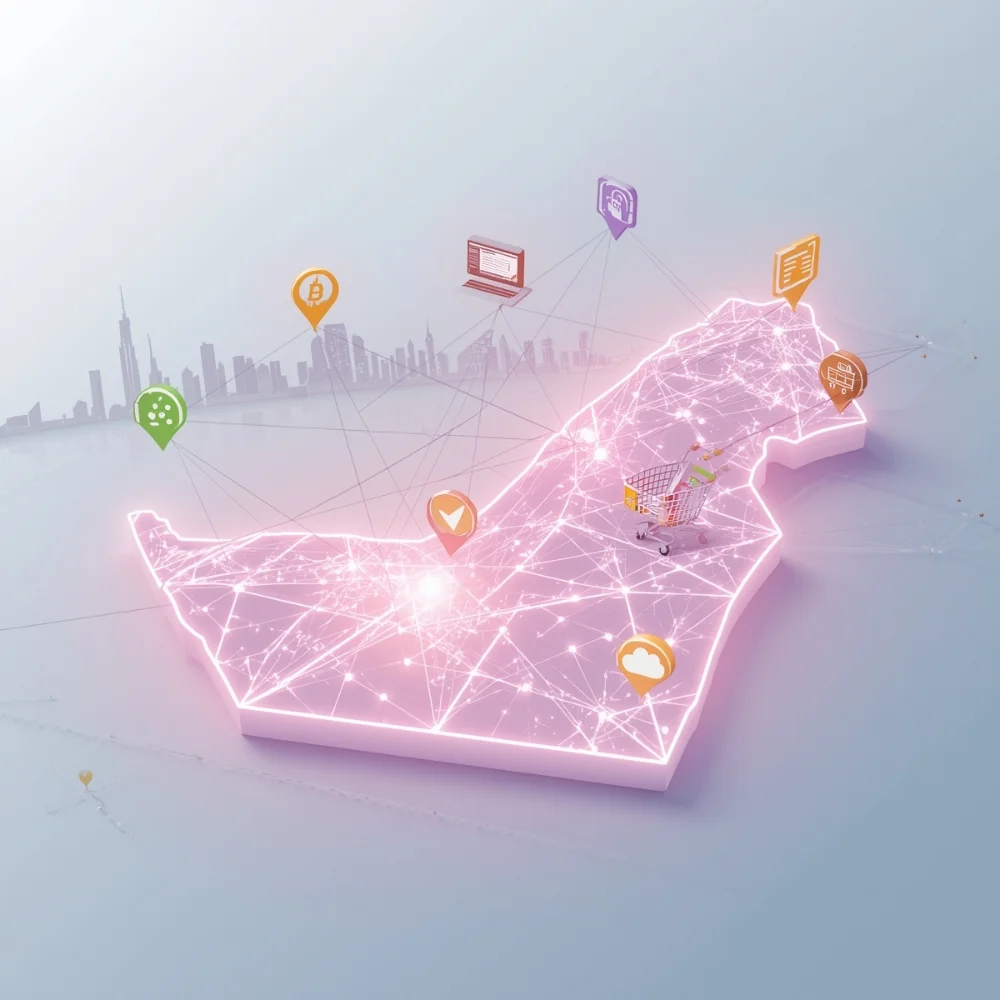
The UAE’s digital marketplace refers to the full online business ecosystem operating within the country. It includes e-commerce websites, online service platforms, digital marketplaces, fintech solutions, and government digital portals that support business activity.
This marketplace allows companies to sell products, offer services, accept payments, manage logistics, and handle compliance through digital channels. It forms a major part of the wider digital economy UAE strategy, which aims to increase the contribution of digital activities to national growth.
Unlike traditional business models that rely on physical stores and manual processes, digital-first businesses in the UAE operate online from the start. They utilize data, automation, and online platforms to connect with customers nationwide and beyond. The digital business environment in the UAE today favors speed, flexibility, and customer convenience.
Why the UAE Is a Hub for Digital Businesses
The UAE attracts digital businesses because it combines advanced infrastructure with clear policies and strong market demand. The country has positioned itself as a regional technology and innovation hub, which benefits online businesses directly.
Several factors explain this position clearly:
- High internet and smartphone penetration across all age groups
- Government-led digital transformation across public and private sectors
- Strong logistics, courier, and digital payment infrastructure
- Business-friendly regulations, including free zones and flexible licensing
- Easy access to the Middle East, Africa, Asia, and European markets
These factors make it easier for an online business UAE for entrepreneurs to start today to grow faster than in many other regions.
Key Components of UAE’s Digital Marketplace
1. E-Commerce Platforms in the UAE
E-commerce platforms form the backbone of the UAE’s digital marketplace. Businesses sell directly through their own websites or through large regional and global marketplaces. Consumers in the UAE show high trust in online shopping due to secure payments, clear return policies, and fast delivery options.
E-commerce growth continues to rise as more shoppers prefer convenience and mobile-first buying. This trend benefits both product-based and service-based businesses.
2. Digital Payment Systems and Fintech
Digital payment systems play a critical role in online transactions. The UAE supports credit and debit cards, mobile wallets, bank transfers, and buy now, pay later options. Fintech companies work under clear regulations, which builds trust for both businesses and customers.
Secure payments reduce transaction risks and improve conversion rates. This makes digital expansion UAE businesses more reliable and sustainable.
3. Logistics and Fulfillment Networks
Logistics in the UAE is highly developed. Businesses can access same-day or next-day delivery, smart warehousing, and efficient cross-border shipping. Free zones and ports further support international trade.
Strong logistics networks allow online sellers to meet customer expectations while controlling costs.
4. Government Digital Portals and Smart Services
Government digital portals simplify business operations. Licensing, visa processing, tax registration, and compliance tasks can be completed online. Paperless systems reduce delays and errors, which helps businesses stay compliant without heavy administrative effort.
How UAE’s Digital Marketplace Drives Business Growth
The UAE’s digital marketplace supports business growth by removing many traditional barriers. Online access allows companies to scale without large upfront investments.
Digital platforms help businesses grow in several clear ways:
- Lower market entry barriers for new businesses
- Faster customer acquisition through online channels
- Reduced operational costs compared to physical setups
- Better data-driven decisions using customer insights
- Improved brand visibility across digital platforms
This environment supports the business growth UAE companies aim for, especially when targeting a wider online market reach UAE and regional customers.
Benefits for Startups and SMEs in the UAE
Startups and SMEs benefit strongly from the UAE’s digital marketplace because it allows them to compete with larger players. They do not need expensive office space or multiple retail locations to operate successfully.
Digital channels offer affordable marketing options, such as search engines and social platforms. Businesses can test new products, pricing, or markets quickly and adjust based on real data. They can also reach customers across all Emirates from a single online setup.
For example, a small UAE-based fashion brand can launch an online store, use digital payments, and partner with local couriers to deliver nationwide. This approach reduces risk while supporting steady growth.

Role of Government Initiatives in Digital Growth
Government initiatives play a central role in shaping the UAE’s digital marketplace. The UAE digital economy strategy focuses on innovation, technology adoption, and long-term sustainability.
The smart government UAE vision encourages paperless services and digital-first interactions. Licensing, tax filings, and regulatory approvals are increasingly handled online. Support programs also encourage innovation and technology startups through funding, accelerators, and regulatory clarity.
These efforts support the digital transformation UAE businesses rely on, while improving trust and efficiency across the market.
Challenges Businesses Face in the Digital Marketplace
While the digital marketplace offers strong opportunities, it also presents challenges that businesses must manage carefully:
- Cybersecurity risks and data protection concerns
- High competition across popular online sectors
- Compliance with UAE regulations and licensing rules
- Understanding VAT and tax obligations
- Dependency on third-party platforms and service providers
Addressing these challenges early helps businesses build stable and compliant digital operations.
How Businesses Can Succeed in UAE’s Digital Marketplace
Success in the UAE’s digital marketplace requires planning and informed decisions. Businesses must align their operations with local rules while focusing on customer experience.
Key steps that support long-term success include:
- Choosing the right business license for online activities
- Understanding digital compliance requirements in the UAE
- Investing in secure and reliable payment systems
- Focusing on simple and user-friendly customer journeys
- Using data and analytics to guide decisions
A clear digital business setup UAE plan reduces risk and supports sustainable growth.
UAE Digital Marketplace vs Traditional Business Models
Comparing digital and traditional business models highlights why many companies now choose digital-first approaches:
- Cost structure: Digital models have lower setup and operating costs
- Speed to market: Online businesses launch faster
- Customer reach: Digital platforms reach wider audiences
- Scalability: Growth is easier without physical expansion
- Risk level: Digital models allow gradual and controlled scaling
This comparison explains why digital adoption continues to rise across sectors.
Future of UAE’s Digital Marketplace
The future of the UAE’s digital marketplace looks stable and opportunity-driven. Businesses will increasingly use AI and automation to improve customer service and operations. Cross-border e-commerce will continue to grow as logistics and trade links strengthen.
Digital services will expand beyond retail into education, healthcare, and professional services. At the same time, increased regulation and trust frameworks will protect consumers and businesses alike. These changes point toward steady, structured growth rather than short-term trends.
How Ripple Business Setup Supports Your Digital Business Journey
Ripple Business Setup helps businesses enter and grow within the UAE’s digital marketplace with clear guidance and practical support. Our team assists with selecting the right business license, understanding online activity approvals, and meeting UAE compliance requirements. They also guide startups and SMEs through digital-friendly jurisdictions, visa options, and ongoing regulatory needs, which helps reduce delays and costly mistakes. With local knowledge and hands-on experience, Ripple Business Setup supports businesses that want a smooth and compliant start in the UAE’s digital business environment.
You can contact Ripple Business Setup at +971 50 593 8101, email info@ripplellc.ae, or WhatsApp +971 4 250 0833 to discuss your business setup requirements and get clear guidance based on your activity.
Conclusion
The UAE’s digital marketplace matters because it supports long-term business growth, flexibility, and resilience. It allows businesses to adapt to changing consumer behavior while operating within a clear regulatory framework.
Disclaimer: This blog is for general information only and does not constitute legal, financial, or business advice. Regulations and requirements may change, so professional consultation is recommended before making business decisions.