

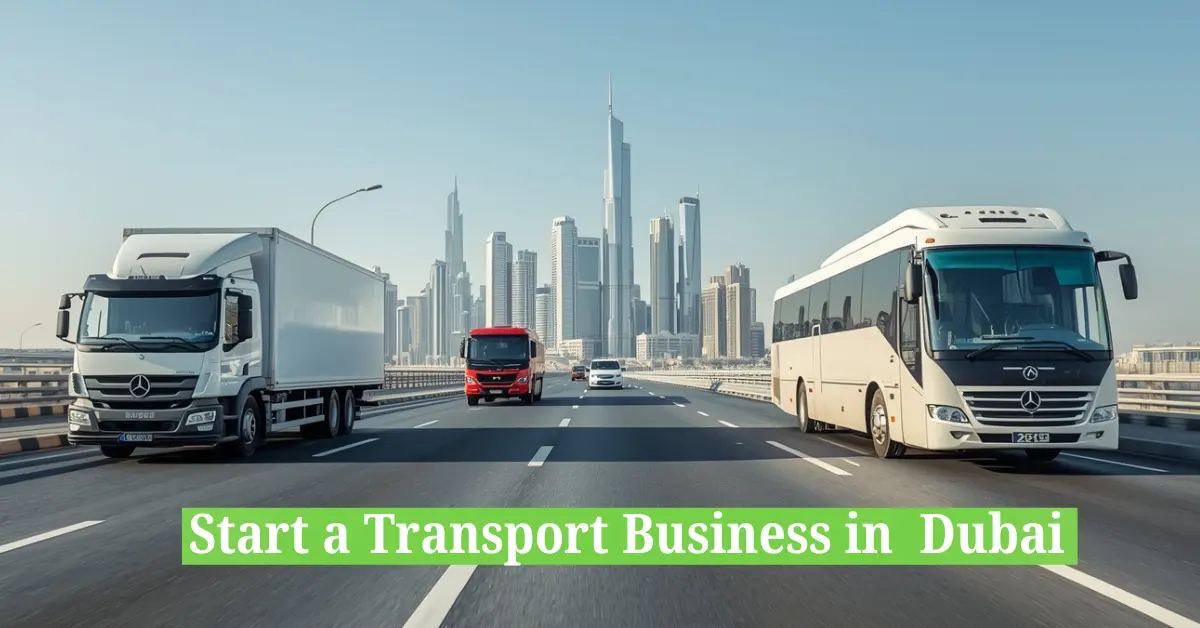
Starting a transport business in Dubai is a practical option for entrepreneurs who want to enter a stable and growing sector. Dubai’s economy depends heavily on the movement of people and goods, which keeps demand consistent throughout the year.
Understanding the Transport Business in Dubai
Under UAE law, a transport business is any company that provides vehicle-based services to move people or goods from one place to another for commercial purposes. These activities are regulated and require specific approvals depending on the service type.
Transport services are different from logistics services. Transport businesses focus on the physical movement of goods or passengers. Logistics companies may handle storage, warehousing, inventory management, and supply chain coordination. In many cases, logistics firms outsource transport to licensed transport companies.
In Dubai, transport companies usually operate with registered vehicles, approved drivers, and defined service routes. Operations must follow safety and compliance rules set by authorities. The main bodies involved are the Department of Economy and Tourism for licensing, the Roads and Transport Authority for operational approvals, and selected free zones for limited activity licenses.
Why Dubai Is a Strong Market for Transport Businesses
Dubai’s location connects Asia, Europe, and Africa, making it a key transit and trade hub. This creates steady demand for goods transport, freight movement, and delivery services across the emirate and beyond. The rise of e-commerce has increased demand for last-mile delivery, courier services, and fleet-based transport. Online retailers depend on fast and reliable delivery, which opens opportunities for small and mid-sized transport operators.
Tourism, construction, and corporate sectors also rely on transport services. Staff transportation, school buses, hotel transfers, and site logistics are essential services. On top of this, the government continues to invest in road infrastructure, smart transport systems, and traffic management, which supports long term growth for transport businesses.
Types of Transport Businesses You Can Start in Dubai
You can choose from several transport business models, depending on your budget and experience.
- Goods transport company: Focuses on moving commercial goods within Dubai or across emirates.
- Passenger transport services: Includes private buses, vans, and shared transport services.
- Staff transportation services: Provides daily transport for company employees and labor staff.
- School transport services: Operates school buses under strict safety and RTA rules.
- Luxury car and chauffeur services: Offers premium vehicles with licensed drivers for corporate or VIP clients.
- Trucking and heavy vehicle transport: Handles construction materials, machinery, and industrial cargo.
- Last mile delivery and courier services: Supports e commerce and retail deliveries within short distances.
Each activity requires a specific license and approval, so choosing the right type at the start is important.
Transport Business Regulations in Dubai You Must Know
Transport businesses in Dubai are closely regulated to ensure public safety and service quality. The Roads and Transport Authority plays a central role in approving operations, vehicles, and drivers. Vehicles must meet age and condition standards. Many transport activities require vehicles to be within a specific age limit and pass regular inspections. Ownership or long-term leasing agreements are usually required.
Drivers must hold a valid UAE driving license suitable for the vehicle category. Some services require minimum experience, training certificates, or background checks. Insurance is mandatory for vehicles, passengers, and goods. Non-compliance can lead to fines, license suspension, or vehicle impoundment, which can disrupt business operations.
Step-by-Step Process to Start a Transport Business in Dubai
Step 1: Market Research and Business Planning
Start by studying demand in your target market. Identify who your customers are, such as companies, schools, or online sellers. Plan service routes, pricing, and expected monthly costs. A simple business plan helps you estimate vehicle needs, staffing, and break-even timelines.
Step 2: Choose the Right Jurisdiction
Most transport businesses must be registered on the mainland because vehicles operate on public roads.
Mainland setup allows you to serve clients anywhere in Dubai and across the UAE. Free zones generally do not allow direct transport operations unless combined with third-party operators. Mainland registration is mandatory when RTA approvals are required.
Step 3: Select the Legal Structure
You can choose a sole establishment, a limited liability company, or a partnership. An LLC is common for transport businesses because it supports multiple shareholders and is widely accepted by authorities and banks.
Step 4: Trade Name Reservation and Initial Approval
Choose a trade name that follows UAE naming rules. The name should reflect your activity and avoid restricted terms. After name approval, you apply for initial approval from the licensing authority, confirming there are no objections to your business activity.
Step 5: Apply for Transport License in Dubai
The type of transport license depends on your service, such as goods transport or passenger transport. The Department of Economy and Tourism issues the license after reviewing documents and approvals. The timeline varies, but usually takes several weeks when all papers are in order.
Step 6: Obtain RTA and Other External Approvals
RTA approval is mandatory for most transport activities. This includes vehicle registration, route permissions, and safety compliance. Some activities may also require approvals from schools, municipalities, or other authorities.
Step 7: Vehicle Registration and Fleet Setup
Vehicles can be purchased or leased. Each vehicle must be registered, insured, and branded if required. RTA inspections confirm roadworthiness and safety standards before operations begin.
Step 8: Hire Drivers and Staff
Drivers must hold valid UAE licenses and meet experience requirements. Visas are issued by the company. Training on safety, routes, and customer handling is recommended to maintain service quality.
Step 9: Open Corporate Bank Account and Start Operations
Once licensing is complete, open a corporate bank account. Banks will request trade licenses, shareholder documents, and business details. After this, you can officially start operations and sign client contracts.
Documents Required to Start a Transport Business in Dubai
Common documents include:
- Passport copies of owners and partners
- Emirates ID, if available
- UAE visa copies
- Trade name certificate
- Initial approval certificate
- Transport license application
- Vehicle ownership or lease agreements
- RTA approvals and inspection reports
- Office lease contract and Ejari
Requirements may vary depending on activity type.
Transport License Types in Dubai Explained
Dubai offers different transport licenses based on activity.
- Goods transport license for commercial cargo movement
- Passenger transport license for buses, vans, and taxis
- Heavy vehicle transport license for trucks and industrial transport
- Delivery and courier license for last-mile services
Choosing the correct license ensures smooth approvals and compliance.
Cost of Starting a Transport Business in Dubai
The cost of starting a transport business depends on several factors. License fees vary based on activity and approvals. Vehicle costs depend on type, number, and whether you buy or lease.
Additional costs include RTA fees, driver visas, insurance, office rent, and operational expenses such as fuel and maintenance. Instead of fixed numbers, it is safer to plan for a flexible budget that adjusts as your fleet grows.
Is a Transport Business Profitable in Dubai?
Profitability depends on fleet size, service type, and cost control. High demand sectors include staff transport, delivery services, and construction-related transport. Common mistakes include underpricing services, poor route planning, and ignoring maintenance costs. For example, a small delivery fleet with consistent contracts can generate stable monthly income if fuel usage and driver schedules are well managed.
Common Challenges in the Transport Business and How to Manage Them
- Fuel and maintenance costs: Regular servicing and efficient route planning help reduce expenses.
- Driver retention: Fair wages and clear schedules improve staff stability.
- Compliance delays: Keeping documents updated avoids fines and downtime.
- Traffic and route planning: Using GPS and route software improves delivery times.
- Payment cycles: Clear contracts help manage delayed client payments.
Legal and Compliance Requirements After Setup
After setup, businesses must renew licenses annually. Vehicles must pass regular inspections and maintain valid insurance. RTA audits may be conducted to check compliance. VAT registration is required if taxable turnover reaches the threshold. Accurate records and timely renewals help avoid penalties and business interruptions.
How Ripple Business Setup Can Support Your Transport Business in Dubai
Starting a transport business in Dubai involves multiple approvals, strict regulations, and coordination with authorities like the RTA and DED. Ripple Business Setup helps business owners handle the full process, from selecting the right transport activity and license type to managing approvals, documentation, and post-setup compliance. Our team ensures your application follows current UAE rules, reducing delays and costly mistakes. For expert guidance, contact Ripple Business Setup at +971 50 593 8101, email info@ripplellc.ae, or WhatsApp +971 4 250 0833.
FAQs
1. Is RTA approval required for all transport businesses?
Yes, most transport activities require RTA approval, especially those using public roads.
2. How many vehicles are required to start a transport company in Dubai?
This depends on the activity. Some services require a minimum number of vehicles.
3. Can foreigners start a transport business in Dubai?
Yes, foreign investors can fully own transport businesses in most cases.
4. How long does it take to get a transport license in Dubai?
It usually takes a few weeks, depending on approvals and documentation.
5. Can I start a transport business without owning vehicles?
Yes, vehicles can be leased under approved agreements.
Conclusion
Starting a transport business in Dubai requires planning, compliance, and a clear understanding of regulations. The market offers steady demand, but success depends on choosing the right activity, controlling costs, and maintaining service quality.
Disclaimer: This article is for general informational purposes only. Regulations, costs, and requirements may change based on government policies and individual business activities. Always consult a licensed business advisor before making final decisions.