

Thinking about setting up a trust in the UAE for your family’s wealth? It’s a big step, and honestly, it can feel a bit confusing at first. The UAE has been making some real moves to make things clearer for families looking to manage their assets.
Understanding Trusts in the UAE Context
What is a Trust and Why Consider One in the UAE?
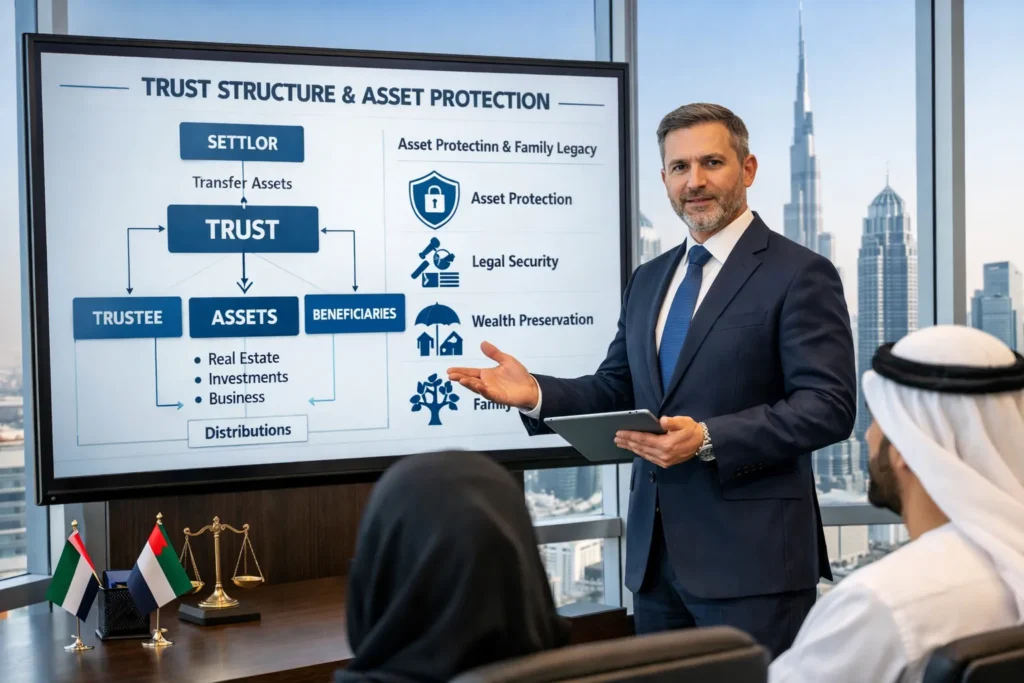
Think of a trust as a private agreement where one person, the settlor, gives assets to another person or entity, the trustee, to manage for the benefit of specific people, the beneficiaries. It’s a way to keep your wealth safe and make sure it gets to your loved ones exactly how you want it to. While trusts have been around for ages in other parts of the world, they’re becoming a really popular option here in the UAE for families looking to protect their assets. It’s a solid move for protecting wealth with UAE trusts, especially if you’re thinking about long-term family planning.
Key Benefits of Trust Registration for Family Wealth
Setting up a trust in the UAE offers some pretty good advantages for managing family money. For starters, the UAE has a 0% tax rate on trusts, which is a big deal. This means the money you put in and any earnings it makes aren’t taxed, letting your wealth grow without that extra burden. It’s a smart way to handle things for family trust formation UAE. Plus, it gives you a lot of control over how your assets are distributed, offering a clear plan for the future.

Here are some of the main perks:
- Asset Protection: Trusts can shield your assets from creditors or unexpected claims, keeping your family’s wealth secure.
- Controlled Distribution: You can set specific rules for when and how beneficiaries receive assets, preventing misuse and ensuring long-term stability.
- Privacy: The details of a trust are generally private, offering a level of discretion not always found with other wealth management methods.
- Tax Efficiency: As mentioned, the 0% tax rate in the UAE makes it a very attractive place for trusts.
The UAE’s legal system has adapted to accommodate trusts, blending common law principles with its own civil law framework. This creates a unique environment that is both flexible and well-regulated for families seeking to safeguard their legacies.
When you’re looking into private trust services Dubai or considering setting up a trust in Dubai, these benefits are usually at the top of the list. It’s all about creating a secure structure for your family’s financial future.
Types of Trusts Available in the UAE
When you’re thinking about setting up a trust in the UAE for your family’s wealth, it’s good to know there are a few main ways to structure things. The choice really depends on what you want to achieve, like how much control you want to keep and how you want your assets to be managed.
Exploring Different Trust Structures
In the UAE, the primary distinction you’ll encounter is between fixed trusts and discretionary trusts. Each has its own set of rules and benefits, making them suitable for different family situations and goals. Understanding these differences is key to making the right choice for your estate planning with trusts in Emirates.
- Fixed Trusts: With a fixed trust, everything is laid out very clearly from the start. The trust deed specifies exactly who the beneficiaries are and what share of the assets or income each person will receive. The trustee doesn’t have any wiggle room; they just follow the instructions. This offers a lot of certainty for your family members, but it means less flexibility if circumstances change.
- Discretionary Trusts: These trusts give the trustee more freedom. The trust document will list potential beneficiaries, but the trustee gets to decide how and when to distribute the assets or income among them. This is really useful if you want the trust to adapt to your family’s changing needs over time. It’s a popular choice for families looking for robust asset protection laws UAE and flexible wealth management.
The UAE’s legal framework is evolving to accommodate various trust structures, offering a blend of common law principles with local regulations. This adaptability is a significant advantage for families seeking tailored solutions.
Choosing the Right Trust for Your Family’s Needs
Selecting the appropriate trust structure is a significant step in safeguarding your family’s legacy. It’s not just about picking a label; it’s about aligning the trust’s function with your long-term objectives. For those interested in private trust services Abu Dhabi, understanding these structures is the first step.
Here’s a quick look at factors to consider:
- Level of Control: Do you want to dictate distributions precisely, or do you prefer to give a trusted individual or entity the discretion to manage distributions based on future needs?
- Asset Protection Goals: Both types of trusts can offer asset protection, but the way they function might influence how effectively they shield assets from potential claims. Asset protection trusts UAE are designed with this in mind.
- Beneficiary Circumstances: Consider the age, financial maturity, and specific needs of your beneficiaries. A discretionary trust might be better if beneficiaries are young or if their financial situations are unpredictable.
- Simplicity vs. Flexibility: Fixed trusts are straightforward, while discretionary trusts offer more adaptability. Your preference for administrative simplicity versus the need for future flexibility will guide your decision.
The UAE Trust Registration Process Explained
Setting up a trust in the UAE involves a structured process, primarily taking place within specialized financial free zones like the Dubai International Financial Centre (DIFC) or the Abu Dhabi Global Market (ADGM). These zones operate under common law principles, making them well-suited for trust registration. While the Ministry of Finance handles some aspects, the actual registration and regulatory oversight for trusts are managed by the respective authorities within DIFC or ADGM.
Essential Documents and Information Required
To get your trust registered, you’ll need to gather several key documents and pieces of information. Think of this as preparing your trust’s official file. It’s not overly complicated, but attention to detail is important.
Here’s a rundown of what’s typically needed:
- The Trust Deed: This is the foundational document. It’s a legal agreement that spells out everything about your trust. It needs to clearly state the trust’s purpose, who the beneficiaries are, and what assets are being put into the trust. It also details the powers and responsibilities of the trustee – the person or entity managing the trust. The distribution rules, like when and how beneficiaries receive assets, must also be laid out here.
- Settlor Information: Details about the person or entity establishing the trust (the settlor) are required. This usually includes identification documents and proof of address.
- Trustee Information: If you’re appointing an individual as a trustee, you’ll need their identification and proof of address. If it’s a corporate trustee, you’ll need company registration documents and details of the authorised signatories.
- Beneficiary Information: You’ll need to provide details for all potential beneficiaries. This might include their names, relationship to the settlor, and potentially their identification documents, depending on the specific requirements of the jurisdiction.
- Asset Details: A clear list or description of the assets that will be transferred into the trust.
Navigating the Legal and Regulatory Framework
The UAE’s approach to trusts is designed to be clear and compliant. While the core process is similar across the DIFC and ADGM, each has its own specific rules and procedures. It’s important to understand that these free zones have their own legal systems, separate from mainland UAE law, which allows for greater flexibility in areas like trust law.
Here are some points to keep in mind regarding the legal and regulatory side:
- Jurisdictional Choice: Your first step is deciding between DIFC and ADGM. Both offer robust trust frameworks, but your specific needs might make one a better fit than the other. Consider factors like the types of services offered and the regulatory approach.
- Trustee Appointment: The individuals or corporate entities appointed as trustees must meet specific criteria. They need to be reputable and, if it’s a corporate trustee, licensed to operate within the chosen jurisdiction.
- Registration Authority: The application is submitted to the relevant authority. In DIFC, this is typically the Registrar of Companies (RoC). In ADGM, it’s the ADGM Registration Authority.
- Compliance Obligations: Once registered, trusts are subject to ongoing compliance requirements. This includes maintaining proper records, adhering to reporting standards, and potentially undergoing audits. The specific rules are set by the chosen jurisdiction’s financial services regulator.
The UAE’s trust framework, particularly within DIFC and ADGM, is built on common law principles. This provides a familiar structure for those accustomed to such systems, offering a degree of predictability in how trusts are established and managed. It’s a deliberate move to align with international best practices in wealth management and estate planning.
Post-Registration Considerations for Your Trust
So, you’ve gone through the process and your UAE trust is officially registered. That’s a big step, but it’s really just the beginning of managing your family’s wealth in this new structure. Think of it like getting a new car – registration is done, but now you’ve got to drive it, maintain it, and make sure it’s running smoothly for years to come.
Managing and Administering Your UAE Trust
This is where the rubber meets the road. The trust deed you prepared is your roadmap, but active management is key. Here’s what you need to keep in mind:
- Regular Trustee Reviews: Your trustee is responsible for managing the trust assets. It’s a good idea to have regular meetings, perhaps quarterly or semi-annually, to review investment performance, discuss any changes in the family’s circumstances, and ensure the trustee is acting in line with the trust’s objectives. Don’t just set it and forget it.
- Asset Management and Reporting: The trustee needs to keep meticulous records of all trust assets, income, and expenditures. You should receive clear, periodic reports detailing the trust’s financial status. This transparency is important for your peace of mind and for accountability.
- Beneficiary Communications: Depending on the trust structure, you might need to communicate with beneficiaries about distributions or other relevant matters. Clear and timely communication can prevent misunderstandings and keep everyone informed.
- Compliance and Record Keeping: Even though trusts in jurisdictions like the ADGM offer privacy, there are still compliance requirements. This includes maintaining proper records for tax purposes (if applicable) and ensuring adherence to any ongoing regulatory obligations. Keeping good records is vital, especially if there are changes in trustees or beneficiaries down the line.
The success of a trust structure hinges significantly on the reliability and diligence of the trustee. While legal frameworks exist to address mismanagement, proactive oversight and clear communication channels are the best ways to mitigate risks and ensure the trust effectively serves its intended purpose for generations.
- Periodic Review of the Trust Deed: Family circumstances, laws, and financial markets change. It’s wise to review your trust deed every few years or after significant life events (like a marriage, birth, or death in the family). This ensures the trust remains relevant and continues to meet your family’s evolving needs. Sometimes, amendments might be necessary to adapt to new situations or to clarify certain provisions.
- Succession Planning for Trustees: What happens if a trustee can no longer serve? Having a clear plan for appointing successor trustees is critical. This prevents a vacuum in management and ensures continuity in the administration of the trust. This might involve naming specific individuals or outlining a process for selection.
- Tax Implications: While trusts themselves might not always be directly taxed in the UAE, the income generated by trust assets or distributions to beneficiaries can have tax implications, depending on the assets held and the beneficiaries’ residency. It’s important to stay informed about any relevant tax laws and consult with tax advisors as needed.
Seeking Professional Advice for UAE Trust Registration
Setting up a family trust in UAE involves a lot of moving parts, and honestly, trying to figure it all out on your own can feel like trying to assemble IKEA furniture without the instructions. It’s not just about filling out forms; it’s about making sure your family’s wealth is protected and distributed exactly how you want it for years to come. This is where getting some expert help really makes a difference.
Think about it: you’re dealing with legal documents, specific jurisdictional rules in places like DIFC or ADGM, and tax implications. A professional can guide you through all of this, making sure you choose the right type of trust for your specific situation. They’ll help you understand the differences between fixed and discretionary trusts, for example, and what that means for your beneficiaries.
Here’s a quick look at why professional advice is so important:
- Understanding Complex Regulations: The UAE has specific laws for trusts, and these can vary depending on the chosen free zone. Professionals stay up-to-date on these rules, so you don’t have to.
- Tailoring Your Trust: They can help draft a trust deed that perfectly matches your family’s needs and long-term goals for estate planning for families in UAE.
- Avoiding Costly Mistakes: A small error in documentation or registration can lead to significant problems down the line. Experts help prevent these issues.
- Ensuring Compliance: Professionals know the ongoing reporting and compliance requirements, so your trust remains valid and in good standing.
The process of establishing a trust requires careful consideration of legal frameworks, asset management, and beneficiary rights. Engaging with specialists ensures that all aspects are addressed accurately, providing peace of mind for your family’s financial future.
When you’re looking for someone to help, consider firms that specialise in wealth management and estate planning within the UAE. They often have a good grasp of the financial landscape, including tax matters. You can find resources and lists of registered tax agents on the Federal Tax Authority website, which can be a starting point for your search. Getting this right is a big step towards securing your family’s legacy.
Thinking about setting up a trust in the UAE? It can seem a bit tricky, but getting expert help makes it much simpler. We can guide you through the whole process, making sure everything is done right. Ready to get started? Visit our website today to learn more and take the first step!
Wrapping Up Your UAE Trust Journey
So, setting up a trust in the UAE is definitely something to look into if you’re thinking about how to manage your family’s wealth for the long haul. It’s not as complicated as it might sound, especially with places like DIFC and ADGM offering clear rules. While the UAE has traditionally leaned towards civil law, it’s really opened up to common law concepts like trusts, making it a solid spot for this kind of planning. Just remember to get good advice to make sure you’re doing it all right. It’s all about making sure your family’s assets are protected and passed on smoothly, just the way you want them to be.
How Ripple Business Setup Can Help!
Ripple Business Setup helps families and high-net-worth individuals structure and protect wealth through trust formation in the United Arab Emirates. Our team guides clients through legal structuring, documentation, and compliance to ensure assets are managed, preserved, and transferred smoothly across generations. We support trust registration in leading financial jurisdictions, ensuring confidentiality, asset protection, and long-term estate planning aligned with UAE regulations.
To start your UAE trust registration or get expert guidance, contact Ripple Business Setup at +971 50 593 8101, email info@ripplellc.ae, or WhatsApp +971 4 250 0833. Our advisors provide step-by-step assistance for family wealth structuring, trust formation, and legal compliance in the UAE.
Frequently Asked Questions
What exactly is a trust, and why would someone in the UAE want one for their family’s money?
Think of a trust as a special agreement where you put your money or belongings into a box. You choose someone trustworthy (the trustee) to manage that box and its contents for the benefit of your family members (the beneficiaries). People in the UAE consider trusts to keep their family’s wealth safe, private, and to make sure it’s passed down smoothly to future generations, kind of like a plan for their money after they’re gone.
Can anyone in the UAE set up a trust, or are there special places to do it?
Yes, you can set up a trust in the UAE! Two main places that are like special zones for this are DIFC (Dubai International Financial Centre) and ADGM (Abu Dhabi Global Market). These places have their own rules, which are based on common law, making it easier to set up trusts, especially for non-Muslims who want their wishes followed exactly, rather than the standard Sharia law for inheritance.
What kinds of documents do I need to get a trust registered in the UAE?
To register a trust, you’ll mostly need a document called a ‘Trust Deed.’ This is like the rulebook for your trust. It clearly explains what the trust is for, what the trustee can and can’t do, and who the beneficiaries are. You’ll also need to provide information about the trustee and the assets you’re putting into the trust. It’s important to have all your paperwork in order.
Are there different types of trusts I can choose from in the UAE?
There are indeed different ways to set up a trust. One type is a ‘fixed trust,’ where everything is clearly laid out from the start – who gets what and when. Another is a ‘discretionary trust,’ which gives the trustee more freedom to decide how to share the money or assets based on the family’s needs at the time. The best choice depends on how much control you want to keep and how flexible you need the trust to be.
What happens after my trust is registered? Do I need to keep doing things?
Yes, registering the trust is just the first step. After it’s set up, the trustee needs to manage the assets according to the rules in the Trust Deed. This means keeping good records, making sure the assets are looked after, and distributing them to the beneficiaries as planned. There are ongoing duties to make sure the trust keeps running smoothly and follows all the rules.
Is it a good idea to get help from experts when setting up a trust in the UAE?
Absolutely! Setting up a trust involves legal and financial details that can be tricky. It’s highly recommended to talk to lawyers or financial advisors who specialize in trusts in the UAE. They can help you understand all the options, make sure you choose the right type of trust for your family, and guide you through the whole registration process without any mistakes.
Disclaimer: This content is for general informational purposes only and does not constitute legal or financial advice. Trust regulations and requirements may change. Always consult qualified professionals before making legal or financial decisions.