

Thinking about starting a business in the United Arab Emirates? It’s a smart move. This place is a major hub for companies from all over the world. But with seven different emirates to choose from, each with its own rules and costs, it can get a little confusing. This guide breaks down what you need to know about setting up shop across the 7 UAE Emirates, covering the licenses you’ll need and what it might cost. Let’s get started.
Why the UAE is a Global Business Hub
It’s no surprise that the United Arab Emirates has become a go-to spot for businesses looking to expand or start fresh. This federation of seven distinct emirates has really shifted gears, moving away from just relying on oil to building a much more varied economy. They’ve done a lot to make it easier for companies to set up shop, offering good access to markets and some pretty attractive tax situations. It’s like they’ve rolled out the red carpet for investors.
What makes it so appealing?
- Location, Location, Location: The UAE sits right between Europe, Asia, and Africa. This strategic spot, combined with excellent transport links – think ports, airports, and good roads – makes it super convenient for moving goods and connecting with customers across continents. Being part of the GCC also helps with trade agreements in the region.
- Economic Stability: The UAE Dirham is tied to the US Dollar, which means less worry about currency fluctuations. This stability is a big plus for businesses planning their finances.
- Tax Advantages: For a long time, the UAE has offered significant tax benefits. While there’s a new corporate tax, it’s still competitive, especially in free zones. Plus, there’s no personal income tax, which is a nice perk for employees.
Here’s a quick look at some tax points:
| Tax Type | Rate |
|---|---|
| Corporate Tax | 0% in free zones; 9% on taxable income above a threshold |
| VAT | 5% |
| Personal Income | 0% |
The UAE government has put a lot of effort into creating a business environment that is both welcoming and efficient. This includes developing different types of business zones, like mainland and free zones, each with its own set of rules and benefits, catering to a wide range of business needs.
- Business-Friendly Rules: The UAE has set up different structures, like mainland and free zones, to suit different business goals. Mainland companies can operate anywhere in the UAE and often have 100% foreign ownership now. Free zones offer benefits like 100% profit repatriation and reduced import duties, making them popular for specific types of businesses.
Basically, the UAE has worked hard to become a place where businesses can thrive, offering a mix of strategic advantages, financial incentives, and a supportive regulatory framework. It’s this combination that has cemented its status as a major global business hub.
Understanding the 7 Emirates of the UAE
The United Arab Emirates is a federation made up of seven distinct emirates, each with its own unique economic landscape and business opportunities. When considering setting up a company across all seven emirates, it’s important to understand the specific advantages each one offers. This diversity allows businesses to tailor their approach, whether they’re looking at mainland operations or exploring the numerous free zones in the seven emirates.
Abu Dhabi: The Capital’s Business Landscape
As the capital, Abu Dhabi is a major hub for government, oil and gas, and increasingly, tourism and finance. It offers a stable environment for large corporations and those involved in strategic sectors. The emirate is actively diversifying its economy, creating opportunities in areas like renewable energy and advanced technology.
Dubai: The Global Trade and Tourism Powerhouse
Dubai is perhaps the most well-known emirate globally, serving as a major center for international trade, finance, real estate, and tourism. Its business-friendly policies, world-class infrastructure, and extensive network of free zones make it a top choice for startups and established companies alike. Setting up an all-in-one company in Dubai involves several key steps, including choosing between mainland or free zone jurisdictions, reserving a trade name, and applying for the appropriate business license based on your activities. Costs vary significantly, encompassing license fees, visa expenses, and office space.
Sharjah: The Cultural and Industrial Hub
Sharjah is recognized for its strong industrial base and its commitment to arts and culture. It offers a more cost-effective alternative to Dubai for manufacturing and trading businesses, with good logistical connections. The emirate is also developing its tourism sector and has several industrial free zones.
Ajman: The Emerging Business Destination
Ajman is emerging as an attractive option for businesses seeking lower setup costs and a more relaxed regulatory environment. It’s particularly appealing for SMEs and startups looking for affordable office spaces and licenses. The emirate is actively working to attract foreign investment and develop its infrastructure.
Umm Al Quwain: Opportunities in Niche Markets
Umm Al Quwain offers a more laid-back business environment and is known for its focus on tourism, leisure, and specific industrial activities. It’s a good choice for businesses looking for niche markets and a less competitive landscape compared to the larger emirates.
Ras Al Khaimah: Manufacturing and Tourism Growth
Ras Al Khaimah (RAK) is rapidly growing, with a strong focus on manufacturing, logistics, and tourism. It boasts a number of well-established free zones, including RAKEZ, which provides tailored packages for businesses of all sizes. RAK is known for its efficient business setup processes and competitive pricing.
Fujairah: The Maritime and Energy Gateway
Fujairah is the UAE’s only emirate with a coastline solely on the Gulf of Oman, making it a strategic location for maritime trade, shipping, and logistics. It’s also a significant hub for the oil and energy industries, with extensive storage facilities and a growing free zone focused on these sectors.
Each emirate presents a unique set of advantages and considerations. Understanding these differences is key to making an informed decision about where to establish your business operations within the UAE. The choice often depends on the specific industry, target market, and budget.
When planning your business setup, consider these factors:
- Jurisdiction: Mainland vs. Free Zone. Mainland allows direct trading within the UAE, while free zones offer specific benefits like 100% foreign ownership and tax exemptions.
- License Type: The nature of your business activity will determine the type of license required, which varies across emirates and zones.
- Legal Structure: Options range from sole proprietorships to limited liability companies, with variations depending on the chosen jurisdiction.
- Costs: Factor in license fees, office rent, visa costs, and potential setup consultancy fees. These can differ significantly from one emirate to another.
Key Factors Influencing Business Setup Costs
So, you’re thinking about starting a business here in the UAE. That’s great! But before you get too far ahead of yourself, let’s talk about the money side of things. The cost of setting up a business in Dubai and Abu Dhabi, or any of the other emirates for that matter, isn’t a one-size-fits-all number. It really depends on a few things.
Here are the main things that will affect how much you end up spending:
- What kind of business will it be? Are you selling products, offering services, or maybe manufacturing something? Different activities need different licenses, and some are more expensive than others. For example, a simple consulting business might cost less than a trading company that needs to import and export goods.
- Where will you set up shop? This is a big one. You’ve got options like mainland, free zones, or offshore. Mainland companies give you access to the whole UAE market but often come with higher fees and the need for a physical office. Free zones can be more cost-effective, with special benefits, but might limit where you can do business directly. Offshore is usually the cheapest if you don’t need a physical presence.
- Do you need an office? For mainland businesses, you almost always need a physical office space, and the rent can add up quickly, depending on the location and size. Free zones sometimes offer more flexible options like shared desks or virtual offices, which can save you money.
- How many visas will you need? If you’re bringing in staff or sponsoring visas for yourself and partners, each visa has its own set of government fees, medical checks, and other associated costs. The more visas you need, the higher your total setup cost will be.
- What’s your company structure? Will it be a Limited Liability Company (LLC), a sole proprietorship, or something else? Different structures have different registration requirements and costs.
The actual amount you spend will be a mix of these factors. It’s not just about the license fee; you also have to think about office rent, visa costs, and any other government charges that apply to your specific business activity and chosen location.

Let’s look at some typical costs to give you an idea:
| Factor | Mainland (Approx. AED) | Free Zone (Approx. AED) | Notes |
|---|---|---|---|
| Trade License | 10,000 – 20,000 | 8,000 – 15,000 | Varies by activity |
| Office Rent (Annual) | 15,000 – 25,000+ | 5,000 – 15,000+ | Depends on size and location |
| Investor Visa (per visa) | 4,000 – 5,000 | 3,000 – 4,000 | Initial cost, valid for 3 years |
| Other Gov. Fees | 2,000 – 5,000 | 1,000 – 3,000 | Name registration, initial approvals, etc. |
Keep in mind these are just estimates. The exact cost of setting up a business in Dubai and Abu Dhabi can change based on the specifics of your plan.
Navigating Business Licenses and Regulations Across Emirates
Setting up a business in the Emirates means dealing with different rules depending on where you set up shop. Each of the seven emirates has its own way of handling business registration and issuing licenses. It’s not a one-size-fits-all situation, so understanding these differences is key to starting a business in the Emirates smoothly.
When you’re looking at the cost of starting a business in Emirates, the licensing requirements across UAE are a big part of that. You’ll find that different types of licenses exist, like commercial, industrial, professional, and tourism licenses, and the specific one you need depends entirely on what your business will actually do. For example, a company focused on trading will need a different license than one offering consulting services.
Here’s a general idea of the steps involved in UAE business registration:
- Decide on your business activity and license type: This is the first big step. The UAE has over 2,000 permitted economic activities, so you’ll need to pinpoint yours. This decision directly impacts the type of license you’ll apply for.
- Choose your jurisdiction: Will you set up on the mainland or in a free zone? Each emirate offers both options, and within each emirate, free zones often have specialized licenses for specific industries.
- Select a legal structure: Your business can be a sole proprietorship, an LLC, a public or private joint stock company, and more. The structure you choose affects regulations and ownership rules.
- Register your trade name: You’ll need an approved trade name. Availability can differ between emirates, so checking this early is smart.
- Obtain initial approval: This is like a preliminary go-ahead from the relevant authorities.
- Submit documents and pay fees: This is where the actual cost of starting a business in Emirates comes into play. You’ll submit all required paperwork and pay the license fees, which vary based on your chosen activity and location.
- Secure office space: Most businesses need a physical address. In free zones, freelancers might be able to use a virtual office.
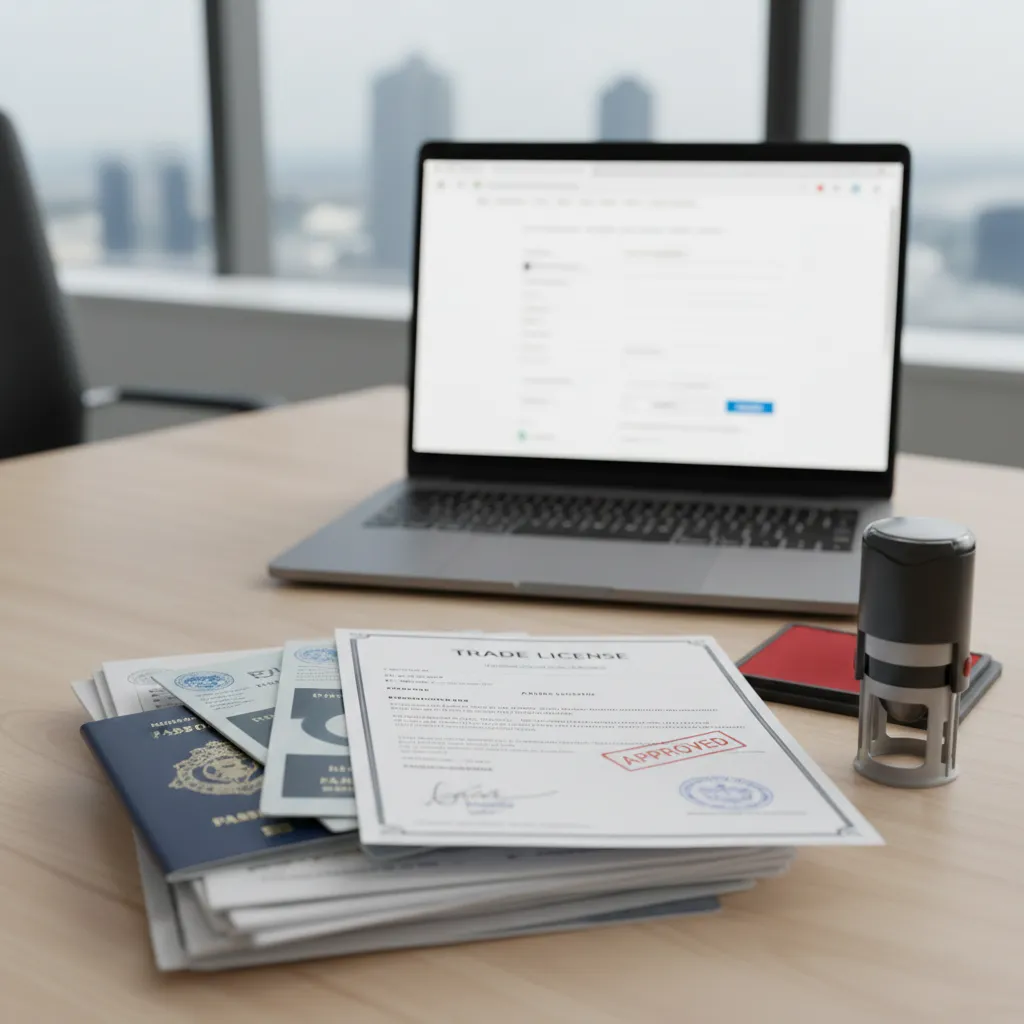
The licensing requirements for UAE businesses are designed to categorize and regulate economic activities. While the core process might seem similar across emirates, the specifics, fees, and required documentation can vary significantly. It’s always best to consult with local authorities or a business setup specialist to get the most accurate and up-to-date information for your specific situation.
For corporations, the list of required documents for UAE business registration is usually longer. This can include things like a business plan, passport copies of shareholders and managers, specimen signatures, and sometimes audited financial reports. For individuals, especially freelancers, the process might be a bit more streamlined, often requiring a CV and a bank reference letter.
Why Choose Ripple Business Setup for Company Formation in the UAE
Setting up a business in the UAE can feel confusing, especially when each emirate has different rules, costs, and license types. Ripple Business Setup helps make the process simple and clear. Our team guides you through choosing the right emirate, selecting the correct license, and completing all legal steps without delays. Whether you want a mainland company, free zone business, or offshore setup, we handle the paperwork, approvals, and registration from start to finish. For expert support, contact Ripple Business Setup at +971 50 593 8101, email info@ripplellc.ae, or WhatsApp +971 4 250 0833.
Conclusion: Choosing the Right Emirate for Your Business
So, you’ve gone through the details of setting up a business in each of the seven UAE emirates. It’s a lot to take in, right? Deciding where to plant your flag is a big step, and honestly, there’s no single ‘best’ answer for everyone. It really boils down to what your business needs and what your goals are.
Think about it this way:
- Abu Dhabi is the capital, so it’s got that government and corporate vibe. Good if you’re looking to work with big players or government entities.
- Dubai is the obvious choice for many, especially if you’re in trade, tourism, or anything that thrives on a global stage. It’s busy, connected, and has a huge international presence.
- Sharjah leans more towards culture and industry. If your business fits that mold, or you’re looking for a more traditional industrial base, it’s worth a look.
- Ajman and Umm Al Quwain are often seen as more emerging markets. They can offer lower costs, which might be attractive if you’re just starting out or have a niche product.
- Ras Al Khaimah is pushing hard in manufacturing and tourism, so if that’s your sector, it’s definitely a contender. Fujairah, with its port, is a natural fit for maritime and energy-related businesses.
When you’re weighing your options, remember the key factors we talked about: license types, office space needs, and of course, the costs. A company formation in Dubai and Abu Dhabi might have different price tags and requirements compared to setting up enterprises in the UAE elsewhere.
The UAE company formation guide you’ve been reading is meant to give you a clear picture. Don’t get bogged down in every tiny detail at first. Focus on the big picture: where does your business fit best? What kind of support will you need? What’s your budget?
Ultimately, the best emirate for your business is the one that aligns with your vision, offers the right regulatory environment, and provides the market access you need to succeed. Take your time, do your homework, and choose wisely. This guide to setting up enterprises in the UAE is just the start of your journey.
Picking the right emirate for your business is a big decision. Each place has its own special benefits. Think about what your company needs most. We can help you figure it all out. Visit our website to learn more and get started today!

Frequently Asked Questions
How much does it generally cost to start a business in the UAE?
The cost can really change depending on where you set up and what kind of business you have. A business in a free zone might start around AED 10,000 to AED 15,000. Setting up on the mainland could be a bit more, maybe AED 15,000 to AED 25,000. Offshore companies are also an option, often costing between AED 12,000 and AED 20,000.
What’s the price for a business license in Dubai?
The price of a business license in Dubai depends on what your business does. For example, a commercial license might cost between AED 10,000 and AED 20,000. A professional license could be around AED 10,000 to AED 15,000. There are also extra fees for things like registering your business name and getting an office space.
Can I get visas for my workers?
Yes, you can! Both mainland and free zone companies in the UAE can help their employees get visas. The number of visas you can get usually depends on how big your office is and how large your company is. Sometimes, free zones even include visa packages when you set up your business there.
Are there special rules for starting a business in Dubai?
Yes, there are rules, and they can be different depending on where you set up. For mainland businesses, you might need a local partner or someone to act as your agent. Some mainland companies also need a certain amount of money to start. You’ll also need an office space, though some free zones offer flexible options like ‘flexi-desks’.
Is it cheaper to start a business in a free zone than on the mainland?
Usually, yes. Free zones often have lower costs to get started. You also don’t need a local partner, and the rules about office space are more flexible. Setting up on the mainland can cost more because of fees for local partners, office rent, and getting government approvals.
What unexpected costs might pop up when I start a company in Dubai?
Watch out for costs like office rent and registering your lease (Ejari). Getting visas for yourself and employees can also add up. Don’t forget about the fees for opening a business bank account and the yearly costs to renew your licenses and visas. You might also need to pay for legal or accounting help.
Disclaimer: This content is for general informational purposes only and may not reflect the latest regulatory updates. Business setup costs, rules, and licensing requirements in the UAE may change. Always confirm details with official authorities or professional consultants before making decisions.