
Thinking about setting up a DIFC Foundation? It’s a smart move for protecting your assets and planning for the future. This guide breaks down what you need to know about the DIFC Foundation setup, making it easier to understand the process and the benefits. We’ll cover why the DIFC is a good place for this and what steps are involved. Let’s get started on securing your legacy.
What is a DIFC Foundation?
A DIFC Foundation is a distinct legal entity established within the Dubai International Financial Centre (DIFC). Think of it as a corporate structure, but one that doesn’t have shareholders or members like a typical company. Instead, it’s set up for a specific purpose, which could be managing wealth, planning for the future distribution of assets, or even for charitable causes. It’s governed by a Council, and it can own assets directly in its own name, which is a key difference from other structures like trusts.
The DIFC Foundation operates under its own set of laws, specifically the DIFC Foundations Law. This provides a clear legal framework for how it functions and how assets are managed. It’s administered by the DIFC Registrar of Companies, which means there’s a formal oversight body ensuring compliance.

Key components of a DIFC Foundation typically include:
- Founder: The individual or entity that establishes the foundation and sets out its initial purpose.
- Foundation Council: The body responsible for managing the foundation’s assets and operations according to its charter.
- Beneficiaries: Those individuals or entities who are intended to benefit from the foundation’s activities.
- Guardian (Optional): An individual or entity appointed to oversee the Foundation Council and ensure it acts in accordance with the founder’s wishes.
This structure offers a high degree of flexibility and control, making it a popular choice for families and individuals looking to organize their affairs in a predictable and legally sound environment. The DIFC itself is a well-regarded financial hub, offering a robust legal system based on English common law principles, which provides a sense of familiarity for international investors and advisors. This legal certainty is a significant draw for those managing assets across different jurisdictions. For more on setting up entities in the DIFC, you can check out this DIFC business setup guide.
The DIFC Foundation provides a structured way to manage assets and plan for succession, offering a clear legal pathway distinct from traditional corporate or trust arrangements.
Why Establish a Foundation in the DIFC?
So, why would someone go through the process of establishing a private foundation DIFC? It’s not just about having a fancy legal structure; it’s about getting serious about wealth protection and making sure your assets go where you want them to, when you want them to. For families with assets spread across different countries, this is a big deal. The Dubai International Financial Centre (DIFC) offers a unique environment that makes this whole process much more straightforward and secure.
Asset Protection and Succession Planning
When you’ve worked hard to build wealth, the last thing you want is for it to get tied up in complicated legal battles or end up with the wrong people. Establishing a family foundation DIFC is a smart move for safeguarding your assets. It creates a separate legal entity that can hold your wealth, shielding it from personal creditors or unexpected claims. This structure is particularly useful for succession planning, allowing for a clear and orderly transfer of assets to future generations. It helps avoid the lengthy probate processes that can sometimes occur with wills, especially when dealing with international assets. It’s about making sure your legacy is protected and passed on according to your wishes, not dictated by complex legal procedures in multiple jurisdictions.
Confidentiality and Privacy
In today’s world, privacy is a big concern. A DIFC Foundation offers a high degree of confidentiality. Unlike some other jurisdictions, the details of the foundation’s beneficiaries and assets are not typically made public. This means your family’s financial affairs remain private, away from prying eyes. The DIFC operates under English common law principles, which are familiar to many international advisors and institutions, adding a layer of predictability and trust. This legal certainty is a major draw for families looking to consolidate their financial oversight in a single, stable location. It’s about having control over who knows what about your wealth.
Tax Efficiency
While not the only reason, tax efficiency is certainly a significant benefit of establishing a foundation in the DIFC. As a free zone entity, DIFC foundations can benefit from a 0% corporate tax rate on qualifying income. This can make a substantial difference in preserving wealth over the long term. Furthermore, the UAE has a network of double tax avoidance agreements, which can help manage cross-border tax implications more effectively. It’s not about avoiding taxes altogether, but about structuring your affairs in a way that is legally compliant and minimizes unnecessary tax burdens. This allows more of your wealth to remain within the family or be directed towards its intended purposes, whether that’s for future generations or charitable causes. For those looking at DIFC company formation for wealth protection, the tax advantages are a key consideration.
The DIFC provides a stable, common-law based legal framework that is recognized internationally. This predictability is a major advantage for families managing assets across different countries, offering a reliable structure for wealth management and succession planning.
Setting up a foundation here means you’re placing your assets within a jurisdiction known for its robust regulatory environment and strategic location. It’s a way to bring order and security to complex financial arrangements, making it easier to manage investments, real estate, and other holdings across borders. The concentration of financial services firms and professional advisors within the DIFC also means that support is readily available, simplifying the administration of your foundation. You can find more information on setting up various entities in Dubai through the Dubai Department of Economy & Tourism resources.
Key Features and Benefits of DIFC Foundations
Setting up a foundation in the Dubai International Financial Centre (DIFC) brings a lot of advantages, especially if you’re thinking about managing wealth or planning for the future. It’s not just about having a legal structure; it’s about creating a solid plan for your assets and making sure they go where you intend them to. The DIFC offers a really stable environment for this, drawing on English common law principles, which many international investors and advisors are already familiar with. This legal certainty is a big deal when you have assets spread across different countries.
One of the main draws is the flexibility it provides. Unlike some other structures, a DIFC Foundation is its own legal entity. This means it can own assets directly, which simplifies things a lot. It’s governed by a council, and you can appoint members who will oversee its purpose. This structure is quite different from a trust, where you rely on trustees. With a foundation, you have more direct control over its ongoing management and objectives.
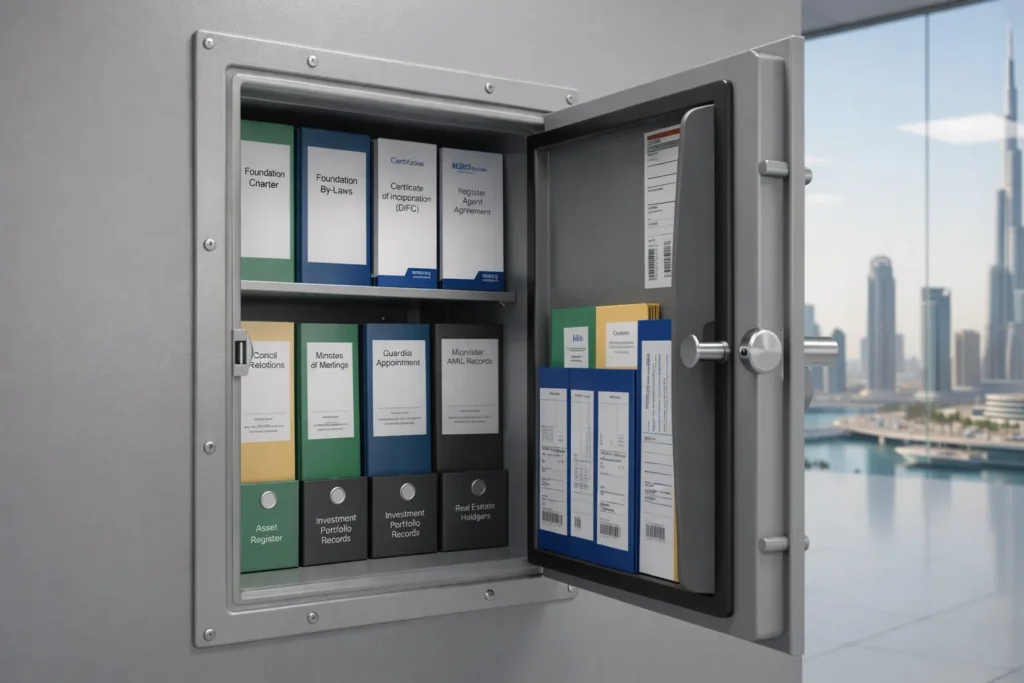
Here are some of the standout features and benefits:
- Asset Protection: The foundation acts as a separate legal person, holding your assets independently. This can shield them from personal creditors or claims, providing a strong layer of protection for your wealth. This is a significant benefit of DIFC foundation for assets.
- Succession Planning: It offers a clear and structured way to pass on wealth to beneficiaries. You can define the terms of distribution in the foundation’s charter, making the process smoother for future generations and avoiding potential disputes.
- Confidentiality: The DIFC framework places a high value on privacy. Information about the foundation and its beneficiaries is kept confidential, which is important for many families managing significant wealth.
- Tax Efficiency: While not a tax haven, the DIFC provides a competitive tax environment. Foundations can benefit from the UAE’s 0% corporate tax on qualifying income, and the country’s network of double tax treaties can help manage cross-border tax implications effectively. This is one of the key benefits of DIFC foundation.
- Regulatory Stability: Operating within the DIFC means adhering to regulations set by the Dubai Financial Services Authority (DFSA). This robust regulatory framework, based on international standards, provides confidence to international investors and aligns with global best practices in wealth management.
The DIFC’s strategic location and its concentration of financial services firms, including many DIFC wealth management services providers, create a unique ecosystem. This makes it easier to manage complex international affairs from a single, well-regulated jurisdiction.
For families and individuals looking to consolidate their financial oversight and secure their legacy, the DIFC Foundation presents a compelling solution. It’s about more than just asset holding; it’s about creating a lasting structure that reflects your wishes and protects your wealth for years to come. The DIFC wealth management services available here are designed to support these complex needs.
The DIFC Foundation Setup Process
Setting up a foundation in Dubai, specifically within the Dubai International Financial Centre (DIFC), involves a structured approach to ensure all legal requirements for a DIFC foundation are met. This process is key to effective DIFC private wealth structuring.
Choosing a Foundation Name
The first step is selecting a unique name for your foundation. The name must not be identical or too similar to existing registered names and should adhere to the DIFC’s naming conventions. It’s a good idea to have a few options ready, as your first choice might already be taken. The Registrar of Companies will review and approve the proposed name.
Appointing Foundation Council Members
A foundation must have a Council, which is responsible for its governance and management. You’ll need to appoint individuals to serve on this Council. These members should be trustworthy and capable of fulfilling their fiduciary duties. The specific number of members and their qualifications might be detailed in the foundation’s charter, but generally, a minimum of one member is required. Their roles and responsibilities are critical for the foundation’s operation.
Drafting the Foundation’s Charter and Regulations
This is perhaps the most detailed part of setting up a foundation in Dubai. The Charter is the foundational document that outlines the foundation’s purpose, its beneficiaries, and the powers of the Council. It’s essentially the constitution of the foundation. Alongside the Charter, Regulations are drafted to provide more specific operational guidelines. These documents must clearly define:
- The Foundation’s Purpose: Whether it’s for wealth management, succession planning, charitable aims, or a combination.
- Beneficiaries: Who will benefit from the foundation and under what conditions?
- The Council’s Powers and Duties: How decisions will be made, and assets managed.
- The Founder’s Role: If the founder retains any specific rights or powers.
- The Guardian’s Role (Optional): If an independent guardian is appointed to oversee the Council.
The creation of these documents requires careful consideration of your long-term objectives. It’s not just about ticking boxes; it’s about building a robust framework that will serve its intended purpose for years to come. Getting this right from the start can prevent future complications and disputes.
Meeting the legal requirements for a DIFC foundation means submitting these documents, along with other necessary application forms and identification, to the DIFC Registrar of Companies. The entire process, from initial consultation to final registration, typically takes several weeks, depending on the complexity of the structure and the completeness of the submitted information. Engaging with a DIFC-licensed Corporate Service Provider is highly recommended to guide you through these steps and ensure compliance.
Ongoing Compliance and Administration

Setting up a DIFC Foundation is just the first step; keeping it running smoothly requires ongoing attention to compliance and administration. Think of it like maintaining a house – you can’t just build it and forget about it. There are regular tasks and responsibilities to handle to make sure everything stays in good order and in line with the DIFC’s rules.
One of the main things is keeping accurate financial records. This isn’t just about knowing where your money is going; it’s a regulatory requirement. You’ll need to maintain these records diligently and be ready to report them to the DIFC when asked. This includes things like:
- Detailed accounting of all foundation assets and transactions.
- Records of any distributions made from the foundation.
- Documentation of any professional advice received or services procured.
Beyond record-keeping, there’s the matter of annual renewals. Your foundation’s license or registration will need to be renewed each year. It’s important to be aware of the deadlines for these renewals, which are typically due within 30 days of your foundation’s anniversary date. Missing these can lead to penalties or even the revocation of your foundation’s status.
Anti-money laundering (AML) and Know Your Customer (KYC) frameworks also need continuous attention. While you might have put these in place during the setup phase, they aren’t static. You need to ensure your processes remain effective and up-to-date with any changes in regulations or best practices. This might involve periodic reviews of your customer due diligence procedures and ongoing monitoring of transactions.
Operating a foundation in the DIFC means staying current with regulatory obligations. This isn’t a ‘set it and forget it’ situation. Proactive management of compliance tasks helps avoid unexpected issues down the line and preserves the integrity of your wealth structure.
Finally, consider the need for professional support. Depending on the complexity of your foundation and its assets, you might need to engage with legal counsel, tax advisors, or corporate service providers on an ongoing basis. These professionals can help you navigate any changes in legislation, manage cross-border complexities if your assets are held internationally, and ensure your foundation continues to meet all its administrative and compliance duties. For instance, if your foundation holds international assets, understanding the regulatory landscape in Abu Dhabi and other jurisdictions becomes important.
Conclusion: Securing Your Legacy with a DIFC Foundation
So, you’ve looked into what a DIFC Foundation is and why setting one up in the Dubai International Financial Centre makes a lot of sense for managing wealth and planning for the future. It’s not just about putting assets somewhere safe; it’s about creating a structure that can actually last through generations. Think of it as building a solid framework for your family’s financial story.
Setting up a foundation isn’t a small decision, and it involves a few key steps to get it right. You’ll need to pick a name that fits, get the right people on board for the Foundation Council, and then draft the important documents the Charter and Regulations. These aren’t just formalities; they’re the blueprints for how your foundation will operate, ensuring it sticks to your wishes.
Here’s a quick rundown of what makes a DIFC Foundation a strong choice:
- Asset Protection: It creates a separate legal entity, meaning your assets are shielded from personal liabilities or unexpected claims.
- Succession Planning: It provides a clear, structured way to pass on wealth to beneficiaries, avoiding potential disputes or delays.
- Confidentiality: The DIFC framework offers a high degree of privacy for your financial affairs.
- Legal Certainty: Operating under English common law principles within the DIFC provides a predictable legal environment, which is a big deal when dealing with international assets.
The real value of a DIFC Foundation lies in its ability to provide a predictable and robust structure for long-term wealth stewardship. It moves beyond simple asset holding to become a vehicle for family governance and legacy preservation.
Maintaining the foundation is an ongoing task, requiring attention to compliance and administration. But the peace of mind that comes from knowing your legacy is protected and managed according to your intentions is significant. It’s about more than just money; it’s about values and continuity for your family. If you’re serious about securing your financial future and that of your descendants, exploring a DIFC Foundation is a very sensible next step.
Setting up a DIFC Foundation is a smart move to protect what you’ve built. It’s like creating a strong shield for your assets and ensuring they go where you want them to. Think of it as a way to make sure your hard work benefits your loved ones or chosen causes for years to come. Ready to learn more about how this can work for you? Visit our website today to get started!
Wrapping Up Your DIFC Foundation Setup
So, setting up a DIFC Foundation for your wealth management needs might seem like a big task, but it really boils down to getting the structure right for what you want to achieve. We’ve talked about why the DIFC makes sense, from its legal setup to its location, and how a Foundation can be a solid way to manage assets, plan for the future, or even handle charitable giving. It’s not just about the paperwork; it’s about creating a clear plan that works for your family, now and for years to come. If you’re thinking about this, it’s always a good idea to chat with people who know the ins and outs to make sure you’re on the right track for your specific situation.
How Ripple Business Setup Can Help!
At Ripple Business Setup, we help families and high-net-worth individuals structure and protect their wealth through trust formation in the United Arab Emirates. We guide you through legal structuring, documentation, and compliance so your assets can be managed, preserved, and transferred smoothly across generations. We also support trust registration in leading financial jurisdictions, helping ensure confidentiality, asset protection, and long-term estate planning that aligns with UAE regulations.
To start your UAE trust registration or get expert guidance, contact us at +971 50 593 8101, email info@ripplellc.ae, or WhatsApp +971 4 250 0833. Our advisors provide step-by-step support for family wealth structuring, trust formation, and full legal compliance in the UAE.
Frequently Asked Questions
What exactly is a DIFC Foundation?
Think of a DIFC Foundation as a special kind of organization, like a club, that’s legally recognized in the DIFC. It’s a separate entity that can own things in its own name. It’s set up to manage wealth, plan for when someone passes away, or for charity. Unlike a company with owners, it’s run by a council and doesn’t have shareholders.
Why would someone want to create a foundation in the DIFC?
People choose the DIFC for foundations because it’s a safe place to keep their money and assets protected. It helps make sure their wealth goes to the right people when they’re no longer around. It’s also very private, and often the tax rules are favorable, making it a smart choice for managing large amounts of money.
How does a DIFC Foundation help protect assets?
A foundation acts like a shield for your assets. Because it’s a separate legal entity, your personal assets are generally protected from creditors or legal claims against you. This means your wealth is safer and can be passed down as planned without unwanted interference.
What’s the process for setting up a DIFC Foundation?
Setting one up involves a few key steps. First, you pick a unique name for your foundation. Then, you appoint people to a council who will manage it. Finally, you create important documents called the Charter and Regulations, which explain how the foundation will work and what its goals are.
Is it complicated to keep a DIFC Foundation running after it’s set up?
There are rules to follow, like keeping good records and sending in reports to the DIFC authorities. It’s important to stay up-to-date with these requirements to ensure the foundation continues to operate smoothly and legally. Think of it like ongoing maintenance for your financial structure.
Who typically uses DIFC Foundations?
These foundations are often used by wealthy families who want to plan for the future of their assets and ensure a smooth transfer to the next generation. They are also useful for people who want to support charities or manage significant investments in a secure and well-organized way.
Disclaimer: This content is for general informational purposes only and does not constitute legal or financial advice. Trust regulations and requirements may change. Always consult qualified professionals before making legal or financial decisions.