

Legacy planning is no longer just about passing down assets. In 2026, it became a structured approach to protect wealth, reduce risk, and ensure long-term family stability. Many families face issues like global tax exposure, cross-border assets, and internal disputes. Without a proper system, wealth often declines within two or three generations.
What Legacy Planning Really Means Today
Legacy planning is the process of managing and transferring wealth while preserving family values, control, and long-term goals. It goes beyond basic estate distribution and focuses on continuity. When we compare estate vs legacy planning, the difference is clear. Estate planning mainly handles wills and asset distribution after death. Legacy planning includes wealth transfer planning, governance, and long-term strategy for future generations.
Modern families need more than a will because assets are now global, tax rules are complex, and family structures are evolving. A simple document cannot handle these challenges. A structured plan is essential.
Why Foundations Are a Smart Tool for Legacy Planning in 2026

A foundation is a legal structure that holds and manages assets for a specific purpose. Instead of individuals owning assets directly, the foundation becomes the owner, and beneficiaries receive benefits based on defined rules.
High-net-worth families and business owners use foundations because they provide control, protection, and flexibility.
Key benefits of foundation setup for wealth protection:
- Asset protection from personal liabilities
- Privacy and confidentiality of ownership
- Tax efficiency depending on jurisdiction
- Smooth and controlled wealth transfer
A private foundation setup is now a preferred solution for family wealth planning because it creates a clear system that lasts beyond one generation.
Secret 1: Separate Ownership from Control Using a Foundation
One of the most effective legacy planning strategies is separating ownership from control. In a foundation structure, the foundation owns the assets, not individual family members. This approach reduces risk. Beneficiaries do not directly control the assets, which helps prevent misuse, emotional decisions, or legal disputes. Instead, assets are managed according to predefined rules.
For example, a business owner can transfer company shares into a foundation. The foundation holds ownership, while family members receive benefits such as income or dividends. This ensures the business remains stable and avoids conflicts during succession.
This method supports generational wealth planning because it creates continuity and protects assets from fragmentation.
Secret 2: Build a Clear Family Governance Structure Early
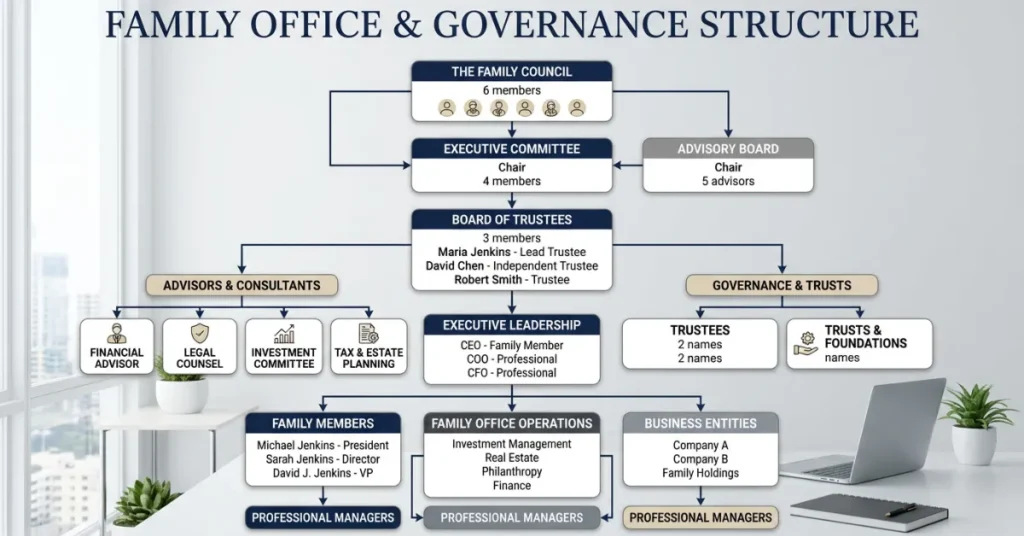
Many families lose wealth not because of poor investments, but because of poor governance. Without clear rules, disagreements and confusion can quickly arise. A strong family governance structure defines how decisions are made and how wealth is managed. It brings clarity and reduces conflict.
Key elements of effective governance:
- Who makes key financial decisions
- How funds are distributed among beneficiaries
- Conditions for inheritance or access to wealth
- Role of trustees, advisors, or family council
In inheritance planning 2026, governance is not optional. It is essential. Families that define rules early are more likely to preserve wealth across generations.
Secret 3: Align Wealth with Family Values and Long-Term Purpose
Legacy planning is not just about money. It is about purpose. Families that align wealth with shared values create stronger and more lasting legacies. This means defining what the wealth is meant to achieve. It could be education, social impact, or business continuity. When the purpose is clear, decisions become easier and more consistent.
For example, a foundation can allocate funds for:
- Education support for future generations
- Charity and philanthropic projects
- Long-term business growth
This approach strengthens family wealth planning and ensures that assets are used in a meaningful way. It also helps younger generations understand responsibility and long-term thinking.
Common Legacy Planning Mistakes to Avoid
Many families make avoidable mistakes that weaken their legacy planning efforts. Identifying these risks early can save time, money, and conflict.
Common mistakes include:
- Relying only on a will without any structure
- Not using a foundation or legal framework
- Ignoring tax implications across jurisdictions
- Lack of communication within the family
- Failing to update the plan over time
Avoiding these issues is a key part of effective asset protection strategies.
Legacy Planning for Business Owners in 2026
Business owners face unique challenges when it comes to legacy planning. Without a clear plan, businesses often struggle during transitions. Succession risks include ownership disputes, management gaps, and financial instability. A structured approach is needed to ensure continuity. Foundations can play a key role by holding business shares and defining how control is transferred. This reduces uncertainty and protects the company’s future. Legacy planning for business owners should always include wealth transfer planning, governance, and a clear succession roadmap.
How Our Experts at Ripple Business Setup Support Legacy Planning
Legacy planning becomes more effective when it is structured with the right legal and financial foundation. Our team focuses on building strong frameworks through foundation setup, ensuring long-term asset protection and smooth wealth transfer. We guide families and business owners through every step, from planning to execution, with a clear and practical approach.
Our process includes identifying the right structure, defining governance rules, and aligning wealth with long-term family goals. We ensure compliance with relevant regulations while keeping the structure flexible for future changes. This helps reduce risks, avoid disputes, and maintain control across generations. For professional support, contact Ripple Business Setup at +971 50 593 8101, email info@ripplellc.ae, or WhatsApp +971 4 250 0833.
FAQs
What is legacy planning and why is it important?
Legacy planning is the process of managing and transferring wealth while preserving family values and long-term goals. It is important because it ensures continuity and reduces risks.
How is legacy planning different from estate planning?
Estate planning focuses on asset distribution after death, while legacy planning includes governance, strategy, and long-term wealth management.
What is a family foundation?
A family foundation is a legal structure that holds assets and manages them for the benefit of family members based on defined rules.
Who should consider legacy planning?
Business owners, high-net-worth individuals, and families with long-term financial goals should consider legacy planning.
When should I start legacy planning?
The best time to start is as early as possible. Early planning allows better control and stronger long-term outcomes.
Conclusion
Legacy planning is about more than passing down wealth. It is about creating a system that protects assets, reduces risk, and supports future generations. Foundations provide a reliable structure that brings clarity and long-term control. They help families avoid common mistakes and maintain stability. Starting early is always better. A well-structured plan today can secure your family’s future for decades.
Disclaimer: This content is for general informational purposes only and does not constitute legal, tax, or financial advice. Legacy planning strategies may vary based on individual circumstances and jurisdiction. It is recommended to consult qualified professionals before making any decisions.