
Asset protection and international wealth planning have become key priorities for entrepreneurs, investors, and family businesses operating globally. Many high-net-worth individuals now look for stable jurisdictions where they can structure their assets safely and manage succession efficiently. The United Arab Emirates has gradually become one of the preferred locations for this purpose.
An Offshore Trust in the UAE provides a legal structure that allows individuals to hold and manage assets through a trustee for the benefit of chosen beneficiaries. It separates ownership from control, which helps protect wealth from legal disputes, business risks, and uncertain tax environments.
What is an Offshore Trust?
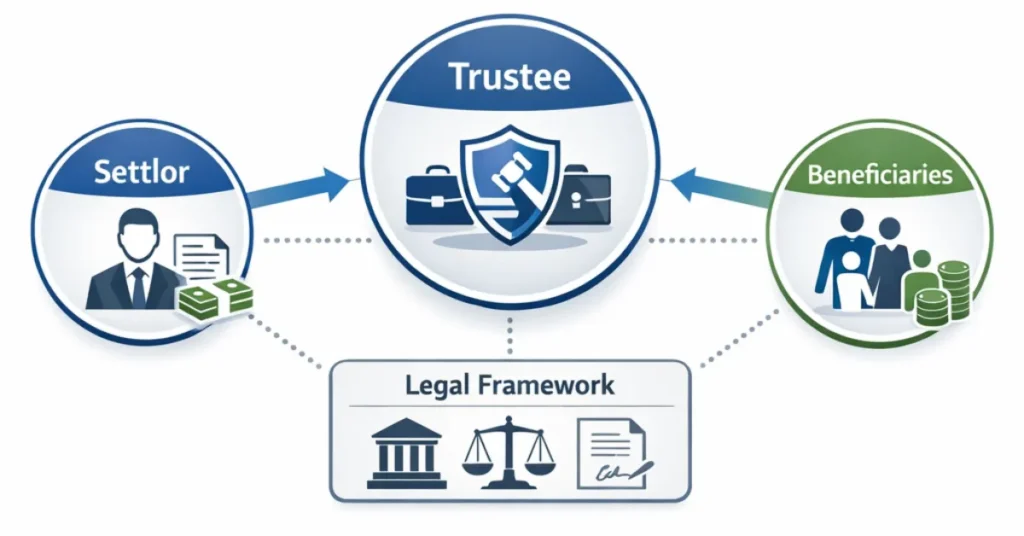
An offshore trust is a legal arrangement where a person known as the settlor transfers assets to a trustee, who manages those assets for the benefit of beneficiaries.
Unlike a traditional company structure, a trust does not operate as a business entity. Instead, it functions as a legal relationship governed by trust law. The trustee holds legal ownership of the assets, while beneficiaries receive the benefits based on the terms defined in the trust deed.
Key parties involved in a trust structure
- Settlor: The individual who creates the trust and transfers assets into it
- Trustee: A person or licensed firm responsible for managing the trust
- Beneficiaries: Individuals or entities that receive financial benefits
- Protector (optional): A person appointed to supervise the trustee
In the UAE, offshore trusts are often used together with offshore companies or foundations to create strong asset protection and estate planning structures.
Why the UAE is Popular for Offshore Trust Structures
The UAE has become a global hub for wealth management due to its legal stability, investor-friendly regulations, and strong financial infrastructure.
Several jurisdictions in the UAE offer modern frameworks for trust and foundation structures, including financial free zones that follow international legal standards.
Key reasons investors choose the UAE
- Strong legal system based on international practices
- Political and economic stability
- No personal income tax
- Confidentiality in financial structures
- Access to global banking and investment services
For international entrepreneurs who already operate businesses in the Middle East, structuring wealth through a UAE offshore trust can be a practical solution.
Major Offshore Trust Benefits in the UAE

Offshore trusts provide several advantages for individuals managing international assets or planning generational wealth transfer.
1. Asset Protection
One of the main reasons investors establish offshore trusts is to protect their assets from potential legal claims, creditors, or financial risks.
When assets are transferred into a trust, they are legally separated from the personal ownership of the settlor. This means they may not be directly accessible in case of lawsuits or financial disputes.
Examples of protected assets include:
- Real estate holdings
- Shares in international companies
- Investment portfolios
- Intellectual property rights
This structure helps families safeguard long-term wealth from unexpected liabilities.
2. Efficient Estate and Succession Planning
Estate planning can become complex when assets exist in multiple countries. Different inheritance laws and tax systems may create complications for heirs.
An offshore trust simplifies this process by clearly defining how assets should be distributed after the settlor’s lifetime.
Benefits include:
- Avoiding probate procedures
- Faster asset distribution to beneficiaries
- Clear instructions for wealth transfer
- Reduced family disputes
Many family businesses use trust structures to ensure continuity across generations.
3. Confidentiality and Privacy
Privacy is another important advantage of offshore trusts. In most cases, trust structures provide a level of confidentiality regarding asset ownership and beneficiary details.
While regulatory authorities maintain compliance oversight, public disclosure requirements are usually limited compared to traditional company ownership records.
For high-net-worth individuals managing global investments, this level of privacy can be valuable.
4. Tax Planning Opportunities
The UAE is widely known for its tax-friendly environment. While tax treatment depends on the settlor’s country of residence, an offshore trust can help structure international wealth efficiently.
Potential tax planning advantages include:
- No UAE personal income tax
- No capital gains tax in many cases
- No inheritance tax within the UAE
- Flexible international tax structuring
It is still important to consult tax advisors in the settlor’s home country, as global tax regulations vary.
5. Business Ownership Structuring
Many entrepreneurs use offshore trusts to hold shares in operating companies across multiple jurisdictions. This structure creates a clear separation between business operations and personal wealth ownership.
For example:
A technology entrepreneur operating companies in Asia, Europe, and the Middle East may place all company shares under a single offshore trust. The trustee manages the ownership structure while the entrepreneur retains control through defined governance rules. This approach simplifies management and ensures continuity if the business expands internationally.
Offshore Trust vs Offshore Company
Some investors confuse offshore trusts with offshore companies, but the two structures serve different purposes.
Offshore Trust
Used mainly for:
- Asset protection
- Estate planning
- Wealth management
- Family asset structures
Offshore Company
Used mainly for:
- International business operations
- Holding assets or investments
- Trading or consultancy services
In many cases, both structures work together. A trust may own an offshore company that holds business assets or investments.
Key Jurisdictions Offering Trust Structures in the UAE
Several UAE jurisdictions provide modern frameworks for offshore trusts and similar structures.
Dubai International Financial Centre (DIFC)
DIFC operates under an independent legal system based on common law. It offers well-developed trust regulations and professional trustee services.
Abu Dhabi Global Market (ADGM)
ADGM also follows common law principles and has introduced advanced legislation for trusts and foundations.
Both jurisdictions attract international investors due to their transparency and global credibility.
Steps to Set Up an Offshore Trust in the UAE

Setting up an Offshore Trust in the UAE requires careful planning and proper legal documentation. Each stage ensures that the trust structure works as intended, protects assets, and complies with financial regulations. While the exact process may vary depending on the jurisdiction and trustee firm, most offshore trust formations follow the steps below.
Step 1: Define the Purpose and Objectives of the Trust
The first step is to clearly define why the trust is being created. This stage is important because the structure, legal provisions, and asset distribution rules will depend on the trust’s purpose.
Many individuals establish offshore trusts for long-term financial planning rather than short-term investment needs. Common objectives include protecting personal assets from potential legal risks, organising wealth for future generations, or managing international investments under one structure.
For example, a business owner who operates companies in multiple countries may want to place company shares under a trust to protect ownership and simplify inheritance planning. Similarly, families with large real estate portfolios often use trusts to ensure smooth wealth transfer to heirs.
During this stage, advisors usually analyse the type of assets involved, the beneficiaries who will receive benefits, and the long term financial goals of the settlor. This helps design a trust structure that fits the family or business situation.
Step 2: Choose a Licensed Trustee
A trustee is the person or professional firm responsible for managing the trust and its assets. In the UAE, trustees are usually licensed corporate service providers or financial institutions operating within regulated jurisdictions.
Selecting the right trustee is a critical decision because the trustee holds legal ownership of the trust assets and must manage them according to the trust deed.
A professional trustee typically handles responsibilities such as:
- Managing and safeguarding trust assets
- Ensuring compliance with legal and financial regulations
- Maintaining financial records and documentation
- Distributing benefits to beneficiaries based on the trust terms
- Acting in the best interest of beneficiaries at all times
In many cases, the settlor may also appoint a protector. This person oversees the trustee’s actions and can approve certain decisions, which adds an extra layer of control and protection.
Step 3: Draft the Trust Deed
The trust deed is the legal document that creates the trust and defines how it will operate. This document acts as the rulebook for the trustee and beneficiaries.
A well-structured trust deed normally includes several important elements.
- Beneficiaries: The deed identifies the individuals or entities that will receive benefits from the trust. These may include family members, charities, or future generations.
- Trustee Powers: This section defines what the trustee is allowed to do. For example, it may include powers to manage investments, sell assets, or distribute income to beneficiaries.
- Asset Distribution Rules: The trust deed explains when and how beneficiaries will receive financial benefits. Some trusts distribute income annually, while others release assets after certain conditions are met, such as reaching a specific age.
- Governance Structure: The document also outlines how the trust will be supervised. This may include appointing a protector, defining decision-making procedures, and establishing rules for replacing a trustee if necessary.
A clear and detailed trust deed helps prevent disputes and ensures that the settlor’s wishes are followed in the future.
Step 4: Transfer Assets into the Trust
Once the trust structure is legally established, the next step is to transfer assets into the trust. This process is known as trust funding.
Assets transferred to the trust may include:
- Shares in international or UAE companies
- Real estate properties
- Investment portfolios and securities
- Intellectual property rights
- Cash deposits or financial instruments
When assets are transferred, legal ownership moves from the settlor to the trustee. However, the trustee must manage those assets strictly according to the trust deed and for the benefit of the beneficiaries.
For example, if a trust holds shares of a company, the trustee becomes the legal shareholder but must manage those shares in line with the trust’s objectives.
Proper documentation and valuation are required during this stage to ensure regulatory compliance and transparency.
Step 5: Ongoing Trust Administration
After the trust is established and assets are transferred, the structure requires ongoing administration. Trustees are responsible for managing the trust over the long term and ensuring it operates according to legal and regulatory requirements. Typical administrative duties include maintaining financial records, monitoring investments, preparing reports for beneficiaries, and ensuring compliance with international financial regulations. Trustees may also handle distributions to beneficiaries, manage asset sales or acquisitions, and coordinate with legal or tax advisors when necessary. Regular reviews of the trust structure are often recommended, especially if the settlor’s financial situation, family circumstances, or international tax laws change.
Proper administration ensures that the offshore trust continues to provide asset protection, structured wealth management, and long-term financial stability.
Legal and Compliance Considerations
While offshore trusts provide many advantages, they must operate within international regulatory frameworks.
Key compliance areas include:
- Anti-money laundering regulations
- Financial reporting obligations
- Beneficial ownership transparency rules
- Cross-border tax reporting requirements
Professional legal and financial advice is essential before establishing a trust structure.
Is an Offshore Trust Right for You?
An offshore trust may be suitable for individuals who:
- Own assets across multiple countries
- Manage large investment portfolios
- Want structured inheritance planning
- Need asset protection from business risks
However, trusts are not necessary for every investor. The structure should align with long-term financial and legal goals.
How Our Team at Ripple Business Setup Helps You Establish an Offshore Trust in the UAE
Setting up an Offshore Trust in the UAE requires careful legal planning, clear documentation, and compliance with the regulations of financial free zones such as DIFC or ADGM. Our team at Ripple Business Setup guides clients through each stage of the process, from selecting the right jurisdiction to structuring the trust deed and coordinating with licensed trustees. We focus on asset protection, succession planning, and international compliance so your trust structure supports long-term financial goals. Our advisors work closely with legal and financial professionals to ensure the setup process remains smooth and fully compliant with UAE regulations. For professional assistance, contact Ripple Business Setup at +971 50 593 8101, email info@ripplellc.ae, or reach us on WhatsApp at +971 4 250 0833.
Conclusion
The UAE continues to strengthen its position as a global hub for wealth management and international asset structuring. With stable regulations, modern financial zones, and a tax-friendly environment, it offers a strong foundation for offshore trust structures.
For entrepreneurs, investors, and family businesses managing international assets, an offshore trust can provide long-term protection, clear succession planning, and structured wealth management.
Disclaimer: This article is for informational purposes only and does not constitute legal, financial, or tax advice. Regulations related to offshore trusts and international taxation may change and vary based on jurisdiction. Professional legal and financial consultation is recommended before establishing any offshore trust structure in the UAE.