

Renting a warehouse in Dubai requires careful planning, legal compliance, and a clear understanding of the local business environment. Choosing the right warehouse affects logistics efficiency, storage safety, and operational costs. Following a structured approach ensures compliance with regulations and helps businesses secure a facility that meets their operational needs. This guide outlines 4 essential legal steps to rent a warehouse in Dubai in 2026, helping investors and companies navigate the process efficiently.
Understanding Warehouse Rental in Dubai
When planning to rent a warehouse in Dubai, businesses can select from several types based on their operational requirements:
- Industrial warehouses: suitable for manufacturing and large-scale storage.
- Storage warehouses: ideal for inventory or general goods.
- Cold storage warehouses: essential for perishable items.
- Logistics-focused warehouses: optimized for distribution and freight handling.
Location is critical when selecting a warehouse. Companies often choose between Free Zones and Mainland areas depending on licence requirements, operational flexibility, and tax considerations. Popular industrial zones include:
- Al Quoz: ideal for light industrial and small-scale storage.
- Umm Ramool: cost-effective options for medium-sized businesses.
- Jebel Ali Free Zone: strategic for import/export near the port.
- Dubai South: logistics hub with access to airports and highways.
Being close to ports, airports, and major roads ensures smoother supply chain operations, particularly for logistics and import/export businesses.
Step 1 – Confirm Business Licence and Legal Requirements
Before renting a warehouse, ensure your business activity matches the warehouse’s use. Dubai requires specific approvals depending on whether a business operates in a Free Zone or Mainland.
Key considerations include:
- Free Zone vs Mainland licence requirements.
- Dubai Civil Defence approvals for fire safety compliance.
- Dubai Municipality approvals for industrial and storage operations.
- NOCs (No Objection Certificates) for specialized storage, like cold storage or hazardous materials.
Required permits and compliance checklist:
- Trade licence reflecting warehouse activity.
- Civil Defence fire safety approval.
- Municipality permit for storage and distribution.
- Environmental or hazardous material handling approvals.
Case Example: A logistics company in Dubai South obtained Civil Defence approval for a cold storage warehouse, ensuring compliance with fire safety standards and maintaining proper temperature-controlled storage.
Step 2 – Choosing the Right Warehouse Location
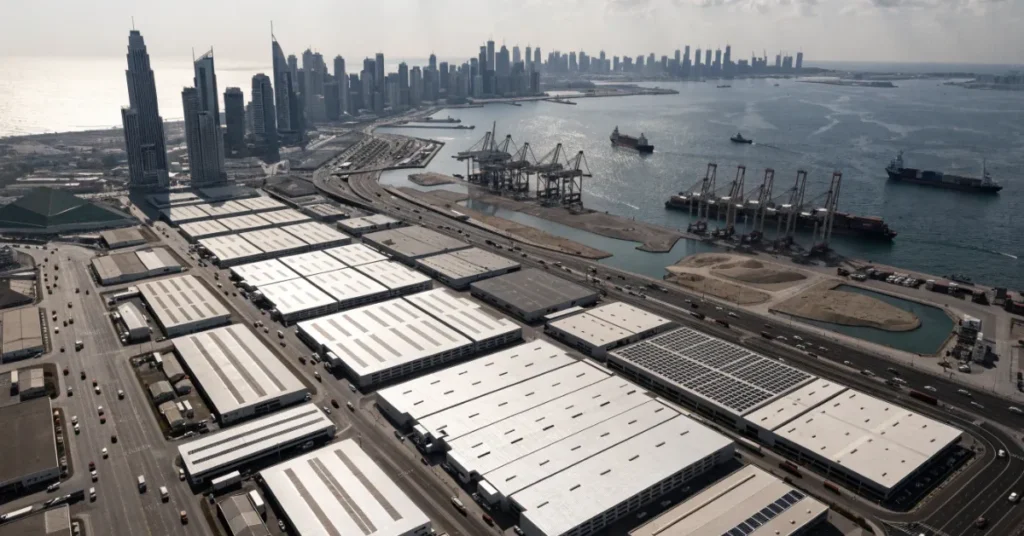
Selecting a strategic warehouse location improves operational efficiency and reduces costs. Key factors include:
- Proximity to clients, suppliers, and ports.
- Access to major highways and transport networks.
- Industrial Zone vs. Free Zone benefits.
Popular warehouse locations in Dubai:
- Jebel Ali Free Zone: ideal for import/export and international trade.
- Al Quoz: light industrial use, lower rental costs.
- Umm Ramool: affordable warehousing with good logistics access.
- Dubai South: suited for large-scale logistics and distribution.
A well-chosen location minimizes transport expenses and improves delivery timelines, crucial for e-commerce and supply chain management.
Step 3 – Understanding Lease Agreements and Costs
Warehouse leases in Dubai vary by type, terms, and location. Understanding the lease structure is critical to avoid unexpected costs.
Lease types:
- Gross lease: rent includes maintenance and service charges.
- Net lease: tenant pays rent plus additional charges such as utilities.
- Land lease: common for large industrial plots.
Important clauses to check:
- Rent escalation terms.
- Maintenance and service responsibilities.
- Lease duration and renewal conditions.
Cost considerations:
- Security deposit (typically 5–10% of annual rent).
- Ejari lease registration fee.
- Utilities and maintenance expenses.
Example: A medium-sized warehouse in Umm Ramool on a net lease may have lower base rent but higher utility responsibilities compared to a gross lease in Al Quoz.
Step 4 – Warehouse Specifications and Operational Readiness
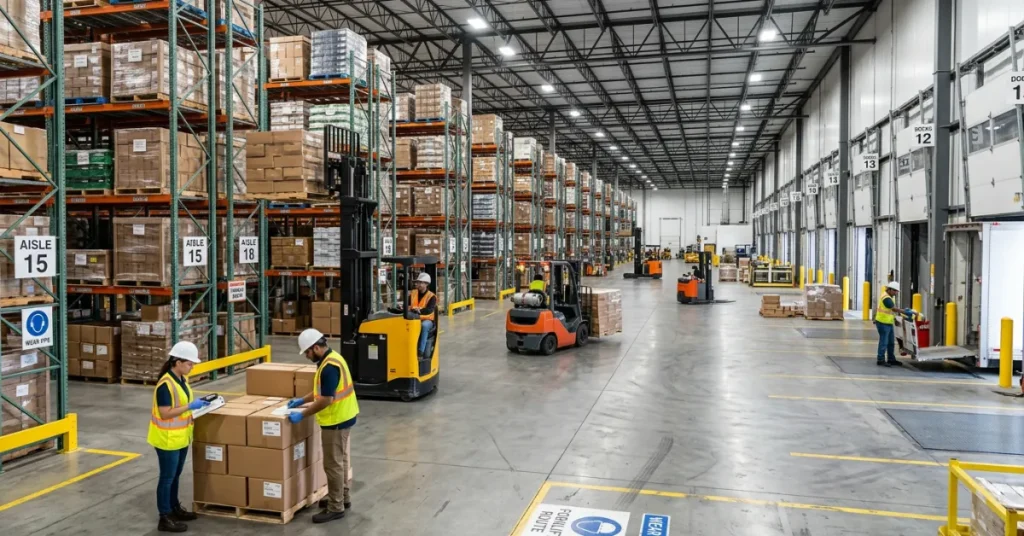
A warehouse must meet operational and regulatory standards before finalizing the lease. Key specifications include:
- Facility specifications: total area, ceiling height, and floor load capacity.
- Loading docks are essential for efficient cargo handling.
- Forklift and equipment access for smooth operations.
- Temperature control is necessary for cold storage or sensitive goods.
- Fire safety compliance and civil defense approvals are mandatory.
- Hazardous material storage requires proper containment and safety measures.
- Power capacity sufficient for machinery or refrigeration needs.
Operational readiness checklist:
- Verify fire safety and Civil Defence approval.
- Check forklift and loading dock accessibility.
- Confirm power supply and ceiling height.
- Ensure specialized storage needs are fulfilled.
Cost Overview and Budgeting Tips
Understanding costs allows businesses to plan effectively. Warehouse rental prices in Dubai 2026 depend on location, size, and facility specifications.
Budget considerations:
- Security deposit.
- Utilities and maintenance fees.
- Ejari registration fee.
- Rent per square foot (varies by industrial zone and Free Zone).
Accurate budgeting helps businesses avoid unexpected costs and negotiate better lease terms.
Tips for Smooth Warehouse Leasing in Dubai
Practical advice for first-time warehouse renters:
- Verify licences and permits before signing any lease.
- Conduct thorough inspections of the facility.
- Negotiate lease terms, including rent escalation and maintenance responsibilities.
- Consider hiring legal or business consultants to ensure compliance and a smooth process.
Following these steps ensures the warehouse is compliant, operationally ready, and cost-effective.
Ripple Business Setup Assistance for Warehouse Leasing
For businesses looking to rent a warehouse in Dubai, Ripple Business Setup provides expert guidance throughout the legal and operational process. Contact Ripple Business Setup at +971 50 593 8101, email info@ripplellc.ae, or WhatsApp +971 4 250 0833 for professional support on licence approvals, location selection, lease agreements, and compliance with Dubai regulations. Their team ensures a smooth and legally compliant warehouse setup tailored to business needs.
Conclusion
Renting a warehouse in Dubai requires attention to 4 legal steps: confirming licences, selecting the right location, understanding lease agreements, and ensuring operational readiness. Adhering to these steps ensures legal compliance, smooth operations, and long-term cost efficiency.
Disclaimer: This content is for informational purposes only and does not constitute legal or financial advice. Businesses should consult professional advisors for specific guidance.