The global logistics industry continues to grow as e-commerce, manufacturing, and international trade expand. Businesses now rely heavily on transport companies and supply chain services to move goods quickly and efficiently. Because of this growing demand, starting a logistics company in 2026 can be a strong business opportunity for entrepreneurs who understand transportation and delivery operations.
A modern logistics business may include freight transportation, courier services, warehousing, or supply chain management. Even small companies can enter the market by focusing on a specific niche, such as local delivery or regional freight transport. With the right planning and technology, a logistics company can scale quickly and build long-term contracts with businesses.
Why Starting a Logistics Company Is a Profitable Business in 2026
The logistics industry is closely linked to global trade and online commerce. As online shopping increases, companies need reliable delivery services and transportation partners. According to industry reports, global logistics spending continues to rise every year due to supply chain expansion and cross-border trade.
One major reason logistics businesses are growing is the increase in e-commerce orders. Retailers depend on delivery companies to manage last-mile shipping and fast fulfillment. Small and medium businesses also prefer outsourcing logistics instead of building their own delivery networks.
Another factor is international trade. Many manufacturers rely on freight companies to transport raw materials and finished products between countries. This creates demand for transport companies, freight forwarders, and warehousing services.
For example, a small delivery startup may begin with two vans serving local online stores. Over time, it can expand into regional freight transport or warehouse fulfillment services. With consistent contracts and efficient operations, a logistics company can grow into a stable and profitable business.
Types of Logistics Companies You Can Start

There are several types of logistics services in the market. Entrepreneurs can choose a model based on investment capacity, location, and industry demand.
Freight Transportation Company
Freight transport companies move large shipments between cities, regions, or countries. They often work with manufacturers, wholesalers, and distributors.
Common services include:
- Truck transportation
- Bulk cargo movement
- Industrial goods delivery
Courier and Delivery Service
Courier businesses focus on fast parcel delivery. These companies often serve e-commerce stores and local businesses.
Typical services include:
- Same-day delivery
- Last-mile delivery
- Parcel shipping for online stores
Warehousing and Storage Business
Warehousing companies store goods for businesses and manage inventory. This type of logistics business is common in e-commerce fulfillment.
Services usually include:
- Inventory storage
- Order packaging
- Shipping coordination
Freight Forwarding Company
Freight forwarders arrange international shipments. They coordinate shipping routes, customs documentation, and transportation between countries.
Typical responsibilities include:
- Managing shipping documentation
- Coordinating air, sea, and land transport
- Handling customs clearance
Third-Party Logistics (3PL) Provider
A 3PL provider manages the entire logistics process for businesses. This may include storage, transportation, order processing, and supply chain management.
Step 1: Create a Logistics Business Plan
A well-structured business plan is the foundation of any successful logistics company. It helps define your services, estimate startup costs, and identify target customers.
A logistics business plan should also include financial projections, marketing strategy, and operational planning.
Market Research
Market research helps you understand the demand for logistics services in your region.
Key steps include:
- Identify industries that require transportation services
- Study competitors and pricing models
- Analyze shipping demand and delivery routes
Understanding your local logistics market will help you identify profitable opportunities.
Choose a Logistics Niche
Many new companies start with a focused niche rather than offering every service.
Examples include:
- Local delivery services
- Regional freight transport
- Cold chain logistics for food or medicine
- E-commerce fulfillment
A niche strategy allows startups to compete effectively against larger logistics companies.
Revenue Model
Logistics companies generate revenue through several service charges.
Common revenue streams include:
- Delivery service fees
- Freight transport contracts
- Warehouse storage charges
- Distribution and fulfillment fees
Step 2: Register Your Logistics Company and Obtain Licenses

Legal registration is required before operating a logistics company. The process may vary depending on the country or region, but most logistics businesses must follow similar regulatory requirements.
Business Registration
Choose a suitable legal structure for your company. Common options include:
- Limited liability company (LLC)
- Sole proprietorship
- Partnership
Registering your business protects your brand and ensures compliance with local regulations.
Transport and Freight Permits
Transportation businesses usually require specific permits and approvals. These permits allow vehicles to operate legally for commercial transport.
Typical permits may include:
- Commercial vehicle registration
- Freight carrier license
- Transport authority permits
Regulations may vary depending on the country and transport routes.
Insurance Requirements
Insurance is essential for logistics businesses because goods are transported daily and risks can occur during transit.
Important insurance types include:
- Vehicle insurance
- Cargo insurance
- Liability insurance
Insurance protects the company from financial losses caused by accidents, damaged shipments, or operational risks.
Step 3: Estimate Logistics Startup Costs
The cost to start a logistics company depends on the size of the fleet, services offered, and operational scale. Small delivery startups require less capital than freight transport companies with large trucks.
Below is a typical cost breakdown for logistics businesses.
| Expense Category | Example Costs |
|---|---|
| Vehicles | Vans, trucks, fuel |
| Office or warehouse | Rent, utilities, equipment |
| Technology | Logistics software, GPS tracking |
| Staff salaries | Drivers, warehouse staff |
| Marketing | Website, advertising |
A small logistics startup may require an investment between $10,000 and $50,000, depending on the number of vehicles and service area. Companies that purchase multiple trucks or warehouses may need higher capital.
Careful financial planning helps prevent cash flow problems during the early stages of the business.
Step 4: Build Your Logistics Fleet and Technology System
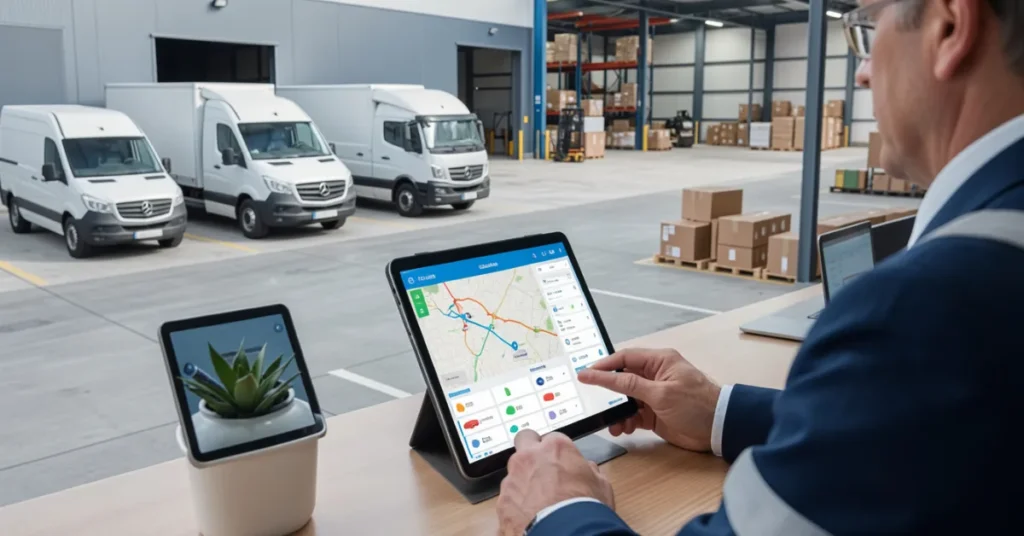
Vehicles and technology are the operational backbone of a logistics company. A reliable fleet ensures timely delivery, while software helps manage routes, shipments, and inventory.
Fleet management is important for maintaining delivery efficiency and reducing fuel costs. Companies should choose vehicles based on shipment size, delivery distance, and industry requirements.
Essential Logistics Technology
Modern logistics companies rely on digital tools to improve efficiency and tracking.
Key systems include:
- Fleet tracking systems
- Route planning software
- Warehouse management systems
- Shipment tracking platforms
These tools help businesses improve delivery accuracy, reduce operational costs, and provide real-time updates to clients.
Step 5: Find Clients and Grow Your Logistics Company
Client acquisition is essential for long-term success in the logistics industry. Companies must actively build relationships with businesses that require transport and delivery services.
Partner With E-commerce Businesses
Online stores require reliable delivery partners. Providing fast and affordable delivery services can help logistics companies secure recurring contracts.
Work With Manufacturers and Wholesalers
Manufacturers and distributors often require regular transportation for bulk goods. Long-term freight contracts can provide stable income.
Build an Online Presence
A strong online presence helps logistics companies attract new clients.
Key strategies include:
- Professional website
- Google Business listing
- Search engine optimization
Use Logistics Marketplaces
Some online platforms connect shippers with transport providers. These marketplaces can help startups find clients and shipping contracts quickly.
Tips to Make Your Logistics Company Profitable
Profitability depends on efficient operations and strong client relationships.
Key strategies include:
- Focus on a specific logistics niche
- Use route optimization software
- Maintain vehicles to avoid costly repairs
- Secure long-term shipping contracts
- Provide reliable customer service
Consistent service quality often leads to repeat business and long-term partnerships.
Future Trends in the Logistics Industry
The logistics industry continues to evolve with new technologies and sustainability initiatives. Companies that adapt to these trends can remain competitive. Artificial intelligence is now used for route optimization and demand forecasting. These systems help reduce fuel consumption and improve delivery efficiency. Electric delivery vehicles are becoming more common as companies aim to reduce environmental impact. Many large logistics firms are already adopting electric fleets for urban deliveries. Automation is also transforming warehouses. Robotic systems can manage inventory and speed up order fulfillment.
Drone delivery and autonomous vehicles are still developing but may become part of logistics operations in the future.
Our Support for Starting a Logistics Company with Ripple Business Setup
Starting a logistics company involves planning, licensing, and compliance with transport regulations. Our team at Ripple Business Setup provides professional guidance to help entrepreneurs establish a logistics business in the UAE. We assist with company registration, license approvals, documentation, and other requirements that are needed to operate legally. Our goal is to simplify the setup process so business owners can focus on building strong transport and supply chain operations.
We guide clients through each stage of the process, from selecting the right business structure to obtaining the required logistics or transport licenses. Our consultants also help with documentation, government approvals, and business setup strategy. With our experience in UAE company formation, we help businesses launch efficiently and avoid common setup challenges.
For professional assistance, contact Ripple Business Setup at +971 50 593 8101, email info@ripplellc.ae, or reach us on WhatsApp at +971 4 250 0833. Our team is ready to support entrepreneurs who want to start and grow a logistics company in the UAE.
FAQ
How much does it cost to start a logistics company?
Starting a logistics company usually requires between $10,000 and $50,000 depending on vehicles, technology, licenses, and staff requirements.
Is a logistics company profitable?
Yes. Logistics companies can be profitable because businesses depend heavily on transportation, delivery services, and supply chain management.
What licenses are required for a logistics company?
Most logistics companies require business registration, transport permits, commercial vehicle licenses, and cargo insurance.
What vehicles are needed for a logistics business?
Common vehicles include delivery vans, cargo trucks, refrigerated trucks, and freight trailers, depending on the services offered.
How do logistics companies get clients?
Logistics companies often find clients by partnering with e-commerce businesses, manufacturers, wholesalers, and through digital marketing strategies such as SEO and online listings.
Conclusion
Starting a logistics company in 2026 offers strong opportunities due to the growth of e-commerce, global trade, and supply chain demand. Entrepreneurs who plan carefully, invest in reliable vehicles and technology, and build strong client relationships can develop a successful logistics business. With a clear strategy and efficient operations, a logistics company can grow steadily and become a valuable partner for businesses that rely on transportation and delivery services.
Disclaimer: This article is for general informational purposes only. Business regulations, licensing requirements, and setup costs may vary depending on jurisdiction and government policies. Readers should consult qualified business setup professionals or legal advisors before making business decisions.