
Banking compliance is a critical part of doing business in the UAE. Whether you are a startup founder, an SME owner, or an international investor, understanding banking compliance requirements can save you from account delays, freezes, or regulatory penalties. The UAE has built a strong, transparent financial system that aligns with global standards, which is why banks follow strict checks before and after opening corporate accounts.
The UAE banking system is regulated mainly by the UAE Central Bank, with additional oversight from other authorities depending on the business structure and jurisdiction. These regulations aim to prevent financial crimes, ensure transparency, and protect the country’s reputation as a global business hub.
Why Banking Compliance Is Critical for UAE Businesses
Banking compliance in the UAE is not optional. It is a legal and operational necessity for all companies using the local financial system. UAE banks operate under a strict financial monitoring framework that follows international best practices.
If a business fails to meet compliance requirements, banks may delay account opening, request repeated documentation, restrict transactions, or even freeze accounts. In serious cases, non-compliance can lead to fines or reporting to regulatory authorities.
Corporate bank accounts are especially sensitive. Banks must understand how your business earns money, where funds come from, and how transactions flow. This is why they request detailed documents, explanations, and ongoing updates.
For example, a mainland trading company that cannot clearly explain its source of funds or overseas transactions may face long delays during AML review. In some cases, the bank may decline the account entirely. Strong financial compliance protects both the bank and the business.
Who Regulates Banking Compliance in the UAE?
Banking compliance in the UAE is governed by multiple authorities working together to ensure transparency and financial stability. The system is designed to align with global anti-money laundering and counter-terrorism financing standards.
The UAE Central Bank plays the primary role. It regulates banks, sets compliance frameworks, and ensures alignment with international bodies such as the Financial Action Task Force (FATF).
Other key authorities include:
- UAE Central Bank: Regulates banks and financial institutions
- Ministry of Economy: Oversees corporate compliance frameworks
- Financial Intelligence Unit (FIU): Handles suspicious transaction reporting
- Free Zone Authorities (such as DIFC and ADGM): Apply additional compliance rules within their jurisdictions
Together, these bodies enforce banking regulations in the UAE and ensure businesses meet financial compliance obligations.
1. Anti-Money Laundering (AML) Compliance
AML compliance in the UAE is one of the most important banking requirements. Its purpose is to prevent money laundering, terrorism financing, and other financial crimes. UAE banks follow a risk-based approach, meaning higher-risk businesses face more detailed scrutiny. Banks continuously monitor transactions to ensure they match the company’s profile and declared activity. This monitoring does not stop after account opening. AML compliance is ongoing.
Banks typically expect businesses to demonstrate:
- Clear source of funds and source of wealth
- Consistent transaction patterns
- Transparent counterparties and contracts
- Internal AML policies for regulated or high-risk businesses
If a company receives large overseas payments without valid contracts or invoices, the bank may flag the activity for review. For example, a general trading firm receiving frequent international transfers without supporting documentation may trigger enhanced AML checks. Strong AML compliance helps businesses maintain uninterrupted banking operations and build trust with financial institutions.
2. Know Your Customer (KYC) Requirements
KYC requirements in the UAE help banks verify the identity of individuals and businesses using the financial system. KYC is not a one-time process. Banks conduct initial verification and perform ongoing reviews throughout the business relationship. KYC checks allow banks to understand who owns the company, who controls it, and how it operates. This applies to shareholders, directors, and authorized signatories.
Common KYC documents requested by UAE banks include:
- Passport and visa copies of owners and directors
- Emirates ID (if applicable)
- Proof of residential address
- Shareholder and management structure
- Clear explanation of business activities and expected transactions
Banks may request updated KYC documents periodically. If information changes, such as ownership or address, businesses must inform the bank promptly. Ignoring KYC updates can lead to account restrictions or compliance alerts.
3. Ultimate Beneficial Owner (UBO) Compliance
UBO compliance in the UAE focuses on identifying the real individuals who ultimately own or control a company. Under UAE law, a UBO is typically any individual who owns or controls 25% or more of the company, directly or indirectly.
Banks require UBO transparency to prevent hidden ownership structures and financial misuse. Even if a company is owned by another legal entity, the bank will trace ownership until it identifies the natural persons involved.
Key UBO compliance requirements include:
- Filing a UBO declaration with the authorities
- Providing a clear shareholding structure
- Updating UBO records annually or when changes occur
Many businesses underestimate the importance of UBO compliance. Failure to declare or update UBO information can result in administrative fines and banking complications. Banks may also refuse to process transactions until UBO data is verified.
4. Economic Substance Regulations (ESR)
ESR compliance in the UAE ensures that companies conducting certain activities have real economic presence in the country. These regulations apply to businesses involved in activities such as distribution, holding, headquarters services, and intellectual property.
Banks often check a company’s ESR status as part of their risk assessment. A lack of substance can increase a company’s risk profile and trigger additional compliance reviews.
ESR requirements usually include:
- Filing an ESR notification
- Submitting an ESR report (if applicable)
- Demonstrating adequate employees, premises, and activities in the UAE
For example, a holding company with no physical office or staff in the UAE may face increased banking scrutiny. Banks want to see that the business has genuine operations aligned with its declared activity.
5. Accurate Business Activity and Transaction Transparency
One of the most practical banking compliance requirements in the UAE is ensuring that your declared business activity matches your actual transactions. Banks closely review whether account activity aligns with the trade license.
A mismatch between license activities and transaction behavior can raise red flags. This may lead to transaction blocks or account suspension.
To maintain transparency, businesses should ensure:
- Invoices clearly describe services or goods
- Transactions match licensed activities
- Contracts support incoming and outgoing payments
For example, a consultancy company receiving payments for trading goods may face immediate compliance questions. Clear documentation helps banks quickly verify transaction legitimacy and reduces compliance risk.
Common Banking Compliance Mistakes UAE Businesses Make
Many compliance issues arise from simple oversights rather than intentional violations. Common mistakes include:
- Mismatch between the trade license and transactions
- Weak or unclear source of funds explanation
- Ignoring bank compliance updates or requests
- Using personal accounts for business transactions
- Delayed submission of compliance documents
Avoiding these mistakes can significantly reduce banking issues and improve long-term account stability.
How to Stay Compliant With UAE Banking Regulations
Staying compliant with UAE banking regulations is manageable with a proactive approach. Businesses that treat compliance as an ongoing process face fewer disruptions and build stronger banking relationships.
Proactive compliance saves time, reduces costs, and prevents unexpected account restrictions. It also allows businesses to scale operations smoothly.
Practical steps include:
- Keeping corporate and personal records updated
- Reviewing transactions regularly
- Maintaining clear documentation for all payments
- Working with compliance or business advisory professionals
- Responding promptly to bank queries
Compliance is not just about meeting requirements. It is about maintaining trust and operational continuity.
How Ripple Business Setup Supports Banking Compliance in the UAE
Navigating banking compliance in the UAE can be complex, especially for startups, SMEs, and foreign investors. Ripple Business Setup supports businesses by helping them prepare compliant documentation, align business activities with banking expectations, and respond effectively to bank compliance queries. From AML and KYC readiness to UBO and ESR alignment, Ripple ensures your company meets UAE banking regulations smoothly and without unnecessary delays.
For expert assistance, contact Ripple Business Setup at +971 50 593 8101, email info@ripplellc.ae, or WhatsApp +971 4 250 0833 for clear, compliant, and practical guidance.
Conclusion
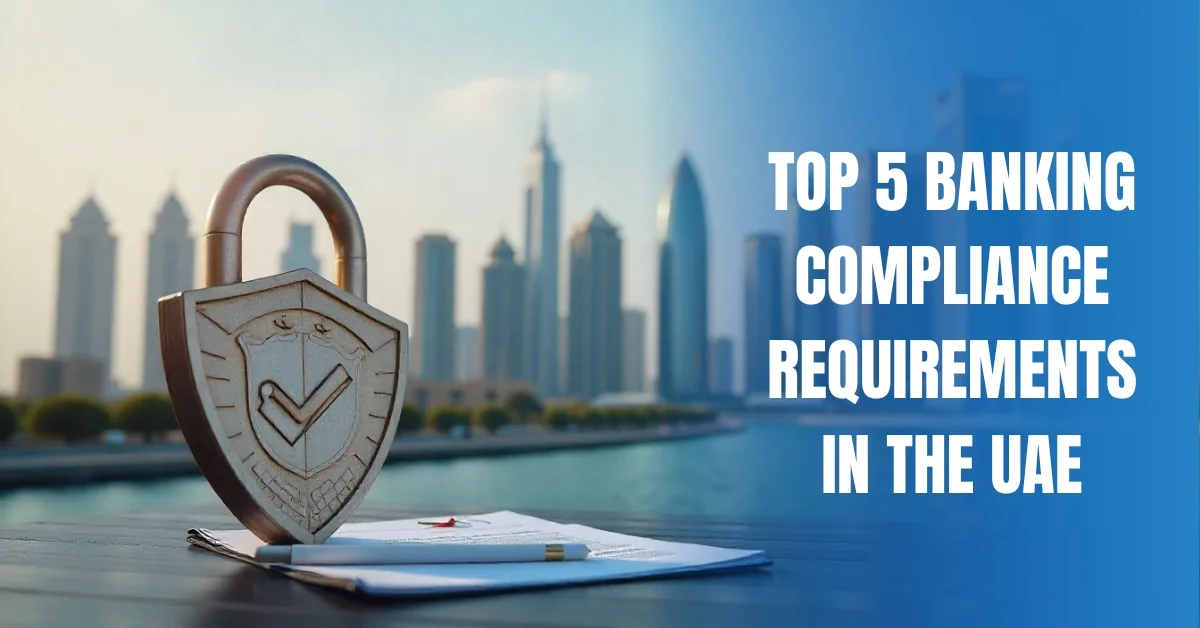
Banking compliance in the UAE is built on transparency, accountability, and global best practices. The top five requirements, AML compliance, KYC checks, UBO disclosure, ESR compliance, and transaction transparency, form the foundation of a stable banking relationship.
Disclaimer: This content is for informational purposes only and does not constitute legal or financial advice. Banking compliance requirements may vary by bank and business activity.