
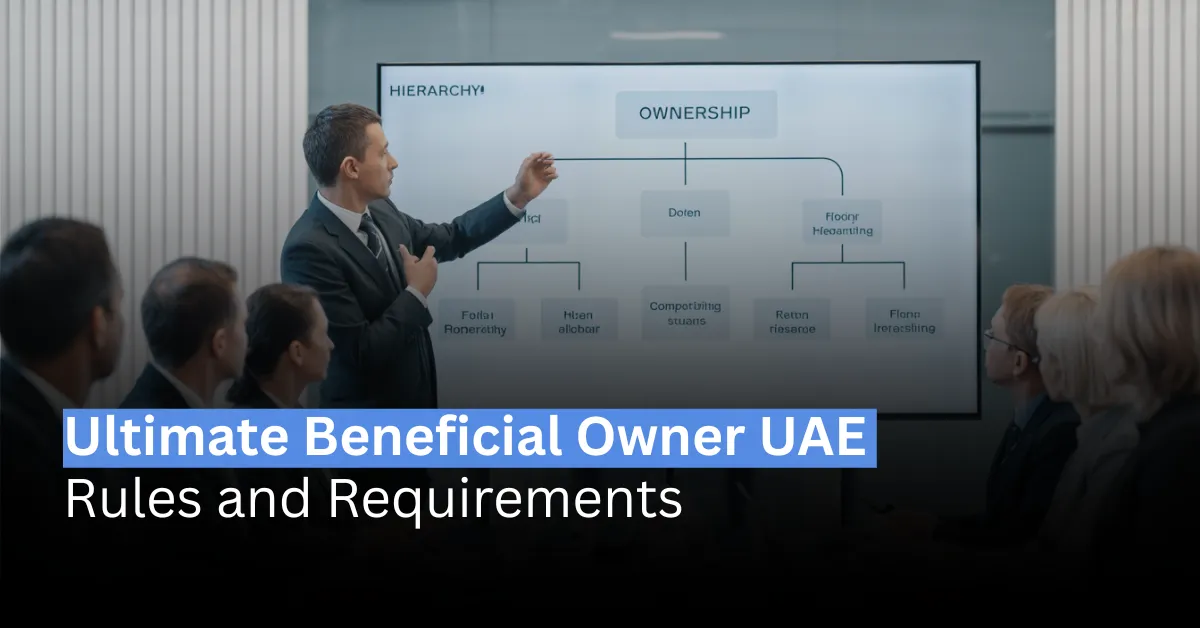
So, you’re running a business in the UAE and heard about this ‘Ultimate Beneficial Owner’ thing? It sounds a bit complicated, but really, it’s just about knowing who’s actually in charge. Think of it like figuring out who the real boss is behind the scenes. The UAE government wants to make sure businesses are transparent, especially when it comes to who owns and controls them. This helps keep things fair and square and stops bad stuff from happening. We’ll break down what you need to know about the Ultimate Beneficial Owner rules and how they affect your company.
What is an Ultimate Beneficial Owner (UBO)?
So, what exactly is an Ultimate Beneficial Owner, or UBO? Think of it as the real person, the actual individual, who ultimately owns or controls a company. It’s not just about who’s listed on the paperwork; it’s about who truly pulls the strings.
Generally, a UBO is a natural person who meets one or more of these criteria:
- Owns 25% or more of the company’s shares, either directly or indirectly.
- Controls 25% or more of the voting rights within the company.
- Otherwise, exercises significant control over the company’s management or operations. This could mean having the power to appoint or remove a majority of the directors or managers.
It’s important to distinguish a UBO from a shareholder. While a shareholder might be a company itself or someone who doesn’t meet the control thresholds, a UBO is always a natural person with substantial influence. Understanding these corporate beneficial owner requirements is key for any business operating here. The company beneficial owner rules are designed to bring clarity to ownership structures.
Identifying the UBO is a critical step in preventing illicit financial activities. It helps authorities and businesses understand who is truly benefiting from a company’s operations, making it harder for criminals to hide behind complex corporate structures.
This concept is central to the UAE’s efforts to combat financial crime and maintain transparency in business dealings. For businesses looking into offshore company formation in the UAE, understanding UBO obligations is just as important as the formation process itself.

Why is UBO Registration Important in the UAE?
So, why all the fuss about identifying who’s really pulling the strings in a company? It turns out, knowing your Ultimate Beneficial Owner (UBO) in the UAE is a pretty big deal for several reasons. It’s not just some bureaucratic hoop to jump through; it’s about keeping the business environment clean and trustworthy.
Combating Financial Crime
This is a major one. The UAE is serious about not being a playground for money launderers or those funding illegal activities. By requiring companies to declare their beneficial ownership registration UAE, authorities can get a clearer picture of who is behind the money. This helps in spotting suspicious patterns and preventing illicit funds from flowing through the financial system. It’s like having a security camera on the money’s journey.
Knowing the ultimate beneficial owners helps authorities match individuals against watchlists for sanctions, politically exposed persons, and known terrorists. This due diligence is key to preventing financial crime.
Enhancing Transparency
Let’s be honest, sometimes companies can be a bit like black boxes. UBO registration shines a light into those boxes. It makes it clearer who truly owns and controls businesses, which builds confidence for everyone involved – investors, partners, and even customers. When you know who you’re dealing with, especially when identifying beneficial owners in Dubai, it makes business dealings feel more secure. It’s a step towards a more open and accountable business world.
Meeting International Standards
The UAE is a global player, and to stay that way, it needs to play by international rules. Many international bodies and agreements emphasize the importance of knowing who owns what. By implementing UBO rules, the UAE shows it’s committed to global standards for financial transparency and fighting crime. This helps maintain the country’s reputation and makes it easier for UAE businesses to operate internationally. Choosing the right business structure in the UAE is also part of this, ensuring you’re set up correctly from the start.
Here’s a quick rundown of why it matters:
- Deters illicit activities: Makes it harder for criminals to hide behind shell companies.
- Boosts investor confidence: Transparency attracts legitimate investment.
- Facilitates international cooperation: Aligns the UAE with global anti-crime efforts.
- Improves regulatory oversight: Gives authorities better tools to monitor compliance.
UAE UBO Rules and Regulations Explained
So, let’s talk about the rules for Ultimate Beneficial Owners (UBOs) here in the UAE. It’s not just some bureaucratic hoop to jump through; it’s a pretty big deal for how businesses operate and stay on the right side of the law. The government has put some clear guidelines in place to make sure everyone knows who’s really in charge behind the scenes.
Key Regulatory Bodies
Several government bodies are involved in overseeing these beneficial ownership rules UAE. The Ministry of Economy is a major player, setting out the main regulations. Then you have specific licensing authorities, like those in the free zones or on the mainland, who are responsible for making sure the companies they regulate are compliant. It’s a layered approach to keep things in check. The UAE Economic Substance Regulations also tie into this, making sure companies aren’t just shell operations but are genuinely conducting business here.
Who Needs to Register as a UBO?
Basically, if you have a company registered in the UAE, whether it’s on the mainland or in a free zone, you likely need to identify and register your UBOs. There are a few exceptions, like publicly listed companies and government-owned entities, but for most businesses, this is a must-do. The goal is to know the natural persons who ultimately own or control 25% or more of the company’s shares or voting rights, or who otherwise have significant control over its management.
Defining the Ultimate Beneficial Owner
This is where it gets a bit specific. An Ultimate Beneficial Owner is a natural person meaning a human being, not another company, who ultimately owns or controls a business. This control can be direct or indirect. It usually means owning 25% or more of the shares or voting rights. But it also includes anyone who can appoint or remove a majority of the directors or managers, or generally exercises effective control over the company’s operations. It’s about who truly benefits from and directs the business.
Identifying the UBO is a key part of corporate governance UAE and helps prevent financial crimes. It’s about transparency and making sure that business dealings are legitimate and not being used for illicit purposes.

Here’s a quick rundown of what constitutes UBO status:
- Share Ownership: Owning 25% or more of the company’s shares.
- Voting Rights: Controlling 25% or more of the voting rights within the company.
- Effective Control: Having the power to appoint or dismiss the majority of the board of directors or management, or otherwise exercising significant influence over the company’s decisions.
It’s important to remember that the economic substance regulations in the UAE are also in play, and understanding your UBO is part of demonstrating that your business is genuinely operating here and not just a front.
Requirements for UBO Registration in the UAE
So, you’ve got a business in the UAE and need to sort out your Ultimate Beneficial Owner (UBO) details. It’s not as complicated as it might sound, but there are definitely a few things you need to get right. Basically, you need to figure out who ultimately owns or controls 25% or more of your company. This could be through shares, voting rights, or just having the power to make big decisions.
Every company set up in the UAE, whether on the mainland or in a free zone, has to keep a UBO register. The only ones off the hook are publicly traded companies and those owned by the government. You also need to appoint a specific person living in the UAE who can act as the point of contact for the registrar regarding your UBO information and any updates. This person is your go-to for any official communication.
Here’s a quick rundown of what you generally need to have in order:
- Identify the UBO(s): This is the natural person (or persons) who ultimately owns or controls 25% or more of the company. This control can be direct or indirect, through share ownership, voting rights, or the ability to appoint or remove a majority of directors or managers.
- Maintain a Register: You must keep an up-to-date register of your UBOs. This isn’t just a one-time thing; it needs to be reviewed regularly.
- Appoint a UAE Resident Representative: Designate an individual residing in the UAE who is authorized to communicate with the registrar about your UBO register.
- Regular Updates: You’re required to check the accuracy of your UBO register at least once a year. If any details change, you have a 15-day window to report those changes to the relevant authorities.
The UAE is really pushing for transparency in business, and knowing who’s really in charge behind the scenes is a big part of that. It helps keep the financial system clean and makes the UAE an even more attractive place for legitimate business, building on its status as a leading global investment hub.
Remember, keeping this information accurate and submitting it when required is key. The UAE is serious about compliance, and there are penalties if you don’t get it right. It’s all part of making sure the business environment here is trustworthy and secure for everyone involved.
Penalties for Non-Compliance
So, what happens if you don’t get your Ultimate Beneficial Owner (UBO) registration sorted out in the UAE? Well, it’s not exactly a slap on the wrist. The authorities are pretty serious about this, and there are real consequences if you miss the mark. It’s not just about a small fine; we’re talking about potential business disruptions too.
Basically, the penalties are designed to make sure companies take their UBO obligations seriously. They can range from official warnings to pretty hefty financial penalties, and in some cases, even the suspension of your trade license. Imagine trying to run your business with your license on hold – that’s a serious problem.
Here’s a breakdown of what you might face:
- Failure to create or maintain the UBO Register: This is a big one. If you don’t have the register or the information in it isn’t accurate and up-to-date, you could be looking at fines starting from AED 50,000, with the possibility of your trade license being suspended for up to a year. That’s a significant hit.
- Not providing required information: If the registrar asks for more details about your UBOs or directors and you don’t provide them within the given timeframe, expect fines. These can start around AED 5,000 for minor delays but can go up to AED 40,000, potentially with restrictions placed on board members.
- Incorrectly recording beneficial ownership: Simply put, if you mess up the details of who actually owns or controls the company, you’re in for trouble. This could lead to fines and warnings, but repeated offenses or significant errors can escalate to license suspension.
It’s also worth noting that the penalties can get worse with repeat offenses. The first time might get you a warning and a chance to fix things, but doing it again could mean bigger fines and longer suspensions. The goal is to encourage compliance, not just to punish.
The UAE’s commitment to transparency means that UBO regulations are strictly enforced. Companies are expected to proactively manage their UBO data and report any changes promptly to avoid penalties.
For businesses operating within specific economic zones, like the Abu Dhabi Global Market (ADGM), there might be slightly different procedural nuances, but the core principle of UBO transparency remains the same. Staying informed about the specific requirements for your business structure and location is key to avoiding these penalties. It’s always better to be proactive and get this right from the start, rather than dealing with the fallout later. You can find more details on regulatory requirements through official government channels or by consulting with legal professionals who specialize in UAE corporate law.
How to Register Your UBO in the UAE
So, you need to get your Ultimate Beneficial Owner (UBO) details sorted out in the UAE. It sounds like a big task, but it’s really about being clear about who’s in charge. The process generally involves a few key steps, and it’s pretty much the same whether you’re looking at identifying UBO in Dubai or registering beneficial owners UAE across different free zones or mainland entities.
First off, you’ve got to figure out who your UBOs actually are. Remember, this is the natural person who ultimately owns or controls 25% or more of your company, or has significant influence over its management. It’s not just about who owns shares; it’s about who has the real say.
Once you’ve identified them, you’ll need to keep a register. This register is a record of your UBOs and their details. Most companies will need to submit this information to their specific licensing authority. Think of it like reporting to your local government office; each authority has its own way of receiving this data.
Here’s a general rundown of what you’ll likely need to do:
- Identify your UBOs: This is the most important step. Look at shareholding, voting rights, and who can appoint or remove directors.
- Maintain a UBO Register: Keep an up-to-date record of all identified UBOs, including their names, nationalities, addresses, and the nature of their ownership or control.
- Appoint a UAE Resident Representative: Most entities need to designate a person living in the UAE who can act as a point of contact for the authorities regarding your UBO register.
- Submit to your Licensing Authority: File your UBO register with the relevant government body that issued your company’s license. This could be the Department of Economic Development (DED) for mainland companies or the specific free zone authority.
- Annual Review and Updates: You must check your UBO register at least once a year to make sure it’s still accurate. If anything changes – like a new owner coming on board or a change in control – you have a limited time, usually 15 days, to update the register and inform the authorities.
The whole point of this is to make sure everyone knows who’s really behind the businesses operating here. It helps keep the financial system clean and makes the UAE a more trusted place to do business internationally.
Don’t forget, if you’re unsure about the specifics for your company or your location, it’s always a good idea to check with your licensing authority or consult with a legal or compliance professional. They can help you get it right the first time.
Thinking about starting a business in the UAE? Our guide, “How to Register Your UBO in the UAE,” breaks down the process into simple steps. We make it easy to understand so you can get your business up and running smoothly. Ready to take the next step? Visit our website today for more information and to get started!
Ripple Business Setup Can Help You with UBO Compliance
Understanding Ultimate Beneficial Owner requirements in the UAE can be complex, especially with strict reporting rules and penalties for non-compliance. Ripple Business Setup supports entrepreneurs and companies with UBO identification, documentation, and filing with the relevant licensing authorities. Our experts help ensure your ownership records are accurate, updated, and fully compliant with UAE regulations. For professional guidance, contact Ripple Business Setup at +971 50 593 8101, email info@ripplellc.ae, or WhatsApp +971 4 250 0833.
Wrapping Up: Staying Compliant with UBO Rules
So, we’ve gone over what Ultimate Beneficial Owners are and why the UAE is really pushing for companies to get this sorted. It’s not just about following rules; it’s about making sure businesses are clean and not being used for shady stuff. Most companies in the UAE, whether they’re on the mainland or in a free zone, need to figure out who their UBOs are and keep records. There are some exceptions, like government-owned companies, but for most, it’s a must-do. The rules have been updated, and things are getting more serious, so ignoring them could mean trouble, like fines or even having your business license paused. It’s really about being upfront and honest about who’s really in charge. Keeping your UBO information accurate and up-to-date is just part of doing business the right way in the UAE these days.
Frequently Asked Questions
What exactly is an Ultimate Beneficial Owner (UBO)?
Think of a UBO as the real boss behind a company. It’s a person who owns or controls at least 25% of a company’s shares or voting power. It can also be someone who has a lot of say in how the company is run, even if they don’t own a big chunk of shares.
Who needs to tell the UAE government about their UBOs?
Most companies in the UAE have to do this. This includes businesses set up on the mainland and in free zones. The main exceptions are companies that are already traded on the stock market or those owned by the government.
Why is it important to know who the UBO is?
It’s like a security check for businesses. Knowing the UBO helps stop bad guys from using companies for illegal activities like money laundering or hiding money. It makes the business world more honest and trustworthy.
What happens if a company doesn’t share its UBO information?
The UAE government takes this seriously. If a company doesn’t follow the rules, it could face fines, have its business license paused, or even face other restrictions. It’s important to get this right.
How do you figure out who the UBO is?
You look for the person who owns 25% or more of the company’s shares or voting rights. If that’s not clear, you look for someone who has significant control over the company’s decisions or management. Sometimes, if it’s still unclear, the top managers are considered the UBOs.
Is a UBO the same as a shareholder?
Not always, A shareholder just owns some shares, and they could be another company. A UBO, on the other hand, is always a real person who ultimately owns or controls the company, or has significant influence over it. So, a shareholder might be a UBO, but not every shareholder is a UBO.
Disclaimer: This content is for general informational purposes only and does not constitute legal, financial, or regulatory advice. UAE compliance requirements may change, and businesses should consult qualified professionals or official authorities for specific guidance regarding Ultimate Beneficial Owner reporting and corporate compliance.