
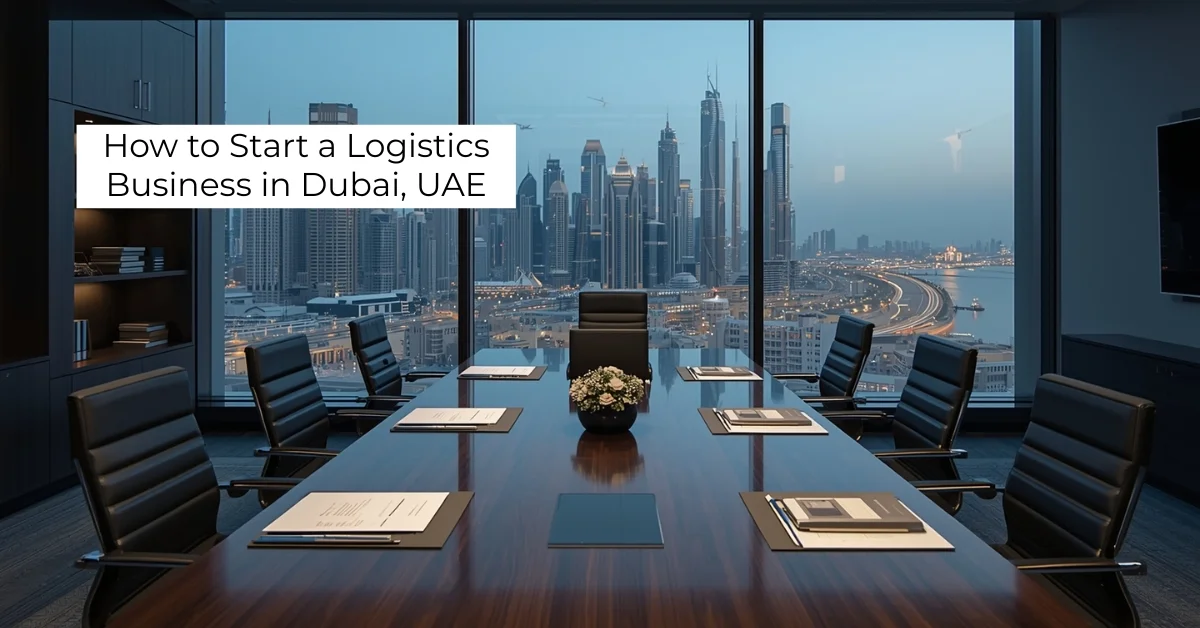
Dubai has emerged as a global logistics hub, connecting Asia, Europe, and Africa through its world-class infrastructure. With bustling ports, advanced airports, and state-of-the-art free zones, the city offers unmatched opportunities for entrepreneurs interested in the logistics sector. Whether you aim to start a freight forwarding company, courier service, or warehousing business, Dubai’s strategic location and government support make it ideal for growth.
Why Start a Logistics Business in Dubai?
Dubai’s strategic location between Asia, Europe, and Africa makes it a natural hub for international trade. Its world-class infrastructure includes Jebel Ali Port, Dubai International Airport (DXB), and Dubai World Central (DWC), which facilitate smooth logistics operations.
The UAE government actively supports the logistics sector through free zones, tax incentives, and simplified licensing processes. Additionally, the growth of e-commerce has spurred demand for fast and reliable delivery services.
Types of Logistics Businesses You Can Start in Dubai
Starting a logistics company in Dubai requires choosing the right business model. Each type affects licensing, cost, and operational setup.
Popular types include:
- Freight forwarding (air, sea, land): Coordinating shipments for clients internationally.
- Warehousing & storage services: Storing goods for distribution or e-commerce fulfillment.
- Courier & last-mile delivery: Handling local deliveries for businesses and individuals.
- Cold chain logistics: Specialized transport for perishable goods.
- E-commerce fulfillment: End-to-end delivery solutions for online retailers.
- Transport & fleet-based logistics: Managing vehicles for goods transport.
Tip: Choosing the right model early ensures compliance with licensing and avoids unnecessary costs.
Logistics Business Requirements in Dubai
To legally operate a logistics business in Dubai, you need to meet certain requirements and approvals.
Key requirements include:
- Legal business activity approval from authorities
- Minimum capital (varies by type and zone)
- Office or warehouse space for operations
- Compliance with local regulations
Additional steps include:
- Trade name approval
- Initial approval from relevant authorities
- Memorandum of Association (MOA), if applicable
These requirements ensure your company operates legally and builds credibility with clients and partners.
Mainland vs Free Zone Logistics Company in Dubai
Choosing between a mainland or free zone setup is a crucial decision that affects ownership, operations, and costs.
1. Mainland Logistics Company Setup
- Operates across the entire UAE
- Eligible for government and local contracts
- Requires a DED license
- Local sponsor or service agent needed for certain activities
2. Free Zone Logistics Company Setup
- 100% foreign ownership allowed
- Tax incentives and simpler setup
- Ideal for international trade
- Limited operations within UAE mainland without additional approvals
| Feature | Mainland | Free Zone |
| Ownership | Local partner required | 100% foreign ownership |
| Operations | Anywhere in UAE | Mostly free zone & international |
| Licensing Authority | DED | Free zone authority |
| Cost | Moderate to high | Variable, often lower |
Step-by-Step Process to Start a Logistics Business in Dubai
Starting a logistics business in Dubai involves careful planning, regulatory compliance, and strategic decision-making. Following a structured approach ensures your company operates legally and efficiently while minimizing risks. Here’s a detailed step-by-step guide.
Step 1 – Choose Your Business Activity
Before anything else, you need to decide the type of logistics services your company will offer. This decision determines the kind of license you need, the operational setup, and the market segment you target.
Options include:
- Freight forwarding: Managing shipments for clients internationally via air, sea, or land.
- Warehousing & storage: Providing storage solutions for businesses, including inventory management.
- Courier & last-mile delivery: Local delivery services for retail or e-commerce clients.
- E-commerce fulfillment: End-to-end services including storage, packaging, and delivery.
- Cold chain logistics: Transportation and storage of perishable or temperature-sensitive products.
- Transport & fleet services: Managing vehicles for moving goods domestically or internationally.
Step 2 – Select Mainland or Free Zone
Dubai offers two main options for company setup: mainland or free zone. Your choice affects ownership, legal permissions, and operational flexibility.
Mainland setup:
- Allows you to operate anywhere in the UAE.
- Eligible for government contracts.
- Requires a local sponsor or service agent.
Free zone setup:
- Offers 100% foreign ownership.
- Simplified procedures and tax benefits.
- Operations mostly limited to free zone and international markets.
Step 3 – Reserve Trade Name
Choosing and registering your company’s trade name is critical because it represents your brand and is required for licensing.
Considerations:
- Names should comply with DED or free zone naming rules.
- Avoid offensive or restricted words.
- The name must be unique and not conflict with other registered companies.
Process:
- Submit a name application to DED (for the mainland) or the free zone authority.
- Wait for approval (usually 1–3 days).
- Proceed with the license application using the approved trade name.
Tip: Keep the name simple, professional, and reflective of your logistics services.
Step 4 – Apply for Logistics License
The license type depends on your business activity and location. Without it, you cannot legally operate in Dubai.
License options:
- Commercial Logistics License: For general logistics services.
- Transport & Freight Forwarding License: For freight forwarding and international transport.
- Courier License: For local delivery services.
Authorities:
- DED: For mainland companies.
- Free zone authority: For free zone setups (e.g., JAFZA, Dubai South).
Tips:
- Prepare all documents: passport copies, trade name approval, and MOA (if applicable).
- Some logistics activities may require additional approvals from RTA or customs.
Step 5 – Lease Office or Warehouse
Dubai requires a physical office or warehouse, depending on your business activity.
Options:
- Flexi-desk: For businesses with minimal operational needs.
- Physical office: Needed for freight forwarding or courier services.
- Warehouse: Essential for storage, fulfillment, or cold chain logistics.
Tips:
- Choose a location strategically near ports, airports, or industrial zones.
- Free zones often provide ready-to-use warehouses and office spaces.
- Ensure the lease agreement aligns with licensing requirements.
Step 6 – Get External Approvals
Some logistics operations require approvals beyond the license itself.
Examples:
- RTA (Roads and Transport Authority): Needed for transport vehicles and fleet operations.
- Customs Department: For import/export activities and freight forwarding.
- Dubai Municipality or Civil Defense: For warehouse safety and storage compliance.
Tips:
- Start the approval process early to avoid delays.
- Some approvals may require inspections or compliance audits.
Step 7 – Open Corporate Bank Account
A corporate bank account is essential for handling business transactions, client payments, and payroll.
Steps:
- Choose a bank licensed in UAE (local or international).
- Submit required documents: license, trade name certificate, shareholder passports, and MOA.
- Some banks may require a minimum deposit.
Tip: Compare banking options for business-friendly services, online banking, and international transfers.
Logistics License in Dubai – Types & Authorities
Types of Logistics Licenses:
- Commercial Logistics License: Covers general logistics operations
- Transport & Freight Forwarding License: For moving goods internationally
- Courier License: For local delivery services
Authorities involved:
- Dubai Department of Economic Development (DED) for mainland companies
- Free zone authorities for respective zones
- RTA for transport-related approvals
Cost of Starting a Logistics Business in Dubai
The cost varies depending on business type, license, and location.
Typical expenses:
- License fees
- Office or warehouse rent
- Visa costs for employees
- Vehicle and fleet expenses
- Insurance and regulatory approvals
Budget guidance: Small setups may start from AED 50,000–70,000, while full-scale operations can exceed AED 300,000 depending on infrastructure and fleet size.
Office, Warehouse & Infrastructure Requirements
A logistics company needs adequate office space and warehouse facilities.
Considerations:
- Flexi-desk or physical office based on license type
- Warehouse size based on goods volume and client needs
- Free zone logistics parks for specialized storage and distribution
Tip: Choose infrastructure that aligns with business activity to optimize costs.
Legal Compliance, VAT & Insurance for Logistics Companies
Compliance ensures smooth operations and builds credibility.
Key points:
- VAT registration for eligible companies (5% in UAE)
- Customs registration for freight and international shipping
- Cargo & liability insurance to protect goods and clients
- Compliance with UAE transport and safety laws
Common Challenges When Starting a Logistics Business in Dubai
Potential hurdles include:
- High operational costs
- Complex regulatory approvals
- Competition in courier and freight services
- Fleet and driver management
Tip: Planning and professional guidance mitigate these challenges effectively.
Tips to Grow a Successful Logistics Business in Dubai
Growth strategies:
- Implement digital tracking and route optimization systems
- Partner with e-commerce brands for long-term contracts
- Focus on fuel efficiency and operational cost reduction
- Prioritize service reliability to build client trust
Set Up Your Logistics Business with Ripple Business Setup
If you are looking for professional guidance to establish your logistics business in Dubai, Ripple Business Setup can assist you at every step. We provide expert advice on licensing, registration, free zone or mainland setup, and operational compliance. Contact Ripple Business Setup at +971 50 593 8101, email info@ripplellc.ae, or WhatsApp +971 4 250 0833 for support tailored to your business needs.
FAQ
Can foreigners start a logistics business in Dubai?
Yes, foreigners can start logistics businesses in free zones with 100% ownership, or on the mainland with a local sponsor.
Do I need a warehouse for a logistics company?
Depends on business type. Freight forwarding may need minimal storage, while e-commerce fulfillment requires a dedicated warehouse.
How long does logistics company registration take?
Typically 2–6 weeks, depending on business type, approvals, and license authority.
Is VAT mandatory for logistics businesses?
Yes, companies with revenue exceeding AED 375,000 must register for VAT and comply with tax filing regulations.
Conclusion
Starting a logistics business in Dubai is a promising venture due to its strategic location, world-class infrastructure, and supportive government policies. While initial setup requires careful planning, understanding licensing, compliance, and operational requirements ensures long-term success.
Disclaimer: The information provided in this article is for general guidance purposes only. Readers should consult with professional advisors or authorities for personalized advice regarding business setup in Dubai.