Thinking about freelancing in Dubai? It’s a pretty popular idea these days. Lots of people are looking at the UAE as a place to set up shop, especially with how things are going globally. Dubai has a lot to offer, but getting started legally can feel a bit confusing. This guide is here to break down what you need to know about getting a Freelance Licence Dubai in 2026, covering the costs, the rules, and how to actually do it. We’ll try to make it as clear as possible, so you can focus on your work.
What is a Freelance Licence in Dubai?
A freelance license in Dubai is basically your official permission slip to work for yourself in the city. Think of it as a way to make your independent work legitimate and recognized by the government. Instead of setting up a whole company, which can be a lot of paperwork and expense, this license lets you operate as an individual professional. It’s issued by the Department of Economy and Tourism (DET), and it allows you to offer specific professional services directly to clients. This means you can work on projects, get paid, and do all of that legally, without needing a sponsor in the traditional sense.
It’s a structure that sits on the Dubai mainland, which is a bit different from licenses you might get in a free zone. This mainland status gives you access to the wider Dubai market. So, if you’re a consultant, designer, trainer, or any kind of specialist looking to work independently, this license is designed for you. It formalizes your freelance career, making it clear that you’re operating within the rules and regulations of Dubai.
This license is for professionals who want to work for themselves, offering their skills directly to clients and businesses within Dubai and the UAE. It provides a legal framework for independent work, making it easier to conduct business professionally.
Essentially, it’s about giving freelancers a clear, legal standing. It separates your professional work from your personal life and allows you to build your own brand and client base with confidence. It’s not just about having a piece of paper; it’s about being recognized as a legitimate business entity, even as a sole operator.
Why Get a Freelance Licence in Dubai?
Thinking about setting up a freelance business in Dubai? Getting a freelance licence, often referred to as a dubai freelance permit, is a smart move for several reasons. It’s not just about having a piece of paper; it’s about legitimising your work and opening doors to more opportunities. For many, it’s the first step towards getting a freelancer visa requirements UAE or a self-employment visa Dubai, allowing you to live and work here legally.
Legitimacy and Professionalism
Operating with a freelance licence instantly makes your work legitimate. Instead of just doing odd jobs, you’re running a recognised business. This professional standing is important when you’re trying to get clients. It shows you’re serious about your work and comply with local regulations. This is a big part of how to get freelance license in Dubai – it signals you’re playing by the rules.
Access to Business Opportunities
A licence means you can officially offer your services across Dubai and the UAE. This is key for dubai business setup for freelancers. You can bid on projects, sign contracts, and work with companies without any legal grey areas. It’s a straightforward way of getting a freelance license in Dubai that opens up the local market. Without it, you might be limited to working with clients outside the UAE or through informal channels.
Visa Sponsorship
One of the most significant benefits of getting a freelance licence is its connection to residency. For many, the goal is getting a freelance visa UAE. This licence often serves as the foundation for obtaining your own residency permit, allowing you to live in Dubai long-term. It means you don’t have to rely on an employer for sponsorship. This flexibility is a major draw for starting a freelance business in Dubai. It also means you can potentially sponsor dependents, making it easier for families to relocate.
Simplified Operations
Getting a licence simplifies many aspects of running your freelance business in Dubai. It can make it easier to open a business bank account, which is often a hurdle for unregistered freelancers. Plus, it means you’re less likely to face administrative headaches down the line. It’s a more structured approach compared to just working informally. This is a big part of dubai freelance company formation for individuals who want to work independently.
Obtaining a freelance licence in Dubai provides a clear legal pathway for independent professionals. It transforms informal work into a recognised business activity, offering greater market access and personal stability through residency options. This structured approach is vital for anyone serious about building a sustainable freelance career in the Emirates.
Types of Freelance Licences in Dubai
When you’re looking to freelance in Dubai, it’s not just a one-size-fits-all situation. There are a couple of main paths you can take, and they really depend on where you want to operate and who you want to work with.
First off, you’ve got the Mainland Freelance Licence, often associated with the Department of Economy and Tourism (DET). This is the one that lets you work directly with clients all over Dubai and the UAE, including government entities. It’s a solid choice if you’re planning to do business with local companies or institutions. Think of it as being fully integrated into the local economy.
Then there are the Free Zone Freelance Licences. These are set up within specific economic zones like Dubai Media City, Dubai Internet City, or Dubai Knowledge Park. Each free zone is designed for particular industries – media, tech, education, and so on. Getting a licence here means you’re operating within that zone’s rules, and it often comes with benefits like 100% foreign ownership and tax advantages. However, working with clients outside your specific free zone might have some extra steps or limitations compared to the mainland licence.
Here’s a quick breakdown:
- Mainland Freelance Licence (DED):
- Allows work with clients across the UAE, including government bodies.
- Offers broader market access within Dubai.
- Operates under the general UAE business regulations.
- Free Zone Freelance Licence:
- Specific to industries within designated free zones (e.g., Media City, Internet City).
- Often includes benefits like full foreign ownership and tax exemptions.
- May have restrictions on working directly with the mainland market without additional arrangements.
Choosing the right type of licence is pretty important. It affects who you can work with, where you can work from, and even how you’re taxed. It’s not just about getting a piece of paper; it’s about setting up your freelance career the right way from the start.
Freelance Licence Dubai Cost in 2026
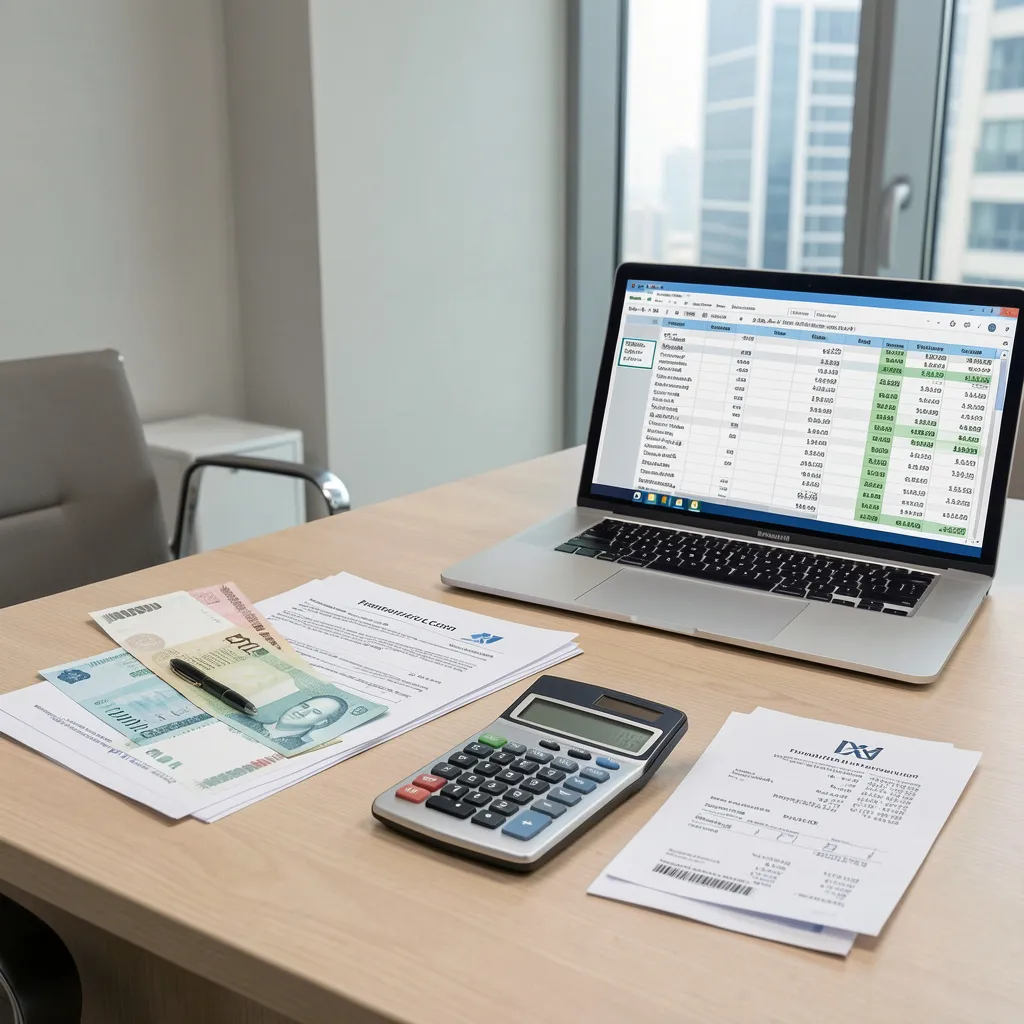
Thinking about getting a freelance licence in Dubai for 2026? It’s a smart move for many independent professionals, but understanding the costs involved is key. The overall freelancer license cost in Dubai can vary quite a bit, depending on the specific free zone you choose and the services you need. It’s not just one flat fee, so let’s break down what you can expect for your freelancer setup cost in the UAE.
Government Fees
The core of your expense will be the government fees for the licence and your residency visa. These are the non-negotiable costs to operate legally.
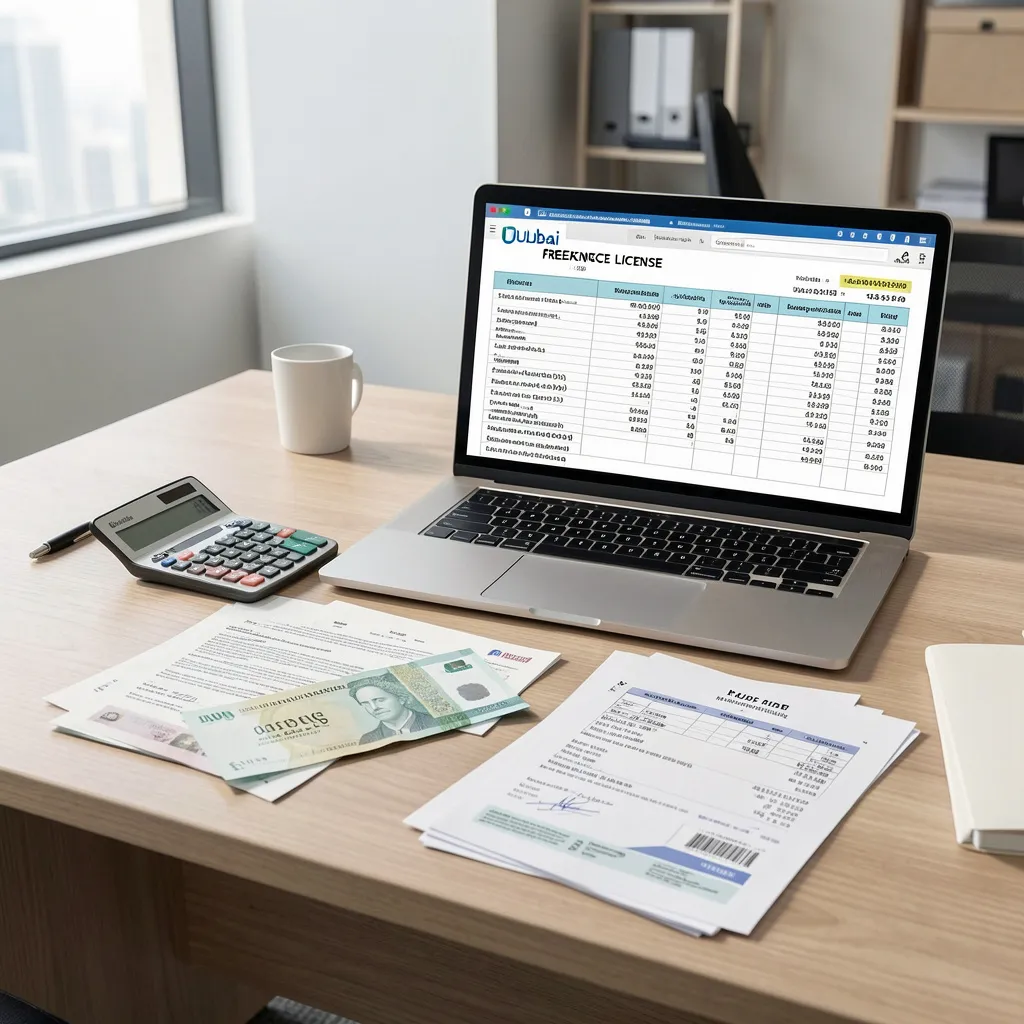
- Freelance Permit/Licence: This is the main document. Expect to budget around AED 7,500 to AED 15,000 annually for the licence itself. Some specialized licences, like those in design, might have higher starting points.
- Establishment Card: You’ll need this card for your business. It typically costs about AED 2,000, and this is usually an annual fee as well.
- Residency Visa: The cost for your visa varies based on its duration. A 1-year visa might be around AED 4,600, while a 2-year visa could be closer to AED 5,042. These prices can fluctuate.
- Medical Test & Emirates ID: These are mandatory steps for your visa. The medical test is usually a few hundred dirhams, and the Emirates ID card also costs a few hundred dirhams, depending on the visa duration.
Additional Costs
Beyond the official government fees, there are other expenses to consider that contribute to your overall freelancer setup cost UAE.
- Health Insurance: This is a requirement for your visa. Annual health insurance premiums can start from around AED 1,100 and go up from there, depending on the coverage you choose.
- Office Space/Co-working: While many freelancers enjoy the flexibility of working from home or cafes, some free zones offer access to co-working spaces. Membership fees for these can add to your monthly or annual expenses.
- Potential Service Provider Fees: If you decide to use an agency or business setup service to help you with the application process, their fees will be an additional cost. This can range from a few hundred to a few thousand dirhams, depending on the services they provide.
The total estimated cost for a freelance licence and visa in Dubai for 2026 can range from approximately AED 12,000 to AED 20,000 or more. This figure is heavily influenced by the visa duration, the specific free zone chosen, and whether you opt for additional services or amenities. It’s wise to budget a bit extra for unforeseen expenses.
When looking at the Dubai freelance permit cost, remember that these figures are estimates for 2026. It’s always best to get a precise quote from the specific free zone you’re interested in, as prices can change.
The Process: How to Get Your Freelance Licence in Dubai
So, you’re thinking about how to become a freelancer in Dubai and get that official licence? It’s not as complicated as it might sound, but you do need to pay attention to the details. Think of it like building something – you need the right tools and a clear plan.
Eligibility and Requirements
Before you even start filling out forms, make sure you tick all the boxes. Generally, you’ll need to be at least 18 years old. A valid passport is a must, and you’ll need a clean criminal record. Depending on the type of freelance work you plan to do, you might have to show proof of your qualifications. This could be a degree, a diploma, or even a portfolio of your past work, especially if you’re in a specialized field like design or tech. Some visa options, like the longer-term Green Residency for self-employment, might ask for proof that you have enough money coming in each year, like a certain income level or savings.
Application Steps
Getting your freelance licence involves a few key stages. It’s a good idea to pick a free zone that fits your profession. Some popular ones include those in Dubai Media City, Internet City, or Expo City, but there are others that focus on specific industries.
- Choose Your Free Zone and Activity: First, decide which free zone authority best suits your freelance profession. Make sure the activities they allow match what you plan to do.
- Apply for the Freelance Permit: You’ll submit your passport copy, proof of qualifications, and maybe a portfolio. There will be fees for this application.
- Get Your Establishment Card and Licence: Once approved, this card and licence officially register you as a licensed freelancer. It’s your legal go-ahead to operate.
- Apply for Your Residence Visa (if needed): If you don’t already have a UAE residency visa, this is when you’ll apply for one linked to your freelance licence. This usually involves a medical test and getting your Emirates ID.
- Receive Your Visa and Start Working: After everything is approved, you’ll get your residence visa and Emirates ID. Now you’re legally set up to live and work as a freelancer in Dubai.
The whole process can take about 5 to 10 business days once all your documents are in order and submitted correctly. However, timelines can change depending on the specific free zone you choose and how quickly they process applications. It’s always best to check with the authority directly for the most current estimates.
It’s important to remember that the licence authorises you to work, and the visa allows you to live in the UAE. Sometimes these are handled together, and sometimes separately, so plan your budget and timeline accordingly.
Getting your freelance license in Dubai might seem tricky, but it’s actually a straightforward path to working legally. We’ve broken down the entire process into simple steps, making it easy for anyone to follow. Ready to start your freelance journey in Dubai?
Ripple Business Setup Support for Your Freelance Licence
If you want help setting up your freelance licence in Dubai, contact Ripple Business Setup at +971 50 593 8101, email info@ripplellc.ae, or WhatsApp +971 4 250 0833. We can guide you through the steps, handle paperwork, and answer your questions.
Wrapping Up Your Freelance Journey in Dubai
So, getting set up as a freelancer in Dubai for 2026 looks pretty doable. It’s not just about getting a visa; it’s about joining a place that’s really trying to make things work for independent workers. While there are costs involved, and you need to make sure you have the right paperwork, the benefits like working legally without a sponsor and having access to a big market seem to make it worth the effort for many. Just remember to check the specifics for your chosen free zone or mainland option, and keep your documentation in order. It seems like Dubai is serious about being a hub for freelancers, so if you’ve got the skills, it could be a great move.
Frequently Asked Questions
What exactly is a freelance license in Dubai?
Think of a freelance license as your official permission slip to work for yourself in Dubai. It allows you to offer your skills and services legally as an independent professional, rather than being employed by a company. It’s like having your own small business, but focused on your specific talents.
Why should I get this license instead of just working informally?
Getting a license makes you official and professional. It opens doors to more clients and bigger projects because people trust licensed businesses. Plus, it helps you get a visa so you can live and work in Dubai legally, and you can even sponsor your family.
How much money will I need to get this license?
The cost can change, but expect to pay around AED 7,500 to AED 20,000 or more each year. This covers the license itself, your residency visa, medical tests, and an ID card. Sometimes there are extra costs for things like health insurance or special office spaces.
What are the main steps to getting a freelance license?
First, you need to figure out which type of freelance license fits your job and choose a specific area, like a ‘free zone,’ that offers it. Then, you’ll apply with your documents, like your passport and proof of your skills. After that, you’ll get your license and can apply for your residency visa.
Do I need a degree to get a freelance license?
It really depends on your job. For some creative or technical fields, you might need to show proof of your education or a portfolio of your work. But for many freelance jobs, having the right skills and experience is more important than a specific degree.
Can I work with clients anywhere in the UAE with this license?
Yes, generally! With the right license, you can work with clients all over Dubai and even other parts of the UAE. It gives you the freedom to offer your services widely and get paid legally for your projects.
Disclaimer: This article is for general information only. Rules and costs can change. Check with official authorities or a business setup provider for the latest details.