Dubai has become one of the world’s most powerful trade gateways, making it an ideal location to launch an Import-Export Business. Its strategic position between Asia, Europe, and Africa gives businesses fast access to international markets, while its advanced logistics infrastructure supports seamless global trade. Recent market guides continue to show strong demand for trading and re-export businesses in the UAE, especially in sectors such as electronics, FMCG, textiles, and auto parts.
Why Start an Import-Export Business in Dubai?
Dubai offers one of the most business-friendly environments for international trade. The city’s ports, airports, and logistics network make it easier for companies to import goods from global suppliers and export them across the GCC, Africa, Europe, and Asia.
One of the biggest advantages is Dubai’s strategic location. Businesses can efficiently manage shipments between East and West while benefiting from advanced warehousing and freight services. Jebel Ali Port and Dubai’s cargo airports continue to play a major role in regional and international trade.
Key benefits include:
- 100% foreign ownership in many jurisdictions
- Excellent logistics and shipping ecosystem
- Strong re-export market
- Global banking and trade support
- Tax-efficient environment
- Easy company registration
For entrepreneurs looking to scale internationally, Dubai remains one of the strongest choices for an import-export business.
Step 1 – Choose Your Business Activity and Products
The first step is selecting the right trading activity and product niche.
Your chosen products directly affect:
- Licensing requirements
- Customs approvals
- Import permits
- Storage needs
- Profit margins
Popular product categories in Dubai include:
- Electronics and mobile accessories
- Auto spare parts
- Textiles and garments
- Cosmetics and beauty products
- Packaged food and FMCG
- Machinery and industrial equipment
These categories continue to perform well due to high regional demand and Dubai’s strong re-export ecosystem.
Before finalizing products, always check UAE compliance requirements. Certain products require approval from the relevant authorities.
For example:
- Food products may require municipality approvals
- Cosmetics may need product registration
- Electronics may need certification
- Medical items require additional permits
You should also verify HS codes and customs classifications before importing.
This step is critical because incorrect product classification can cause customs delays and additional charges.
Step 2 – Choose Free Zone or Mainland Setup

This is one of the most important decisions when starting an import-export business in Dubai.
Free Zone Setup
A free zone company is ideal for businesses focused on international trade and re-export.
Benefits include:
- 100% foreign ownership
- Faster setup process
- Lower startup packages
- Flexi-desk office options
- Excellent logistics support
Free zone license costs generally start from around AED 10,000 to AED 18,000, depending on the authority and visa package.
Mainland Setup
A mainland company is better if you plan to sell directly in the UAE local market.
Benefits include:
- Direct UAE market access
- Warehouse flexibility
- Ability to work with local distributors
- Government contract opportunities
Mainland license costs typically start around AED 15,000 to AED 25,000+.
If your main goal is international shipping and re-export, free zone is often the better option.
If you plan to sell within Dubai and across the UAE, a mainland setup usually works best.
Step 3 – Apply for Trading License and Customs Registration
Once you finalize your jurisdiction, the next step is obtaining your Dubai import-export license.
Typical required documents include:
- Passport copy
- Visa copy
- Shareholder details
- Trade name options
- Business activity list
- Office lease or flexi-desk agreement
The licensing process usually includes:
- Trade name reservation
- Initial approval
- Activity approval
- Final license issuance
After receiving your trade license, you must apply for a Dubai Customs Code, which is mandatory for import and export shipments.
This code allows your company to:
- Clear goods through customs
- Process imports
- Manage export documentation
- Track shipment declarations
Customs registration fees may start from AED 120 to AED 1,500, depending on the business activity and customs requirements.
This step is often overlooked, but it is one of the most important compliance requirements for an import-export business.
Step 4 – Open a Corporate Bank Account and Start Operations
After licensing and customs registration, open a UAE corporate bank account.
Banks generally require:
- Trade license
- Shareholder documents
- Proof of address
- Expected turnover details
- Supplier invoices or contracts
- Business plan
KYC checks are stricter for trading companies, especially those dealing with cross-border transactions.
Once the bank account is active, set up your operational workflow.
This includes:
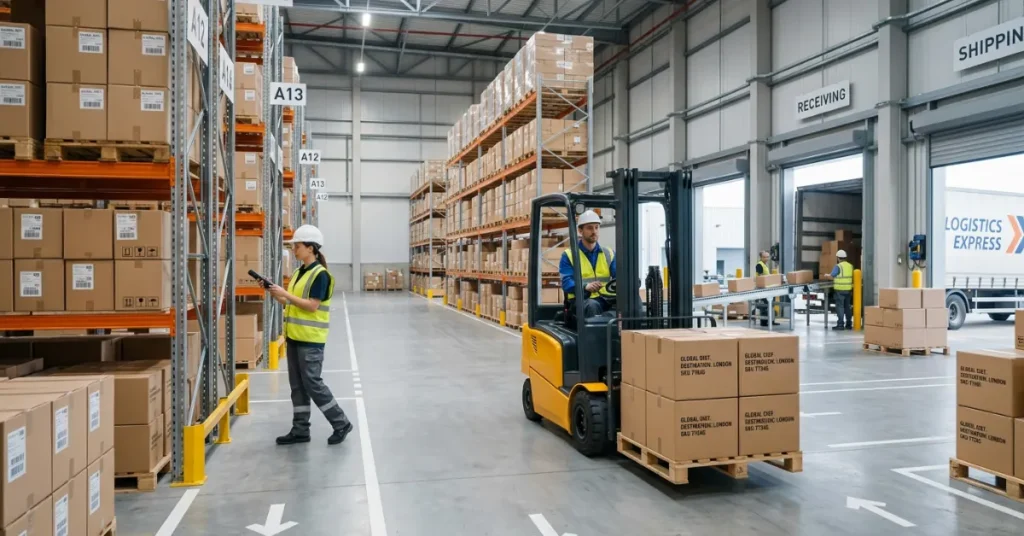
- Warehouse or storage space
- Freight forwarding partner
- Customs broker
- Shipping companies
- Inventory software
Your first shipment process usually follows this structure:
supplier → invoice → shipment → customs clearance → warehouse → client delivery
Having a reliable logistics partner is essential for smooth operations.
Cost to Start an Import-Export Business in Dubai
The startup cost depends on your chosen jurisdiction and operational scale.
Estimated Cost Breakdown
- Trade license: AED 10,000 – 25,000
- Customs code: AED 120 – 1,500
- Visa: AED 3,000 – 5,000
- Office/warehouse: AED 5,000 – 30,000+
- Bank and compliance fees: AED 1,000 – 3,000
Total Estimated Cost
A realistic starting range is: AED 12,000 to AED 30,000+
Larger operations with warehouses and multiple visas may require higher investment.
Common Challenges and How to Avoid Them
Starting an import-export business can be highly profitable, but several challenges can affect operations.
Common issues include:
- Customs delays
- Incorrect HS code classification
- Supplier fraud
- Shipping cost fluctuations
- VAT compliance mistakes
- Incomplete documentation
To avoid these issues:
- Work with verified suppliers
- Use written contracts
- Verify product certifications
- Hire an experienced customs broker
- Maintain accurate invoices and shipping records
Community discussions also highlight the risks of importing under a supplier’s customs code, especially for VAT and re-export documentation.
Pro Tips to Grow Your Import-Export Business in Dubai
To scale faster:
- Focus on high-demand product categories
- Build long-term supplier agreements
- Use Dubai as a re-export hub
- Automate stock and logistics management
- Maintain customs compliance
- Explore GCC expansion
Dubai’s logistics ecosystem makes regional expansion much easier compared to many other markets.
Start Your Import-Export Business in Dubai with Ripple Business Setup
Starting an import-export business in Dubai requires the right licensing, customs registration, and jurisdiction selection to ensure smooth operations from day one. At Ripple Business Setup, we help entrepreneurs and companies set up their trading businesses with expert guidance on free zone and mainland company formation, import-export licensing, customs code registration, visa processing, and bank account assistance. Our team simplifies every step so you can focus on building your global trade operations with confidence. For professional support, contact Ripple Business Setup at +971 50 593 8101, email info@ripplellc.ae, or WhatsApp +971 4 250 0833 for a free consultation.
Conclusion
Starting an Import-Export Business in Dubai is one of the strongest business opportunities in 2026, especially for entrepreneurs looking to enter global trade. With the right product niche, proper licensing, customs registration, and reliable logistics partners, you can build a scalable and profitable trading company.
Disclaimer: This article is for general informational purposes only and should not be considered legal, tax, or business advice. Requirements and costs may vary depending on jurisdiction and business activity.