

Launching a Software-as-a-Service (SaaS) business involves more than building a great product. You also need a solid legal foundation to protect your software, brand, and intellectual property. Choosing the right licensing model, securing your intellectual property (IP), and preparing the required legal documents can help you avoid disputes, attract investors, and build customer trust.
What Is a SaaS Business Setup?
A SaaS business setup is the process of legally establishing a company that develops, delivers, and manages cloud-based software through a subscription model. Instead of selling software as a one-time purchase, SaaS companies provide customers with ongoing access to applications over the internet. A successful SaaS business setup combines legal, operational, and technical planning. It includes business registration, software licensing, intellectual property protection, legal agreements, compliance with data privacy regulations, and cybersecurity measures.
Unlike traditional software businesses, SaaS companies continuously update their applications, manage customer data, and provide ongoing support. This makes licensing and IP protection critical from the beginning.
How SaaS Differs from Traditional Software Businesses
| SaaS Business | Traditional Software Business |
|---|---|
| Software is accessed online | Software is installed locally |
| Subscription-based revenue | One-time software purchase |
| Continuous updates | Periodic version releases |
| Cloud hosting | Local device installation |
| Centralized maintenance | Customer manages updates |
| Scalable for global users | Distribution often requires installation media or downloads |
Examples of SaaS Businesses
Many industries use SaaS solutions to improve productivity and automate business operations. Common examples include:
- Customer Relationship Management (CRM) platforms
- Accounting software
- Project management tools
- Email marketing platforms
- Human Resource Management systems
- Inventory management software
- E-learning platforms
- Cloud storage services
- Video conferencing applications
- Marketing automation platforms
Who Should Start a SaaS Company?
A SaaS business model is suitable for:
- Software developers
- Technology startups
- Entrepreneurs with scalable software ideas
- IT consulting firms
- Digital transformation companies
- Businesses converting desktop software into cloud applications
- Companies offering industry-specific software solutions
Businesses that solve recurring customer problems through subscription-based software often benefit most from the SaaS model.
Why Licensing and IP Protection Are Essential for SaaS Companies
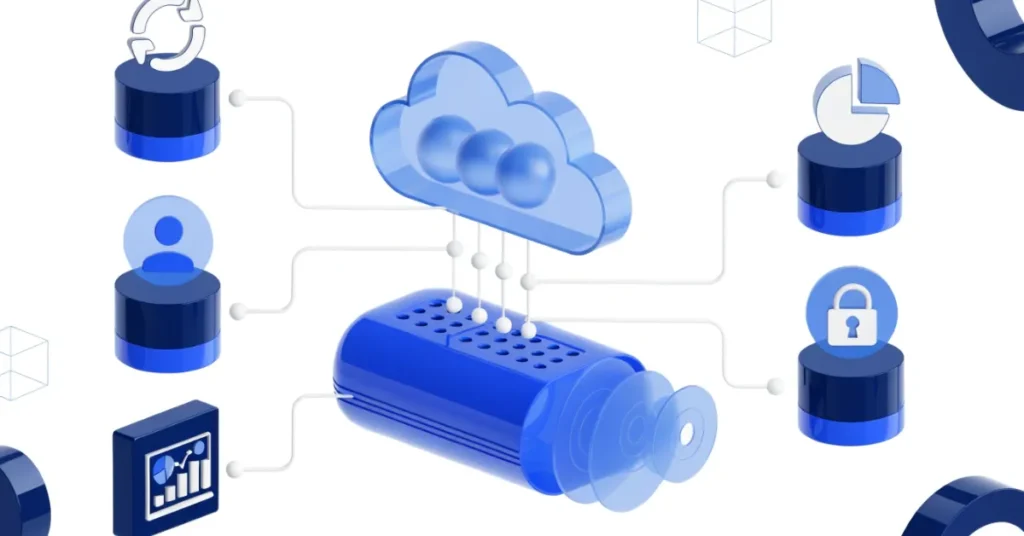
Software is one of the most valuable assets a SaaS company owns. Without proper licensing and intellectual property protection, competitors, former employees, or unauthorized users may copy, distribute, or misuse your software. Implementing the right legal protections helps secure ownership, define customer usage rights, and reduce legal risks throughout the business lifecycle.
Protects Your Software Assets
The source code, application architecture, databases, algorithms, user interface, and documentation represent years of development and investment. Copyright, trade secret protection, and secure internal processes help safeguard these assets from unauthorized use or copying.
Prevents Intellectual Property Theft
Intellectual property theft can occur through copied code, unauthorized software distribution, brand imitation, or misuse of proprietary information. Registering copyrights and trademarks, using confidentiality agreements, and monitoring unauthorized use reduce these risks.
Builds Investor Confidence
Investors and strategic partners often review a startup’s intellectual property portfolio before providing funding. Clear ownership of source code, registered trademarks, and properly drafted licensing agreements demonstrate that the business has protected its core assets and reduced legal uncertainty.
Increases Business Value
A strong intellectual property portfolio becomes a valuable business asset. Protected software, trademarks, and proprietary technology can increase company valuation during funding rounds, acquisitions, or strategic partnerships.
Reduces Legal Risks
Clearly written licensing agreements define how customers can access and use your software. They reduce misunderstandings regarding subscriptions, usage limitations, payment obligations, renewals, and intellectual property ownership.
Supports Long-Term Business Growth
As your SaaS platform expands into new markets, protected intellectual property makes it easier to license technology, enter partnerships, and defend your competitive advantage against infringement.
Step-by-Step SaaS Business Setup Process
Launching a SaaS company requires careful planning across legal, operational, and technical areas. Following a structured process helps reduce compliance risks and creates a strong foundation for sustainable growth.
Choose the Right Business Structure
The legal structure you choose affects taxation, ownership, liability, fundraising opportunities, and operational flexibility.
Common business structures include:
- Sole Proprietorship
- Limited Liability Company (LLC)
- Corporation
- Partnership
- Private Limited Company
Before selecting a structure, evaluate:
- Number of founders
- Investment plans
- Tax obligations
- Ownership distribution
- Personal liability
- Long-term expansion goals
Selecting the appropriate structure early simplifies future fundraising and governance.
Register Your Business
Once you choose a legal structure, complete the official business registration process in the relevant jurisdiction.
Typical registration steps include:
- Reserve the business name.
- Submit incorporation documents.
- Obtain required licenses or permits.
- Register for applicable taxes.
- Open a dedicated business bank account.
- Maintain corporate records and regulatory filings.
Proper registration establishes the company as a legal entity and separates personal and business liabilities.
Select a Business Name
Your business name represents your brand and should be unique, memorable, and legally available.
Before finalizing a name:
- Search existing company registrations.
- Check trademark databases.
- Verify domain name availability.
- Confirm social media username availability.
- Avoid names that closely resemble competitors.
Registering a distinctive brand name helps reduce the risk of trademark disputes in the future.
Register Your Domain Name
Your domain name is an important digital asset and should align with your brand identity.
When selecting a domain:
- Keep it short and easy to remember.
- Choose a reputable extension such as
.comwhen possible. - Avoid unnecessary numbers or special characters.
- Register similar domain variations to reduce impersonation risks.
- Enable domain privacy and security features.
Renew your domain on time to maintain ownership and protect your online presence.
Build Your SaaS Platform
Developing a secure and scalable SaaS platform requires careful planning beyond coding.
Focus on:
- Secure software architecture
- Cloud infrastructure
- User authentication
- Data encryption
- Role-based access control
- API security
- Automated backups
- Performance monitoring
- Disaster recovery planning
- Regular software updates
Building security into the platform from the start helps reduce future vulnerabilities and compliance issues.
Prepare Essential Legal Documents
Legal documentation defines relationships with customers, employees, contractors, and business partners.
Prepare documents such as:
- Terms of Service
- Privacy Policy
- End User License Agreement (EULA)
- Service Level Agreement (SLA)
- Non-Disclosure Agreement (NDA)
- Software Development Agreement
- Customer Subscription Agreement
- Employment Agreements
- Contractor Agreements
- Data Processing Agreement
These documents clarify rights, responsibilities, payment terms, data usage, and ownership of intellectual property.
Launch Your SaaS Business
Before launching your platform, verify that legal, technical, and operational requirements are complete.
Complete this pre-launch checklist:
- Business registration completed
- Domain secured
- Cloud infrastructure tested
- Software security reviewed
- Payment gateway integrated
- Subscription system configured
- Customer support established
- Privacy Policy published
- Terms of Service available
- Licensing agreements finalized
- Backup systems tested
- Monitoring tools enabled
A structured launch process minimizes operational issues and helps deliver a reliable customer experience from day one.
Different Types of SaaS Licensing Models
Choosing the right SaaS licensing model directly affects your revenue, customer retention, pricing strategy, and business scalability. A licensing model defines how customers access your software, how they are billed, and what features they can use. The best model depends on your target audience, product complexity, and long-term growth objectives.
Subscription Licensing
Subscription licensing is the most common model for SaaS businesses. Customers pay a recurring fee—monthly or annually—to access the software. This model provides predictable recurring revenue and allows businesses to continuously improve the product without requiring customers to purchase new versions.
Best for:
- CRM software
- Accounting software
- Project management tools
- HR management systems
- Marketing automation platforms
Advantages
- Predictable recurring revenue
- Easier customer retention
- Continuous product updates
- Flexible pricing options
- Improved cash flow
Challenges
- Requires ongoing customer support
- Customer churn can impact revenue
- Continuous feature development is necessary
Freemium Licensing
The freemium model allows users to access basic features at no cost while charging for advanced functionality, additional storage, integrations, or premium support.
This approach helps SaaS startups build a large user base and convert free users into paying customers over time.
Best for:
- Productivity software
- Collaboration tools
- Cloud storage platforms
- Communication applications
Advantages
- Low barrier to entry
- Rapid user acquisition
- Strong marketing potential
- Opportunity to upsell premium plans
Challenges
- Requires an effective conversion strategy
- Free users still consume infrastructure resources
Enterprise Licensing
Enterprise licensing offers customized pricing and software packages for medium and large organizations. Agreements often include dedicated support, enhanced security, service-level guarantees, custom integrations, and user management features.
Best for:
- Large corporations
- Government organizations
- Healthcare providers
- Financial institutions
Advantages
- Higher contract value
- Long-term customer relationships
- Stable recurring revenue
- Custom implementation opportunities
Challenges
- Longer sales cycles
- Complex contract negotiations
- Higher customer support expectations
Usage-Based Licensing
Usage-based licensing charges customers based on actual software usage rather than a fixed subscription fee. Pricing may depend on API requests, storage consumption, processing time, transactions, or bandwidth.
Best for:
- Cloud infrastructure platforms
- API providers
- AI and machine learning platforms
- Data processing services
Advantages
- Fair pricing
- Scales with customer growth
- Encourages product adoption
Challenges
- Revenue forecasting becomes more difficult
- Customers may prefer predictable pricing
Per-User Licensing
Customers pay according to the number of active users who access the software.
This licensing model is widely used for collaboration and business productivity software.
Best for:
- CRM systems
- Team collaboration software
- HR software
- Customer support platforms
Advantages
- Simple pricing structure
- Easy revenue calculation
- Suitable for growing businesses
Challenges
- Customers may reduce user accounts to lower costs
Lifetime License (Limited SaaS Use)
Although uncommon in SaaS, some businesses offer lifetime access through a one-time payment. This model is generally used for promotional campaigns or early product launches.
Best for:
- Early-stage startups
- Product launch campaigns
- Limited feature offerings
Advantages
- Immediate cash flow
- Faster customer acquisition
Challenges
- No recurring revenue
- Long-term maintenance costs remain
SaaS Licensing Models Comparison
| Licensing Model | Best For | Revenue Predictability | Customer Flexibility | Main Advantage | Main Challenge |
|---|---|---|---|---|---|
| Subscription | Most SaaS businesses | High | High | Recurring revenue | Customer churn |
| Freemium | Startups | Medium | High | User acquisition | Low conversion rates |
| Enterprise | Large organizations | High | Medium | High-value contracts | Long sales cycles |
| Usage-Based | API and cloud services | Medium | High | Fair pricing | Variable revenue |
| Per-User | Team software | High | Medium | Easy pricing | Seat optimization |
| Lifetime | Product launches | Low | Low | Fast cash flow | No recurring income |
Intellectual Property Rights Every SaaS Founder Should Understand
Intellectual property (IP) protects the unique assets that make your SaaS business valuable. Without proper IP protection, competitors or unauthorized parties may copy your software, branding, or proprietary technology. Every SaaS founder should understand the following forms of intellectual property protection.
Copyright
Copyright automatically protects original software code, documentation, user manuals, graphics, and website content. Copyright helps prevent unauthorized copying, modification, or distribution of your software.
Protect:
- Source code
- User interface designs
- Technical documentation
- Website content
- Training materials
Trademark
A trademark protects your business identity and distinguishes your products from competitors.
Register trademarks for:
- Company name
- Product name
- Logo
- Tagline
- Brand identity
Trademark registration reduces the risk of brand imitation and strengthens customer recognition.
Patent
Software patents may protect innovative technical solutions or unique software processes in jurisdictions where they are available. Patents are generally suitable when your SaaS platform introduces a novel and non-obvious technological innovation.
Patents can protect:
- Proprietary algorithms
- Innovative processing methods
- Technical software solutions
- Unique system architecture
Patent eligibility varies by country, so professional legal advice is recommended before filing.
Trade Secrets
Trade secrets protect confidential business information that provides a competitive advantage.
Examples include:
- Proprietary algorithms
- Source code
- Business strategies
- Customer data
- Pricing models
- Internal processes
- Machine learning models
Trade secrets remain protected only while they remain confidential.
Domain Name Protection
Your domain name is a valuable business asset.
Protect it by:
- Registering your primary domain early
- Purchasing common domain extensions
- Enabling domain privacy
- Activating domain security features
- Monitoring for similar domains
Brand Identity
Brand identity extends beyond trademarks.
Protect:
- Product branding
- Website design
- Marketing materials
- Visual assets
- Brand guidelines
Consistent branding helps build trust while reducing customer confusion.
Database Rights
Many SaaS businesses rely on proprietary databases. Where applicable under local law, database rights may protect:
- Structured customer databases
- Product databases
- Research datasets
- Curated business information
Always understand the legal protections available in your target markets.
How to Protect Your SaaS Intellectual Property
Protecting intellectual property requires continuous attention throughout the software lifecycle.
1. Register Copyrights
Register software copyrights where applicable to strengthen your legal position during infringement disputes.
Maintain records of:
- Development history
- Source code versions
- Release dates
- Author information
2. Trademark Your Brand
Register trademarks as early as possible.
Protect:
- Company name
- Product names
- Logo
- Slogans
Early registration reduces the likelihood of future branding conflicts.
3. Secure Your Source Code
Source code is often the most valuable asset in a SaaS business.
Implement:
- Private repositories
- Multi-factor authentication
- Role-based permissions
- Access logs
- Regular backups
- Code encryption where appropriate
Limit source code access to authorized personnel only.
4. Use Non-Disclosure Agreements (NDAs)
Require NDAs before sharing confidential information with:
- Employees
- Developers
- Contractors
- Consultants
- Investors (where appropriate)
- Strategic partners
Clearly define:
- Confidential information
- Permitted use
- Confidentiality obligations
- Duration
- Consequences of breach
5. Sign Software Development Agreements
If external developers contribute to your software, ensure written agreements clearly assign intellectual property ownership to your company.
Include provisions covering:
- Ownership of deliverables
- Confidentiality
- Payment terms
- Acceptance criteria
- Maintenance responsibilities
6. Limit Internal Access
Not every employee needs access to all business information.
Apply the principle of least privilege by:
- Restricting repository access
- Separating development environments
- Monitoring user activity
- Reviewing permissions regularly
7. Monitor for IP Infringement
Regularly monitor the market for unauthorized use of your intellectual property.
Check for:
- Copied software
- Similar branding
- Trademark misuse
- Domain impersonation
- Copyright violations
Prompt action helps minimize legal and financial damage.
8. Maintain Proper Documentation
Accurate documentation strengthens ownership claims and supports legal enforcement.
Maintain records for:
- Source code development
- Licensing agreements
- Trademark registrations
- Copyright filings
- Employment contracts
- NDA agreements
- Product release history
Well-organized documentation simplifies audits, investment due diligence, and dispute resolution.
Essential Legal Documents Every SaaS Business Needs
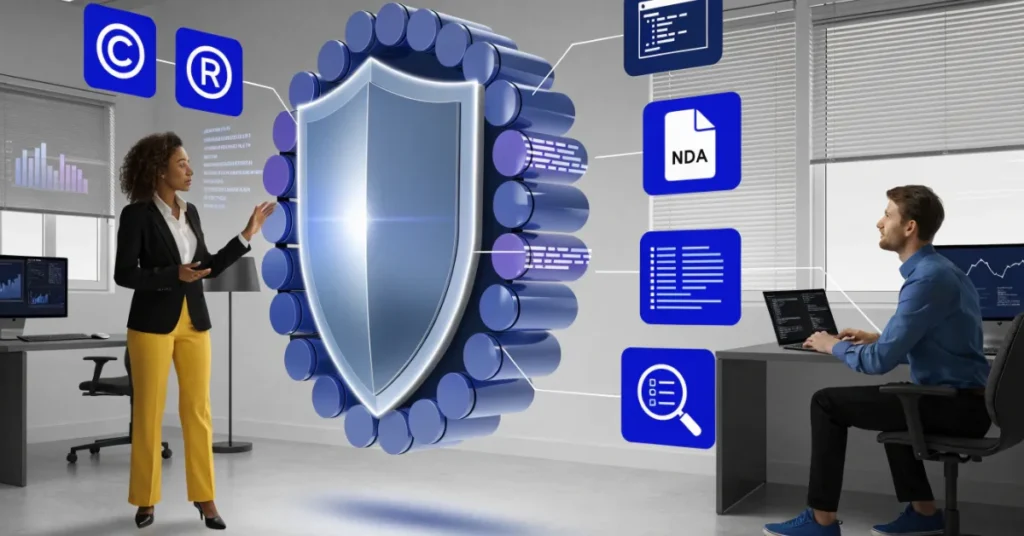
Legal documents define the relationship between your company, customers, employees, contractors, and business partners. Well-drafted agreements reduce legal uncertainty and help protect your software and intellectual property.
Terms of Service
This agreement outlines the rules customers must follow when using your SaaS platform.
It should define:
- User responsibilities
- Acceptable use
- Payment terms
- Account termination
- Limitation of liability
- Dispute resolution
Privacy Policy
A Privacy Policy explains how your business collects, uses, stores, and protects personal information.
It should include:
- Types of data collected
- Purpose of data collection
- Data retention practices
- User rights
- Security measures
- Contact information
End User License Agreement (EULA)
A EULA specifies how customers may use your software while confirming that ownership of the intellectual property remains with your company.
It typically covers:
- License scope
- Usage restrictions
- Prohibited activities
- Intellectual property ownership
- Termination conditions
Service Level Agreement (SLA)
An SLA defines the service standards customers can expect.
Include:
- Uptime commitments
- Support response times
- Maintenance schedules
- Performance expectations
- Remedies for service interruptions
Data Processing Agreement (DPA)
If your SaaS platform processes customer data on behalf of clients, a DPA defines each party’s responsibilities regarding data protection and security.
Customer Subscription Agreement
This agreement covers:
- Subscription terms
- Billing cycles
- Renewal policies
- Cancellation procedures
- Refund conditions
Employment Agreements
Employee contracts should clearly define:
- Job responsibilities
- Confidentiality obligations
- Intellectual property ownership
- Non-disclosure requirements
Contractor Agreements
Independent contractor agreements should clarify:
- Scope of work
- Deliverables
- Payment terms
- Ownership of work product
- Confidentiality obligations
Software Development Agreement
If software development is outsourced, use a detailed agreement that addresses:
- Project scope
- Milestones
- Testing requirements
- Ownership of source code
- Maintenance obligations
- Intellectual property transfer
Non-Disclosure Agreement (NDA)
An NDA protects confidential business information shared during business relationships.
It should cover:
- Confidential information
- Permitted disclosure
- Confidentiality period
- Legal remedies for unauthorized disclosure
SaaS Compliance Requirements You Should Never Ignore
Compliance is an ongoing responsibility for every SaaS business. As your platform collects customer information, processes payments, and stores data in the cloud, you must comply with applicable laws and industry standards. Ignoring compliance can lead to legal disputes, financial penalties, reputational damage, and loss of customer trust.
Data Privacy Compliance
If your SaaS platform collects personal information, you must clearly explain how data is collected, used, stored, and protected.
Focus on:
- Collecting only necessary information
- Obtaining user consent where required
- Providing a clear Privacy Policy
- Allowing users to access or delete their data where applicable
- Protecting sensitive customer information
Customer Consent
Customers should understand what information your platform collects and why.
Best practices include:
- Clear consent requests
- Easy-to-understand privacy notices
- Simple opt-in and opt-out options
- Transparent communication about data usage
Data Storage and Security
Secure cloud infrastructure helps protect customer information against unauthorized access and cyber threats.
Implement:
- Data encryption
- Secure cloud hosting
- Regular backups
- Access controls
- Multi-factor authentication
- Continuous security monitoring
Cybersecurity Compliance
Cybersecurity should be integrated into every stage of software development and operations.
Recommended measures:
- Regular security testing
- Vulnerability assessments
- Patch management
- Secure coding practices
- Incident response planning
- Employee security awareness training
Tax Compliance
SaaS businesses may have tax obligations depending on where they operate and where their customers are located.
Maintain:
- Accurate financial records
- Proper invoicing
- Tax registrations
- Timely tax filings
- Documentation supporting tax calculations
Consult a qualified tax professional to understand your obligations in each jurisdiction.
Payment Compliance
When accepting online payments, use trusted payment providers that follow recognized security standards.
Best practices:
- Secure payment gateways
- Tokenized payment processing
- Fraud monitoring
- Transaction logging
- Strong customer authentication
Consumer Protection
Provide customers with clear information about:
- Pricing
- Subscription terms
- Renewal policies
- Cancellation procedures
- Refund policies
- Customer support
Transparent policies reduce disputes and improve customer confidence.
Accessibility
Design your SaaS platform so that it is usable by people with different abilities whenever possible.
Consider:
- Keyboard navigation
- Screen reader compatibility
- Readable fonts
- Color contrast
- Accessible forms
- Alternative text for images
Accessible software improves usability for all users.
SaaS Compliance Checklist
Before launching or expanding your SaaS business, verify that you have:
- Privacy Policy published
- Terms of Service available
- Customer consent mechanisms implemented
- Data encryption enabled
- Multi-factor authentication configured
- Secure cloud infrastructure
- Regular data backups
- Payment security measures in place
- Security testing completed
- Tax obligations reviewed
- Customer support process established
- Compliance documentation maintained
Common Licensing and IP Mistakes SaaS Startups Make
Many SaaS startups experience legal challenges because they overlook basic licensing and intellectual property requirements. Avoiding these mistakes reduces legal risks and protects long-term business value.
No Written Agreements
Operating without written contracts creates uncertainty regarding ownership, responsibilities, payment terms, and software usage. Always prepare agreements before starting any business relationship.
Ignoring Trademark Registration
Using an unregistered brand increases the risk of disputes and may require expensive rebranding if another business owns similar rights. Register trademarks as early as possible.
Poor Documentation
Incomplete documentation makes it difficult to prove ownership of software, trademarks, and copyrights. Maintain organized records throughout the software development lifecycle.
Weak Access Controls
Giving unrestricted access to source code increases the risk of accidental or intentional data loss. Limit access according to job responsibilities.
Sharing Source Code Without Protection
Never share proprietary source code without appropriate confidentiality agreements and contractual protections.
Not Using NDAs
Employees, contractors, consultants, and business partners should sign Non-Disclosure Agreements before receiving confidential information.
Copying Competitors
Using copied software code, designs, or branding can result in copyright or trademark infringement claims. Develop original software and marketing materials.
Using Unlicensed Software
Only use software, libraries, and third-party resources in accordance with their licensing terms. Review open-source licenses carefully before integrating components into your SaaS platform.
Delaying Legal Advice
Waiting until a dispute arises often increases legal costs and operational risks. Seek professional legal guidance during the planning stage rather than after problems occur.
Best Practices to Build a Legally Secure SaaS Business
Strong legal and operational practices help protect your software while supporting sustainable business growth.
Keep Contracts Updated
Review legal agreements regularly to reflect new features, pricing changes, regulatory updates, and business expansion.
Review Compliance Periodically
Conduct regular compliance reviews to ensure policies, security controls, and operational procedures remain current.
Monitor Intellectual Property
Track trademarks, copyrighted content, and domain names to identify potential infringement early.
Protect Customer Data
Use modern security practices to safeguard customer information throughout its lifecycle.
Secure Cloud Infrastructure
Maintain secure hosting environments by implementing:
- Encryption
- Network monitoring
- Firewalls
- Backup systems
- Disaster recovery planning
Educate Employees
Provide regular training on:
- Information security
- Confidentiality
- Intellectual property
- Password management
- Phishing awareness
- Data handling procedures
Audit Software Licenses
Regularly review software licenses to ensure compliance with commercial and open-source licensing requirements.
Maintain Intellectual Property Records
Store all intellectual property documentation securely, including:
- Trademark certificates
- Copyright registrations
- Licensing agreements
- Development records
- Employment agreements
- NDA documentation
Comprehensive records simplify audits, investment due diligence, and legal enforcement.
Real-World Example: How Strong IP Protection Helped a SaaS Startup Grow
A startup developed a cloud-based project management platform for small businesses. During product development, the founders implemented a comprehensive intellectual property strategy before launching. They registered their trademark, documented software development activities, required all developers to sign intellectual property assignment agreements, and protected confidential information through Non-Disclosure Agreements.
The company also implemented clear licensing terms, published comprehensive legal policies, and secured its source code using private repositories with role-based access controls.
As the business expanded, investors conducted due diligence and found that ownership of the software, branding, and supporting documentation was clearly established. The organized intellectual property portfolio increased investor confidence and simplified funding discussions.
Key lessons from this example:
- Protect intellectual property before launching.
- Maintain clear ownership documentation.
- Use written agreements with all contributors.
- Register trademarks early.
- Secure confidential business information.
- Review legal documentation regularly.
SaaS Business Setup Checklist Before Launch
Use this checklist to confirm your business is ready for launch.
Business Setup
- Business registered
- Appropriate legal structure selected
- Business bank account opened
- Required licenses obtained
Brand Protection
- Business name verified
- Trademark application submitted
- Domain name registered
- Social media accounts secured
Intellectual Property
- Copyright protection documented
- Source code ownership confirmed
- Development agreements completed
- NDA agreements signed
- Intellectual property records organized
Legal Documentation
- Terms of Service published
- Privacy Policy published
- End User License Agreement completed
- Service Level Agreement prepared
- Customer Subscription Agreement finalized
- Contractor agreements completed
Security
- Multi-factor authentication enabled
- Data encryption implemented
- Backup systems tested
- Access controls configured
- Security testing completed
Compliance
- Data privacy requirements reviewed
- Payment systems secured
- Tax obligations assessed
- Customer support procedures established
Why Choose Ripple Business Setup for SaaS Business Setup, Licensing & IP Protection?
Launching a SaaS company requires careful planning to ensure your business is legally structured, your software is properly licensed, and your intellectual property is protected. Ripple Business Setup assists entrepreneurs, startups, and technology companies with business incorporation, licensing guidance, compliance support, and company formation services. Whether you are establishing a new SaaS venture or expanding your software business, our team can help streamline the setup process while ensuring your business is prepared for long-term growth. To learn more about SaaS business setup and related business services, contact Ripple Business Setup at +971 50 593 8101, email info@ripplellc.ae, or WhatsApp +971 4 250 0833.
FAQ
What is a SaaS business setup?
A SaaS business setup is the process of establishing a cloud-based software company. It includes business registration, licensing, intellectual property protection, legal documentation, compliance planning, and operational readiness.
Do SaaS companies need software licenses?
Yes. Every SaaS business should define how customers can access and use its software through appropriate licensing agreements. Clear licensing terms protect intellectual property and reduce legal disputes.
How can I protect my SaaS intellectual property?
You can protect your intellectual property by registering trademarks where appropriate, documenting software ownership, securing source code, using Non-Disclosure Agreements, signing intellectual property assignment agreements with developers, and maintaining accurate legal records.
Can software be copyrighted?
Yes. Original software code is generally protected by copyright law. Registration procedures vary by jurisdiction and may strengthen legal enforcement.
Should SaaS startups register trademarks?
Yes. Registering a trademark helps protect your company name, product name, logo, and brand identity while reducing the risk of infringement disputes.
What legal agreements should a SaaS company have?
Most SaaS businesses require:
- Terms of Service
- Privacy Policy
- End User License Agreement (EULA)
- Service Level Agreement (SLA)
- Customer Subscription Agreement
- Non-Disclosure Agreement (NDA)
- Employment Agreements
- Contractor Agreements
- Software Development Agreement
- Data Processing Agreement
What is the difference between copyright and a patent?
Copyright protects original creative works such as software code and documentation. Patents may protect eligible technical inventions or innovative processes, depending on the laws of the relevant jurisdiction.
How often should SaaS legal documents be updated?
Review legal documents at least once a year or whenever there are significant changes to your software, pricing, services, regulatory requirements, or business operations.
Conclusion
Building a successful SaaS business requires more than developing innovative software. A strong legal foundation is essential to protect your technology, brand, customer relationships, and long-term business value. By selecting the right licensing model, protecting your intellectual property, preparing comprehensive legal documentation, implementing strong security measures, and maintaining ongoing compliance, you can reduce legal risks and create a scalable business that inspires confidence among customers, investors, and business partners.
Disclaimer: This article is for general informational purposes only and does not constitute legal, tax, or professional advice. Laws and regulations relating to SaaS businesses, software licensing, and intellectual property vary by jurisdiction. Consult qualified legal and business professionals for advice tailored to your specific circumstances before making business or legal decisions.