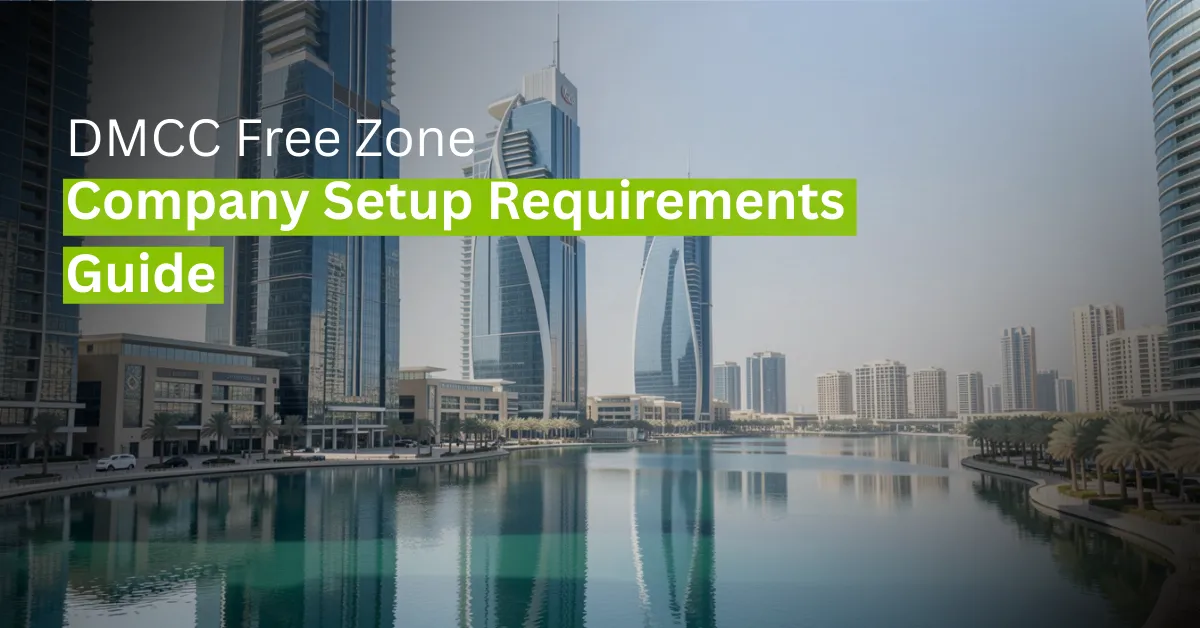
Thinking about setting up a company in Dubai? The DMCC Free Zone is a pretty popular choice, and for good reason. It’s one of the biggest free zones out there, and it’s been recognized as a top spot for businesses year after year. This guide will walk you through what you need to know about getting your DMCC Free Zone Company up and running, covering the requirements and the whole process.
What is the DMCC Free Zone?
So, what exactly is the DMCC Free Zone? Basically, it’s a big business hub located right in the middle of Dubai. It’s officially called the Dubai Multi Commodities Centre, but most people just call it DMCC. Think of it as a special economic zone designed to make it super easy for companies, especially those from other countries, to set up shop and do business. It’s actually the world’s largest free zone, which is pretty impressive.
DMCC has been recognized multiple times as the “Global Free Zone of the Year.” This isn’t just for show; it’s because they’ve built some really great facilities and made the whole process of starting a company here quite straightforward. They’ve managed to attract a huge number of businesses, with over 24,000 companies from around 180 different countries already calling it home. It’s a place where you can find all sorts of businesses, from tech startups to trading companies and consultancies.
Here are a few things that make DMCC stand out:
- 100% Foreign Ownership: You can own your company outright without needing a local partner. This is a big deal for many international entrepreneurs.
- Tax Exemptions: Companies here generally don’t pay corporate or personal income tax. This can really help keep costs down.
- Profit Repatriation: You can send all your profits back to your home country without any issues.
- Strategic Location: Being in Dubai gives you great access to markets in the Middle East, Asia, and Africa.
DMCC offers a business-friendly environment with excellent infrastructure, making it a popular choice for companies looking to expand their global reach and operate efficiently.
If you’re thinking about setting up a business in Dubai, DMCC is definitely one of the top places to consider. It’s designed to help businesses grow and connect with the wider world, offering a solid foundation for DMCC business setup.
Why Choose DMCC for Your Business Setup?
So, you’re thinking about setting up shop in Dubai? That’s a big move, and honestly, picking the right spot can make all the difference. The DMCC Free Zone is a pretty popular choice for a reason. It’s not just about being in Dubai; it’s about the specific advantages DMCC brings to the table. Let’s break down why so many businesses decide to make DMCC their home base.
Strategic Location and Infrastructure
Think of DMCC as a prime piece of real estate in Dubai. It’s got the infrastructure to back up its location. We’re talking about modern office spaces, reliable communication systems, and good transport links. This setup makes it easier to do business, whether you’re a small startup needing a shared desk or a large corporation looking for a whole floor. Having everything you need right there, from utilities to connectivity, cuts down on a lot of hassle.
Tax Benefits and Financial Advantages
This is where things get really interesting for many business owners. One of the biggest draws is the tax situation. DMCC offers a 100% exemption on corporate and personal income taxes. That means more of your hard-earned money stays in your business, not with the taxman. Plus, you can repatriate 100% of your profits. This financial freedom is a major part of the benefits of DMCC license holders. It really helps in reducing operational costs and boosting profitability. The overall cost of DMCC business setup can be quite competitive when you factor in these savings.
Access to Global Markets
Being in DMCC means you’re plugged into a global network. It’s a hub that connects businesses to markets across the Middle East, Africa, and Asia. You’re not just setting up a local business; you’re positioning yourself for international reach. The zone hosts over 24,000 companies from around 180 countries, creating a vibrant ecosystem for networking and partnerships. This kind of environment can really help build your business reputation and open doors you might not have found otherwise. It’s a solid step for anyone looking at international business growth.
Setting up in DMCC provides a business-friendly environment with significant financial advantages, including tax exemptions and full profit repatriation. Its strategic location and robust infrastructure support both local operations and global market access, making it an attractive option for company formation.
Key DMCC Free Zone Company Setup Requirements
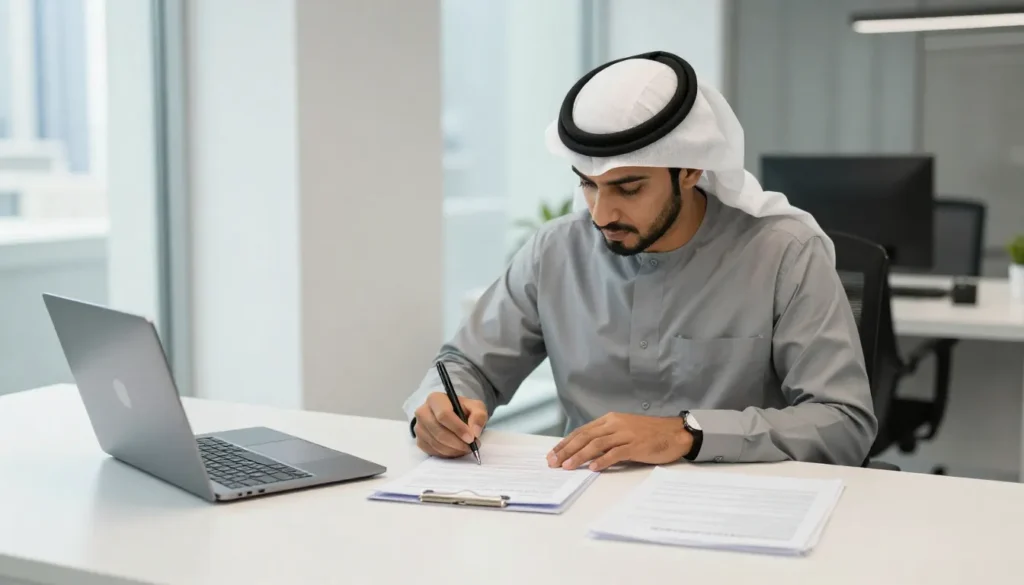
So, you’re thinking about setting up business in Dubai, specifically within the DMCC free zone? That’s a smart move. But before you get too excited, let’s talk about what you actually need to get your company registered. It’s not overly complicated, but you do need to have the right documents and understand the options available. This section breaks down the main requirements for how to start a company in UAE free zones, focusing on DMCC.
Company Structure Options
When you’re looking at Dubai free zone company registration, DMCC offers a few ways to set up your business. The choice really depends on your specific needs, like whether you’re a solo entrepreneur or have partners.
- Free Zone Establishment (FZE): This is for a single shareholder. Think of it as a one-person company. It’s a straightforward option if you’re the sole owner.
- Free Zone Company (FZLC): This structure is for two or more shareholders. It’s suitable for partnerships or when you have multiple investors involved.
- Branch Office: If you already have an existing company outside the DMCC, you can set up a branch here. It essentially extends your current business into the free zone.
Required Documentation
Gathering the right paperwork is a big part of the process for free zone business setup. DMCC has a standard list, though sometimes they might ask for more depending on your business activity. Here’s a general rundown:
- Application Form: You’ll need to fill out the official DMCC application. This is usually done online.
- Passport Copies: Clear copies of the passports for all shareholders and any directors are a must. Make sure they’re valid.
- Proof of Address: This could be a utility bill or bank statement showing your residential address.
- Business Plan: For certain types of businesses, especially those that are regulated or considered higher risk, a detailed business plan is required. This helps DMCC understand your operations.
- Memorandum and Articles of Association (MOA/AOA): These are the foundational legal documents for your company. They outline ownership, management, and how the company will be run.
- Specimen Signatures: You’ll need to provide signatures for authorized individuals who will sign official documents.
- Office Space Proof: You need to show you have a place to operate. This could be a lease agreement for an office, a flexi-desk booking, or confirmation of a service license space.
Sometimes, DMCC might ask for extra documents. This could include corporate documents if a company is a shareholder, board resolutions, or approvals from other authorities if your business is in a regulated sector. It’s always good to be prepared for potential additional requests.
Share Capital Requirements
When it comes to share capital, DMCC has a flexible approach. For most standard business activities, there isn’t a strict minimum share capital requirement that you need to deposit upfront. This makes setting up a business in Dubai more accessible.
- No Minimum Deposit for Most: You generally don’t need to show a large sum of money in a bank account before you can get your license.
- Stated in MOA/AOA: While there’s no mandatory deposit, the share capital must be stated in your company’s Memorandum and Articles of Association. It should reflect the ownership structure.
- Activity-Specific Needs: For certain regulated activities, there might be specific capital requirements or financial standing proofs needed. DMCC will inform you if this applies to your business.
Office Space Solutions
Having a physical presence is a requirement for most DMCC licenses. DMCC offers various options to suit different business needs and budgets, which is a key part of the requirements for DMCC license applications.
- Flexi-Desk: This is a cost-effective solution for startups or small businesses. You get a dedicated desk in a shared office space, which is sufficient for many types of licenses.
- Serviced Offices: These are fully furnished and equipped office spaces that you can rent. They offer more privacy and facilities than a flexi-desk.
- Physical Offices: For larger companies or those needing dedicated space, you can lease a private office within the DMCC. This provides a permanent base for your operations.
The DMCC Company Formation Process Step-by-Step
So, you’re thinking about setting up shop in the DMCC? It’s not as complicated as it might sound, honestly. The whole Dubai company registration process here is pretty well laid out. They’ve really tried to make it straightforward.
First things first, you need to pick the right company structure. DMCC offers a few options, like a Free Zone Establishment (FZE) for a single owner, a Free Zone Limited Liability Company (FZ-LLC), which is super common for multiple partners or if you plan to hire people, or even a Branch Office if you’re just extending an existing business. Your choice here really sets the stage for everything else, affecting things like visa quotas and what you can actually do business-wise.
Next up is picking a name for your company. You’ll need to check if your preferred name is available on the DMCC portal. Just a heads-up, they have rules about names – no offensive stuff, nothing too religious or political, and it should actually sound like what your business does. It’s usually pretty quick, but sometimes they take a closer look if your name suggests you’re in a regulated field.
Then comes the paperwork. This is where you gather all the necessary documents. Think passport copies for everyone involved (shareholders, directors), proof of where you live, and maybe even a business plan if you’re doing something a bit more complex or regulated. You’ll also need your company’s Memorandum and Articles of Association, which basically outline how the company will be run. Don’t forget proof of your office space, whether it’s a physical office or a flexi-desk arrangement.

Here’s a quick rundown of what you’ll likely need:
- Passport copies for all shareholders and directors
- Proof of address
- Memorandum and Articles of Association (MOA/AOA)
- Business plan (sometimes required)
- Office space confirmation
Once all your documents are in order, you submit them through the DMCC’s online system. They’ll review everything, and if all goes well, they’ll issue your official trade license, certificate of incorporation, and other important documents that let you start operating. It’s a pretty efficient process, and many businesses find they can get up and running relatively quickly.
The entire setup is designed to be as clear as possible, with digital tools to help you along the way. They want you to focus on growing your business, not getting bogged down in red tape.
After you’re officially registered, there are a few more things to sort out, like registering for tax purposes if applicable. DMCC also provides resources for things like getting visas for your employees. It’s all part of making sure your Dubai company registration process is smooth from start to finish.
Post-Setup Considerations and Compliance

So, you’ve got your DMCC company up and running. That’s a big step! But honestly, the work isn’t quite done yet. Staying compliant is a big deal here, and there are a few things you’ll need to keep on top of to avoid any headaches down the road.
First off, think about your annual obligations. These are the recurring tasks that keep your business legitimate. You’ll need to renew your trade license and your office lease every year. Don’t forget about your establishment card, too that needs renewing annually as well. It’s easy to let these dates slip, so setting up calendar reminders is a smart move.
Then there’s the financial side of things. Depending on your license type, you might need to file annual corporate income tax returns and VAT returns. Keeping your financial records tidy is also key. The standard reporting framework is IFRS, so make sure your accounts are in order. You’ll also need to maintain records for a good while, usually 5 to 10 years, depending on the document. It’s a bit like keeping old receipts, but for your business.
Here’s a quick rundown of some key compliance areas:
- Corporate Registers: Keep your shareholder, director, and ultimate beneficial owner (UBO) details accurate. If anything changes, you have to let DMCC know.
- Licensing and Renewals: Annual renewal of your trade license, office lease, and establishment card is a must.
- Record Keeping: Maintain financial, HR, and operational records for the legally required period.
- Employment Law: Make sure your employment contracts, payroll, visa renewals, and insurance all line up with UAE Labour Law and DMCC rules.
Staying on top of these requirements isn’t just about avoiding fines; it’s about building a solid foundation for your business. It shows you’re serious and professional, which is good for everyone involved, including your clients and partners.
Finally, keep an eye on any changes in regulations. The business landscape can shift, and staying informed means you can adapt quickly. DMCC often provides updates, and some services can help you track these changes. It’s all about being proactive rather than reactive.
After you’ve finished setting things up, there are still a few important things to think about to make sure everything is running smoothly and following the rules. We want to help you make sure your business is set up right and stays that way. Ready to get started? Visit our website to learn more about how we can help you with these final steps and keep your business compliant.
Why Choose Ripple Business Setup for Your DMCC Company Formation
If you want expert help with company formation in the Dubai Multi Commodities Centre, Ripple Business Setup can guide you through every step. Our team helps with documentation, approvals, licensing, and business registration so you can start smoothly without delays. For assistance, contact Ripple Business Setup at +971 50 593 8101, email info@ripplellc.ae, or WhatsApp +971 4 250 0833.
Wrapping Things Up
So, setting up shop in the DMCC free zone might seem like a lot at first, with all the forms and approvals. But honestly, once you break it down, it’s pretty manageable. You’ve got your business name, your activity, and the type of company sorted. Then it’s just a matter of getting all your documents together – passport copies, proof of address, that sort of thing – and submitting them. They’ll review it, and before you know it, you’ll have your trade license and be ready to go. It’s a solid way to get your business running in Dubai.
Frequently Asked Questions
What exactly is the DMCC Free Zone?
The DMCC Free Zone, also known as the Dubai Multi Commodities Centre, is a huge business hub located in Dubai. It’s like a special area designed to make it super easy for companies, especially those owned by people from other countries, to start and run their businesses. It’s been recognized as a top free zone in the world many times because it’s so well-equipped and business-friendly.
Why is DMCC a good place to set up my company?
Choosing DMCC is smart because it’s in a great spot with excellent facilities. You get awesome tax benefits, like not paying income tax on your business or personal earnings. Plus, it opens doors to markets all over the globe, making it easier to trade and connect with customers worldwide.
What kinds of companies can I form in DMCC?
You have a few choices for how to set up your company. You can create a Limited Liability Company (FZ-LLC), which is common for multiple owners. Or, you can form a Free Zone Establishment (FZE) if you’re the sole owner. Companies can also set up a branch office here if they already have a parent company elsewhere.
What documents do I need to start a business in DMCC?
You’ll need things like copies of your passport and proof of where you live for everyone involved (owners and managers). You’ll also need to fill out an application form and provide details about your business, like a business plan if your activity is complex. Sometimes, you might need extra papers depending on what your business does.
How much does it cost to set up a company in DMCC?
The basic cost for registering your business is usually around AED 9,000 to AED 10,000. But remember, this is just for the registration. You’ll also have other costs for things like your business license, office space, and any visas you might need for employees.
What’s the process for setting up a business in DMCC?
It involves a few key steps. First, pick a unique name for your business and make sure it’s available. Then, decide on the exact activities your company will do. After that, choose your company type (like FZ-LLC or FZE). You’ll need to get initial approval, find office space, and submit all your required documents to DMCC. Once approved, you’ll get your trade license and can start operating!
Disclaimer: This guide is for general information only and does not replace professional legal or business advice. Requirements and fees may change based on authority regulations and business activity. Always confirm the latest rules with the relevant free zone authority or a licensed consultant.