The UAE is no longer moving toward digital tax compliance; it is already there. Businesses across the Emirates are replacing paper trails with structured digital workflows, and e-invoicing sits at the center of this transformation. If your business issues VAT invoices in the UAE, understanding how e-invoicing works in 2026 is not optional; it is foundational to staying compliant and competitive.
What is E-Invoicing in UAE and How Does It Work?
E-invoicing in UAE refers to the structured electronic exchange of invoice data between buyers, sellers, and, where required, the Federal Tax Authority (FTA). It is fundamentally different from simply emailing a PDF. A traditional invoice is a document; an e-invoice is structured data, machine-readable and verifiable in real time.
Instead of generating a PDF in Word or accounting software and emailing it manually, an e-invoice is created in a defined format, typically XML or a Peppol-compatible structure, and transmitted through an approved platform. This enables automated validation, real-time reporting, and seamless VAT compliance without manual intervention.
Is E-Invoicing Mandatory in UAE in 2026?
The FTA has signaled a phased mandatory rollout of e-invoicing as part of the UAE’s broader digital economy agenda. While final implementation timelines are subject to FTA announcements, businesses should treat preparation as urgent, not optional.
Current regulatory direction indicates mandatory compliance for:
- B2B transactions above specified thresholds
- B2G (business-to-government) transactions, which are expected to be prioritized in early phases
- VAT-registered entities operating across key sectors such as retail, real estate, and professional services
- Large enterprises first, followed by SMEs in subsequent phases
The FTA has aligned UAE’s approach with international frameworks already active in Saudi Arabia (ZATCA), the EU, and other GCC nations. Businesses that wait for a final mandate before acting risk penalties and rushed, error-prone implementation.
Benefits of E-Invoicing for Businesses in UAE
Adopting e-invoicing is not just about ticking a compliance box. For UAE businesses, it delivers measurable operational advantages:
- Faster payment cycles, automated invoice delivery, and reduced approval delays
- Fewer human errors in structured data formats eliminate manual entry mistakes
- Automated VAT compliance the system validates tax fields in real time
- Real-time reporting instant visibility into outstanding invoices and tax liabilities
- Significant cost savings reduced paper, printing, postage, and reconciliation labour
- Stronger fraud prevention, digital signatures, and audit trails make tampering far harder
Businesses that have transitioned to e-invoicing typically report a 30–40% reduction in invoice processing costs and a measurable improvement in Days Sales Outstanding (DSO) money comes in faster because invoices reach buyers instantly and in the correct format.
Step-by-Step Process to Implement E-Invoicing in UAE
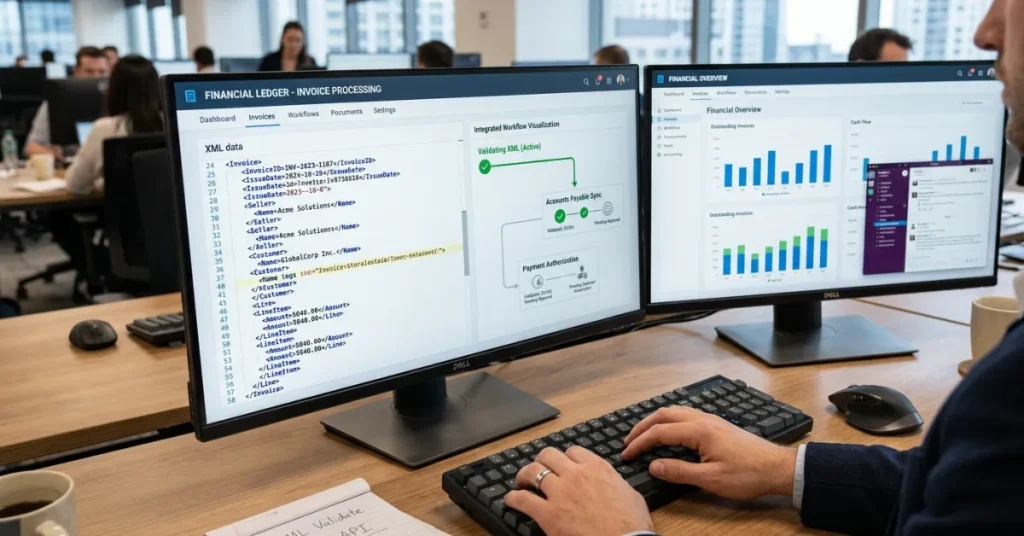
Step 1: Assess Your Current Accounting System
Before choosing any software or platform, audit how your business currently generates and manages invoices. Identify whether you use an ERP system, standalone accounting software, or manual processes. Understand the volume of invoices you generate monthly, how VAT is currently calculated and recorded, and where the gaps are between your current output and a structured e-invoice format. This assessment saves significant time and money later.
Step 2: Choose an FTA-Compliant E-Invoicing Software
Your software must meet specific UAE compliance standards. When evaluating options, look for:
- Cloud-based vs on-premise deployment, cloud solutions offer easier updates and lower upfront cost
- ERP and accounting integration capability with your existing tools
- Built-in UAE VAT compliance features, including TRN validation and correct tax field structures
- Support for required invoice formats (XML, structured data exchange)
- Audit trail and data storage functionality
Step 3: Register with an Approved E-Invoicing Platform
Once you have selected your software, you will need to connect it to an FTA-approved or aligned invoicing platform. This step varies depending on whether your business falls under B2B or B2G requirements. Your software provider will typically guide the registration process, but confirm that the platform is recognized under the UAE’s emerging e-invoicing framework before committing. Keep documentation of your registration for compliance records.
Step 4: Configure Invoice Format and Data Fields
Your e-invoices must include specific mandatory fields. Configure your system to capture and transmit:
- Supplier and buyer Tax Registration Numbers (TRN)
- Itemized VAT breakdown per line item
- Invoice date, sequential number, and unique identifier
- Full buyer and seller name and address details
- Payment terms and currency
Step 5: Integrate with ERP or Accounting Software
If your business uses an ERP system such as SAP, Oracle, or Microsoft Dynamics or accounting platforms like Zoho Books or QuickBooks, integration is critical. A well-integrated system means invoices are generated, validated, and transmitted automatically without manual re-entry. Work with your software vendor or an integration specialist to ensure the data flow is seamless and VAT calculations are carried through accurately at every stage.
Step 6: Test the System Before Going Live
Never skip testing. Before issuing live e-invoices through the new system, run a controlled pilot that covers:
- Invoice generation with all mandatory fields populated
- Transmission to test recipients and platform validation checks
- VAT calculation accuracy across different tax scenarios (standard rate, zero-rated, exempt)
- System behaviour when errors occur, does it flag them clearly?
- End-to-end reconciliation with your accounting records
Step 7: Train Staff and Go Live
Technical readiness means nothing if your team does not know how to use the system correctly. Run structured training sessions for accounts payable, accounts receivable, and finance staff before the go-live date. Designate a compliance owner internally, someone responsible for monitoring system updates, FTA announcements, and ongoing staff queries. Once training is complete and testing is signed off, transition fully to the e-invoicing system and retire manual processes.
E-Invoicing Requirements in UAE
UAE e-invoice compliance requires attention to both technical and legal dimensions:
- Mandatory fields: TRN, VAT amount per line, invoice date, sequential numbering, buyer/seller details
- Digital signature requirements for transaction authenticity
- Data storage: e-invoices must typically be retained for a minimum of 5 years
- Real-time or near-real-time reporting to the FTA is mandated
- Platform integration with tax authority systems for B2G transactions
Failure to meet any of these requirements can result in rejected invoices, delayed payments, and FTA penalties. Ensure your software provider confirms compliance against each of these criteria in writing.
Best E-Invoicing Software in UAE
Several platforms are well-positioned for UAE e-invoicing compliance:
- Zoho Books: popular among UAE SMEs, built-in VAT compliance, Arabic language support
- QuickBooks UAE: widely used, strong reporting, integrates with local banking
- SAP / Oracle: enterprise-grade ERP solutions with robust UAE tax module configurations
- Tally UAE: cost-effective for mid-sized businesses, widely adopted across the GCC
Evaluate each based on your business size, integration needs, and budget before making a decision.
Common Challenges in E-Invoicing Implementation
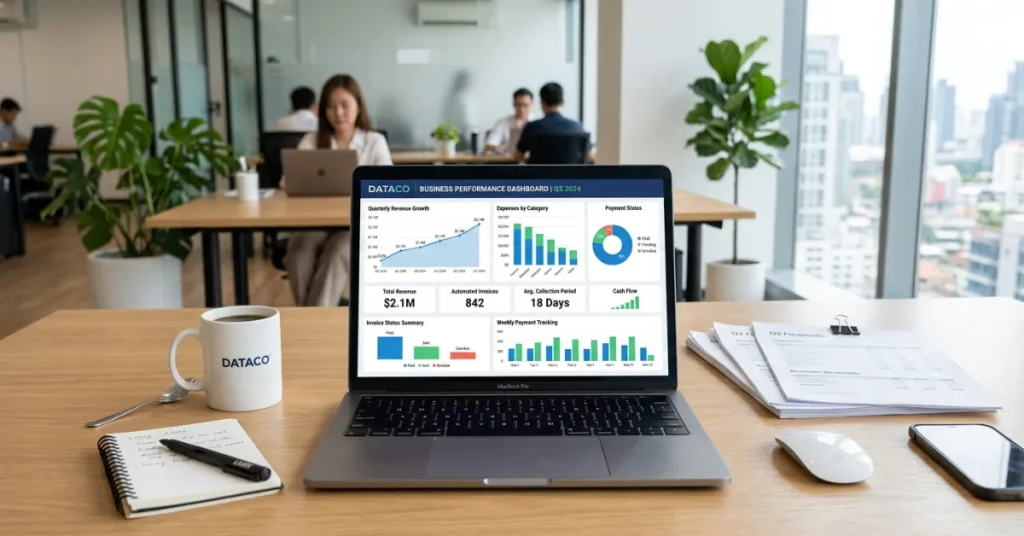
Even well-prepared businesses encounter friction. The most common challenges are integration complexity with legacy systems, staff resistance to changing established workflows, and confusion about which FTA requirements apply to their specific business model.
Practical solutions include working only with certified implementation partners, running phased rollouts rather than overnight transitions, investing in structured staff training from day one, and scheduling quarterly compliance reviews to stay current with FTA updates.
UAE E-Invoicing Example: A Dubai SME’s Transition
Consider a mid-sized trading company in Dubai that was generating 400+ invoices per month manually using Excel templates and emailing PDFs. VAT returns took three days each quarter, with frequent discrepancies requiring manual correction.
After implementing an FTA-aligned e-invoicing solution integrated with their accounting software, invoice processing time dropped by 60%. VAT data was automatically compiled for each reporting period, reducing filing time from three days to under four hours. Errors fell to near zero. The business recovered implementation costs within six months through reduced administrative labour alone.
Cost of Implementing E-Invoicing in UAE
Implementation costs vary significantly by business size:
- Small businesses: AED 200–800/month for cloud-based software subscriptions, minimal setup cost
- Medium businesses: AED 800–3,000/month, including ERP integration and customisation
- Enterprise: AED 5,000–20,000+ for full ERP integration, custom development, and ongoing support
Most businesses recoup these costs within 6–12 months through efficiency gains and reduced error-related penalties.
How to Stay Compliant with UAE E-Invoicing Regulations
Compliance is not a one-time event it is an ongoing commitment:
- Schedule regular internal audits of invoice data quality and system performance
- Keep software updated to reflect any FTA regulatory changes
- Train new staff during onboarding and refresh existing team knowledge annually
- Maintain secure data backups aligned with the FTA’s retention requirements
- Monitor FTA announcements and subscribe to official regulatory update channels
Why Work with Experts for E-Invoicing Setup in UAE
E-invoicing implementation involves technical configuration, legal compliance, and process change management simultaneously. Working with a certified UAE tax and accounting technology specialist ensures you avoid costly mistakes, meet deadlines without last-minute scrambling, and have a fully integrated system that works from day one rather than a patchwork solution that creates more problems than it solves. The cost of expert guidance is almost always lower than the cost of non-compliance or a failed implementation.
How We Support E-Invoicing Setup in UAE with Ripple Business Setup
We simplify the full process of implementing E-Invoicing in UAE with a practical, compliant, and business-focused approach. Our team reviews your current accounting system, identifies gaps, and helps you select FTA-ready e-invoicing software that fits your operations. We guide you through system configuration, VAT-compliant invoice structuring, and ERP integration to ensure smooth data flow. We also assist with testing, staff training, and ongoing compliance checks so your business stays aligned with UAE regulations in 2026.
For professional support, contact Ripple Business Setup at +971 50 593 8101, email info@ripplellc.ae, or WhatsApp +971 4 250 0833 to get started with a reliable e-invoicing solution tailored to your business needs.
FAQs
What is E-Invoicing in UAE?
E-Invoicing in UAE is a digital system where invoices are generated, transmitted, and stored electronically in a structured format that complies with tax regulations.
Is E-Invoicing mandatory in UAE in 2026?
The UAE is expected to implement phased e-invoicing requirements. Businesses should prepare early to ensure compliance with upcoming regulations.
What software is required for E-Invoicing in UAE?
Businesses must use FTA-compliant accounting or invoicing software that supports structured electronic invoice formats and integration capabilities.
Can small businesses implement e-invoicing easily?
Yes, many cloud-based solutions are designed for SMEs and offer simple setup, automation, and compliance features at affordable costs.
What are the penalties for non-compliance?
Failure to comply with UAE invoicing regulations may lead to fines, audit risks, and operational disruptions.
Conclusion
E-invoicing in the UAE is not a distant regulatory concept it is an active transition that is already reshaping how businesses manage VAT compliance and financial operations. The businesses that act now will implement at their own pace, with time to test, train, and refine. Those who wait will implement under pressure, with far greater risk of errors and penalties.
Start with an honest assessment of your current invoicing process, choose the right software, and consider bringing in a specialist who knows the UAE regulatory landscape. The investment is modest. The risk of not investing is not.
Disclaimer: This content is for general informational purposes only and does not constitute legal or tax advice. Always consult with qualified professionals or the UAE authorities for the latest regulatory requirements.