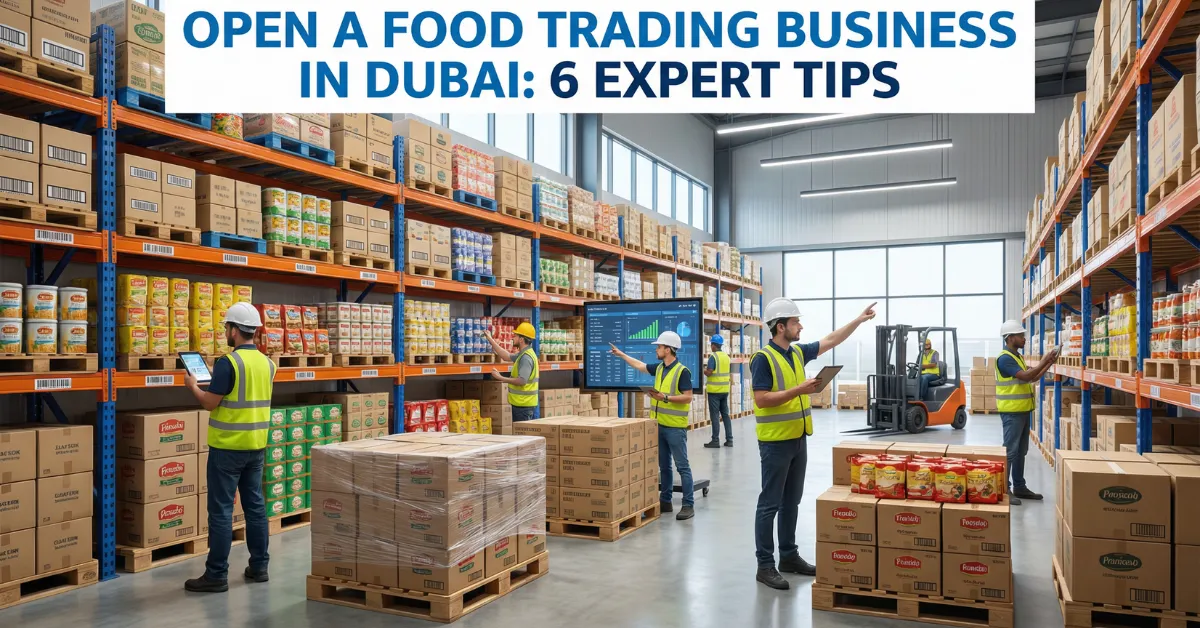
Starting a Food Trading Business in Dubai has become one of the most attractive opportunities for entrepreneurs who want to enter the UAE market. Dubai is a global trade hub that imports a large portion of its food products. Supermarkets, restaurants, hotels, and online grocery platforms depend heavily on imported food supplies.
The city also offers strong logistics infrastructure, modern ports, and efficient distribution networks. These advantages make it easier for traders to import food products from different countries and distribute them across the UAE. As a result, many investors are choosing to start a food business in the UAE to serve the growing demand.
Why Dubai Is a Profitable Market for a Food Trading Business
Dubai has become one of the most important food distribution hubs in the Middle East. The UAE imports more than 80 percent of its food products, which creates strong opportunities for companies involved in the food import business UAE sector.
The city’s population continues to grow, and millions of tourists visit Dubai every year. Hotels, restaurants, catering companies, and supermarkets constantly need reliable suppliers. This demand creates steady growth for businesses involved in food distribution business Dubai operations.
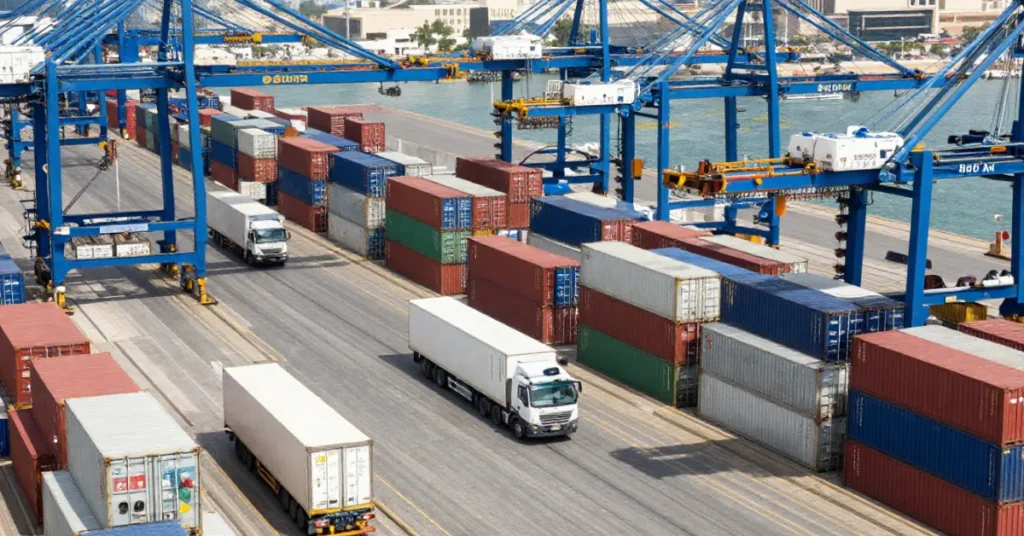
Dubai also benefits from world-class logistics infrastructure. The Jebel Ali Port is one of the largest ports in the region and handles large volumes of imported food products. Combined with modern transport networks and wholesale food markets, traders can easily distribute goods across the UAE and neighboring GCC countries.
These advantages make Dubai an ideal location for launching a Food Trading Business in Dubai.
Types of Food Trading Businesses You Can Start in Dubai
Entrepreneurs can choose from several food trading models depending on their investment level and business strategy.
Food Import and Distribution
This model focuses on importing packaged or processed foods from international suppliers. Products are then supplied to supermarkets, grocery stores, and restaurants.
Wholesale Food Trading
Wholesale traders supply food products in bulk to hotels, catering services, and retail chains. This model is common in the food wholesale business UAE sector.
Online Food Trading
Many companies now sell imported food products through online grocery platforms and e-commerce stores. This model has grown rapidly with the rise of digital shopping in the UAE.
Specialty Food Trading
Some businesses focus on niche markets such as organic foods, halal products, vegan foods, or international gourmet products.
Each of these models can operate under a food trading company in Dubai with the correct license and regulatory approvals.
6 Expert Tips to Start a Successful Food Trading Business in Dubai
Starting a food trading company requires planning, compliance, and strong supplier networks. The following expert tips can help entrepreneurs launch a stable and profitable business.
Tip 1: Choose the Right Business Jurisdiction
One of the first decisions is selecting where to register the company. Investors usually choose between mainland and free zone company structures.
A mainland company allows businesses to trade freely across the UAE market. This option is suitable for companies that want to supply supermarkets, restaurants, and retail stores. Free zone companies are often preferred by businesses focused mainly on imports and international trade. However, they may require local distributors to sell directly in the UAE market.
Selecting the correct jurisdiction is important when applying for a Food Trading License Dubai.
Tip 2: Obtain a Food Trading License
To operate legally, businesses must obtain a foodstuff trading license Dubai. The license is issued by the Dubai Department of Economy and Tourism for mainland companies.
This license allows businesses to perform activities such as:
- Import food products
- Distribute food to retailers
- Supply restaurants and hotels
- Trade packaged and processed foods
Without this license, companies cannot legally conduct food trading activities in Dubai.
Tip 3: Get Food Safety Approval
Food safety compliance is essential for any food trading company. Businesses must register products and obtain approvals from Dubai Municipality. The authority regulates food safety standards in Dubai and ensures imported products meet UAE health regulations.
Businesses usually need the following approvals:
- Food product registration
- Label compliance approval
- Import permits
- Shelf life verification
Obtaining Dubai municipality food safety approval ensures that imported products are safe and legally allowed for sale.
Tip 4: Build Strong Supplier Relationships
Reliable suppliers are critical for the success of a Food Trading Business. Entrepreneurs should work with international manufacturers that maintain high-quality standards and proper certifications. Many traders import products from Europe, Asia, and GCC countries. Before signing agreements, businesses should verify supplier credentials, quality control procedures, and delivery timelines.
It is also important to ensure that products comply with UAE regulations, including halal certification where required. Strong supplier relationships help companies maintain consistent product quality and stable supply chains.
Tip 5: Invest in Proper Storage and Logistics
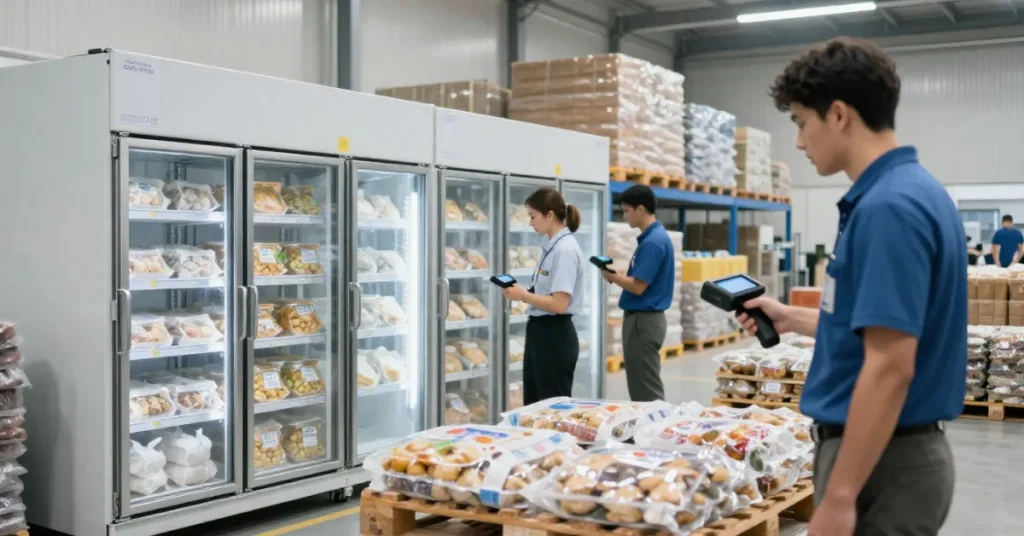
Food products require proper storage conditions to maintain quality and safety. Businesses should invest in reliable logistics infrastructure to manage inventory and transportation.
Important facilities include:
- Temperature-controlled warehouses
- Food-grade storage units
- Delivery trucks for distribution
- Inventory management systems
Efficient logistics improve the food distribution business Dubai supply chain and help prevent product spoilage or delays.
Tip 6: Understand UAE Food Import Regulations
Importing food products requires compliance with several regulations. Businesses must follow strict documentation and labeling rules before goods can enter the UAE.
Important regulations include:
- Product labels must be in Arabic and English
- Shelf life requirements must meet UAE standards
- Halal certification is required for certain products
- Import documents must be submitted to customs
Understanding UAE food import rules helps businesses avoid shipment delays and regulatory penalties.
Step-by-Step Process to Start a Food Trading Business in Dubai
Entrepreneurs can follow these steps to launch their business.
- Select the appropriate food trading activity
- Choose between mainland or free zone company structure
- Reserve and register a trade name
- Apply for the food trading license
- Obtain food safety approvals from Dubai Municipality
- Secure warehouse or office space
- Begin importing and distributing food products
Following these steps helps investors efficiently start a food trading business Dubai while complying with UAE regulations.
Cost of Starting a Food Trading Business in Dubai
The total cost of setting up a Food Trading Business in Dubai depends on the company structure, office space, and regulatory approvals.
Typical cost factors include:
- Trade license fees
- Office or warehouse rental
- Food product registration fees
- Import permits and documentation
- Employee visa costs
- Logistics and storage infrastructure
Most basic setups for a food trading license in Dubai cost between AED 12,000 and AED 25,000. However, the final cost may increase depending on business scale, number of products, and warehouse requirements.
Common Challenges in the Food Trading Industry
Although food trading offers strong opportunities, businesses may face operational challenges.
Common issues include:
- Delays in import approvals
- Shelf life restrictions on certain products
- Finding reliable international suppliers
- Price competition in wholesale markets
Successful businesses manage these risks through proper planning, strong supplier networks, and strict compliance with UAE food regulations.
Future Growth Opportunities in the UAE Food Market
The UAE food industry continues to expand as consumer demand evolves. Several emerging trends are creating new opportunities for food trading companies. Growing sectors include organic and healthy food products, plant-based alternatives, and premium international food brands. Online grocery platforms and delivery services are also increasing demand for imported food items.
Businesses that adapt to these trends can expand their distribution networks and even export products to nearby GCC markets. This growth potential makes the food import business in the UAE sector highly attractive for long-term investment.
How Our Experts Support Your Food Trading Business Setup in Dubai
Starting a Food Trading Business in Dubai requires several approvals, including licensing, food safety registration, and compliance with UAE import regulations. Our team at Ripple Business Setup guides entrepreneurs through each step of the process. We help select the right company structure, obtain the food trading license in Dubai, and complete the required approvals from the relevant authorities. Our consultants also assist with trade name registration, documentation, and business compliance so investors can start operations smoothly. For professional support with setting up a food trading company, contact Ripple Business Setup at +971 50 593 8101, email info@ripplellc.ae, or WhatsApp +971 4 250 0833 to discuss business setup options in Dubai.
Frequently Asked Questions
What is a food trading license in Dubai?
A food trading license allows companies to import, distribute, and sell food products legally in Dubai. Businesses must obtain the license before starting food trading operations.
How much does it cost to start a food trading business in Dubai?
The setup cost usually ranges from AED 12,000 to AED 25,000, depending on the license type, office requirements, and government approvals.
Do I need Dubai Municipality approval for food trading?
Yes, All food products must be registered with Dubai Municipality to ensure they meet food safety and labeling regulations.
Can foreigners start a food trading company in Dubai?
Yes. Foreign investors can fully own food trading businesses in many mainland sectors and most UAE free zones.
Is food trading profitable in Dubai?
Yes. The UAE imports a large portion of its food supply, which creates strong demand for distributors, wholesalers, and import companies operating in the food trading industry.
Conclusion
Dubai offers a strong environment for entrepreneurs interested in launching a Food Trading Business. The city’s high food import demand, advanced logistics infrastructure, and expanding hospitality sector create consistent opportunities for traders. By obtaining the correct licenses, meeting food safety regulations, and building reliable supplier networks, investors can successfully establish a food trading company in the UAE.
Disclaimer: The information in this article is provided for general informational purposes only. Business regulations, licensing requirements, and costs in Dubai may change over time. Investors should verify details with the relevant authorities or consult professional business setup advisors before making any business decisions.