


Thinking about starting a business in Dubai for 2026? It’s a smart move. Dubai keeps getting better for business owners, with new chances popping up all the time. This guide will walk you through the basic steps to get your company going. We’ll cover what you need to know to make sure everything goes smoothly. Let’s get your Dubai business venture started.
Why Start a Business in Dubai?
So, you’re thinking about business setup Dubai? Honestly, plenty of folks feel the same way, and there are some big reasons why. Dubai is not just about shiny skyscrapers and luxury shopping, it’s a powerhouse for entrepreneurs who want to register company Dubai or try something totally new. The city keeps making things easier for business owners, and it’s very open to international ideas. You can choose from mainland, free zone, and offshore structures, so there’s always a path that works for you.
Key reasons people are starting new businesses in Dubai:
- 100% Foreign Ownership: In most areas, foreign owners now get full control, with no need for a local sponsor.
- Low Taxes: Dubai is famous for its relaxed tax rules, with no personal or corporate income tax for most business types.
- Modern Infrastructure: The city’s transport, technology, and financial systems make setting up a company in Dubai (or anywhere in the UAE, honestly) much smoother.
- Straightforward Licensing: Getting your Dubai business license and completing business registration in Dubai steps are quicker than you might expect, especially compared to a lot of other countries.
- Supportive Government: Dubai’s push to welcome new business means helpful policies, clear rules, and a lot of guidance along the way.
Here’s a quick look at some of the specific perks:
| Benefit | Dubai Mainland | Free Zone | Offshore |
|---|---|---|---|
| 100% Foreign Ownership | Yes (most sectors) | Yes | Yes |
| Tax on Company Profits | Varies | Usually 0% | 0% |
| Trade Locally in UAE | Yes | With local agent only | No |
| Cost to Register Business | Moderate | Lower | Low |
| Visa Sponsorship | Yes | Yes | No |
Want more than just business? Dubai is pushing hard to double its economy over the next decade, and that energy makes it a hub for anyone wanting to register business Dubai mainland or go for a Dubai free zone company. With every new initiative, there are more opportunities for foreigners aiming to incorporate in Dubai.
Dubai is designed for business. Whether you’re looking at requirements for opening business in Dubai for the first time or adding another branch through Dubai company formation, the city’s ecosystem is ready to support each step you take.
When you’re ready for Dubai business setup, the streamlined process means you won’t be waiting long. Opening a company in Dubai, setting up a company in UAE, or going for company formation UAE—it’s honestly more straightforward than you’d think. If you’re eyeing global markets, there’s a lot to gain by tapping into the city’s business ecosystem right now.
Step 1: Choose Your Business Activity and Company Structure

Alright, so you’re thinking about starting a business in Dubai. That’s pretty cool. The very first thing you absolutely have to nail down is what exactly your business is going to do. This isn’t just a formality; it seriously impacts everything from the type of license you’ll need to how much it’s all going to cost. Dubai has a massive list of approved business activities, covering pretty much anything you can imagine, from selling goods and offering consulting services to running an online store or even manufacturing things.
Mainland vs. Free Zone vs. Offshore: What’s the Difference?
This is a big one, and it’s where a lot of people get a bit turned around. Basically, you’ve got three main areas to consider for where your business will be based:
- Mainland: Setting up on the mainland means you can trade directly with customers anywhere in the UAE. This is usually the way to go if you’re planning to work with local government contracts or really want to tap into the local market. You’ll be dealing with the Dubai Department of Economic Development (DED).
- Free Zone: Dubai has a bunch of these special economic zones, and they’re super popular with folks from outside the UAE. They often come with simplified setup processes, tax breaks, and a ready-made community of similar businesses. Each free zone has its own rules and focuses, so you’ll need to pick one that fits your industry.
- Offshore: This option is more for holding assets or doing international business. You can’t actually operate your business within the UAE if you’re set up offshore. It’s more about international trade and tax planning.
Choosing the right spot really depends on your goals, how much you want to spend, and how you plan to run things day-to-day. It’s not a one-size-fits-all situation, for sure.
Picking the right business activity and jurisdiction is like laying the foundation for your house. Get it wrong, and you’ll be dealing with problems down the line. It’s worth taking your time here to make sure you’re setting yourself up for success, not headaches.
Step 2: Register Your Business Name
Alright, so you’ve got your business idea and you’re ready to make it official in Dubai. The next big thing is picking a name for your company. It sounds simple, right? But there are definitely some rules you need to follow to make sure it gets approved. Think of it like naming a pet, you want something catchy, but also something that fits.
Business Name Guidelines and Restrictions
Dubai has specific guidelines for business names to keep things professional and respectful. You can’t just call your company anything you want. For starters, the name needs to actually say something about what your business does. If you’re selling electronics, a name like “Dubai Gadget Hub” makes sense. “Awesome Unicorn Dreams Inc.” probably won’t fly.
Here are some key things to keep in mind:
- Reflect Your Business Activity: The name should give a clear idea of your business operations. Avoid generic names that don’t hint at your industry.
- Avoid Offensive or Religious Terms: Names that are considered offensive, blasphemous, or politically sensitive are a no-go. This also applies to names that might disrespect any religion.
- No Existing Names: You can’t use a name that’s already registered by another company in the UAE. It’s a good idea to do a quick search to make sure your chosen name is unique.
- Follow UAE Naming Conventions: Certain abbreviations or acronyms might not be allowed, and names that are already used by government bodies or well-known international organizations are usually restricted.
- No Misleading Names: Don’t pick a name that suggests you have a higher status or different business type than you actually do. For example, calling yourself a “Group” when you’re a single entity might cause issues.
It’s also worth noting that if you plan to operate in a specific free zone, like the ones in Abu Dhabi’s International Financial Centre (ADGM), they might have their own specific naming conventions on top of the general UAE rules. Always check with the relevant authorities or a business setup consultant to be sure.
Picking the right business name is more than just a formality; it’s part of your brand identity. A well-chosen name can attract customers and reflect professionalism, while a poorly chosen one might cause delays or even rejection during the registration process. Take your time with this step.
Getting your business name approved is usually one of the first official steps. Once you have your name sorted and approved, you can move on to the next stages of getting your licenses and setting up your bank account. It’s a pretty straightforward process if you stick to the rules.
Step 3: Secure the Required Licenses and Permits
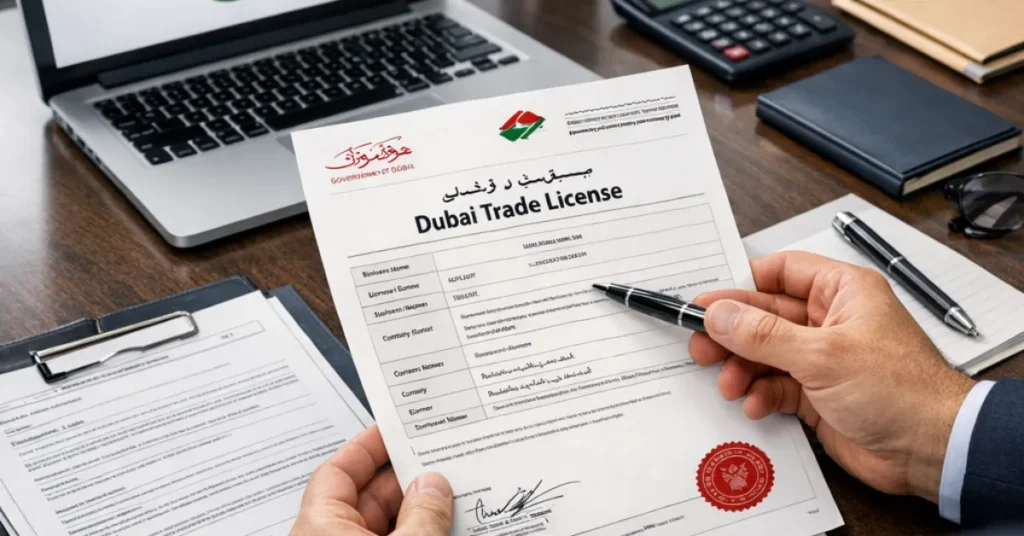
Alright, so you’ve picked out your business name and figured out the structure. Now comes the part that actually lets you operate legally: getting the right licenses and permits. Think of this as your official permission slip to do business in Dubai.
Types of Business Licenses in Dubai
This is where things can get a little detailed, because not all businesses are the same, and neither are the licenses. The type of license you need really depends on what you’ll be doing day-to-day. It’s not just a formality; it’s the key that unlocks your ability to trade, provide services, or manufacture goods.
Here’s a quick rundown of the main categories:
- Commercial License: This is your go-to if you’re involved in trading, buying, selling, or reselling goods. It’s probably the most common one you’ll see for standard business activities.
- Professional License: If your business relies more on your skills, knowledge, or expertise – like consulting, freelancing, or offering specialized services – this is likely the one you’ll need. It’s for tradespeople and self-employed individuals too.
- Industrial License: This one is for businesses that manufacture, assemble, or process raw materials. If you’re making something or putting things together in the UAE, you’ll need this.
- Tourism License: For businesses in the hospitality and tourism sector, like hotels or tour operators.
- E-commerce License: If you plan to conduct business primarily online, this license is becoming increasingly important.
Choosing the wrong license can lead to problems down the line, like fines or not being able to operate at all. It’s worth taking the time to get this right.
Essential Permits for Different Industries
Beyond the main business license, some industries have extra hoops to jump through. These are specific permits that show you meet the requirements for your particular field. For example, if you’re in healthcare, food services, or construction, you’ll likely need additional approvals from specific government bodies that regulate those sectors. These permits ensure that your operations are safe and comply with industry standards.
Getting the right licenses and permits isn’t just about following rules; it’s about building a solid foundation for your business. It shows customers and partners that you’re legitimate and serious about your operations. Skipping this step or getting it wrong can cause major headaches later on, so it’s definitely worth the effort to get it sorted properly from the start.
The process for getting these licenses and permits can vary. If you’re setting up in a Free Zone, you’ll deal directly with the Free Zone authority. For Mainland companies, the Dubai Department of Economic Development (DED) is usually the main point of contact. You’ll submit your application, business plan, and other required documents. The authorities will review everything to make sure it fits with local regulations. Once everything is approved and you’ve paid the fees, your license will be issued. It might seem like a lot, but getting these documents in order is what makes your business official.
Step 4: Open a Corporate Bank Account and Set Up Operations

Alright, so you’ve got your business name sorted and your licenses in hand. The next big thing is getting your finances in order and making sure your team is ready to go. This means opening a corporate bank account and figuring out the whole hiring and visa situation.
Opening a Corporate Bank Account
This is pretty important. You need a separate bank account for your business money. It just makes life so much easier for tracking income and expenses, and honestly, it looks more professional. Most banks in Dubai are used to dealing with new businesses, so they usually have accounts that work for small companies.
Getting an account opened isn’t usually a huge hassle, but you’ll need to bring some paperwork. Every bank has its own list, but they generally ask for the same stuff. Be ready to show them your company’s official documents and your ID.
Here’s a general idea of what you’ll likely need:
- A copy of your business license.
- Your company’s incorporation documents.
- Passport copies for everyone who owns a part of the company.
UAE banks do check things pretty carefully, so having your documents in order from the start is a good idea. Sometimes, getting a little help from a service that knows the banking system can make the process smoother.
Hiring Employees and Visa Requirements
Once your business is set up, you’ll probably need to hire people. This is where the visa process comes in. The type of visa you can get for your employees, and even for yourself if you need one, often depends on a few things:
- The size of your office space.
- The kind of license you have.
- What your business actually does.
There are different types of visas, like investor visas and employee visas. If you’re bringing family over, there are options for that too. It’s a good idea to look into the specifics based on your business setup to know what you’re eligible for. The whole process can sometimes be done without you being physically in Dubai, but for things like opening a bank account or getting your visa sorted, you might need to make a trip.
Tips for a Successful Business Launch in Dubai
Starting a business in Dubai is a big step, and honestly, it can feel a bit overwhelming at first. But with a little planning, you can make things go a lot smoother.
First off, really get to know the local market. It’s not just about having a good idea; it’s about seeing where that idea fits in Dubai. Are people looking for what you offer? What are competitors doing? Taking time to research this can save you a lot of headaches down the road.
Here are a few things to keep in mind:
- Understand the Rules: Dubai has specific laws for businesses. Make sure you know them, especially when it comes to licenses, permits, and any taxes that apply. It’s easy to mess this up if you’re not careful.
- Get Good Advice: Seriously, don’t try to do everything yourself. Find a good consultant or a business setup service. They know the ins and outs and can help you avoid common mistakes. It might cost a bit, but it’s usually worth it.
- Network: Dubai is all about connections. Go to industry events, meet people, and build relationships. You never know where your next customer or partner might come from.
- Be Patient: Things might not happen overnight. Setting up a business takes time, and getting it right is more important than getting it done fast. Stick with it.
Don’t underestimate the importance of having a solid business plan. It’s your roadmap. It helps you think through every aspect of your venture, from finances to marketing, and it’s often required when you’re looking for funding or setting up certain licenses. A well-thought-out plan shows you’re serious and prepared.
Finally, remember why you’re doing this. Dubai is a dynamic place with lots of opportunities. Keep that excitement going, stay focused on your goals, and you’ll be well on your way.
How Ripple Business Setup Supports Dubai Business Setup in 2026
Our team manages the full process of starting a business in Dubai by handling documentation, licensing procedures, and regulatory approvals from start to finish. We guide you through company structure selection, registration steps, and compliance requirements to ensure everything is completed accurately and efficiently. We also support proper planning aligned with the current 2026 regulations to help avoid delays and ensure a smooth launch. For assistance, contact us at +971 50 593 8101, email info@ripplellc.ae, or WhatsApp +971 4 250 0833.
FAQs
How long does the Dubai company registration process typically take?
The time it takes can vary, but if you have all your documents ready and use the streamlined application process, you can often get initial approval quite quickly. The whole Dubai company formation guide suggests that from submitting your application to getting your official license, the process can be completed in a relatively short timeframe. It’s not usually a months-long ordeal if everything is in order.
What are the main documents needed for setting up a company?
Generally, you’ll need passport copies for everyone involved (shareholders, managers). You’ll also fill out an application form and have a few business name options ready. Depending on the specific business activity and the structure you choose, you might need a business plan or other supporting documents. It’s always best to check the exact requirements for your situation, but these are the common starting points.
What are the biggest hurdles for new businesses in Dubai?
One common challenge is just understanding all the rules and picking the right business activities that fit the market. Competition can also be pretty high. However, Dubai has made a real effort to simplify things for new entrepreneurs. The government provides clear steps and support, which really helps people get through the initial difficulties and focus on growing their venture.
Dubai’s business environment is designed to be supportive, but staying informed about regulations and market trends is key to overcoming initial challenges and achieving long-term success.
Can I own 100% of my business in Dubai as a foreigner?
Yes, in many cases, you can. Recent changes in regulations mean that most onshore companies now allow 100% foreign ownership. This is a big deal and makes Dubai even more attractive for international entrepreneurs who don’t want or need a local partner holding a stake in their company.
Thinking about starting a business in Dubai in 2026? It’s a great idea! We can help you navigate the process smoothly. Visit our website today to learn more and get started on your entrepreneurial journey.
Disclaimer: This content is for general informational purposes only and does not constitute legal or business advice. Business setup rules and procedures may change. Always confirm details with official authorities or a qualified professional before making decisions.