Managing accounts payable and accounts receivable efficiently is essential for maintaining a healthy cash flow and ensuring long-term business stability. Every business, regardless of its size or industry, relies on timely payments to suppliers while collecting outstanding payments from customers without unnecessary delays. When these financial processes are poorly managed, businesses can experience cash shortages, strained supplier relationships, delayed operations, and reduced profitability.
An efficient accounts payable (AP) and accounts receivable (AR) process helps organizations optimize working capital, reduce financial risks, improve budgeting, and make informed business decisions. Modern accounting practices now rely on automation, cloud accounting software, real-time reporting, and standardized workflows to minimize manual errors and improve operational efficiency.
What Are Accounts Payable and Accounts Receivable?
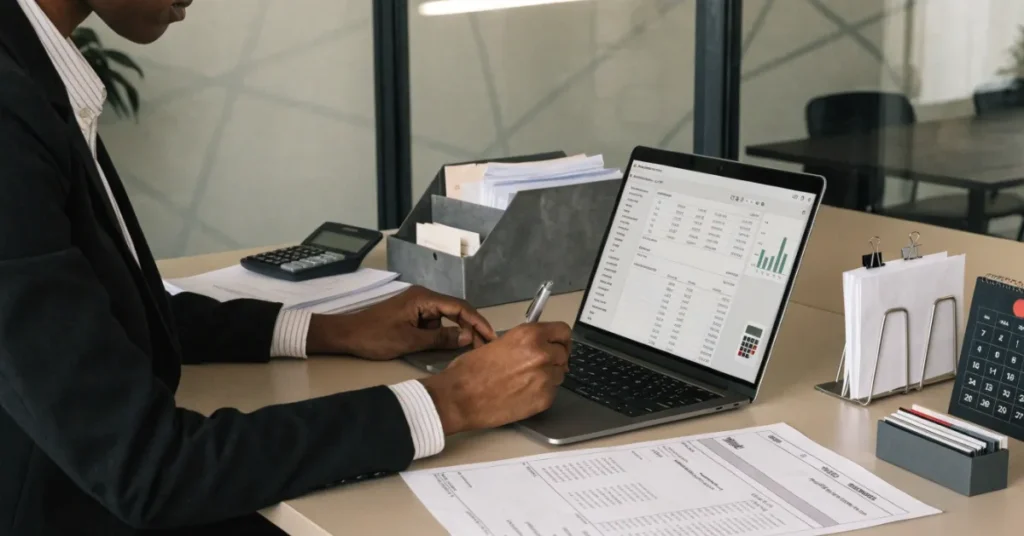
Although accounts payable and accounts receivable are closely connected, they serve different purposes in business accounting. Together, they form the foundation of effective cash flow management.
What Is Accounts Payable (AP)?
Accounts payable (AP) refers to the money a business owes to suppliers, vendors, or service providers for goods or services purchased on credit. It is recorded as a current liability on the balance sheet because the business is obligated to make payment within an agreed period. A well-managed accounts payable process ensures suppliers receive payments on time while allowing businesses to maintain sufficient cash reserves for daily operations.
For example, a retail company purchases inventory worth AED 50,000 from a supplier with a 30-day payment term. Until the invoice is paid, the amount remains under accounts payable.
An effective accounts payable system helps businesses:
- Pay suppliers on time
- Avoid late payment penalties
- Build strong supplier relationships
- Improve cash flow planning
- Reduce duplicate or fraudulent payments
- Maintain accurate financial records
Modern AP management often includes automated invoice processing, digital approval workflows, and electronic payment systems to improve accuracy and efficiency.
What Is Accounts Receivable (AR)?
Accounts receivable (AR) represents the money customers owe to a business after purchasing goods or services on credit. It is recorded as a current asset because the business expects to receive payment within the agreed credit period. Efficient accounts receivable management ensures invoices are issued promptly, payments are collected on time, and outstanding balances are monitored regularly.
For example, a consulting firm completes a project worth AED 20,000 and provides the client with a 30-day payment term. Until the payment is received, the invoice remains part of accounts receivable.
A strong AR process helps businesses:
- Improve cash inflows
- Reduce overdue invoices
- Minimize bad debts
- Strengthen financial stability
- Support better forecasting
- Increase liquidity
Many businesses now use automated payment reminders, online payment portals, and real-time tracking systems to accelerate collections and reduce manual follow-ups.
Accounts Payable vs Accounts Receivable
| Feature | Accounts Payable (AP) | Accounts Receivable (AR) |
|---|---|---|
| Definition | Money owed by the business | Money owed to the business |
| Balance Sheet | Current Liability | Current Asset |
| Cash Flow Impact | Cash Outflow | Cash Inflow |
| Primary Objective | Pay suppliers on time | Collect customer payments quickly |
| Related Parties | Vendors and suppliers | Customers and clients |
| Main Risk | Late payment fees and supplier disputes | Overdue invoices and bad debts |
| Business Benefit | Strong supplier relationships | Improved liquidity and working capital |
Understanding the distinction between AP and AR enables businesses to balance outgoing and incoming payments effectively. Efficient management of both functions supports healthy cash flow, better financial planning, and sustainable business growth.
Why Efficient AP and AR Management Is Essential for Every Business
Managing accounts payable and accounts receivable efficiently is more than an accounting function—it directly impacts a company’s financial health, operational stability, and growth potential. Businesses that maintain disciplined payment and collection processes are better positioned to manage working capital, respond to market changes, and invest in future opportunities.
Improves Cash Flow Management
Cash flow is the lifeblood of every business. Efficient AP and AR management ensures that outgoing payments are scheduled strategically while customer payments are collected promptly. This balance helps businesses maintain sufficient cash for salaries, inventory, rent, expansion, and day-to-day operations without relying heavily on external financing.
Strengthens Supplier Relationships
Paying suppliers on or before agreed deadlines demonstrates financial reliability. Strong supplier relationships often lead to favorable payment terms, priority service, volume discounts, and improved negotiation opportunities. Businesses that consistently meet payment obligations are viewed as trustworthy partners.
Accelerates Customer Payments
A structured accounts receivable process, including timely invoicing, clear payment terms, automated reminders, and multiple payment options, reduces payment delays. Faster collections improve liquidity and reduce the risk of overdue accounts affecting business operations.
Supports Better Financial Planning
Accurate AP and AR records provide management with real-time visibility into outstanding obligations and expected income. This information enables more reliable budgeting, forecasting, and strategic decision-making while helping businesses identify potential cash flow gaps before they become critical.
Reduces Financial Risks
Poor invoice management can lead to duplicate payments, missed invoices, fraud, and uncollectible debts. Implementing standardized workflows, approval controls, and regular reconciliations minimizes these risks and strengthens internal financial controls.
Increases Operational Efficiency
Automating repetitive accounting tasks such as invoice processing, payment scheduling, reconciliation, and reporting reduces manual workload and improves accuracy. Finance teams can spend more time on analysis and strategic planning instead of administrative tasks.
Enhances Business Growth
Healthy cash flow enables businesses to invest confidently in expansion, technology, hiring, marketing, and product development. Companies that efficiently manage both accounts payable and accounts receivable are better equipped to seize growth opportunities while maintaining financial stability.
Example
Consider a growing wholesale business that previously managed invoices manually. Supplier payments were often delayed, while customer invoices were sent inconsistently, resulting in cash flow shortages and frequent payment follow-ups. After implementing automated invoice processing, standardized approval workflows, and digital payment reminders, the business reduced invoice processing time, accelerated customer collections, improved supplier relationships, and achieved a more predictable cash flow. This allowed management to focus on expansion rather than resolving payment issues.
Efficient accounts payable and accounts receivable management is not simply about recording transactions; it is a strategic financial practice that supports profitability, strengthens business relationships, and creates a solid foundation for long-term success.
Complete Accounts Payable Process Step by Step
A structured accounts payable process helps businesses control expenses, maintain positive supplier relationships, and ensure every payment is accurate and authorized. Standardized workflows also reduce fraud risks, improve compliance, and increase overall financial efficiency.
1. Create a Purchase Order (PO)
The accounts payable process begins when a department requests goods or services. A purchase order is generated and approved before the order is placed.
A purchase order should include:
- Purchase order number
- Supplier information
- Product or service details
- Quantity
- Agreed pricing
- Payment terms
- Delivery date
Using purchase orders creates a clear audit trail and prevents unauthorized spending.
2. Receive Goods or Services
After the supplier delivers the goods or completes the service, the receiving department verifies that everything matches the purchase order.
The verification process includes:
- Quantity received
- Product quality
- Service completion
- Delivery date
- Any shortages or damages
Any discrepancies should be resolved before the invoice is approved.
3. Verify the Supplier Invoice
Once the invoice is received, the finance team compares it with the purchase order and delivery records. This is commonly known as the three-way matching process.
Verification includes:
- Invoice number
- Supplier details
- Purchase order reference
- Item descriptions
- Prices
- Taxes
- Payment terms
This step helps prevent duplicate, incorrect, or fraudulent payments.
4. Approve the Invoice
Invoices should pass through an approval workflow before payment is authorized.
An effective approval process ensures:
- Budget availability
- Correct pricing
- Authorized purchases
- Compliance with company policies
Digital approval workflows can significantly reduce approval delays and improve accountability.
5. Record the Invoice
After approval, the invoice is entered into the accounting system.
Accurate recording allows businesses to:
- Track outstanding liabilities
- Prepare financial statements
- Monitor cash flow
- Maintain tax compliance
Recording invoices promptly also reduces reporting errors.
6. Schedule Payments
Businesses should schedule payments according to the agreed payment terms.
Considerations include:
- Due dates
- Early payment discounts
- Available cash flow
- Supplier priorities
Strategic payment scheduling helps optimize working capital while maintaining strong supplier relationships.
7. Make the Payment
Payments should be processed using secure and traceable methods.
Common payment methods include:
- Bank transfers
- Online business banking
- Automated payment systems
- Corporate payment platforms
- Cheques (where still applicable)
Electronic payments improve accuracy and reduce manual processing time.
8. Reconcile Payments
Once payment is completed, businesses should reconcile payment records with bank statements and supplier accounts.
Reconciliation helps identify:
- Duplicate payments
- Missing transactions
- Banking errors
- Outstanding invoices
Regular reconciliation improves financial accuracy and strengthens internal controls.
9. Maintain Proper Records
All purchase orders, invoices, approvals, payment confirmations, and supporting documents should be stored securely.
Digital document management improves:
- Audit readiness
- Regulatory compliance
- Faster document retrieval
- Financial transparency
Proper record retention also supports future financial reviews and tax reporting.
Complete Accounts Receivable Process Step by Step
An efficient accounts receivable process ensures businesses receive customer payments on time while maintaining healthy cash flow. Clear credit policies, timely invoicing, and consistent follow-up are essential for reducing overdue accounts.
1. Evaluate Customer Creditworthiness
Before offering credit, businesses should assess the customer’s financial reliability.
Credit evaluation may include:
- Credit history
- Payment behavior
- Financial stability
- Trade references
- Credit limits
Approving credit responsibly reduces the risk of bad debts.
2. Issue Accurate Invoices Promptly
Invoices should be generated immediately after goods are delivered or services are completed.
Each invoice should clearly include:
- Invoice number
- Customer details
- Products or services provided
- Total amount due
- Applicable taxes
- Payment terms
- Due date
- Accepted payment methods
Accurate invoices reduce disputes and speed up collections.
3. Define Clear Payment Terms
Payment expectations should be communicated before the sale is completed.
Common payment terms include:
- Due on receipt
- Net 15
- Net 30
- Net 45
- Net 60
Clearly stated payment terms minimize misunderstandings and encourage timely payments.
4. Track Outstanding Invoices
Businesses should continuously monitor unpaid invoices.
Invoice tracking helps identify:
- Upcoming due dates
- Overdue accounts
- Collection priorities
- Customer payment trends
Many cloud accounting systems provide real-time dashboards for monitoring receivables.
5. Send Payment Reminders
Automated payment reminders encourage customers to pay before invoices become overdue.
Best practice is to send reminders:
- Before the due date
- On the due date
- Shortly after the due date
- At regular intervals for overdue balances
Professional communication often improves collection rates while maintaining positive customer relationships.
6. Collect Payments
Businesses should offer convenient payment options to encourage faster payments.
Examples include:
- Bank transfer
- Credit or debit card
- Online payment gateway
- Mobile payment solutions
Multiple payment options reduce payment delays and improve customer experience.
7. Reconcile Customer Payments
Every payment received should be matched against the corresponding invoice.
Payment reconciliation confirms:
- Correct payment amounts
- Outstanding balances
- Partial payments
- Customer account accuracy
Regular reconciliation supports accurate financial reporting.
8. Follow Up on Overdue Accounts
If payment remains outstanding, businesses should follow a structured collection process.
Effective collection practices include:
- Friendly reminder emails
- Follow-up phone calls
- Updated account statements
- Payment plans where appropriate
- Escalation procedures for long-overdue accounts
Consistent follow-up improves recovery rates while preserving customer relationships.
9. Close the Invoice
Once payment is received and reconciled, the invoice should be marked as paid in the accounting system. Closing invoices promptly keeps customer records accurate and ensures reliable financial reporting.
Top Challenges in Managing Accounts Payable and Receivable
Even businesses with experienced finance teams can encounter challenges in managing accounts payable and accounts receivable. Identifying these issues early allows organizations to strengthen financial controls and improve operational efficiency.
Accounts Payable Challenges
Manual Data Entry Errors
Entering invoices manually increases the risk of duplicate records, incorrect payment amounts, and data inaccuracies.
Delayed Invoice Approvals
Slow approval processes can result in late payments, supplier dissatisfaction, and unnecessary penalties.
Duplicate or Fraudulent Invoices
Without proper verification procedures, businesses may accidentally process duplicate invoices or become victims of invoice fraud.
Poor Cash Flow Planning
Making payments without considering cash flow can reduce available working capital and create liquidity issues.
Weak Document Management
Missing purchase orders, invoices, or payment records can delay audits and complicate financial reporting.
Accounts Receivable Challenges
Late Customer Payments
Delayed customer payments remain one of the biggest causes of cash flow problems for businesses.
High Outstanding Receivables
A growing volume of unpaid invoices limits available cash for daily operations and future investments.
Weak Credit Policies
Providing credit without proper customer assessment increases the likelihood of bad debts.
Invoice Disputes
Incorrect invoice details or unclear billing information often delay payment collection.
Inefficient Collection Processes
Irregular follow-ups and inconsistent communication reduce collection effectiveness and increase overdue balances.
Best Practices to Improve Accounts Payable Efficiency
Improving accounts payable management requires standardized processes, strong internal controls, and the right technology.
Key best practices include:
- Automate invoice capture and processing.
- Implement digital approval workflows.
- Use three-way invoice matching.
- Schedule payments based on due dates and available cash flow.
- Take advantage of early payment discounts when financially beneficial.
- Maintain accurate supplier records.
- Reconcile supplier statements regularly.
- Review outstanding liabilities each month.
- Strengthen segregation of duties to reduce fraud risks.
- Monitor AP performance using measurable KPIs.
These practices reduce processing time, improve payment accuracy, and strengthen supplier relationships.
Best Practices to Improve Accounts Receivable Efficiency
Effective accounts receivable management focuses on accelerating collections while maintaining positive customer relationships.
Recommended practices include:
- Send invoices immediately after delivering goods or services.
- Establish clear credit approval policies.
- Define payment terms before completing sales.
- Offer secure digital payment options.
- Send automated payment reminders.
- Review receivable aging reports regularly.
- Monitor overdue accounts daily.
- Communicate consistently with customers regarding outstanding balances.
- Offer early payment incentives where appropriate.
- Track key AR performance indicators to identify improvement opportunities.
Businesses that consistently apply these best practices typically experience faster collections, improved cash flow, lower bad debt levels, and greater overall financial stability.
How Automation Improves Accounts Payable and Accounts Receivable

Automation has become a key component of modern financial management. Businesses that automate accounts payable and accounts receivable processes can reduce manual work, improve accuracy, strengthen internal controls, and gain real-time visibility into cash flow. Cloud-based accounting platforms and AI-powered tools help finance teams process invoices faster while minimizing errors and delays.
Benefits of Accounts Payable Automation
Automating the accounts payable process helps businesses streamline invoice handling and supplier payments.
Key benefits include:
- Faster invoice processing
- Automated invoice capture using Optical Character Recognition (OCR)
- Digital invoice approval workflows
- Reduced manual data entry
- Three-way matching automation
- Fewer duplicate or fraudulent payments
- Scheduled electronic payments
- Better compliance with internal policies
- Real-time accounts payable reporting
- Improved supplier relationships
Benefits of Accounts Receivable Automation
Automation also improves the speed and consistency of payment collections.
Advantages include:
- Automatic invoice generation
- Digital invoice delivery
- Automated payment reminders
- Online payment portals
- Real-time customer payment tracking
- Faster payment reconciliation
- Reduced overdue invoices
- Improved collection rates
- Better customer communication
- Accurate cash flow forecasting
Accounting Software That Supports AP and AR
Many businesses use cloud accounting software to manage their financial operations efficiently. Popular solutions include:
- QuickBooks Online
- Xero
- Zoho Books
- Sage Accounting
- Microsoft Dynamics 365 Business Central
- Oracle NetSuite
The right software should offer invoice management, payment tracking, reporting, bank reconciliation, automation features, and secure cloud access that align with your business requirements.
Key Performance Indicators (KPIs) to Measure AP and AR Efficiency
Monitoring performance indicators helps businesses identify process improvements and maintain healthy cash flow.
| KPI | Purpose |
|---|---|
| Days Payable Outstanding (DPO) | Measures the average time taken to pay suppliers. |
| Invoice Processing Time | Tracks how quickly invoices move from receipt to payment. |
| Cost Per Invoice | Measures the cost of processing each supplier invoice. |
| On-Time Payment Rate | Indicates the percentage of supplier payments made by the due date. |
| Days Sales Outstanding (DSO) | Measures the average number of days required to collect customer payments. |
| Collection Effectiveness Index (CEI) | Evaluates how effectively receivables are collected. |
| Average Collection Period | Shows how long customer invoices remain unpaid. |
| Bad Debt Ratio | Measures the percentage of receivables that become uncollectible. |
| Accounts Receivable Aging | Categorizes outstanding invoices based on the number of days overdue. |
Regularly reviewing these KPIs helps finance teams improve efficiency, optimize working capital, and make informed financial decisions.
Common Mistakes Businesses Should Avoid
Even well-established businesses can face cash flow challenges due to avoidable accounting mistakes. Eliminating these issues improves both operational efficiency and financial stability.
Avoid these common mistakes:
- Delaying invoice approvals
- Entering invoice data manually without verification
- Ignoring overdue customer invoices
- Paying duplicate supplier invoices
- Failing to reconcile bank and supplier statements regularly
- Offering credit without evaluating customer risk
- Using unclear payment terms
- Not reviewing accounts receivable aging reports
- Missing supplier payment deadlines
- Maintaining incomplete financial records
- Relying solely on manual accounting processes
- Weak internal controls that increase fraud risk
Developing standardized procedures and conducting regular financial reviews help reduce these risks.
Practical Example of Efficient AP and AR Management
A medium-sized wholesale business experienced recurring cash flow shortages despite maintaining strong monthly sales. Supplier invoices were often approved late, while customer invoices were issued manually several days after delivery. As a result, payments to suppliers were delayed, and customer collections took longer than expected.
The company improved its financial operations by implementing the following measures:
- Introduced cloud accounting software
- Automated invoice generation
- Implemented digital approval workflows
- Used three-way invoice matching for supplier invoices
- Sent automated payment reminders to customers
- Performed weekly payment reconciliations
- Monitored DPO and DSO through monthly reports
Within a few months, the business achieved measurable improvements, including faster invoice processing, shorter collection cycles, fewer payment errors, stronger supplier relationships, and healthier cash flow. The finance team also spent less time on manual administrative tasks and more time on financial planning and analysis.
Accounts Payable and Accounts Receivable Checklist
Daily Tasks
- Review incoming supplier invoices
- Monitor customer payments received
- Update accounting records
- Resolve invoice discrepancies
- Track urgent payment approvals
Weekly Tasks
- Send payment reminders
- Review overdue customer accounts
- Schedule supplier payments
- Reconcile bank transactions
- Verify outstanding invoices
Monthly Tasks
- Reconcile accounts payable and receivable balances
- Generate aging reports
- Review cash flow performance
- Monitor KPIs
- Prepare management reports
Quarterly Tasks
- Review supplier contracts
- Assess customer credit limits
- Evaluate payment policies
- Conduct internal control reviews
- Identify process improvements
Annual Tasks
- Complete year-end reconciliations
- Support external audits
- Update accounting policies
- Review accounting software performance
- Develop financial improvement plans
Why Choose Ripple Business Setup for Accounting and Financial Management Services
Managing accounts payable and accounts receivable efficiently is only one part of building a financially healthy business. Having the right business support partner can simplify your financial operations and help you stay focused on growth. Ripple Business Setup offers comprehensive accounting and business support services tailored to startups, SMEs, and established companies across the UAE. From bookkeeping and financial reporting to VAT compliance, Corporate Tax services, payroll management, and business advisory, Ripple Business Setup provides practical solutions that help businesses maintain accurate financial records and improve cash flow management. The team also assists entrepreneurs with company formation, trade license services, corporate bank account opening, visa processing, and ongoing compliance requirements, making it easier to manage both business operations and financial responsibilities under one trusted provider.
Whether you are launching a new company or looking to improve your existing accounting processes, Ripple Business Setup delivers reliable, transparent, and professional support to help your business operate efficiently and remain compliant with UAE regulations.
Contact Ripple Business Setup
Phone: +971 50 593 8101
WhatsApp: +971 4 250 0833
Email: info@ripplellc.ae
FAQ
What is the difference between accounts payable and accounts receivable?
Accounts payable represents money a business owes to suppliers for purchases made on credit, while accounts receivable represents money customers owe the business for goods or services sold on credit. Accounts payable is recorded as a liability, whereas accounts receivable is recorded as an asset.
Why are accounts payable and accounts receivable important?
They help businesses maintain healthy cash flow, manage working capital, strengthen supplier and customer relationships, and produce accurate financial reports for better decision-making.
How can businesses improve payment collections?
Businesses can improve collections by issuing invoices promptly, setting clear payment terms, sending automated reminders, offering convenient payment methods, monitoring overdue accounts, and following up consistently with customers.
Which accounting software is suitable for managing AP and AR?
Popular cloud accounting solutions include QuickBooks Online, Xero, Zoho Books, Sage Accounting, Microsoft Dynamics 365 Business Central, and Oracle NetSuite. The ideal choice depends on the business size, budget, and operational requirements.
What KPIs should businesses monitor?
Important metrics include Days Payable Outstanding (DPO), Days Sales Outstanding (DSO), Invoice Processing Time, Collection Effectiveness Index (CEI), Average Collection Period, Bad Debt Ratio, and Accounts Receivable Aging.
How does automation improve accounts payable efficiency?
Automation reduces manual data entry, accelerates invoice approvals, improves payment accuracy, strengthens internal controls, minimizes fraud risk, and provides real-time financial reporting.
What causes overdue invoices?
Common causes include unclear payment terms, delayed invoicing, customer financial difficulties, invoice disputes, inefficient collection processes, and poor follow-up procedures.
How often should businesses reconcile accounts payable and accounts receivable?
Businesses should perform reconciliations regularly. Bank reconciliations are often completed weekly or monthly, while accounts payable and accounts receivable should be reviewed continuously and reconciled at least monthly to maintain accurate financial records.
Disclaimer: This article is intended for general informational purposes only and should not be considered accounting, tax, legal, or financial advice. Accounting standards, tax regulations, and business requirements may vary depending on your jurisdiction and specific circumstances. Consult a qualified accounting or financial professional before making business or financial decisions.