Dubai continues to attract ambitious entrepreneurs from around the world and for good reason. Its thriving consumer market, world-class infrastructure, and business-friendly policies make it one of the most exciting places to open a retail business in 2026. But securing the right retail space in Dubai takes more than browsing listings.
Understanding Retail Space Options in Dubai
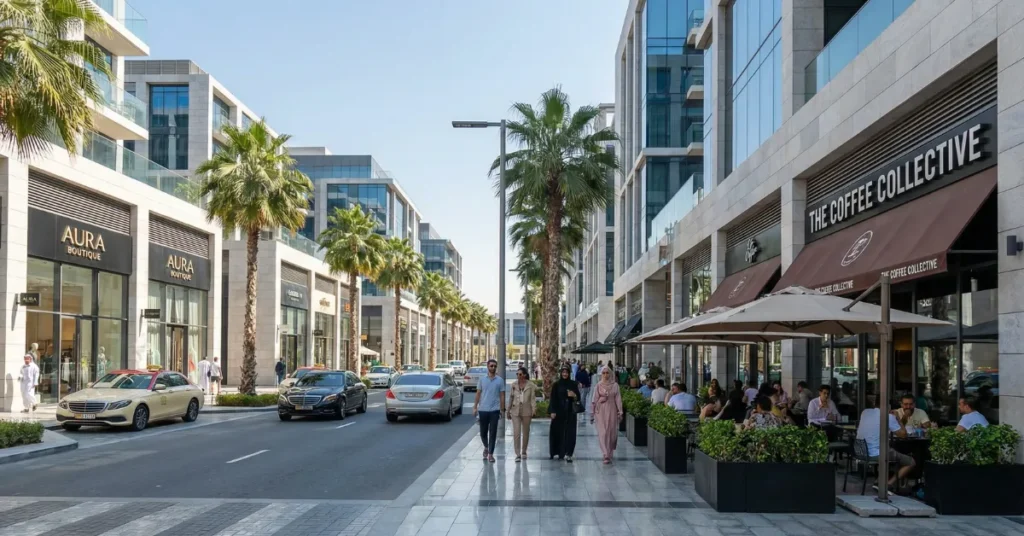
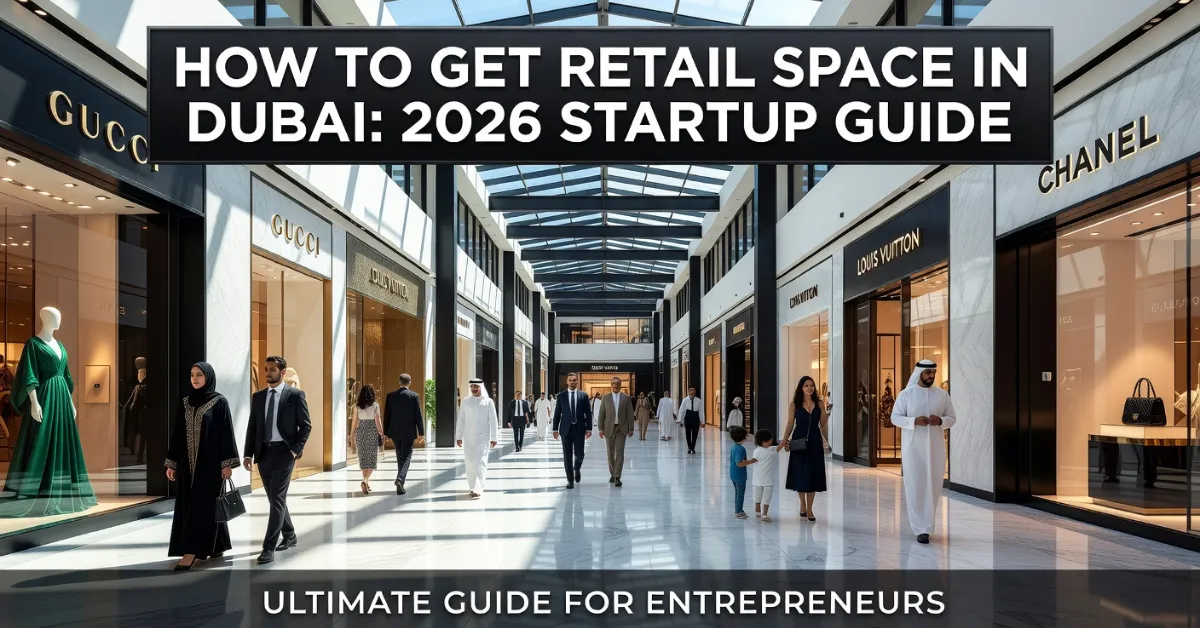
Dubai’s commercial property landscape is remarkably diverse, offering retail formats that suit everything from luxury flagship stores to independent boutiques. The four main types of retail spaces are shopping malls, high-street units, standalone shops, and traditional souks, each carrying distinct advantages depending on your business model and target audience.
Shopping malls remain the dominant retail destination in Dubai. Mega-developments like Dubai Mall, Mall of the Emirates, and City Walk attract millions of visitors annually, giving tenants instant access to high foot traffic and a premium brand environment. High-street locations along Jumeirah Beach Road, Al Wasl Road, and Box Park offer a more neighbourhood-oriented retail feel, ideal for cafes, boutiques, and wellness brands targeting local residents. Standalone shops and ground-floor commercial units in newer mixed-use communities like Dubai Hills or JBR provide more flexible lease terms and greater branding freedom. Meanwhile, traditional souks in Deira and Bur Dubai remain popular for businesses in gold, textiles, spices, and cultural goods, often offering more affordable commercial leases with authentic character.
Choosing between these retail location types in Dubai will depend on your brand positioning, budget, and the demographics you intend to serve. Each format has its own leasing structure, foot-traffic profile, and regulatory environment.
Key Requirements for Leasing Retail Space
Before you can sign a retail lease in Dubai, you must meet a set of legal and regulatory requirements. The most fundamental of these is holding a valid trade license. Whether you operate under the Dubai Department of Economy and Tourism (DET) or a free zone authority, your license category must align with the nature of your retail business. Without the correct Dubai retail license, a landlord cannot legally rent you commercial premises.
Emirate-level approvals may also apply depending on where your retail unit is situated. For example, businesses operating within free zones such as Dubai Airport Free Zone or Dubai Multi Commodities Centre follow different protocols from those in the mainland. Understanding which authority governs your chosen location is essential before committing to a lease.
Landlords in Dubai typically require a security deposit equivalent to one to three months’ rent, along with post-dated cheques covering the lease term, commonly issued annually or biannually. For retail permits in Dubai’s regulated environments, such as malls, fit-out approvals from the property developer and signage clearance from Dubai Municipality are also required before you begin trading. Factor these into both your timeline and your startup budget.
Choosing the Right Location for Your Retail Business
Location is arguably the single most important decision you will make as a retail business owner in Dubai. The city’s prime retail areas span several distinct zones from the tourist-heavy Downtown and Marina districts to the more residential Mirdif, Arabian Ranches, and Jumeirah corridors. Getting this decision right means balancing several variables simultaneously.
Key factors to evaluate when shortlisting retail hotspots in Dubai include:
- Foot traffic and dwell time: How many people pass through, and do they stop to shop?
- Proximity to complementary or competing businesses or adjacency to similar brands can either drive traffic or dilute your market share.
- Accessibility for customers: Is the space reachable by metro, bus, or major road? Is parking ample and affordable?
- Demographics of the surrounding community: Does the local population match your target customer profile in terms of income, lifestyle, and spending behavior?
- Visibility and signage potential: A corner unit on a main road is worth significantly more than a tucked-away unit with no frontage.
The best retail areas in Dubai for startups in 2026 include City Walk for lifestyle brands, JBR and Dubai Marina for F&B and leisure concepts, and the Al Quoz industrial pocket for creative, arts, or workshop-based retail. Emerging districts like Dubai South and Mohammed Bin Rashid City are also gaining momentum as residential populations grow.
Legal Process for Leasing Retail Space in Dubai

Once you have identified your preferred space and agreed on commercial terms, the legal process follows a clear sequence. The first step is typically signing a Memorandum of Understanding (MoU) with the landlord or property developer. This document outlines the agreed rent, lease term, payment schedule, and any fit-out allowances or rent-free periods binding enough to take the unit off the market while final agreements are prepared.
The lease agreement itself must be carefully reviewed before signing. Retail rental contracts in Dubai should clearly specify who is responsible for maintenance, what modifications to the unit are permitted, and how rent reviews will be handled across multi-year terms. It is strongly advisable to have a legal professional or experienced business setup consultant review the agreement before commitment.
Once executed, the lease must be registered with the Real Estate Regulatory Agency (RERA) via the Ejari system, a mandatory step for all formal commercial tenancies in Dubai. Lease registration in Dubai provides legal protection for both parties and is typically required when applying for trade license amendments or utility connections. Additionally, any external signage must comply with Dubai Municipality guidelines, requiring a separate approval process that can take two to four weeks.
Tips for Negotiating Retail Leases
Many first-time retail tenants in Dubai accept the initial offer from a landlord without pushing back. In most cases, there is meaningful room to negotiate particularly in the current market, where vacancy rates in certain sub-markets remain elevated. Here are the key levers to work with:
- Request a rent-free period of one to three months for fit-out and setup before trading begins. Landlords commonly grant this for shell-and-core units.
- Negotiate a fit-out contribution from the landlord, especially in malls where developers have a vested interest in attracting quality tenants.
- Ask for flexibility on lease duration, a three-year initial term with a two-year option to renew is often more favourable than locking into five years from day one.
- Clarify all shared area maintenance (SAMS) charges and common area fees upfront; these are often negotiable or capped.
- Consider whether a long-term lease with a fixed rent cap provides better security than shorter leases subject to annual market-rate increases.
Retail lease negotiation in Dubai is normal. Approaching it professionally, with clear data on comparable rents in the area, significantly strengthens your position.
Working with Retail Space Brokers and Business Setup Consultants
Navigating Dubai’s commercial property market without professional support is possible but rarely efficient, especially for first-time entrants. A qualified commercial real estate agent can access off-market listings, negotiate on your behalf, and flag lease terms that are unusual or potentially disadvantageous. Their fees are typically covered by the landlord in Dubai’s leasing market, meaning the cost to tenants is often minimal.
Beyond the property itself, a business setup consultancy adds critical value in managing the license, approvals, and regulatory compliance that run in parallel to the leasing process. The right retail advisory partner in Dubai can help you sequence these steps correctly avoiding costly delays caused by licensing gaps or missing documentation.
For startups and SMEs looking for end-to-end retail advisory support in Dubai, Ripple Business Setup provides guidance across trade licensing, location selection, and lease review. You can reach their team by phone at +971 50 593 8101, by email at info@ripplellc.ae, or via WhatsApp at +971 4 250 0833.
Common Challenges When Leasing Retail Space in Dubai
Being aware of common obstacles ahead of time helps you plan around them rather than react to them. The challenges most frequently reported by new retail tenants in Dubai include:
- High rental costs in premium locations, which can strain early-stage cash flow if not carefully modelled in advance.
- Intense competition in popular categories such as F&B, fashion, and beauty, where market saturation makes differentiation critical.
- Legal and regulatory complexity, including multi-authority approvals for mainland vs free zone setups and evolving municipal signage regulations.
- Seasonal fluctuations in foot traffic in Dubai’s summer months see reduced consumer activity in some retail categories, impacting revenue projections for new entrants.
Future Opportunities in the Dubai Retail Market
Despite the challenges, the outlook for Dubai’s retail sector in 2026 is genuinely compelling. The government’s ongoing investment in tourism, Expo legacy projects, and the Dubai 2033 Economic Agenda is creating sustained demand for retail space across multiple categories.
Experiential retail spaces that offer customers an immersive activity, not just a product, is growing rapidly, driven by luxury brands and homegrown concepts alike. Dubai’s increasing appetite for curated dining, fitness, wellness, and arts experiences is creating viable niches that were underserved just five years ago. Meanwhile, click-and-collect models are blurring the line between e-commerce and physical retail, encouraging brands to operate smaller, strategically placed physical touchpoints rather than large traditional stores.
The Dubai SME retail segment is also benefiting from targeted government initiatives, including streamlined licensing processes, subsidised incubator spaces, and expo-linked export promotion programmes. Retail trends in Dubai are increasingly favouring brands with clear local relevance, sustainability credentials, and community integration, areas where well-positioned startups can genuinely compete with established players.
Frequently Asked Questions
What documents are needed to lease retail space in Dubai?
You will typically need a valid trade license (or proof of application), passport copies of the business owner or partners, a No Objection Certificate (NOC) if applicable, and post-dated cheques for the agreed lease term. Some landlords also require a company profile or business plan for new-concept tenants applying for mall space.
Can foreigners lease retail property without a UAE partner?
Yes, in most cases. Since the UAE’s landmark ownership reforms, foreign nationals can hold 100% ownership of mainland companies in many business activities, including retail, without a local partner. Free zone entities may also lease retail space, though they must ensure their license category permits direct retail sales to the public.
How long does it take to finalise a retail lease in Dubai?
From initial shortlisting to signing and Ejari registration, the process typically takes three to six weeks for a straightforward deal. Complex negotiations, developer approval processes for mall units, or licensing delays can extend this timeline to two to three months.
Are fit-out and interior modifications allowed in leased retail space?
Generally, yes, but subject to landlord consent and, in regulated environments, approval from the relevant authority, such as the mall developer or Dubai Municipality. Shell-and-core units (unfitted) are specifically designed for tenant fit-out. Modifications to fitted units may require a reinstatement obligation at the end of the lease, meaning you may need to return the space to its original condition.
Conclusion
Getting retail space in Dubai in 2026 is an exciting and very achievable goal provided you approach it with the right preparation. Success comes down to three fundamentals: choosing a location that genuinely fits your customer profile and commercial model, meeting all legal requirements before you sign anything, and understanding the full cost structure of your lease well in advance.
Dubai’s retail market rewards businesses that do their homework. Those who invest time in understanding the market, negotiating thoughtfully, and building a compliant foundation from day one are far better positioned to grow into successful, sustainable operations.
Disclaimer: This guide is for informational purposes only and does not constitute legal or commercial advice. Lease terms, regulatory requirements, and market conditions are subject to change. Always consult licensed professionals before signing any lease or commercial agreement in the UAE.