Manufacturing in Dubai has grown rapidly, making the city a strategic hub for production in the Middle East. Its location between Asia, Europe, and Africa, coupled with world-class infrastructure, attracts businesses seeking efficient logistics and access to global markets. Dubai also offers attractive incentives, such as free zone benefits, tax exemptions, and streamlined licensing procedures. Entrepreneurs looking to establish a UAE production business can leverage these advantages to scale efficiently and legally.
Understanding Manufacturing Opportunities in Dubai
Dubai’s industrial landscape covers diverse sectors including food and beverages, electronics, construction materials, chemicals, and packaging. Free zones like Jebel Ali Free Zone have become success stories, hosting numerous manufacturers exporting products worldwide. According to recent reports, the UAE’s manufacturing sector has grown by over 6% annually, driven by government initiatives and infrastructure improvements. For entrepreneurs, understanding these opportunities is critical to selecting the right product and target market.
Step 1 – Choose the Right Business Structure
Selecting the appropriate business structure is the first step in setting up manufacturing in Dubai. The choice affects ownership rights, liability, taxes, and regulatory compliance. Foreign investors need to carefully consider mainland and free zone structures to optimize control and operational efficiency.
Options include:
- Mainland LLC: Allows trading anywhere in UAE but may require a local partner.
- Free Zone Company: 100% foreign ownership, ideal for export-oriented businesses.
- Branch Office: Extends a foreign company’s operations without creating a separate legal entity.
Key considerations:
- Ownership requirements for foreign investors
- Capital requirements
- Liability and legal protections
Step 2 – Select an Ideal Location
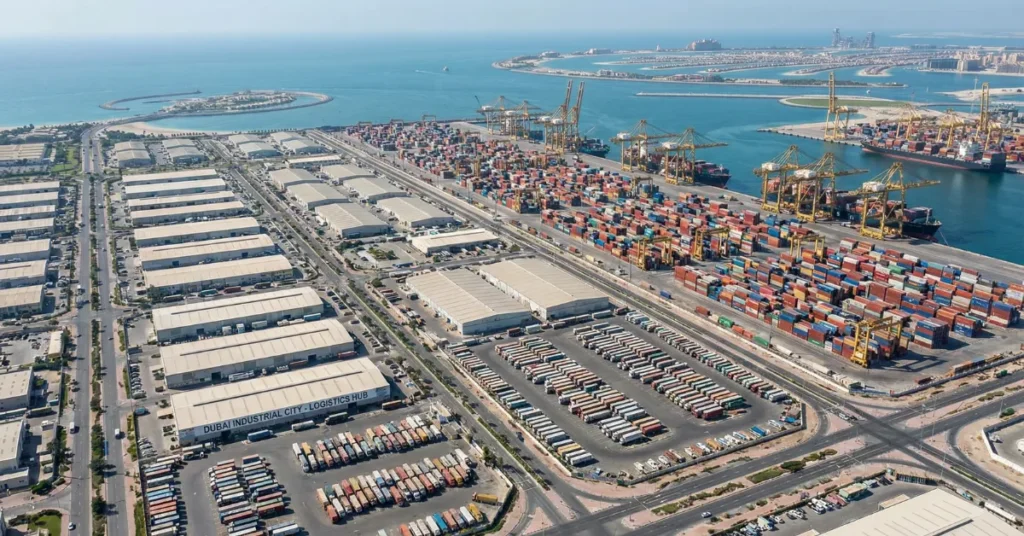
Choosing the right location is vital for logistics, workforce accessibility, and operational efficiency. Dubai offers both free zones and mainland industrial areas, each with distinct benefits. Free zones simplify licensing and ownership, while mainland locations allow local trading and broader market access.
Top locations include:
- Jebel Ali Free Zone: Excellent for import/export due to proximity to the port.
- Dubai Industrial City: Suited for large-scale production with industrial facilities.
- Dubai South Industrial Area: Ideal for aviation and logistics-related manufacturing.
Factors to consider:
- Transport links and port access
- Utilities and infrastructure quality
- Availability of skilled labor
Step 3 – Obtain Manufacturing License and Approvals
A valid manufacturing license is mandatory before starting operations. Authorities such as Dubai Municipality and free zone authorities oversee approvals to ensure safety, environmental compliance, and adherence to local laws.
Licensing steps include:
- Types of licenses: Industrial, Commercial
- Process overview: Submit application, provide documents, undergo inspection
- Environmental and safety approvals: Comply with health, fire, and waste regulations
Step 4 – Plan Infrastructure and Workforce
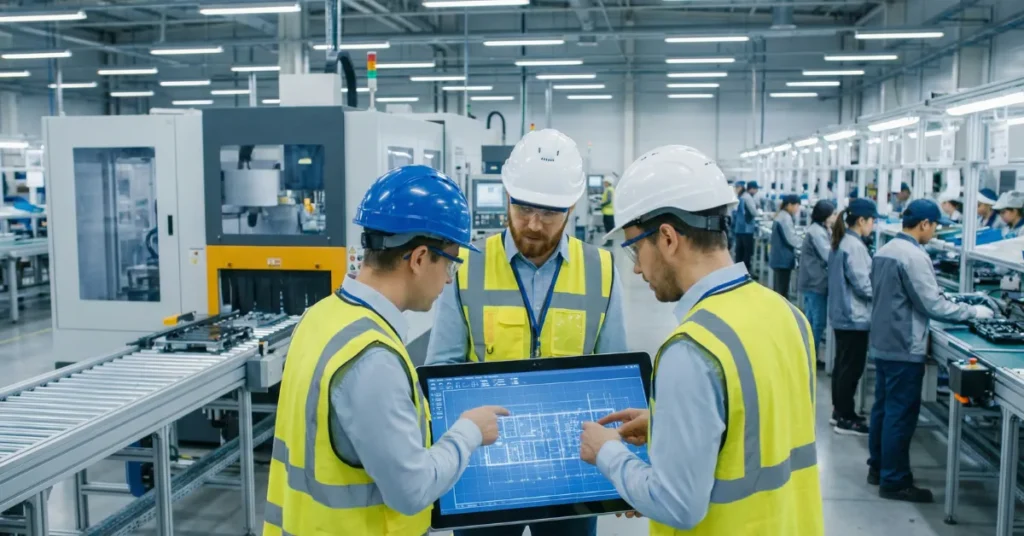
Efficient manufacturing depends on well-planned infrastructure and a skilled workforce. Factory layout should optimize production flow, safety, and storage space. Proper recruitment ensures high productivity and compliance with labor regulations.
Considerations include:
- Machinery sourcing, installation, and maintenance
- Hiring skilled and semi-skilled labor
- Training programs and health & safety compliance
Example: A small electronics manufacturer in Dubai successfully scaled by hiring locally trained technicians and importing automated machinery to streamline assembly.
Step 5 – Manage Costs and Operations Efficiently
Operational efficiency is key to profitability. Manufacturing costs include utilities, labor, raw materials, logistics, and supply chain management. Planning these costs early prevents budget overruns and ensures smooth operations.
Key points:
- Utilities and warehouse leasing costs
- Tax benefits and exemptions for free zone operations
- Logistics advantages: proximity to ports and international shipping networks
Example: Comparing a Free Zone setup versus mainland operations, companies often save 20–30% on operational costs due to tax exemptions and streamlined customs procedures.
Ripple Business Setup – Expert Assistance
Setting up manufacturing in Dubai can be complex, and professional guidance ensures smooth execution. Contact Ripple Business Setup at +971 50 593 8101, email info@ripplellc.ae, or WhatsApp +971 4 250 0833 for advice on licenses, location, and infrastructure planning. Their expertise covers mainland and free zone setups, regulatory compliance, and operational strategy.
FAQ
Q1: What is the cheapest way to start manufacturing in Dubai?
Free zone setups often reduce licensing and tax costs while providing full ownership.
Q2: Can foreigners own 100% of a manufacturing business in Dubai?
Yes, in most free zones, foreigners can fully own a company without a local partner.
Q3: How long does it take to get a manufacturing license?
Typically 4–6 weeks, depending on the type of license and approvals required.
Q4: What are the best free zones for manufacturing in Dubai?
Jebel Ali Free Zone, Dubai Industrial City, and Dubai South are highly recommended.
Q5: Are there tax benefits for manufacturers in Dubai?
Free zones provide corporate tax exemptions, no customs duties on exports, and other incentives.
Conclusion
Starting manufacturing in Dubai involves careful planning across business structure, location, licensing, infrastructure, and operational efficiency. Following these five steps ensures a smooth setup and positions your company for success in the UAE market. For tailored guidance, consulting experts like Ripple Business Setup can help navigate regulatory requirements and optimize your manufacturing operations.
Disclaimer: Information provided is for general guidance purposes only. Professional consultation is recommended for specific business setup requirements.