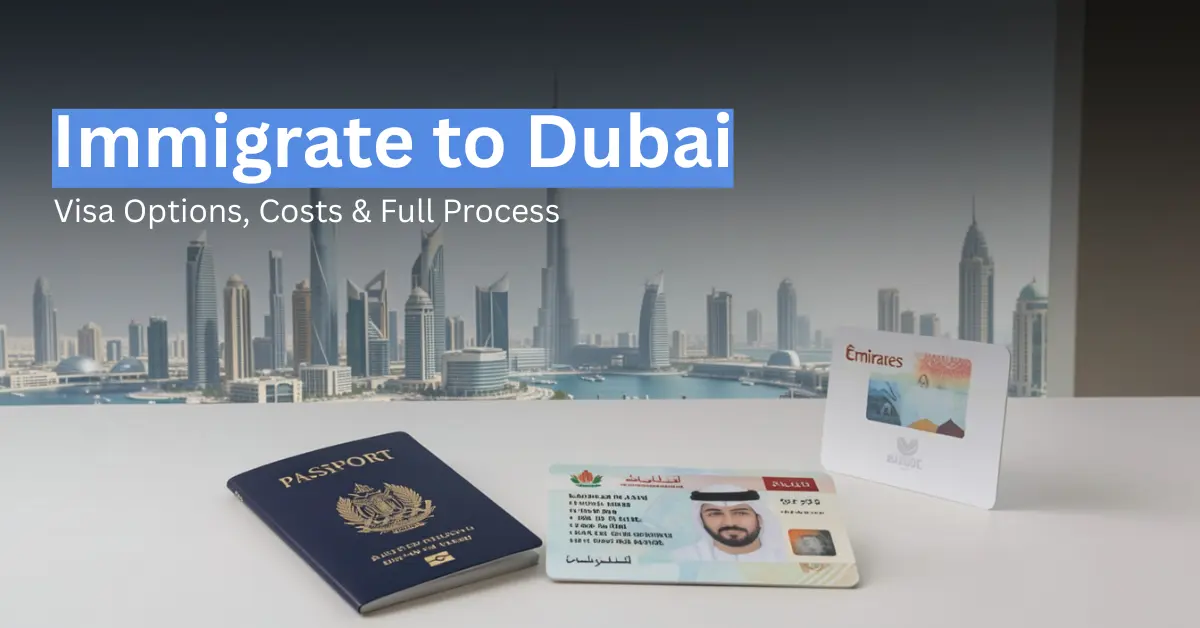
Thinking about moving to Dubai? It’s a city that really shines with its modern vibe and lots of opportunities. Lots of people are looking into how to immigrate to Dubai because it offers a different kind of life. But before you start packing, you need to figure out the visa stuff, how much it all costs, and what the actual process looks like. It can seem a bit much at first, but breaking it down makes it way more manageable. Let’s get into what you need to know to make your move happen.
Why Immigrate to Dubai?
Thinking about moving to Dubai? It’s a pretty popular choice for a lot of people, and for good reason. The city itself is just… something else. You’ve got these massive buildings that seem to touch the sky, and then there’s the desert right there, offering a totally different vibe. It’s a place where you can find luxury shopping one minute and then go on a desert safari the next. Plus, the opportunities for work are a big draw. Many people are curious about how to get a job in Dubai, and it’s definitely a place where careers can take off.
Dubai is known for its modern infrastructure and a generally safe environment, which appeals to families and individuals alike. The business scene is active, and there’s a constant buzz about new developments and projects. It’s a global hub, meaning you meet people from all over the world, which can be really interesting.
Here are a few things that make Dubai stand out:
- Economic Opportunities: Dubai has a strong economy with many sectors looking for skilled workers. Figuring out how to get a job in Dubai often starts with understanding the local job market.
- Quality of Life: The city offers a high standard of living, with excellent healthcare, education, and public services.
- Cultural Diversity: It’s a melting pot of cultures, making it a vibrant place to live and work.
- Innovation and Growth: Dubai is always looking forward, with a focus on technology and new ventures.
It’s not just about the glitz, though. Many people are drawn to the idea of building a stable future here. The process of immigrating might seem a bit daunting at first, especially when you’re thinking about how to get a job in Dubai and then sort out all the paperwork, but it’s manageable with the right information.
Understanding Dubai’s Visa Options
Dubai, a city known for its impressive skyline and vibrant culture, offers various pathways for individuals looking to reside or work there. Understanding the different visa types is the first step in planning your move. The specific visa you need will depend entirely on your reason for coming to Dubai. Whether you’re looking to start a business, find employment, retire, or join family, there’s likely a visa category designed for you.
Employment Visas
These are for individuals who have secured a job offer from a company in Dubai. The employer typically sponsors the visa and handles much of the application process. You’ll need a formal offer letter and your employer will need to obtain a labor card and work permit for you. The validity of an employment visa is usually tied to your contract, often for two or three years, and it’s renewable.
Investor Visas
If you plan to invest in Dubai’s economy, this visa might be suitable. There are different types, often linked to the amount and type of investment. For instance, investing in real estate or starting a business can qualify you. These visas can be for longer durations, sometimes five or ten years, and are renewable, provided your investment continues to meet the criteria. The Dubai residency requirements for investors are quite specific and often involve significant capital.
Retirement Visas
Dubai has introduced retirement visas for individuals aged 55 and above who meet certain financial criteria. This allows you to live in Dubai long-term without needing a sponsor. You’ll typically need to demonstrate a certain level of income or savings and have health insurance. It’s a great option for those looking to enjoy their retirement in a safe and modern environment.
Freelancer Visas
For those working independently, Dubai offers freelancer visas, often issued through specific free zones. This allows you to work for clients globally or within the UAE without being tied to a single employer. You’ll need to prove your freelance income and have a portfolio of your work. This visa is a good way to gain a Dubai residency permit while maintaining your independent work status.
Family Visas
If you are a resident in Dubai, you can sponsor your immediate family members, including your spouse and children. The sponsor must meet certain income requirements and provide proof of relationship. The visa duration is usually linked to the sponsor’s residency permit. This is a common route for families looking to settle in Dubai together.
Navigating the various Dubai visa requirements can seem complex, but breaking it down by purpose makes it more manageable. Each visa type has its own set of Dubai residency requirements and application steps.
Here’s a general overview of some common visa durations and types:
- Tourist Visas: For short stays, typically 30 or 60 days, single or multiple entry. These are for leisure and sightseeing.
- Transit Visas: Available for short stopovers, often 48 or 96 hours, allowing you to explore the city briefly.
- Residence Visas: For longer stays, including employment, investment, retirement, and family sponsorship. These are the primary means to obtain a Dubai residency permit.
The Cost of Immigrating to Dubai
So, you’re thinking about moving to Dubai, maybe for work or just a change of scenery. It’s a big step, and naturally, you’re wondering about the costs involved. It’s not just about the visa fees, though those are a big part of it. You’ve also got to think about the actual cost of living in Dubai for expats, which can really add up.
Visa Application Fees
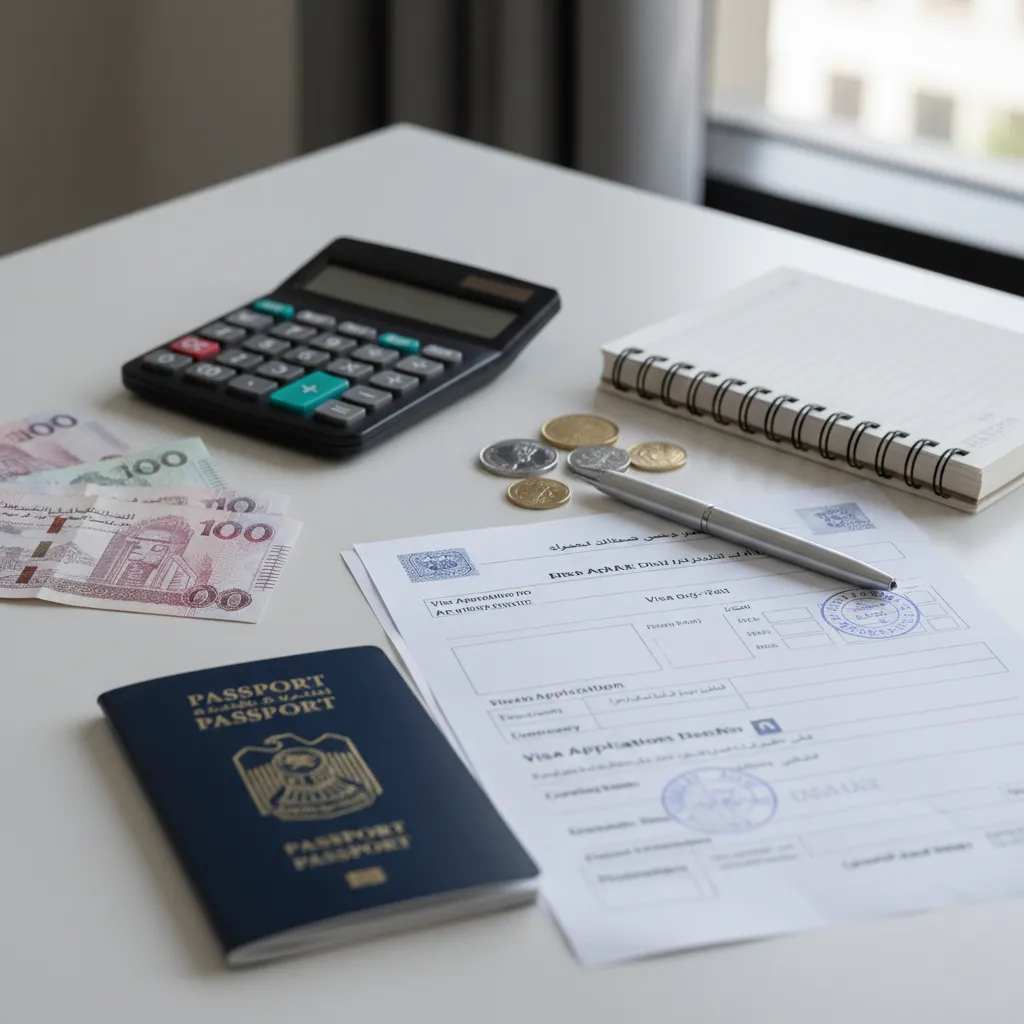
The price of a visa can change depending on the type you need and how long you plan to stay. For example, a short-term tourist visa is different from an investor visa or one for moving to the UAE for work. It’s always best to check the latest fees, but here’s a general idea:
- Tourist Visas: These can range from around $140 USD for a 96-hour visa to $231 USD for a 60-day multiple-entry visa. These are usually for shorter stays.
- Employment Visas: If you’re moving to the UAE from India or another country for a job, your employer usually handles the visa process and associated costs. However, there might be some fees you’re responsible for, like medical tests.
- Investor/Retirement Visas: These often have higher application fees and require a significant investment or proof of substantial retirement income.
It’s important to remember that these are just estimates, and actual costs can vary.
Other Associated Costs
Beyond the visa itself, there are other expenses to consider when you’re thinking about moving to the UAE from anywhere else.
- Flights: The cost of flights to Dubai will depend on your departure location and when you book.
- Accommodation: Rent is a major expense. Dubai has a wide range of housing options, from shared apartments to luxury villas. The cost of living in Dubai for expats can be high, especially for housing in popular areas.
- Health Insurance: This is often a requirement for residency visas and can add a significant amount to your monthly expenses.
- Living Expenses: This includes food, transportation, utilities, and any personal spending. The cost of living in Dubai for expats can be managed, but it requires careful budgeting.
- Setup Costs: When you first arrive, you might need to pay deposits for utilities, furniture, and other household items.
Budgeting is key. It’s wise to have a buffer for unexpected expenses, especially in the first few months. Researching the average cost of living in Dubai for expats based on your lifestyle is a smart move before you commit to moving.
Here’s a quick look at some potential costs:
| Item | Estimated Cost (USD) | Notes |
|---|---|---|
| Visa Application Fee | $140 – $500+ | Varies by visa type and duration |
| Flight Ticket | $500 – $1500+ | Depends on origin and time of booking |
| Monthly Rent (1-bed) | $1000 – $2500+ | Varies greatly by location and type |
| Health Insurance | $200 – $600+ / month | Depends on coverage and age |
| Monthly Groceries | $300 – $700+ | For a single person |
| Transportation | $50 – $200+ / month | Public transport vs. car ownership |
| Utilities (Electricity, Water, Internet) | $150 – $300+ / month | Varies with usage and apartment size |
The Full Process: Step-by-Step Guide
Getting your visa for Dubai is pretty straightforward these days, mostly done online. It’s not like the old days, when you had to mail in a bunch of papers and wait forever. Now, it’s mostly digital, which is a big relief.
Here’s how it generally works:
- Choose Your Visa Type: First off, you need to figure out which visa fits your trip. Are you coming for tourism, work, to invest, or maybe to retire? Each has its own rules and requirements, so pick the one that matches your reason for visiting.
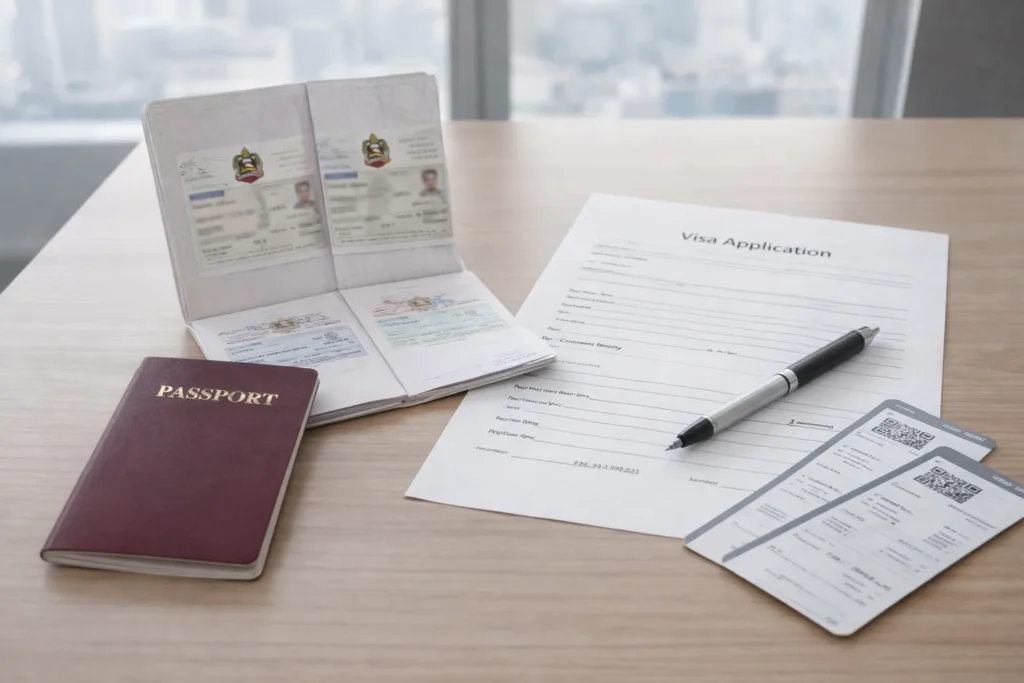
- Gather Your Documents: You’ll need a few things. Your passport is key make sure it’s valid for at least six months from your entry date. You’ll also need a recent passport-sized photo, usually with a plain background. Depending on the visa, you might need other papers like an invitation letter, proof of funds, or a sponsorship letter.
- Fill Out the Application: This is usually done online. You’ll find application forms on the official government websites or through authorized travel agencies. Fill it out carefully, double-checking all your personal details, passport information, and travel dates. Accuracy here is super important to avoid any hiccups.
- Pay the Fees: There’s a fee for the visa application, and it varies depending on the type and duration of your visa. You can usually pay this online using a credit or debit card. Keep a record of your payment.
- Submit and Wait: Once everything is filled out and paid for, you submit your application. The processing time can vary, but for many tourist visas, it’s quite fast, sometimes within 24-48 hours. You can often track your application status online.
- Receive Your Visa: If approved, you’ll get your visa, usually as an electronic copy (eVisa), sent directly to your email. Print this out and keep it with your passport.
It’s always a good idea to start this process well before your planned travel date. Things can sometimes take longer than expected, and having your visa sorted early takes a lot of stress away.
Remember to check the specific requirements for your nationality and visa type, as rules can change. A little preparation goes a long way in making your immigration process smooth.
Tips for a Smooth Immigration Process
Getting your visa sorted for Dubai can feel like a puzzle, but a few smart moves can make it much easier. First off, double-check all your paperwork before you even think about submitting it. Seriously, a missing signature or a blurry photo can cause headaches down the line. It’s like trying to assemble furniture without all the screws – frustrating and ultimately, it won’t hold together.
Here’s a quick rundown of things to keep in mind:
- Passport Validity: Make sure your passport has at least six months of validity left. This is a hard rule for most visa types.
- Document Accuracy: Ensure all names, dates, and passport numbers match exactly across all your documents. Any mismatch can lead to delays.
- Clear Scans: If you’re submitting digital copies, make sure they are clear, high-resolution scans. Blurry or unreadable documents are a common reason for rejection.
- Correct Visa Type: Applying for the right visa category from the start saves a lot of hassle. If you’re unsure, it’s better to ask or do a bit more research on Dubai visa options.
When you’re ready to apply, you can often do it online, which is pretty convenient. Just pick your visa type, fill out the form, upload what they need, and pay the fee. They usually send the approved visa straight to your email. Keep a digital copy of your visa and passport somewhere safe, just in case.
It’s always a good idea to have a printed copy of your visa and any hotel or flight confirmations with you when you travel. While digital copies are great, sometimes a physical backup is helpful, especially during the initial entry process.
Navigating the immigration process can feel overwhelming, but with the right guidance, it doesn’t have to be. We’ve put together some helpful tips to make your journey smoother. Want to learn more about making your move easier? Visit our website today for expert advice and resources!
Why Choose Ripple Business Setup for Immigration to Dubai
Ripple Business Setup helps individuals, families, and entrepreneurs immigrate to Dubai without confusion or delays. Our team handles visa selection, document preparation, government approvals, and post-visit steps like Emirates ID and residency stamping. Whether you are moving for work, business, or long-term residency, Ripple Business Setup guides you through every stage with clear advice and local expertise. To get personal support, contact Ripple Business Setup at +971 50 593 8101, email info@ripplellc.ae, or WhatsApp +971 4 250 0833.
Wrapping Up Your Dubai Visa Journey
So, getting your Dubai visa in 2025 is pretty straightforward, really. It’s all online now, which makes things way simpler than it used to be. You’ve got different options depending on why you’re going and how long you plan to stay, so just pick the one that fits your trip best. The prices are clear, and they process them fast, usually within 24 hours, with no surprise fees popping up later. Just make sure you fill everything out right and have your documents ready. Once that’s done, you’re all set to head over and see what makes Dubai such a cool place.
Frequently Asked Questions
How long does it take to get a Dubai visa?
Usually, you can get your Dubai visa within 24 hours after you apply. It’s a pretty quick process, especially if you apply online.
What documents do I need to apply for a Dubai visa?
You’ll generally need a copy of your passport that’s valid for at least six months, and a recent passport-sized photo. Sometimes, they might ask for other papers depending on why you’re visiting.
Can I get a visa if I’m just visiting for a short time, like a layover?
Yes, Dubai offers short-stay visas, like a 96-hour visa, which is perfect for quick stopovers or short business trips. It’s designed for people who are just passing through.
What happens if I overstay my visa in Dubai?
Overstaying your visa can lead to fines. It’s really important to know your visa’s expiry date and leave the country before it runs out to avoid any problems or extra costs.
Are there different types of visas for different reasons?
Absolutely! Dubai has many visa options. There are visas for working, investing, retiring, studying, visiting family, or even for freelancers. You choose the one that fits your reason for coming.
Is the visa fee the only cost I have to pay?
The main visa fee covers the government charges and processing. However, sometimes there might be small extra fees for things like online application support or if you need to extend your visa later. Always check what’s included.
Disclaimer: This article is for general information only. Visa rules, costs, and eligibility may change based on UAE government regulations. Always confirm details with official authorities or a licensed business setup consultant before applying.