Maintaining healthy cash flow is one of the biggest challenges businesses face, regardless of their size or industry. Many companies generate strong sales and even report profits, yet they still struggle to pay suppliers, employees, or operating expenses on time. In most cases, the issue is not profitability it is poor management of accounts receivable and accounts payable.
Accounts receivable (AR) and accounts payable (AP) work together to determine how money moves through your business. When customers pay invoices promptly and supplier payments are managed strategically, businesses maintain sufficient working capital, improve liquidity, and reduce financial stress. However, delayed collections or poorly planned payments can quickly create cash shortages.
What Is Healthy Cash Flow and Why Does It Matter?
Healthy cash flow refers to maintaining enough cash coming into your business to cover daily operating expenses, financial obligations, and future investments. It ensures your company has the liquidity needed to operate smoothly without relying heavily on loans or emergency funding. Many business owners mistakenly believe that profit automatically means financial health. In reality, profit and cash flow are two different concepts. Profit represents earnings after expenses, while cash flow reflects the actual movement of money into and out of the business. A profitable business can still experience cash flow problems if customers delay payments or if expenses are due before revenue is collected.
For example, imagine a company completes projects worth $100,000 in one month but allows customers 90 days to pay. Although the business reports strong revenue, it may struggle to pay salaries, rent, or suppliers because the cash has not yet arrived. This situation highlights why managing receivables and payables is essential for maintaining healthy cash flow.
Healthy cash flow enables businesses to:
- Pay employees and suppliers on time.
- Invest in growth opportunities.
- Handle unexpected expenses with confidence.
- Build stronger relationships with vendors.
- Reduce dependence on business loans.
- Improve long-term financial stability.
Businesses that regularly monitor cash inflows and outflows are better equipped to respond to market changes and maintain sustainable growth.
Understanding Accounts Receivable (AR)
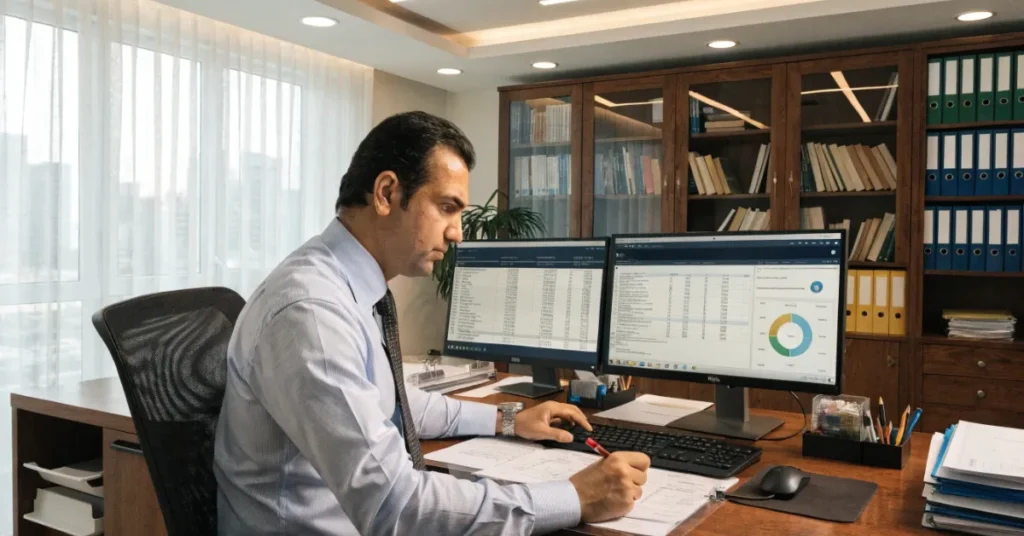
Accounts receivable (AR) refers to the money customers owe a business for products or services delivered on credit. It appears as a current asset on the balance sheet because the company expects to receive payment within an agreed period. Whenever a business issues an invoice instead of collecting payment immediately, that invoice becomes part of its accounts receivable. Until the customer pays, the amount remains outstanding.
For example, a digital marketing agency completes a project for a client and sends an invoice with 30-day payment terms. During those 30 days, the invoice is recorded as an account receivable.
Efficient accounts receivable management improves cash flow by ensuring invoices are collected promptly. Businesses that actively monitor outstanding invoices reduce payment delays, improve liquidity, and minimize bad debt risks.
An effective accounts receivable process typically includes:
- Issuing invoices immediately after delivering products or services.
- Setting clear payment terms before beginning work.
- Tracking invoice due dates.
- Sending payment reminders before and after due dates.
- Following up consistently on overdue accounts.
- Recording payments accurately.
When receivables are collected on time, businesses have more cash available to cover operating costs, invest in expansion, and maintain healthy working capital.
Common Accounts Receivable Challenges
Many businesses experience cash flow issues because of inefficient receivable management. Common challenges include:
- Late customer payments that delay incoming cash.
- Overdue invoices that remain unpaid for extended periods.
- Weak credit control processes.
- Manual invoice tracking that increases administrative errors.
- Poor communication with customers regarding payment expectations.
- Rising bad debts from customers who fail to pay.
- Limited visibility into outstanding receivables.
- Inconsistent follow-up on unpaid invoices.
Addressing these challenges early helps businesses maintain stronger financial control and supports consistent healthy cash flow.
Understanding Accounts Payable (AP)
Accounts payable (AP) represents the money a business owes suppliers, vendors, and service providers for goods or services purchased on credit. It is recorded as a current liability because these obligations are usually due within a short period. Every time a company receives inventory, office supplies, software subscriptions, or professional services before making payment, the amount becomes part of accounts payable.
For instance, a retailer receives inventory from a supplier with payment terms of 45 days. Until the payment is made, the invoice remains in the company’s accounts payable records.
Managing accounts payable effectively is just as important as collecting receivables. Paying suppliers according to agreed terms helps preserve cash while maintaining strong vendor relationships. It also enables businesses to benefit from negotiated payment terms and early payment discounts where appropriate.
A well-organized accounts payable process includes:
- Recording supplier invoices accurately.
- Verifying invoice details before approval.
- Scheduling payments based on due dates.
- Monitoring upcoming payment obligations.
- Maintaining complete vendor records.
- Reconciling accounts regularly.
A disciplined accounts payable process prevents unnecessary late fees, supports accurate financial reporting, and contributes to healthier business cash flow.
Common Accounts Payable Mistakes
Businesses often weaken their financial position by making avoidable mistakes in accounts payable management. Common issues include:
- Paying supplier invoices later than agreed.
- Paying invoices too early and reducing available cash unnecessarily.
- Processing duplicate invoices.
- Missing valuable early payment discounts.
- Failing to monitor recurring expenses.
- Poor invoice approval procedures.
- Inaccurate expense recording.
- Weak vendor communication.
Avoiding these mistakes helps businesses maintain better liquidity while preserving positive supplier relationships.
Accounts Receivable vs Accounts Payable
Although accounts receivable and accounts payable are closely related, they serve opposite purposes within a business. Understanding the distinction helps finance teams make better decisions about cash flow management.
| Feature | Accounts Receivable | Accounts Payable |
|---|---|---|
| Definition | Money customers owe the business | Money the business owes suppliers |
| Financial Category | Current Asset | Current Liability |
| Cash Flow Impact | Increases incoming cash | Represents future cash outflows |
| Main Objective | Collect payments quickly | Manage payments strategically |
| Business Relationship | Customers | Suppliers and vendors |
| Risk | Late payments and bad debts | Late fees and damaged supplier relationships |
| Example | Customer invoice awaiting payment | Supplier invoice awaiting payment |
Both functions are equally important. Efficient accounts receivable management accelerates cash inflows, while well-planned accounts payable management controls cash outflows. Together, they create the balance required to maintain healthy cash flow, strengthen working capital, and support long-term business success.
How Accounts Receivable and Accounts Payable Work Together to Support Healthy Cash Flow
Maintaining healthy cash flow is not just about collecting payments faster or delaying supplier invoices. It requires balancing accounts receivable (AR) and accounts payable (AP) so that money enters and leaves your business at the right time. When both processes are managed effectively, your business has enough working capital to cover operating expenses, invest in growth opportunities, and handle unexpected financial challenges.
For example, imagine a wholesale business that gives customers 30-day payment terms but negotiates 45-day payment terms with suppliers. This arrangement allows the business to collect customer payments before supplier invoices become due, improving liquidity and reducing pressure on cash reserves.
On the other hand, if customers consistently pay late while suppliers expect immediate payment, the business may face cash shortages despite recording healthy sales. This is why businesses should regularly review both receivables and payables instead of treating them as separate accounting functions.
Another important concept is the cash conversion cycle (CCC). It measures the time required to convert investments in inventory and operations into cash received from customers. A shorter cash conversion cycle generally indicates stronger financial performance because cash returns to the business more quickly.
Businesses can improve their cash conversion cycle by:
- Collecting customer payments faster.
- Negotiating favorable supplier payment terms.
- Reducing unnecessary inventory levels.
- Monitoring outstanding invoices regularly.
- Forecasting future cash requirements.
A balanced approach to accounts receivable and accounts payable helps businesses improve liquidity, reduce borrowing needs, and maintain healthy cash flow throughout the year.
10 Practical Tips to Maintain Healthy Cash Flow
1. Send Invoices Immediately
One of the simplest ways to improve healthy cash flow is to invoice customers as soon as products are delivered or services are completed. Delayed invoicing often leads to delayed payments. Businesses should use standardized invoice templates, include accurate payment details, and clearly state due dates to encourage prompt payment.
2. Set Clear Payment Terms
Well-defined payment terms reduce misunderstandings and encourage customers to pay on time. Include payment deadlines, accepted payment methods, late payment policies, and any early payment discounts in every contract and invoice. Clear expectations help improve payment collection and reduce disputes.
3. Follow Up on Late Payments
Many overdue invoices remain unpaid simply because businesses fail to follow up. Establish a consistent collection process by sending polite reminders before the due date and contacting customers promptly if payments become overdue. Professional communication often resolves payment delays without damaging customer relationships.
4. Offer Multiple Payment Options
Customers are more likely to pay quickly when the payment process is convenient. Providing options such as bank transfers, online payment gateways, credit cards, and digital wallets removes unnecessary barriers and helps speed up collections.
5. Review Accounts Receivable Every Week
Outstanding invoices should never be ignored. Reviewing your accounts receivable weekly allows you to identify overdue payments, monitor customer payment behavior, and take corrective action before small issues become major cash flow problems.
6. Negotiate Better Supplier Payment Terms
Good supplier relationships can improve your financial flexibility. Businesses should negotiate payment terms that align with their cash inflows whenever possible. Extended payment periods allow companies to maintain liquidity while meeting supplier obligations on time.
7. Avoid Paying Bills Too Early
Paying invoices before their due date may seem responsible, but it can reduce available working capital unnecessarily. Unless early payment discounts provide a clear financial benefit, schedule payments according to agreed terms while ensuring they are never late.
8. Prepare Regular Cash Flow Forecasts
Cash flow forecasting helps businesses anticipate future cash shortages before they occur. By projecting expected income and expenses over the coming weeks or months, decision-makers can adjust spending, plan investments, and avoid unexpected financial pressure.
9. Automate Invoice Management
Modern accounting software simplifies accounts receivable and payable management by automating invoice creation, payment reminders, approval workflows, and financial reporting. Automation reduces manual errors, saves time, and provides better visibility into business finances.
10. Monitor Financial Reports Regularly
Financial reports provide valuable insights into your company’s performance. Review accounts receivable aging reports, accounts payable summaries, cash flow statements, and working capital reports regularly to identify trends and make informed financial decisions before problems escalate.
Best Practices for Managing Accounts Receivable
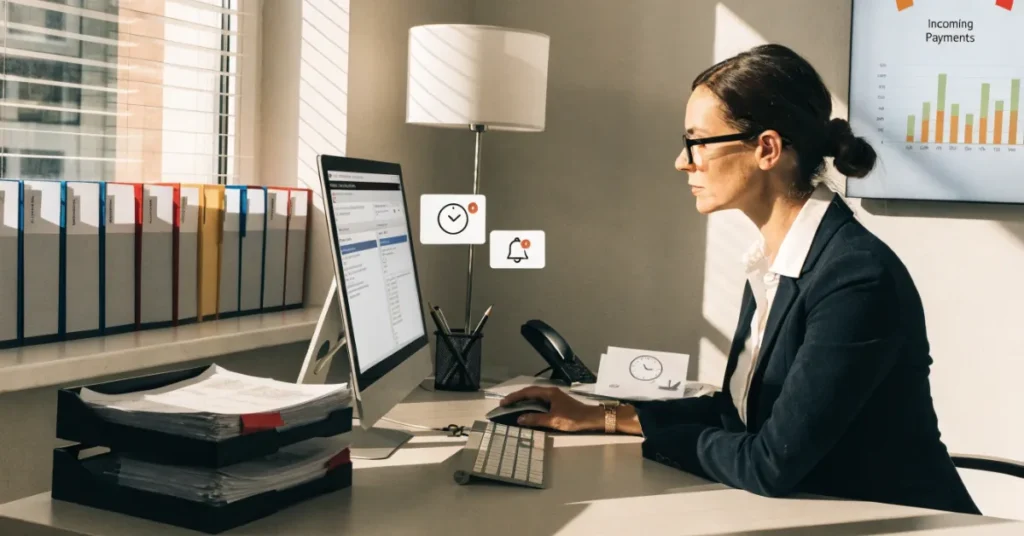
Strong accounts receivable management allows businesses to maintain steady cash inflows and reduce outstanding debts. Implementing proven practices improves financial stability while strengthening customer relationships.
Accounts Receivable Best Practices
- Perform credit checks before extending payment terms to new customers.
- Send invoices immediately after completing work or delivering products.
- Use consistent invoice formats with clear payment instructions.
- Monitor accounts receivable aging reports regularly.
- Automate payment reminders to reduce overdue invoices.
- Encourage early payments through appropriate discounts where financially beneficial.
- Maintain regular communication with customers regarding outstanding balances.
- Document all payment agreements and collection activities.
- Review customer payment history before approving additional credit.
- Resolve invoice disputes quickly to avoid unnecessary payment delays.
Best Practices for Managing Accounts Payable
Managing accounts payable efficiently helps businesses maintain supplier trust while preserving cash for operational needs. A structured payment process minimizes errors and improves financial control.
Accounts Payable Best Practices
- Verify supplier invoices before processing payments.
- Establish a clear invoice approval workflow.
- Schedule payments based on due dates and available cash.
- Take advantage of early payment discounts when they provide measurable savings.
- Maintain organized vendor records and payment histories.
- Reconcile supplier statements regularly to identify discrepancies.
- Avoid duplicate or fraudulent invoice payments through internal controls.
- Review recurring expenses to eliminate unnecessary costs.
- Build long-term relationships with reliable suppliers.
- Use accounting software to automate invoice approvals, payment scheduling, and reporting.
By following these best practices, businesses can strengthen healthy cash flow, improve working capital management, reduce financial risks, and create a solid foundation for sustainable growth.
Cash Flow Warning Signs Every Business Should Watch
Even profitable businesses can experience financial difficulties if cash is not managed effectively. Recognizing early warning signs allows business owners to take corrective action before cash flow problems affect operations.
Watch for These Warning Signs
- Increasing numbers of overdue customer invoices.
- Declining cash balances despite growing sales.
- Frequent reliance on loans or overdraft facilities.
- Delayed supplier payments due to insufficient funds.
- Rising operating expenses without matching revenue growth.
- Low working capital affecting day-to-day operations.
- Difficulty paying employee salaries or recurring bills.
- Decreasing cash reserves for emergencies.
- Poor visibility into future cash requirements.
- Negative operating cash flow over multiple reporting periods.
Reviewing these indicators regularly helps businesses identify financial risks early and maintain healthy cash flow.
Tools That Improve Accounts Receivable and Payable Management
Technology has transformed the way businesses manage their finances. Modern accounting software reduces manual work, improves accuracy, and provides real-time visibility into cash flow. A reliable accounting solution can help businesses automate routine financial tasks while improving decision-making. Features such as automated invoicing, payment reminders, bank reconciliation, and financial dashboards save time and reduce the risk of costly errors.
When selecting an accounting system, look for features such as:
- Invoice generation and customization.
- Automated payment reminders.
- Accounts receivable and payable tracking.
- Cash flow forecasting.
- Bank reconciliation.
- Financial reporting and analytics.
- Expense management.
- Multi-user access with approval workflows.
- Cloud-based accessibility.
- Integration with banking and payment platforms.
Using digital tools enables businesses to improve efficiency, strengthen financial controls, and maintain consistent cash flow throughout the year.
Common Mistakes That Hurt Healthy Cash Flow
Many cash flow issues result from avoidable financial management mistakes. Identifying and correcting these habits can significantly improve business performance.
Common Mistakes to Avoid
- Ignoring overdue customer invoices.
- Failing to establish clear payment policies.
- Preparing inaccurate or delayed invoices.
- Paying supplier invoices without reviewing cash availability.
- Not forecasting future cash flow.
- Delaying bookkeeping and account reconciliation.
- Mixing personal and business finances.
- Poor inventory management that ties up cash.
- Overlooking financial reports and key performance indicators.
- Relying on manual processes that increase errors and delays.
Avoiding these mistakes helps businesses maintain stronger liquidity, reduce financial pressure, and improve long-term profitability.
Why Choose Ripple Business Setup for Professional Accounting Support?
Managing accounts receivable, accounts payable, and maintaining healthy cash flow requires accurate bookkeeping, timely financial reporting, and expert financial guidance. Whether you are a startup, SME, or an established company in the UAE, professional accounting support can help you streamline financial processes, improve working capital, and make confident business decisions. Ripple Business Setup provides comprehensive accounting, bookkeeping, tax, and financial advisory services tailored to the needs of UAE businesses. Their experienced professionals help businesses improve cash flow management, maintain compliance, and build a strong financial foundation for sustainable growth.
To learn more about their services or discuss your business requirements, contact Ripple Business Setup at +971 50 593 8101, email info@ripplellc.ae, or reach them via WhatsApp at +971 4 250 0833.
FAQ
What is the difference between accounts receivable and accounts payable?
Accounts receivable represents money owed to your business by customers for goods or services sold on credit. Accounts payable refers to money your business owes suppliers or vendors for purchases made on credit. Receivables increase future cash inflows, while payables represent future cash outflows.
How do accounts receivable improve healthy cash flow?
Efficient accounts receivable management ensures invoices are issued promptly and collected on time. Faster collections increase available cash, reduce outstanding debts, and provide businesses with the working capital needed to cover daily expenses and invest in growth.
What causes poor cash flow in a business?
Common causes include late customer payments, weak credit control, poor budgeting, excessive operating expenses, inaccurate cash flow forecasting, delayed invoicing, and ineffective accounts payable management. Addressing these issues early helps prevent financial difficulties.
How often should businesses review accounts receivable and accounts payable?
Businesses should review receivables and payables at least once a week. Regular monitoring helps identify overdue invoices, upcoming supplier payments, and potential cash shortages before they become serious problems.
Which financial reports help monitor healthy cash flow?
Several reports provide valuable insights into business liquidity, including:
- Cash Flow Statement
- Accounts Receivable Aging Report
- Accounts Payable Aging Report
- Balance Sheet
- Profit and Loss Statement
- Working Capital Report
- Budget vs. Actual Report
Reviewing these reports regularly supports informed financial decisions and improves overall cash flow management.
Final Thoughts
Maintaining healthy cash flow is essential for every successful business. While increasing sales is important, effective management of accounts receivable and accounts payable plays an equally critical role in ensuring financial stability. Collecting customer payments on time, planning supplier payments strategically, and monitoring financial performance regularly help businesses maintain adequate working capital and reduce financial stress.
Disclaimer: The information provided in this article is for general educational and informational purposes only and should not be considered accounting, tax, financial, or legal advice. Business circumstances vary, and professional guidance should be obtained before making financial or operational decisions based on the information discussed.