Manufacturing is one of the fastest-growing sectors in the UAE, supported by government initiatives, advanced infrastructure, and strong global trade connections. Entrepreneurs and investors looking to establish a manufacturing business must first obtain the correct industrial license before starting operations. Whether you plan to manufacture food products, textiles, electronics, construction materials, or industrial equipment, understanding the licensing process is essential for legal compliance and long-term success.
What Is Manufacturing & Industrial Licensing?

Manufacturing and industrial licensing is the legal authorization required to establish and operate a manufacturing facility. Businesses involved in producing, processing, assembling, or packaging products must obtain an industrial license before commencing operations. Unlike commercial businesses that buy and sell products or professional firms that provide services, manufacturing companies transform raw materials into finished products using machinery, equipment, and production facilities.
Industrial licensing ensures that manufacturing activities comply with government regulations related to public safety, environmental protection, industrial zoning, quality standards, and workplace health.
A manufacturing license is commonly required for businesses involved in:
- Food processing
- Textile production
- Furniture manufacturing
- Plastic manufacturing
- Electronics assembly
- Pharmaceutical production
- Chemical manufacturing
- Metal fabrication
- Packaging industries
- Construction material production
Obtaining the appropriate industrial license protects both the business and consumers while supporting sustainable industrial development.
Why Manufacturing Businesses Need an Industrial License
Obtaining an industrial license is not simply a legal requirement. It also provides operational, financial, and commercial advantages that support business growth.
Operate Legally
A valid manufacturing license allows businesses to manufacture products legally while complying with UAE regulations and industry standards.
Meet Regulatory Requirements
Industrial licensing ensures compliance with environmental, municipal, safety, and industrial regulations before production begins.
Improve Product Quality
Licensed manufacturers operate under recognized quality and production standards, helping maintain product consistency and customer confidence.
Support Import and Export Activities
Manufacturing businesses with proper licensing can access import and export facilities, making it easier to source raw materials and distribute finished goods internationally.
Access Industrial Land and Facilities
Many industrial zones require businesses to hold the appropriate industrial license before leasing factories, warehouses, or production facilities.
Increase Investor Confidence
Licensed businesses demonstrate regulatory compliance, reducing operational risks and improving credibility with investors, lenders, and business partners.
Expand Business Operations
An industrial license provides a strong legal foundation for expanding manufacturing capacity, introducing new product lines, or entering additional markets.
Enhance Business Reputation
Customers, suppliers, and distributors are more likely to work with manufacturers that operate under recognized legal and regulatory frameworks.
Types of Manufacturing & Industrial Licenses in UAE
The UAE offers different manufacturing and industrial licenses depending on the business activity, production scale, and operational requirements. Selecting the correct license is essential for regulatory compliance and future expansion.
Mainland Industrial License
A mainland industrial license allows manufacturers to establish production facilities within the UAE mainland and conduct business across the domestic market.
This option is suitable for businesses that:
- Manufacture products for the UAE market
- Supply government and private sector projects
- Operate large-scale production facilities
- Require direct access to local distributors
- Plan long-term industrial expansion
Mainland manufacturing businesses must comply with industrial regulations, municipal requirements, environmental standards, and safety approvals.
Free Zone Manufacturing License
A free zone manufacturing license is designed for businesses focused on international trade, exports, and specialized industrial activities within designated free zones.
Key advantages include:
- Strategic logistics locations
- Modern industrial infrastructure
- Warehousing facilities
- Simplified import and export procedures
- Access to international markets
- Business-friendly operational environment
Many manufacturers choose free zones when serving regional and global customers.
Heavy Manufacturing License
Heavy manufacturing licenses are intended for industries operating large production plants with substantial machinery and industrial infrastructure.
Typical industries include:
- Steel manufacturing
- Cement production
- Industrial machinery
- Heavy engineering
- Shipbuilding
- Oil and gas equipment manufacturing
These businesses often require additional environmental, safety, and engineering approvals due to the scale of operations.
Light Manufacturing License
Light manufacturing businesses focus on producing smaller consumer or commercial products using less complex production processes.
Common examples include:
- Garment manufacturing
- Furniture assembly
- Packaging production
- Printing services
- Household products
- Consumer electronics assembly
Light manufacturing generally requires lower capital investment than heavy industrial operations while maintaining the same regulatory standards.
Food Manufacturing License
Businesses producing food products must obtain a specialized manufacturing license that complies with food safety regulations.
Examples include:
- Bakeries
- Beverage production
- Dairy processing
- Frozen food manufacturing
- Snack production
- Food packaging
- Spice processing
Food manufacturers must also meet hygiene, storage, and quality control requirements before beginning production.
Pharmaceutical Manufacturing License
Pharmaceutical manufacturers operate under strict regulatory oversight due to the nature of medical products.
Typical activities include:
- Medicine production
- Medical device manufacturing
- Nutritional supplements
- Healthcare products
- Laboratory manufacturing
Additional inspections and compliance procedures are generally required before production approval.
Chemical Manufacturing License
Chemical manufacturing businesses require specialized licensing because of environmental, safety, and hazardous material regulations.
Industries include:
- Industrial chemicals
- Cleaning products
- Paint manufacturing
- Adhesives
- Fertilizers
- Industrial coatings
Businesses must implement proper storage, waste management, and workplace safety procedures.
Textile Manufacturing License
The textile industry remains an important manufacturing sector supporting domestic and international markets.
Activities may include:
- Fabric production
- Garment manufacturing
- Textile processing
- Uniform production
- Home furnishing textiles
- Industrial fabrics
Manufacturers should ensure compliance with labor, safety, and production standards.
Electronics Manufacturing License
Electronics manufacturers produce a wide range of consumer and industrial products.
Examples include:
- Printed circuit boards
- Consumer electronics
- Electrical components
- Smart devices
- Communication equipment
- Electronic accessories
Businesses may also need certifications related to product quality and technical standards.
Metal & Engineering Manufacturing License
Engineering and metal fabrication companies support industries such as construction, energy, transportation, and infrastructure.
Typical manufacturing activities include:
- Steel fabrication
- Structural engineering
- Industrial machinery
- Metal products
- Mechanical equipment
- Precision engineering
- Industrial components
These businesses often require larger production facilities, specialized machinery, and compliance with engineering and workplace safety regulations.
Industries That Require Manufacturing & Industrial Licensing
Many industries in the UAE must obtain a manufacturing or industrial license before beginning production. The licensing requirements vary depending on the business activity, production process, and applicable regulatory approvals.
- Food Processing: Manufacturing packaged foods, beverages, dairy products, baked goods, spices, and frozen foods.
- Furniture Manufacturing: Producing office, residential, and commercial furniture using wood, metal, or composite materials.
- Garments & Textiles: Manufacturing clothing, uniforms, fabrics, home textiles, and textile accessories.
- Packaging Industry: Producing cartons, paper packaging, plastic packaging, labels, and industrial packaging materials.
- Plastic Manufacturing: Manufacturing plastic containers, pipes, household products, industrial components, and packaging products.
- Steel & Metal Fabrication: Producing structural steel, metal parts, industrial equipment, and fabricated engineering products.
- Chemical Production: Manufacturing industrial chemicals, detergents, paints, coatings, adhesives, and cleaning products.
- Pharmaceutical Manufacturing: Producing medicines, medical devices, healthcare products, and nutritional supplements.
- Cosmetics Manufacturing: Manufacturing skincare, personal care products, perfumes, and beauty products.
- Electronics Assembly: Producing electrical equipment, electronic devices, communication products, and smart technologies.
- Automotive Parts Manufacturing: Manufacturing vehicle components, spare parts, batteries, and industrial automotive equipment.
- Construction Materials: Producing cement products, concrete blocks, tiles, glass products, and insulation materials.
- Printing Industry: Manufacturing books, labels, packaging materials, promotional products, and commercial printed materials.
- Renewable Energy Equipment: Producing solar panels, energy storage systems, charging equipment, and sustainable energy products.
Businesses should always confirm that their intended manufacturing activity matches the approved industrial activity listed by the relevant licensing authority.
Manufacturing License Requirements
Obtaining a manufacturing license requires businesses to satisfy several regulatory, operational, and documentation requirements. Meeting these requirements early helps reduce delays during the approval process.
Business Activity Selection
Choose the correct manufacturing activity that accurately reflects the products you intend to manufacture. Selecting the appropriate activity determines the approvals and regulations that apply to your business.
Trade Name Registration
Reserve a business name that complies with UAE naming regulations. The approved trade name will appear on all licensing and legal documents.
Factory Location
Manufacturing businesses must operate from premises approved for industrial use. The location should comply with zoning regulations and provide adequate space for production, storage, and operational activities.
Industrial Land Approval
Some manufacturing projects require approval for industrial land or designated production facilities before construction or operations begin.
Warehouse Requirements
Manufacturers must provide suitable warehouse facilities for storing raw materials, finished products, and production equipment while meeting health and safety standards.
Machinery Details
Authorities may require details of manufacturing equipment, production lines, machinery specifications, and operational capacity as part of the licensing application.
Environmental Approval
Manufacturing businesses that may affect the environment must obtain environmental approval. Authorities assess factors such as emissions, waste management, water usage, and pollution control measures.
Fire & Safety Approval
Factories must comply with fire prevention and workplace safety regulations. Production facilities may be inspected to verify emergency exits, fire protection systems, and employee safety measures.
Municipality Approval
Local municipality approval confirms that the manufacturing facility complies with construction, zoning, sanitation, and public safety requirements.
Industrial Project Plan
Applicants may need to submit a project report explaining the manufacturing process, production capacity, machinery, staffing requirements, and operational objectives.
Shareholder Documents
Business owners typically provide identification documents, shareholder details, and legal company formation documents during the application process.
Initial Government Approval
Before final license issuance, businesses generally receive initial approval confirming that the proposed manufacturing activity satisfies regulatory requirements.
Step-by-Step Manufacturing License Process
Following a structured licensing process helps businesses obtain approvals efficiently while avoiding unnecessary delays.
1. Select the Manufacturing Activity
Identify the exact industrial activity that matches your manufacturing operations and future business objectives.
2. Choose Mainland or Free Zone
Decide whether your manufacturing business will operate on the UAE mainland or within a free zone based on your target market, facility requirements, and operational goals.
3. Reserve the Trade Name
Apply for trade name reservation and ensure the chosen name complies with the relevant naming guidelines.
4. Obtain Initial Approval
Submit the initial application to the licensing authority for preliminary approval of the proposed manufacturing activity.
5. Lease an Industrial Facility
Secure a factory, warehouse, or industrial premises that meets zoning, safety, and operational requirements.
6. Prepare the Factory Layout
Develop a production layout showing machinery placement, storage areas, production flow, employee workspaces, and safety measures.
7. Submit Environmental Documentation
Provide any required environmental studies or compliance documents for review by the relevant authorities.
8. Obtain Municipality Approval
Complete municipal inspections and secure approvals confirming the facility meets construction and operational standards.
9. Install Machinery
Set up manufacturing equipment according to the approved production plan while complying with safety regulations.
10. Complete Regulatory Inspections
Authorities may inspect the facility to verify operational readiness, workplace safety, environmental compliance, and equipment installation.
11. Pay Government Fees
Complete the required government payments associated with licensing, approvals, and registration.
12. Receive the Manufacturing License
Once all approvals and inspections are completed successfully, the manufacturing or industrial license is issued, allowing production to begin legally.
Documents Required for a Manufacturing License
Businesses should prepare complete and accurate documentation before submitting their application. Missing documents are one of the most common reasons for licensing delays.
Typical documents include:
- Passport copies of shareholders
- Emirates ID (where applicable)
- Valid visa copies (if applicable)
- Trade name reservation certificate
- Initial approval certificate
- Business plan
- Industrial project report
- Factory layout or floor plan
- Lease agreement or tenancy contract
- Warehouse details
- Machinery specifications
- Environmental approval documents
- Fire and safety approval documents
- Municipality approval documents
- Memorandum of Association (MOA), where applicable
- Shareholder and company incorporation documents
- No Objection Certificate (NOC), if required by the relevant authority
Additional documents may be requested depending on the manufacturing activity and the regulatory requirements of the licensing authority.
Manufacturing License Cost in UAE
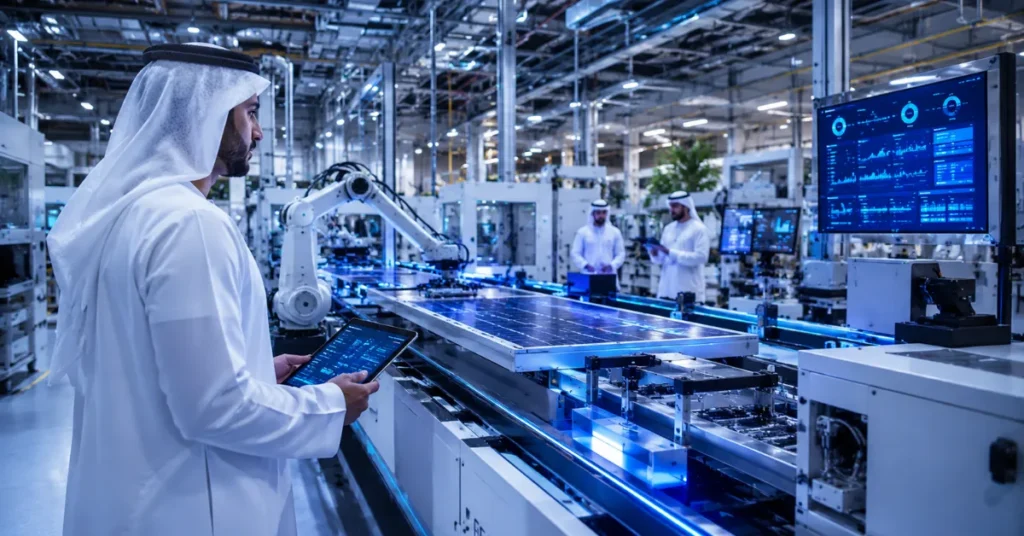
The cost of obtaining a manufacturing license depends on several factors, including the nature of the industrial activity, business location, production scale, and regulatory approvals required. Since every manufacturing project is different, businesses should prepare a budget that covers both licensing expenses and operational setup costs.
Common cost factors include:
- Government licensing and registration fees
- Trade name reservation fees
- Initial approval charges
- Factory or industrial land lease costs
- Warehouse rental expenses
- Municipality approval fees
- Environmental assessment costs
- Fire and safety compliance costs
- Machinery purchase and installation
- Utility connection charges
- Employee visa and work permit expenses
- Insurance costs
- Professional consulting or legal service fees
- Ongoing regulatory compliance and license renewal fees
Before starting a manufacturing business, it is advisable to prepare a comprehensive financial plan that accounts for both one-time setup costs and recurring operational expenses. A well-planned budget helps businesses avoid unexpected costs and supports a smoother licensing and business setup process.
Mainland vs Free Zone Manufacturing License
Choosing between a mainland and a free zone manufacturing license depends on your target market, operational requirements, and long-term business goals.
| Feature | Mainland Manufacturing License | Free Zone Manufacturing License |
|---|---|---|
| Business Location | Anywhere on the UAE mainland | Within the selected free zone |
| Primary Market | UAE local market and international markets | Primarily international markets, with local market access subject to applicable regulations |
| Industrial Facilities | Industrial land, factories, and warehouses | Free zone factories, warehouses, and industrial units |
| Import & Export | Supports domestic and international trade | Streamlined import and export procedures within the free zone |
| Government Authority | Relevant mainland licensing authority | Respective free zone authority |
| Industrial Activities | Wide range of approved manufacturing activities | Activities approved by the specific free zone |
| Infrastructure | Access to nationwide industrial infrastructure | Modern industrial parks and logistics facilities |
| Expansion | Greater flexibility for local market expansion | Expansion within the free zone ecosystem or through additional approvals |
| Best For | Businesses targeting the UAE market and large-scale manufacturing | Export-oriented manufacturers and international businesses |
Evaluate your production requirements, supply chain, customer base, and future expansion plans before selecting the most suitable licensing option.
Government Authorities Involved in Industrial Licensing
Several government authorities regulate manufacturing businesses to ensure compliance with legal, environmental, and operational standards.
Ministry of Industry and Advanced Technology (MoIAT)
- Supports industrial development initiatives.
- Promotes advanced manufacturing and innovation.
- Oversees industrial policies and related regulatory frameworks.
Department of Economy and Tourism (DET) or Relevant Economic Department
- Registers business activities.
- Issues mainland business licenses.
- Regulates commercial and industrial business operations.
Municipality
- Approves factory locations.
- Reviews building compliance.
- Conducts inspections related to zoning, sanitation, and infrastructure.
Civil Defense
- Verifies fire protection systems.
- Reviews emergency response measures.
- Conducts workplace safety inspections.
Environmental Authorities
- Review environmental impact where required.
- Assess waste management practices.
- Ensure compliance with environmental regulations.
Customs Authorities
- Facilitate import and export procedures.
- Regulate customs requirements for raw materials and finished products.
Free Zone Authorities
For businesses operating in free zones, the relevant authority manages:
- Company registration
- Industrial licensing
- Facility leasing
- Business support services
- Regulatory compliance within the free zone
Common Challenges During Manufacturing License Approval
Manufacturing businesses may encounter several challenges during the licensing process. Preparing in advance can help minimize delays.
Incorrect Business Activity Selection
Choosing an activity that does not accurately reflect manufacturing operations may result in application revisions or additional approvals.
Solution: Verify the approved industrial activity before submitting the application.
Incomplete Documentation
Missing or inaccurate documents frequently delay license processing.
Solution: Prepare a complete document checklist and review all submissions carefully.
Environmental Compliance
Certain manufacturing activities require environmental assessments before approval.
Solution: Identify environmental requirements early and complete all necessary studies.
Factory Zoning Issues
Operating from a location that is not approved for industrial use can delay licensing.
Solution: Select premises located within approved industrial zones.
Delays in Government Inspections
Inspections may take additional time if facilities are not fully prepared.
Solution: Complete factory setup and safety measures before scheduling inspections.
Machinery Approval Requirements
Specialized manufacturing equipment may require technical review.
Solution: Maintain complete machinery specifications and installation records.
Utility Connections
Production facilities often require adequate electricity, water, gas, or other utility services before operations begin.
Solution: Coordinate utility installation well in advance of production.
Ongoing Regulatory Compliance
Manufacturers must continue complying with licensing conditions after operations begin.
Solution: Maintain accurate records and regularly review compliance obligations.
Tips for Faster Manufacturing License Approval
The following best practices can help streamline the licensing process:
- Select the correct manufacturing activity from the beginning.
- Choose a factory location that complies with industrial zoning requirements.
- Prepare all required documents before submitting the application.
- Ensure factory layouts meet operational and safety standards.
- Complete environmental and municipal requirements early.
- Install machinery according to approved plans.
- Keep shareholder and company documents updated.
- Respond promptly to requests from licensing authorities.
- Schedule inspections only after the facility is fully prepared.
- Work with experienced business setup professionals to reduce administrative delays.
Future of Manufacturing & Industrial Growth in UAE
The UAE continues to strengthen its position as a regional manufacturing hub through investment in technology, infrastructure, and industrial innovation. Government initiatives encourage businesses to adopt modern production methods while improving operational efficiency and sustainability.
Key trends shaping the manufacturing sector include:
- Smart factories using connected technologies.
- Industry 4.0 adoption across production facilities.
- Artificial intelligence for predictive maintenance and quality control.
- Robotics to improve productivity and precision.
- Automation of manufacturing processes.
- Sustainable production and energy-efficient operations.
- Green manufacturing initiatives that reduce environmental impact.
- Digital compliance and electronic regulatory services.
- Expansion of advanced manufacturing industries.
- Increased foreign investment in industrial projects.
Businesses that invest in innovation and regulatory compliance are well positioned to benefit from the UAE’s long-term industrial development strategy.
FAQ
What is an industrial license?
An industrial license authorizes a business to manufacture, process, assemble, package, or transform products while complying with applicable regulatory requirements.
Who needs a manufacturing license?
Any business involved in manufacturing or industrial production activities typically requires an industrial license before commencing operations.
Can foreign investors establish a manufacturing company in the UAE?
Yes. Foreign investors can establish manufacturing businesses in the UAE, subject to the applicable legal and regulatory framework for their chosen jurisdiction and business activity.
How long does the manufacturing licensing process take?
The timeline depends on the business activity, documentation, required approvals, inspections, and the licensing authority involved.
Which approvals are commonly required?
Depending on the activity, businesses may require approvals from economic departments, municipalities, environmental authorities, Civil Defense, customs authorities, or free zone authorities.
Can manufacturing businesses operate in free zones?
Yes. Many UAE free zones provide dedicated facilities and infrastructure for manufacturing and industrial businesses.
Is environmental approval required?
Environmental approval may be required for manufacturing activities that have environmental implications or generate industrial waste.
Can manufacturing companies expand their activities later?
Yes. Businesses can apply to add or modify manufacturing activities, subject to approval from the relevant licensing authority.
What factors affect manufacturing license costs?
Costs depend on licensing fees, facility requirements, industrial land or warehouse expenses, approvals, machinery, visas, utilities, and other operational requirements.
Why Choose Ripple Business Setup for Manufacturing & Industrial Licensing
Setting up a manufacturing business involves multiple approvals, regulatory requirements, and documentation. Ripple Business Setup provides comprehensive guidance throughout the licensing process to help businesses establish manufacturing operations efficiently and in compliance with UAE regulations.
Our services include:
- Manufacturing business setup consultation
- Assistance in selecting the appropriate industrial activity
- Mainland and free zone company formation
- Trade name registration and initial approvals
- Coordination with relevant government authorities
- Documentation preparation and submission
- Support for visa processing and business banking
- Ongoing compliance and business advisory services
Whether you are establishing a new factory or expanding an existing manufacturing operation, our experienced team can help simplify the licensing process.
Contact Ripple Business Setup
- Website: https://ripplellc.ae/
- Phone: +971 50 593 8101
- WhatsApp: +971 4 250 0833
- Email: info@ripplellc.ae
Conclusion
Manufacturing and industrial licensing is a fundamental requirement for businesses involved in production, processing, and industrial operations in the UAE. Obtaining the appropriate license ensures legal compliance, supports operational efficiency, and provides access to industrial infrastructure and business opportunities.
Disclaimer: This article is for general informational purposes only and does not constitute legal, financial, or business advice. Licensing requirements, regulations, fees, and approval procedures may change over time and vary based on business activity and jurisdiction. Always consult the relevant UAE authorities or a qualified business setup consultant before making business decisions.