
The UAE is one of the largest food import and re-export hubs in the Middle East. Due to its growing population, tourism industry, and expanding retail sector, the demand for imported food products continues to increase every year. Entrepreneurs looking to import packaged foods, frozen products, beverages, spices, grains, or organic products must obtain a Foodstuff Trading License to operate legally in the UAE.
A Foodstuff Trading License allows businesses to import, export, distribute, and sell approved food products across the UAE market. The license is commonly issued by mainland authorities such as the Dubai Department of Economy and Tourism (DET) and Abu Dhabi Department of Economic Development (ADDED), as well as several UAE free zones.
Why Start a Food Import Business in UAE?
The UAE offers excellent opportunities for food import businesses because the country relies heavily on imported food products. Dubai and Abu Dhabi have become major international trade centers with advanced ports, airports, and logistics facilities that support global trade operations.
The country’s strategic location between Asia, Europe, and Africa allows businesses to access regional and international markets efficiently. Import businesses also benefit from modern warehousing facilities, tax-friendly policies, and strong consumer demand for international food brands.
Dubai’s Jebel Ali Port and UAE free zones make import and re-export operations easier by offering customs support, storage facilities, and smooth logistics services. The UAE hospitality industry, including hotels, restaurants, and catering businesses, also creates continuous demand for imported food items.
Types of Food Products Allowed Under a Foodstuff Trading License
A Foodstuff Trading License covers a wide range of food categories depending on the selected business activities and approvals from food safety authorities.
Common products include:
- Packaged foods
- Frozen food products
- Dairy items
- Beverages and soft drinks
- Organic food products
- Rice and grains
- Spices and dry foods
- Cooking oils
- Confectionery products
- Canned food items
Some food categories may require additional approvals, especially products involving frozen storage, dairy products, meat items, or health-related food supplements.
Mainland vs Free Zone Foodstuff Trading License
Entrepreneurs can choose between mainland and free zone company formation depending on their business goals and target markets.
A mainland Foodstuff Trading License allows companies to trade directly within the UAE market without restrictions. This setup is suitable for businesses planning to supply supermarkets, restaurants, grocery stores, and retail chains across the UAE. Mainland companies also have broader expansion opportunities and operational flexibility.
A free zone Foodstuff Trading License is often preferred by investors focused on import, export, and re-export activities. Free zones provide benefits such as 100% foreign ownership, customs advantages, and lower startup costs in some jurisdictions. Many UAE free zones also offer warehousing and logistics support for food import businesses.
Businesses should compare market access, office requirements, visa eligibility, and operational flexibility before selecting the right jurisdiction.
Step-by-Step Process to Get a Foodstuff Trading License in UAE
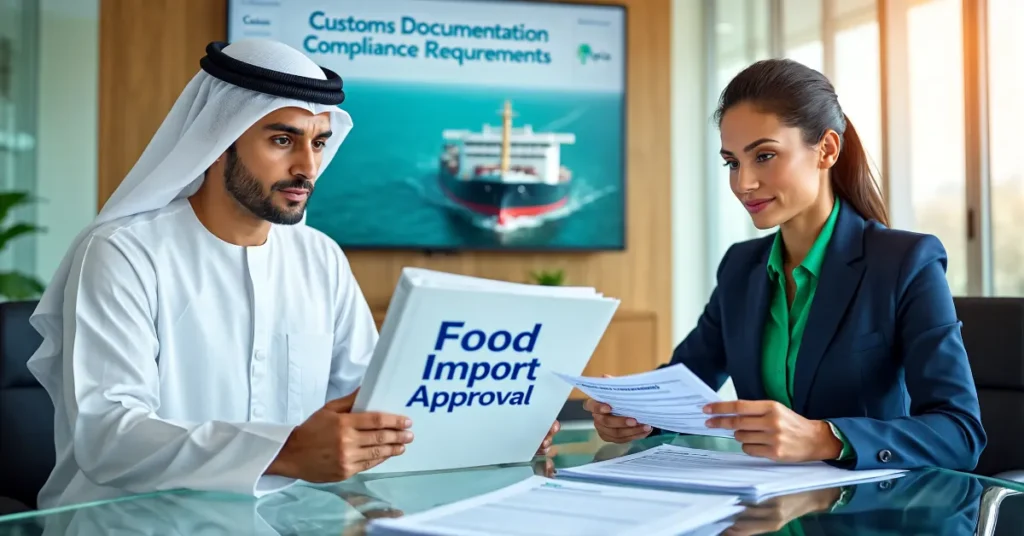
The process of obtaining a Foodstuff Trading License in the UAE is relatively straightforward when documents and approvals are properly prepared.
The first step is selecting the business jurisdiction, either mainland or free zone. After choosing the jurisdiction, businesses must select the correct food trading activities because activity selection affects approvals and import permissions.
The next step involves reserving a trade name that complies with UAE naming regulations. Once approved, the business can apply for initial approval from the licensing authority.
Food import companies may also need office space, storage units, or warehouses depending on their operational requirements. Businesses handling frozen or temperature-sensitive products often require cold storage facilities.
Food safety approvals from municipalities and food control departments are also necessary before license issuance. Authorities review hygiene standards, storage conditions, and operational compliance.
Applicants then submit final incorporation documents, including passport copies, visa documents, lease agreements, and business registration forms. Once approvals and fee payments are completed, the authority issues the Foodstuff Trading License.
Documents Required for Foodstuff Trading License
Businesses generally require the following documents during the setup process:
- Passport copies of shareholders
- UAE visa copy or entry stamp
- Passport-size photographs
- Trade name reservation certificate
- Initial approval certificate
- Memorandum of Association (if required)
- Office tenancy contract or Ejari
- Food safety approval documents
Document requirements may vary depending on the emirate and business jurisdiction.
Food Safety and Import Regulations in UAE
The UAE follows strict food safety standards to ensure imported products meet health and quality requirements. Food trading companies must comply with regulations issued by authorities such as Dubai Municipality, ADAFSA, and the Ministry of Climate Change and Environment.
Imported food products must follow Arabic labeling requirements, ingredient disclosure rules, shelf-life standards, and packaging regulations. Businesses also need product registration approvals before certain products can enter the UAE market.
For example, frozen food importers must maintain approved temperature levels during transportation and storage. Similarly, packaged food products must display clear Arabic labels containing ingredients, expiry dates, and nutritional information.
Businesses that fail to comply with food safety regulations may face fines, shipment delays, or customs clearance issues.
Cost of Getting a Foodstuff Trading License in UAE
The cost of obtaining a Foodstuff Trading License depends on factors such as business location, office size, visa requirements, warehouse facilities, and municipality approvals.
Typical setup expenses include:
- Trade license fees
- Trade name registration
- Office or warehouse rent
- Import code registration
- Municipality approvals
- Visa expenses
In most cases, the estimated cost ranges between AED 12,000 and AED 35,000 or more depending on the business structure and operational requirements.
Businesses requiring refrigerated storage and cold-chain logistics may face additional setup costs.
Best Free Zones for Food Import Businesses in UAE

Several UAE free zones are popular among food importers because of their logistics support and warehousing facilities.
JAFZA is one of the leading options for large-scale import and re-export operations due to its direct access to Jebel Ali Port. Dubai South offers strong logistics connectivity through Al Maktoum International Airport and modern warehouse facilities.
Sharjah Airport International Free Zone (SAIF Zone) is known for cost-effective import-export support, while Ajman Free Zone provides affordable business setup packages suitable for startups and SMEs. RAKEZ also offers flexible warehousing solutions for growing trading businesses.
Challenges Food Import Businesses May Face
Food import businesses in the UAE may face several operational and compliance-related challenges. Strict food safety regulations, customs clearance delays, and product registration requirements can sometimes slow operations. Temperature-sensitive logistics also create challenges for frozen and perishable products. In addition, businesses must manage strong market competition and maintain reliable supply chains to succeed in the industry.
Companies that invest in proper compliance management, experienced logistics partners, and accurate documentation processes usually reduce operational risks significantly.
Tips to Successfully Run a Foodstuff Trading Business in UAE
Businesses entering the UAE food trading market should focus on quality, compliance, and reliable supplier relationships.
Useful strategies include:
- Working with approved international suppliers
- Ensuring proper Arabic product labeling
- Using reliable cold-chain logistics services
- Monitoring UAE food safety regulations regularly
- Building partnerships with supermarkets and restaurants
- Focusing on high-demand imported food categories
Consistent product quality and timely distribution help businesses build long-term customer trust and market reputation.
Who Should Apply for a Foodstuff Trading License?
This license is suitable for:
- Food importers
- Wholesale distributors
- Grocery suppliers
- Restaurant suppliers
- Supermarket vendors
- Frozen food businesses
- Organic food traders
Entrepreneurs looking to enter the UAE food supply and distribution sector can benefit significantly from this business activity.
Why Work with Business Setup Consultants in UAE?
Business setup consultants help investors complete licensing procedures, approvals, documentation, and compliance requirements more efficiently. This is especially useful for foreign investors and first-time entrepreneurs unfamiliar with UAE business regulations. Consultants can assist with trade license approvals, food authority permissions, trade name registration, office setup, visa processing, and import documentation support.
Professional guidance often helps businesses avoid delays and complete the setup process smoothly.
Why Choose Ripple Business Setup for Foodstuff Trading License in UAE?
Starting a food import business in the UAE involves multiple approvals, documentation requirements, and food safety compliance procedures. Ripple Business Setup helps entrepreneurs simplify the company formation process by providing support with mainland and free zone company registration, trade license approvals, visa processing, food authority permissions, and business documentation services.
Their team assists businesses in selecting the right jurisdiction, handling licensing formalities, and ensuring compliance with UAE business regulations. This can help investors save time and avoid delays during the setup process.
For assistance with your Foodstuff Trading License UAE setup, contact Ripple Business Setup at +971 50 593 8101, email info@ripplellc.ae, or WhatsApp +971 4 250 0833. Their consultants provide guidance for mainland, free zone, and import-export business setup solutions across the UAE
Conclusion
The UAE offers strong opportunities for food import and distribution businesses due to its strategic trade location, growing retail sector, and world-class logistics infrastructure. A Foodstuff Trading License allows businesses to legally import, distribute, export, and sell approved food products across the UAE market.
Disclaimer: The information provided in this article is for general informational purposes only and may change based on UAE government regulations, municipality requirements, and free zone policies. Businesses should verify the latest licensing rules and food import regulations with the relevant UAE authorities before starting operations.