
The UAE has become a major hub for fuel distribution, petroleum trading, and industrial logistics. Businesses involved in diesel supply, fuel transportation, commercial fuel storage, and petroleum distribution must obtain a valid Fuel Supply License to operate legally in the country.
What Is a Fuel Supply License in the UAE?
A Fuel Supply License is a commercial license that permits businesses to transport, store, distribute, and trade fuel products within the UAE. The license covers activities related to diesel distribution, petrol wholesale, industrial fuel supply, tanker transportation, and commercial fuel storage.
Businesses that usually require this license include:
- Fuel distribution companies
- Diesel supply businesses
- Petrol transportation companies
- Marine fuel suppliers
- Industrial fuel providers
- Fleet fueling companies
- Construction fuel supply firms
Companies can establish their fuel supply business either in the UAE mainland or selected free zones, depending on their operational requirements and target market.
Why the UAE Is a Strong Market for Fuel Supply Businesses
The UAE offers strong opportunities for fuel supply businesses because of its expanding industrial and commercial sectors. Infrastructure development, transportation growth, logistics operations, and construction projects continue to increase the demand for fuel distribution services.
Dubai and Abu Dhabi serve as major trade and logistics hubs, creating high demand for commercial fuel suppliers. Businesses operating fleets, generators, heavy machinery, and industrial equipment rely on continuous fuel supply to maintain operations.
The UAE’s strategic location also supports fuel import, export, and distribution across GCC markets. Advanced ports, highways, and logistics infrastructure make fuel transportation more efficient for commercial suppliers.
Activities Allowed Under a Fuel Supply License
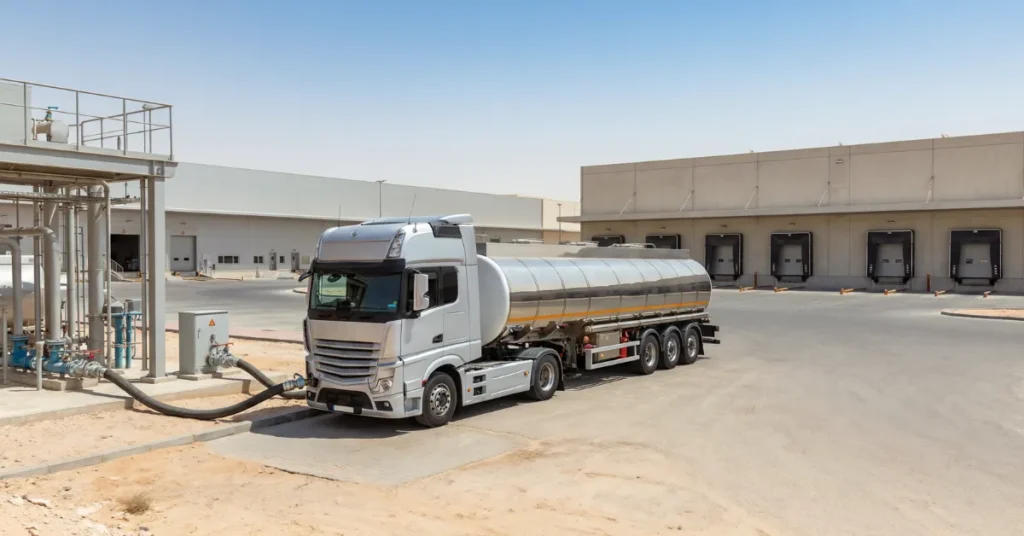
A Fuel Supply License can include several fuel-related business activities based on regulatory approvals.
Common approved activities include:
- Diesel supply services
- Petrol wholesale trading
- Lubricant distribution
- Industrial fuel supply
- Bulk fuel delivery
- Fuel tanker transportation
- Fleet refueling services
- Emergency fuel delivery
- Marine fuel supply
- Generator fuel supply
Businesses handling petroleum products must comply with UAE environmental and hazardous material regulations before starting operations.
Key Requirements to Get a Fuel Supply License in UAE
Starting a fuel supply business requires multiple approvals and compliance procedures. Authorities closely regulate fuel-related activities because of safety and environmental concerns.
The main requirements usually include:
- Trade name registration
- Business activity approval
- Office and warehouse setup
- Civil Defense approval
- Municipality approval
- Environmental clearance
- Fuel transportation approvals
- Tanker vehicle compliance
Businesses involved in fuel storage must also secure approved warehouse facilities that meet UAE fire safety and hazard management standards.
Fuel transportation companies must ensure that tanker vehicles comply with transportation and hazardous material handling regulations.
Documents Required for Fuel Supply License UAE
Businesses must submit several commercial and regulatory documents during the licensing process.
Commonly required documents include:
- Passport copies of shareholders
- Visa copies
- Emirates ID copies
- Trade name reservation certificate
- Initial approval certificate
- Office tenancy contract
- Warehouse lease agreement
- Environmental approvals
- Safety compliance certificates
- Tanker registration documents
Corporate investors may also need to provide board resolutions, Memorandum of Association documents, and parent company records.
Cost of Fuel Supply License in UAE
The cost of obtaining a Fuel Supply License depends on business activities, warehouse requirements, transportation operations, and regulatory approvals.
Major cost factors include:
- Trade license fees
- Government approval charges
- Warehouse rental costs
- Office setup expenses
- Fuel tanker permits
- Safety compliance costs
- Insurance expenses
Small-scale fuel supply businesses may require a lower investment, while large commercial fuel distribution operations with tanker fleets and storage facilities usually involve higher setup costs.
Step-by-Step Process to Start a Fuel Supply Business in UAE
The setup process usually involves several stages.
Step 1: Finalize Business Activity
Choose the correct fuel supply or petroleum trading activity.
Step 2: Register Trade Name
Reserve the company’s trade name with the relevant authority.
Step 3: Obtain Initial Approval
Secure preliminary approval for the business setup.
Step 4: Lease Office and Warehouse
Arrange approved office space and fuel storage facilities.
Step 5: Apply for External Approvals
Submit applications for Civil Defense, municipality, and environmental approvals.
Step 6: Submit Final License Application
Complete the licensing process with all required documents.
Step 7: Receive Fuel Supply License
Obtain the commercial fuel supply license after approval.
Step 8: Open Corporate Bank Account
Open a UAE business bank account for company operations.
Compliance and Safety Regulations for Fuel Businesses
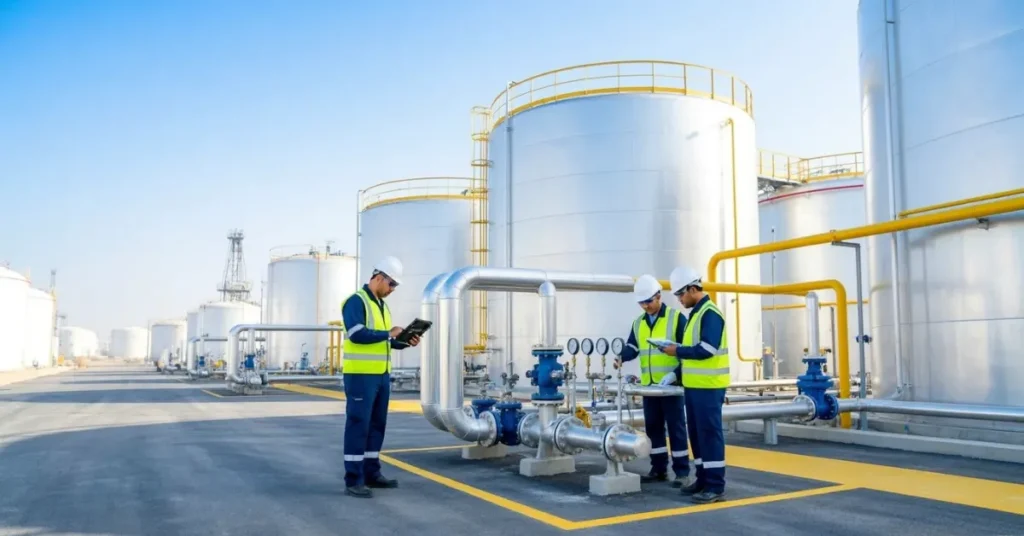
Fuel supply companies in the UAE must follow strict operational and safety regulations.
Businesses must comply with:
- Fire safety requirements
- Hazardous material handling standards
- Environmental protection regulations
- Fuel transportation laws
- Waste management procedures
- Tanker inspection requirements
Employee safety is also important for fuel operations. Companies should provide proper safety training, protective equipment, and emergency response systems for staff involved in fuel handling and transportation.
Benefits of Starting a Fuel Supply Business in UAE
The UAE fuel supply sector offers long-term commercial opportunities because of continuous industrial demand and infrastructure growth.
Major benefits include:
- High demand across commercial industries
- Long-term fuel supply contracts
- Strong revenue potential
- Growing logistics and transport sectors
- Expansion opportunities across GCC countries
- Recurring B2B business opportunities
Businesses that establish strong operational systems and compliance procedures can build stable commercial partnerships across multiple industries.
Challenges Fuel Supply Businesses May Face
Fuel supply companies also face operational and regulatory challenges that require careful planning.
Common challenges include:
- Strict compliance requirements
- High initial investment costs
- Safety and transportation risks
- Fuel price fluctuations
- Environmental regulations
- Warehouse approval delays
Businesses can reduce operational risks by investing in safety systems, maintaining insurance coverage, and working with experienced compliance consultants.
Best Locations for Fuel Supply Businesses in UAE
Several UAE locations offer strong opportunities for fuel supply operations.
Dubai
Dubai provides excellent logistics infrastructure and commercial demand for fuel distribution businesses.
Abu Dhabi
Abu Dhabi offers direct access to the UAE oil and gas sector and industrial markets.
Sharjah
Sharjah provides cost-effective industrial zones suitable for fuel storage and transportation operations.
Jebel Ali Free Zone
JAFZA supports fuel import, export, and international distribution businesses through advanced port connectivity.
Industrial zones near ports and logistics hubs are often preferred for fuel storage and bulk distribution operations.
Fuel Supply License vs General Trading License
A Fuel Supply License specifically covers fuel distribution, petroleum transportation, diesel trading, and commercial fuel storage activities. A General Trading License usually does not allow regulated petroleum operations unless additional approvals are secured.
Businesses involved in fuel transportation or storage should obtain a specialized Fuel Supply License to avoid compliance and operational issues.
Common Mistakes to Avoid
Businesses applying for a Fuel Supply License should avoid common setup mistakes such as:
- Choosing the wrong business activity
- Ignoring safety approvals
- Delaying environmental permits
- Underestimating warehouse requirements
- Failing to meet tanker compliance standards
Careful planning and proper documentation can help businesses avoid licensing delays and operational penalties.
Ripple Business Setup in UAE for Fuel Supply License Assistance
Ripple Business Setup provides complete support for entrepreneurs and companies planning to obtain a Fuel Supply License in the UAE. From business activity selection and trade name registration to external approvals, documentation, and license issuance, the team assists in every step of the setup process. Their guidance helps businesses meet UAE regulatory requirements smoothly while reducing delays in approvals for fuel trading, distribution, and commercial fuel supply operations. For professional assistance, contact Ripple Business Setup at +971 50 593 8101, email info@ripplellc.ae, or WhatsApp +971 4 250 0833.
Conclusion
The UAE offers strong opportunities for commercial fuel supply businesses because of growing industrial demand, logistics expansion, and infrastructure development. However, fuel-related operations require strict compliance with safety, transportation, and environmental regulations.
Disclaimer: This article is for general informational purposes only. Licensing requirements, approvals, and regulations may change based on UAE government policies and authority updates. Businesses should consult official authorities or qualified business setup professionals before making operational or investment decisions.