The UAE is moving towards a more digital tax and compliance environment, making electronic invoicing a key focus for businesses. Finance teams must understand the required invoice data fields and prepare their systems for future e-invoicing requirements. Accurate invoice information supports VAT compliance, improves reporting, reduces manual errors, and helps businesses maintain consistent financial records.
Unlike traditional PDF invoices, electronic invoices use structured data that can be processed automatically by accounting systems, ERP platforms, and tax authorities. This shift places greater importance on invoice data quality and standardisation.
What Are Mandatory UAE Electronic Invoice Data Fields?
Mandatory UAE electronic invoice fields are the essential data elements that must be included within an electronic invoice to ensure accuracy, compliance, and successful processing. These fields provide the information needed to identify suppliers, customers, transactions, taxes, and payment details.
Electronic invoice data differs from information contained in a standard PDF invoice. A structured electronic invoice allows accounting systems to read, validate, and process invoice data automatically without manual entry.
Mandatory invoice fields help businesses:
- Maintain consistent financial records
- Support VAT reporting requirements
- Reduce invoice processing errors
- Improve audit readiness
- Enhance invoice automation
- Enable accurate tax calculations
As electronic invoicing develops across the UAE, businesses should focus on maintaining complete and accurate invoice data within their accounting and ERP systems.
Why UAE Businesses Must Prepare for Electronic Invoice Compliance
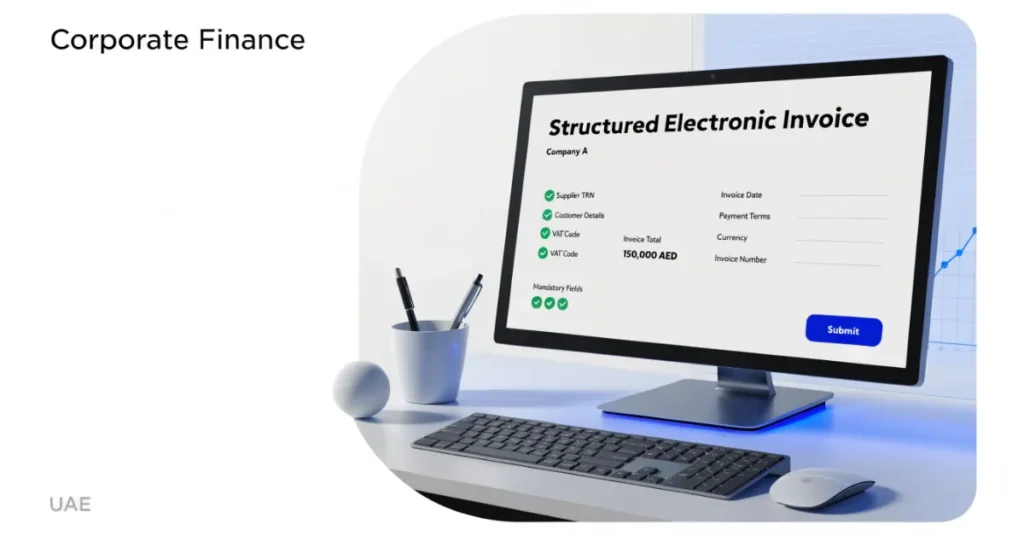
Electronic invoicing is becoming an important part of finance digital transformation. Businesses that prepare their invoice data and financial systems early can avoid future operational disruptions and compliance challenges.
Key reasons for preparation include:
Improved Compliance Management
Accurate invoice data helps businesses maintain VAT compliance and reduce the risk of reporting errors.
Faster Invoice Processing
Structured invoice information allows finance systems to process invoices more efficiently, reducing manual workload.
Better Financial Visibility
Consistent invoice data improves reporting, reconciliation, and financial analysis.
Reduced Data Errors
Automated validation can identify missing or incorrect information before invoices are issued.
Enhanced Audit Readiness
Well-maintained invoice records support internal reviews and external audits.
Increased Operational Efficiency
Standardised invoice processes help finance teams focus on higher-value activities instead of manual corrections.
Complete List of Mandatory UAE Electronic Invoice Fields
Finance teams should ensure the following invoice data fields are properly maintained and validated within their accounting systems.
Supplier Information
The supplier section identifies the business issuing the invoice.
Mandatory fields typically include:
- Legal business name
- Trade name (if applicable)
- Tax Registration Number (TRN)
- Registered business address
- Contact information
- Company identification details
- Business registration information where required
Accurate supplier data helps ensure invoice authenticity and supports compliance verification.
Customer Information
Customer details identify the recipient of the invoice.
Important invoice data includes:
- Customer name
- Customer business name (for B2B transactions)
- Customer TRN where applicable
- Billing address
- Delivery address
- Customer reference number
- Contact information
Maintaining accurate customer records reduces invoice rejection risks and improves transaction traceability.
Invoice Identification Fields
Each invoice must contain unique identification details that distinguish it from other transactions.
Required fields generally include:
- Unique invoice number
- Invoice issue date
- Invoice issue time where applicable
- Invoice type
- Invoice status
- Currency code
- Purchase order reference
- Contract reference number
- Related transaction reference
Unique invoice identification supports audit trails and prevents duplicate invoicing issues.
Goods and Services Details
This section records the products or services provided to the customer.
Important fields include:
- Product description
- Service description
- Item code or SKU
- Quantity supplied
- Unit of measurement
- Unit price
- Discount amount
- Line item value
- Net amount
Detailed transaction information improves invoice transparency and supports accurate tax calculations.
VAT Information
VAT data is one of the most important areas of finance compliance.
Required VAT-related fields may include:
- VAT rate
- VAT category
- Taxable amount
- VAT amount
- Zero-rated supply indication
- Exempt supply indication
- Reverse charge information where applicable
- Tax treatment classification
Accurate VAT information helps businesses maintain compliance with UAE tax requirements and supports proper reporting.
Payment Details
Payment information helps customers understand settlement requirements.
Key fields include:
- Payment terms
- Due date
- Payment method
- Bank account information where applicable
- Payment reference number
- Credit terms
Clear payment details can help reduce payment delays and improve cash flow management.
Invoice Totals
The invoice summary section provides a complete financial overview of the transaction.
Important total fields include:
- Subtotal amount
- Total taxable amount
- Total VAT amount
- Total invoice value
- Currency used
- Discounts applied
- Adjustments or rounding differences
- Final payable amount
Finance teams should ensure all totals reconcile accurately with line-item calculations and VAT information.
Additional Data Fields Businesses Should Capture
While mandatory invoice fields support compliance, finance teams should also maintain additional business data to improve reporting, automation, reconciliation, and internal financial management.
Recommended additional invoice data includes:
- Internal customer ID
- Supplier code
- Cost centre
- Department code
- Project or job number
- Delivery note reference
- Shipment or logistics reference
- Asset or equipment number
- Expense category
- Approval workflow ID
- Sales representative ID
- Branch or business unit code
- Contract reference number
- Inventory location
- Internal accounting notes (where appropriate)
Capturing these fields helps businesses automate workflows, improve financial reporting, simplify reconciliations, and strengthen audit trails without affecting customer-facing invoice information.
Common Invoice Data Errors That Cause Compliance Issues
Even small mistakes in invoice data can lead to processing delays, reconciliation issues, and additional administrative work. Finance teams should regularly review invoice accuracy before invoices are issued.
Common errors include:
- Missing Tax Registration Number (TRN)
- Duplicate invoice numbers
- Incorrect VAT calculations
- Invalid customer information
- Missing taxable amount
- Incorrect invoice dates
- Wrong currency selection
- Missing mandatory invoice fields
- Incorrect product or service descriptions
- Invalid VAT treatment
- Data entry mistakes
- Incorrect invoice totals
- Missing purchase order references where required
- Incorrect supplier details
Implementing automated validation within accounting or ERP systems can significantly reduce these errors and improve overall finance compliance.
How Finance Teams Can Prepare Before UAE E-Invoicing Goes Live
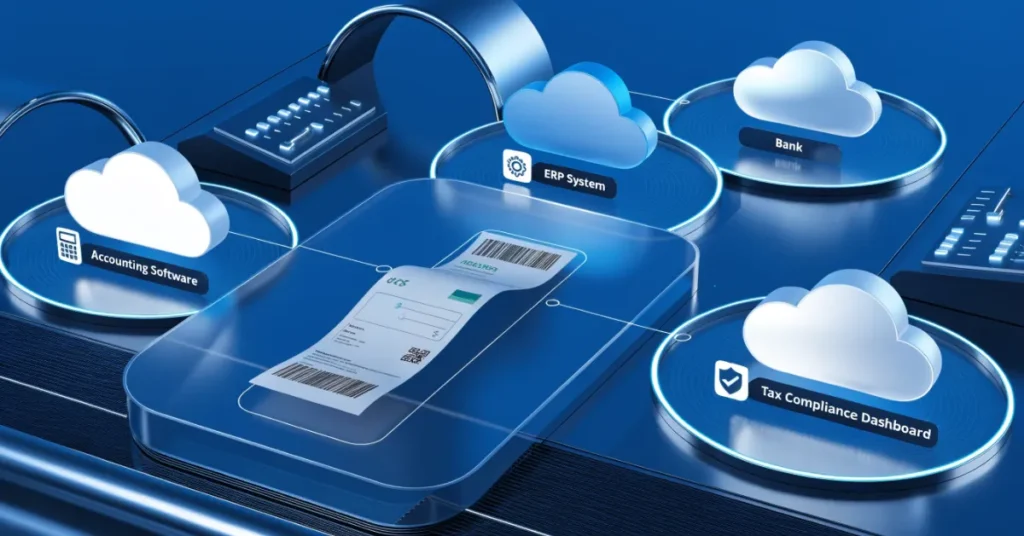
Preparing early allows businesses to minimise disruption and improve operational readiness when electronic invoicing requirements expand.
1. Review Existing Invoice Templates
Check current invoice formats and identify missing or inconsistent data fields. Standardise templates across all departments.
2. Audit Customer and Supplier Master Data
Verify that customer and supplier records contain complete and accurate information, including legal names, addresses, and tax details.
3. Assess ERP and Accounting Systems
Confirm that existing finance software can capture structured invoice data and support future electronic invoicing requirements.
4. Standardise Invoice Data
Use consistent naming conventions, coding structures, and data formats across all finance systems.
5. Verify VAT Configuration
Review VAT rates, tax categories, and tax treatment rules to ensure invoices are generated accurately.
6. Improve Data Governance
Assign responsibility for maintaining customer, supplier, and invoice master data to reduce inconsistencies.
7. Train Finance Teams
Ensure employees understand invoice data requirements, internal controls, and validation procedures.
8. Automate Invoice Validation
Use built-in system validation to identify missing information before invoices are issued.
9. Test Business Processes
Conduct internal testing to verify invoice generation, approval workflows, and accounting integration.
10. Monitor Regulatory Updates
Regularly review announcements relating to UAE electronic invoicing and update internal processes when necessary.
Technology Checklist for Electronic Invoice Readiness
Finance teams should evaluate whether their technology infrastructure supports accurate invoice generation and data management.
System Readiness Checklist
- ERP software supports structured invoice data
- Accounting software is regularly updated
- Customer and supplier master data is complete
- VAT settings are correctly configured
- Invoice numbering is automated
- Digital approval workflows are in place
- API integration is available where required
- Invoice validation rules are enabled
- Secure electronic document storage is implemented
- Audit trails are maintained
- User access controls are configured
- Data backup procedures are tested
- Cybersecurity measures protect financial records
- Reporting dashboards monitor invoice quality
A technology readiness review helps finance teams identify gaps before electronic invoicing requirements become operational.
Benefits of Accurate Invoice Data for UAE Businesses
Maintaining high-quality invoice data provides benefits beyond regulatory compliance. Accurate information supports better financial management and improves operational efficiency.
Key benefits include:
- Faster invoice processing
- Improved VAT compliance
- Reduced manual corrections
- Better financial reporting
- Stronger audit readiness
- Fewer invoice disputes
- Improved reconciliation accuracy
- Better cash flow visibility
- Increased automation opportunities
- Higher data quality across finance systems
- More efficient month-end closing
- Improved supplier and customer relationships
- Reduced operational costs
- Better decision-making through reliable financial data
Businesses that prioritise invoice data quality are better positioned to support digital finance operations, maintain compliance, and improve long-term financial performance.
Industries That Should Prioritise Invoice Data Readiness
Every VAT-registered business should prepare for electronic invoicing, but some industries handle higher invoice volumes and more complex transactions, making invoice data quality especially important.
Retail
Retail businesses process large numbers of invoices daily. Accurate product information, VAT rates, and customer details help improve transaction accuracy and inventory reporting.
Manufacturing
Manufacturers should maintain complete records of raw materials, finished goods, purchase orders, and supplier invoices to support production and financial reporting.
Construction
Construction companies often manage milestone billing, subcontractor invoices, and project-based costs. Consistent invoice data helps improve project accounting and VAT reporting.
Healthcare
Healthcare providers should ensure accurate billing information, patient-related references where applicable, and correct VAT treatment for taxable and exempt supplies.
Hospitality
Hotels, restaurants, and tourism businesses process frequent customer transactions. Standardised invoice data improves operational efficiency and financial reporting.
Logistics and Transport
Logistics companies should maintain accurate shipment references, delivery information, and transport-related charges to support invoice reconciliation.
E-commerce
Online businesses rely on automated invoicing systems. Clean customer data, payment references, and product details help reduce processing errors.
Professional Services
Consultants, legal firms, engineering companies, and marketing agencies should ensure service descriptions, contract references, and billing information remain accurate.
Wholesale and Distribution
Wholesale businesses benefit from accurate invoice numbering, inventory references, customer records, and VAT calculations across high-value transactions.
Real Estate
Property businesses should maintain accurate lease references, property identifiers, customer details, and applicable tax information for financial reporting.
Best Practices for Maintaining High-Quality Invoice Data
Maintaining accurate invoice information should be part of every organisation’s financial control process.
Follow these best practices:
- Standardise invoice formats across the business.
- Validate invoice data before issuing invoices.
- Keep customer and supplier master records updated.
- Use consistent invoice numbering.
- Automate VAT calculations where possible.
- Review invoice templates regularly.
- Perform routine data quality checks.
- Reconcile invoices with purchase orders and delivery records.
- Enable approval workflows before invoice issuance.
- Restrict unauthorised changes to financial data.
- Store electronic invoices securely.
- Maintain complete audit trails.
- Train finance teams on invoice data standards.
- Update accounting and ERP systems regularly.
- Monitor regulatory developments affecting electronic invoicing.
Following these practices helps reduce errors, strengthen internal controls, and improve finance compliance.
Why Choose Ripple Business Setup for UAE Business Services?
Starting and managing a business in the UAE involves more than obtaining a trade licence. Businesses must also meet ongoing regulatory, accounting, tax, and compliance requirements. Ripple Business Setup provides end-to-end business solutions that help entrepreneurs, startups, SMEs, and international investors establish and grow their businesses with confidence. Our experienced team assists with company formation, business licensing, corporate bank account support, visa services, VAT registration, Corporate Tax compliance, accounting, bookkeeping, and business advisory. By offering practical guidance and tailored solutions, Ripple Business Setup helps businesses streamline operations, stay compliant with UAE regulations, and focus on sustainable growth.
Contact Ripple Business Setup
- Phone: +971 50 593 8101
- WhatsApp: +971 4 250 0833
- Email: info@ripplellc.ae
FAQ
What information must appear on a UAE electronic invoice?
Electronic invoices should contain complete supplier information, customer details, invoice identification, transaction details, VAT information, payment terms, and invoice totals. Maintaining accurate and structured data improves compliance and supports automated processing.
Are PDF invoices considered electronic invoices?
A PDF invoice sent by email is a digital document, but it is not the same as a structured electronic invoice. Structured electronic invoices contain machine-readable data that accounting systems can automatically validate and process.
Why is invoice data quality important?
Accurate invoice data reduces processing errors, supports VAT reporting, improves financial reporting, and helps businesses maintain reliable accounting records.
How should businesses prepare their finance systems?
Businesses should review invoice templates, update master data, assess ERP and accounting software, automate validation checks, and train finance teams to maintain consistent invoice information.
Can accounting software support electronic invoicing?
Many modern accounting and ERP platforms include features that help businesses generate structured invoice data, automate workflows, and improve compliance. Organisations should confirm that their software supports future electronic invoicing requirements.
What are the most common invoice data mistakes?
Common issues include missing TRNs, incorrect VAT calculations, duplicate invoice numbers, inaccurate customer information, incorrect invoice totals, and incomplete mandatory fields.
Which businesses should prepare first?
Businesses with high invoice volumes, multiple branches, complex VAT transactions, or integrated ERP systems should prioritise invoice data readiness to minimise future implementation challenges.
How often should invoice data be reviewed?
Finance teams should review customer, supplier, VAT, and invoice master data regularly and whenever significant business or regulatory changes occur.
Final Thoughts
Preparing accurate invoice data is an essential step towards stronger finance compliance and efficient business operations. Complete supplier information, customer records, VAT details, payment information, and structured invoice data help businesses improve reporting accuracy, reduce manual processing, and strengthen financial controls. Rather than waiting for new requirements to take effect, organisations should review their invoicing processes, standardise financial data, and ensure their accounting systems are capable of supporting structured electronic invoices. Early preparation reduces implementation risks and positions businesses for a smoother transition as digital invoicing continues to evolve in the UAE.
Disclaimer: This article is for general informational purposes only and should not be considered legal, tax, or financial advice. Businesses should refer to the latest guidance issued by the relevant UAE authorities and seek professional advice based on their specific circumstances.