

Healthcare data privacy is now a core part of modern healthcare systems. As hospitals, clinics, and telehealth platforms move toward digital records, protecting patient information is no longer optional. It directly affects trust, compliance, and patient safety.
In 2026, the focus on Healthcare Data Privacy is stronger than ever. With the rise of AI tools, electronic health records, and remote care, healthcare organizations handle more sensitive data than before. This also makes them a top target for cyberattacks.
Why Healthcare Data Privacy Is More Critical Than Ever
Healthcare cybersecurity is facing constant pressure. Hospitals and clinics store highly sensitive data, which makes them attractive targets for hackers. A single breach can expose thousands of patient records. The risks are not just technical. Financial losses from breaches can reach millions due to fines, legal costs, and system recovery. At the same time, reputational damage can reduce patient trust and long-term growth. Non-compliance with patient data protection laws can also lead to strict penalties. Regulatory bodies now expect organizations to show clear data handling practices and strong medical records security systems.
A well-known example is the ransomware attack on a major European hospital network, where systems were locked and patient services were disrupted. This shows how data privacy failures can impact both operations and patient care.
Rule 1: Strengthen Data Encryption and Access Control

Strong encryption is the foundation of healthcare data privacy. It ensures that even if data is intercepted, it cannot be read without proper authorization. Access control adds another layer by limiting who can view or edit patient records.
Healthcare organizations must treat patient data as highly sensitive and protect it at every stage, from storage to transmission.
Key actions:
- Use end-to-end encryption for all patient data
- Apply role-based access control (RBAC)
- Enable multi-factor authentication (MFA)
- Restrict access based on job roles
- Monitor and log all access to sensitive systems
These steps help build secure patient data systems and reduce internal and external risks.
Rule 2: Ensure Compliance with Global Privacy Regulations
Compliance is not just about avoiding fines. It helps create structured processes for handling patient data safely. Regulations like HIPAA and GDPR set clear standards for data protection, consent, and reporting.
In 2026, healthcare organizations often operate across borders. This means they must follow multiple frameworks at the same time. Ignoring compliance can lead to serious legal and financial consequences.
Key steps:
- Conduct regular compliance audits
- Keep privacy policies updated
- Train staff on legal requirements
- Maintain proper documentation of data handling
- Appoint a compliance or data protection officer
Following these steps reduces risk and ensures your healthcare data privacy practices meet global standards.
Rule 3: Implement Advanced Cybersecurity Measures
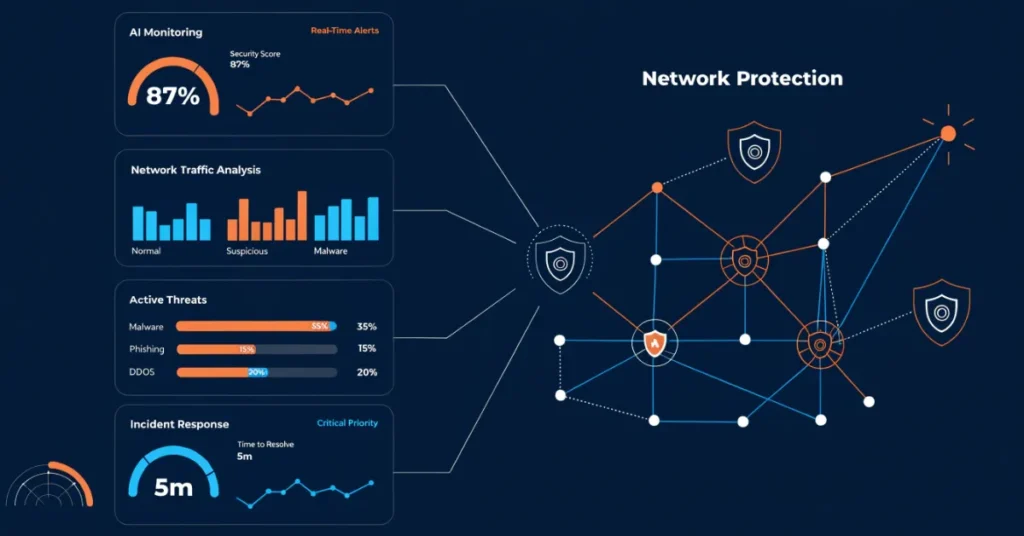
Cyber threats in healthcare are becoming more advanced. Ransomware attacks can shut down entire hospital systems, while phishing emails often target staff to gain access to sensitive data.
A basic security setup is no longer enough. Organizations need proactive and layered cybersecurity strategies to protect health data security.
Actionable steps:
- Install firewalls and intrusion detection systems
- Use AI-based threat monitoring tools
- Update software and systems regularly
- Conduct penetration testing
- Back up data securely and frequently
These measures help in early threat detection and reduce the chances of a successful cyberattack.
Rule 4: Improve Patient Data Transparency and Consent Management
Patients today want more control over their data. They expect to know how their information is used, stored, and shared. Transparency builds trust and supports legal compliance.
Clear consent management is a key part of healthcare data privacy. It ensures that patients agree to how their data is handled.
Best practices:
- Use simple and clear consent forms
- Allow patients to access their medical data
- Offer opt-in and opt-out options
- Keep records of consent for audits
- Notify patients of any changes in data usage
When patients feel informed and in control, they are more likely to trust healthcare providers.
Rule 5: Train Staff and Build a Privacy-First Culture
Human error is one of the leading causes of data breaches. Even the best systems can fail if staff are not properly trained. This makes employee awareness a key part of healthcare cybersecurity.
A privacy-first culture ensures that everyone understands their role in protecting patient data.
Key actions:
- Conduct regular staff training sessions
- Run simulated phishing tests
- Create clear internal data policies
- Limit access based on responsibility
- Assign data protection officers
Training reduces risks and ensures consistent data privacy practices across the organization.
Common Healthcare Data Privacy Mistakes to Avoid
- Using weak passwords or shared login credentials
- Ignoring software updates and security patches
- Lack of employee training
- Poor or missing data backup systems
- عدم monitoring access logs
Avoiding these mistakes can prevent many common data breaches.
Future Trends in Healthcare Data Privacy
Healthcare data privacy will continue to evolve with technology. AI is already helping detect threats in real time by analyzing patterns and unusual activity. Blockchain is also gaining attention for secure patient records. It allows data to be stored in a way that is transparent and hard to tamper with. At the same time, zero-trust security models are becoming standard, where no user or system is trusted by default.
Governments are expected to introduce stricter regulations. This means healthcare organizations must stay updated and flexible in their data privacy strategies.
How Healthcare Organizations Can Stay Compliant
Staying compliant requires a long-term approach. It is not a one-time task but an ongoing process that involves technology, people, and policies. Organizations should invest in secure systems and tools that support healthcare data protection. Working with compliance experts can also help navigate complex regulations. Regular risk assessments are essential. They help identify security gaps and improve overall data privacy practices.
Our Approach to Healthcare Data Privacy at Ripple Business Setup
At Ripple Business Setup, we help healthcare providers build secure and compliant systems that protect sensitive patient data. Our approach focuses on practical implementation, not just theory. We guide clinics, hospitals, and health startups through data protection strategies that align with global standards.
We work closely with organizations to set up secure processes, manage compliance requirements, and reduce risk exposure. Our team supports every step, from initial planning to ongoing monitoring, ensuring strong healthcare data privacy practices in 2026 and beyond. For expert support, contact Ripple Business Setup at +971 50 593 8101, email info@ripplellc.ae, or WhatsApp +971 4 250 0833.
FAQs
What is healthcare data privacy?
Healthcare data privacy refers to the protection of personal health information from unauthorized access or misuse. It ensures that patient data is used only for approved medical and administrative purposes.
Why is healthcare data privacy important?
It protects patient trust, ensures legal compliance, and prevents financial and reputational damage. It also supports safe and effective healthcare delivery.
What are the main healthcare data privacy laws?
Major laws include HIPAA in the United States and GDPR in Europe. Many countries also have their own patient confidentiality laws and healthcare data protection regulations.
How can hospitals prevent data breaches?
- Use strong encryption methods
- Train staff regularly
- Install cybersecurity tools
- Conduct regular audits
What happens if healthcare data is leaked?
A data leak can lead to legal penalties, financial losses, and loss of patient trust. It may also disrupt healthcare services and harm an organization’s reputation.
Disclaimer: This content is for general informational purposes only and does not constitute legal, medical, or cybersecurity advice. While we aim to provide accurate and up-to-date information, healthcare regulations and data privacy laws may vary by region. We recommend consulting qualified professionals for advice specific to your organization.