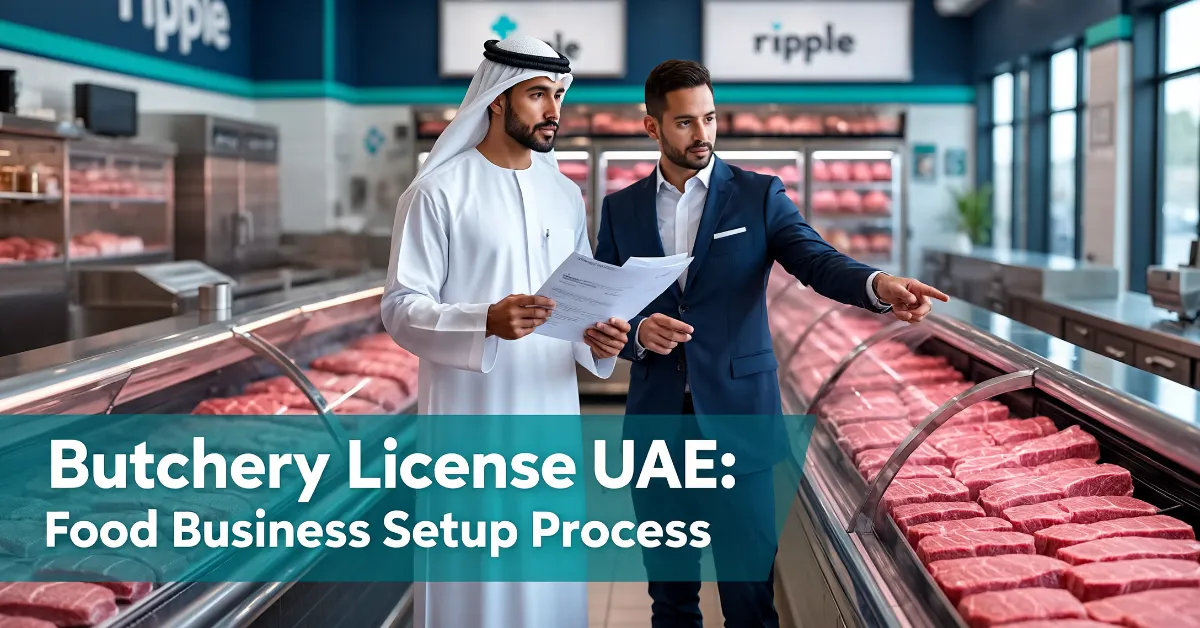
Starting a meat business in the UAE can be profitable because demand for fresh halal meat, frozen meat products, and premium meat cuts continues to grow across Dubai, Abu Dhabi, and other emirates. A Butchery License UAE allows investors to legally operate meat shops, frozen meat trading businesses, wholesale meat supply companies, and meat delivery services. The UAE food sector is heavily regulated to ensure hygiene, food safety, and halal compliance, which makes obtaining the correct approvals essential before starting operations.
What Is a Butchery License UAE?
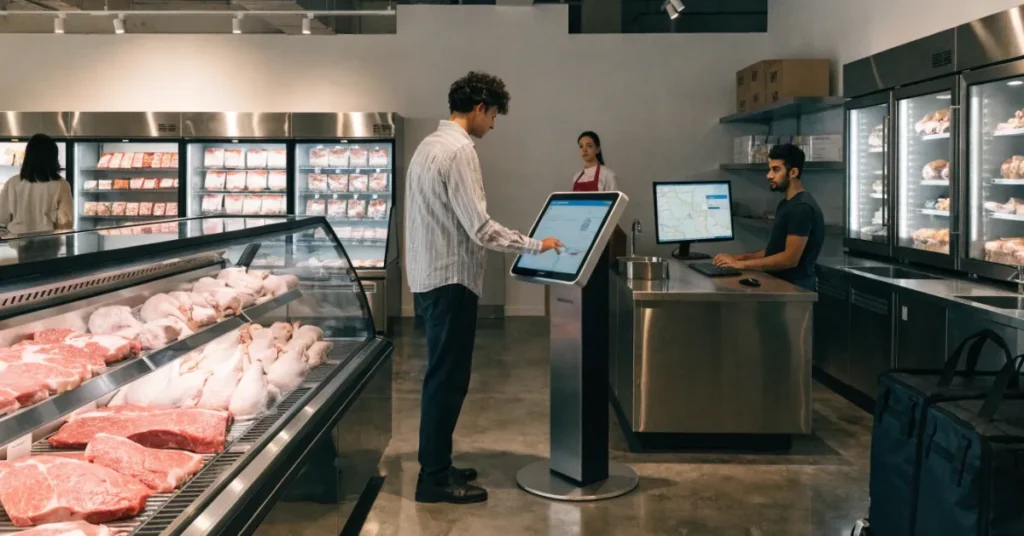
A Butchery License UAE is a commercial license that permits businesses to process, store, package, trade, and sell meat products legally in the UAE. This license is generally issued by the Department of Economic Development (DED) or relevant free zone authority, along with approvals from municipality’s food safety departments.
A butcher shop business setup Dubai may operate as:
- Retail butcher shop
- Wholesale meat supplier
- Frozen meat trading company
- Meat processing business
- Online meat delivery company
The license type depends on the business activity selected during registration.
Activities Allowed Under a Butchery License
- Fresh meat selling
- Frozen meat trading
- Poultry trading
- Lamb and beef sales
- Meat cutting and packaging
- Meat processing activities
- Cold storage operations
- Restaurant and hotel meat supply
- Online meat delivery services
A commercial license for butcher shop UAE differs from a foodstuff trading license because butcher businesses specifically handle meat products and require additional food safety approvals.
Why Start a Butchery Business in UAE?
The UAE offers strong business opportunities for food-related businesses because of consistent consumer demand and a growing hospitality sector. Fresh halal meat remains a daily requirement for households, restaurants, supermarkets, and catering businesses.
Dubai and Abu Dhabi also attract tourists and expatriates from different countries, increasing demand for international meat products and premium meat cuts.
Benefits of Opening a Butcher Shop in UAE
- High demand for halal meat
- Tax-friendly business environment
- Growing tourism and hospitality sector
- Strong logistics and cold-chain infrastructure
- Access to GCC markets
- Expanding online grocery and food delivery market
- Business-friendly regulations for investors
Many retail meat business UAE operators succeed by opening stores in residential communities where customers prefer fresh meat over packaged supermarket products. Premium butcher shops in Dubai Marina, Jumeirah, and Downtown Dubai also attract high-income customers looking for organic and imported meat products.
Types of Butchery Businesses You Can Open in UAE
Investors can choose different business models depending on budget, customer demand, and operational goals.
Retail Butcher Shop
Retail butcher shops sell meat directly to walk-in customers. These businesses usually operate in residential communities, supermarkets, and local markets.
Wholesale Meat Trading Business
Wholesale meat businesses supply restaurants, hotels, supermarkets, and catering companies. This model often requires larger storage facilities and higher investment.
Frozen Meat Trading Company
Frozen meat trading businesses import and distribute frozen meat products across the UAE. Cold storage facilities and logistics systems are important for this type of business.
Online Meat Delivery Business
Online meat delivery businesses allow customers to order meat through websites or mobile apps. Many startups combine retail butcher shops with home delivery services to increase revenue.
| Business Type | Best For | Investment Level |
|---|---|---|
| Retail butcher shop | Local customers | Medium |
| Wholesale meat trading | Hotels & restaurants | High |
| Frozen meat trading | Import/export businesses | High |
| Online meat delivery | E-commerce startups | Medium |
Mainland vs Free Zone for Butchery License UAE
Choosing between mainland and free zone setup depends on your business activities and target customers.
Mainland licenses are usually better for retail butcher shops because they allow businesses to trade directly across the UAE market and open physical stores in commercial areas.
Free zones are more suitable for import/export companies and wholesale meat trading businesses focused on international operations.
Mainland License Benefits
- Open physical retail shops
- Trade anywhere in UAE
- Serve walk-in customers
- Better access to local markets
- Supply restaurants and supermarkets directly
Free Zone License Benefits
- 100% foreign ownership
- Import/export advantages
- Customs benefits
- Modern warehouse facilities
Retail butcher shops generally prefer mainland setup, while frozen meat import businesses may choose free zones for logistics and customs advantages.
Step-by-Step Process to Get a Butchery License UAE
Setting up a butcher shop business setup Dubai requires approvals from multiple authorities.
Step 1 – Choose Business Activities
Select the activities you want to include under your license such as:
- Meat trading
- Poultry trading
- Frozen food trading
- Meat processing
- Meat delivery services
Step 2 – Reserve Trade Name
Choose a business name that follows UAE naming guidelines and obtain trade name approval from the licensing authority.
Step 3 – Apply for Initial Approval
Submit passport copies, visa documents, and shareholder information to receive initial approval from the relevant authority.
Step 4 – Rent a Shop or Facility
Your butcher shop or warehouse must meet municipality requirements related to:
- Hygiene
- Ventilation
- Drainage
- Refrigeration
- Waste disposal
Step 5 – Obtain Dubai Municipality Food Approval
Municipality food safety teams inspect the premises before approving operations.
Requirements usually include:
- Refrigeration systems
- Food-grade equipment
- Temperature-controlled storage
- Proper drainage systems
- Pest control measures
- Sanitization systems
Step 6 – Obtain Final Trade License
After completing approvals and paying government fees, the final trade license is issued.
Step 7 – Apply for Staff Visas and Food Safety Cards
Employees handling meat products may require:
- Medical fitness tests
- Food handling permits
- Hygiene training certifications
Documents Required for Butchery License UAE
Businesses usually need the following documents during registration:
- Passport copies of shareholders
- Visa copies
- Emirates ID copies
- Trade name reservation certificate
- Initial approval certificate
- Tenancy contract
- Ejari certificate
- Memorandum of Association (if applicable)
- Food safety approval documents
Businesses involved in meat import or livestock trading UAE may require additional customs and municipality approvals.
Cost of Getting a Butchery License UAE
The total butchery business cost UAE depends on the emirate, business size, and facility requirements.
| Expense | Estimated Cost (AED) |
|---|---|
| Trade license | 10,000 – 18,000 |
| Trade name registration | 600 – 1,500 |
| Initial approval | 1,000 – 3,000 |
| Municipality approvals | 2,000 – 8,000 |
| Food safety permits | 1,500 – 5,000 |
| Shop rent | 15,000 – 80,000+ |
| Cold storage equipment | 10,000 – 50,000+ |
| Visa costs | 3,000 – 7,000 |
A small retail butcher shop may require AED 18,000 to AED 40,000, while larger wholesale meat businesses and frozen meat trading companies can exceed AED 80,000 depending on storage and operational requirements.
Dubai Municipality Requirements for Butcher Shops

Dubai Municipality food license approvals are mandatory for meat businesses operating in Dubai.
Hygiene and Safety Requirements
- Temperature-controlled storage
- Separate meat-cutting areas
- Sanitization systems
- Pest control compliance
- Proper drainage systems
- Food-grade equipment
- Waste disposal management
Halal Compliance Rules
Butcher shops must source meat from halal-certified suppliers and comply with UAE slaughter regulations.
Employee Health Requirements
Employees handling meat products may require:
- Medical fitness certificates
- Hygiene training
- Food safety permits
Failure to comply with UAE food safety regulations can result in fines or suspension of business activities.
Best Locations to Open a Butcher Shop in UAE
Choosing the right location affects customer traffic and profitability.
Dubai
Popular areas include:
- Residential communities
- Family neighborhoods
- High-footfall commercial zones
- Areas near supermarkets
Abu Dhabi
Suitable locations include:
- Residential districts
- Restaurant supply hubs
- Commercial food markets
Sharjah
Sharjah is popular because of:
- Lower rental costs
- Dense residential population
- Affordable setup opportunities
Community-based butcher shops usually perform well because customers prefer convenient access to fresh halal meat products.
Common Challenges in Butchery Business UAE
Running a butcher business requires strict operational management.
Common challenges include:
- Municipality inspections
- Maintaining cold-chain logistics
- Competition from supermarkets
- Meat import regulations
- Staff hygiene compliance
- High rental costs in premium locations
Businesses can reduce operational risks by investing in quality refrigeration systems, maintaining hygiene standards, and building long-term supplier relationships.
Tips to Grow a Successful Butchery Business in UAE
- Offer online ordering and delivery
- Focus on premium halal meat quality
- Partner with restaurants and cafes
- Promote products through social media
- Maintain strict hygiene standards
- Introduce ready-to-cook products
- Create loyalty programs
- Offer bulk meat packages for families
Demand for organic, premium, and fresh meat products continues to increase in Dubai and Abu Dhabi, creating opportunities for specialized butcher shops.
Why Entrepreneurs Choose UAE for Food Businesses
The UAE remains one of the strongest markets for food business setup UAE because of:
- Strong consumer demand
- Fast licensing procedures
- Government support for SMEs
- Excellent logistics infrastructure
- Growing population and tourism
The expansion of restaurants, cloud kitchens, supermarkets, and food delivery platforms also increases demand for meat suppliers and wholesale meat trading businesses.
How Ripple Business Setup Can Help
Ripple Business Setup assists investors with:
- Trade license applications
- Butcher shop approvals Dubai
- Municipality approvals
- Food business setup guidance
- Visa processing
- Documentation support
Contact Ripple Business Setup:
- Phone: +971 50 593 8101
- WhatsApp: +971 4 250 0833
- Email: info@ripplellc.ae
FAQ
How much does a Butchery License UAE cost?
The estimated setup cost ranges from AED 18,000 to AED 80,000+ depending on business size, location, and operational requirements.
Can foreigners open a butcher shop in Dubai?
Yes, foreign investors can open butcher shops in Dubai through mainland or free zone business setup options.
Do butcher shops need Dubai Municipality approval?
Yes, butcher shops must obtain food safety and hygiene approvals from Dubai Municipality before operations begin.
What documents are required for a meat shop license UAE?
Common documents include passport copies, visa copies, tenancy contract, trade name certificate, and municipality approval documents.
Can I sell frozen meat with a butchery license?
Yes, businesses can include frozen meat trading activities under their license if approved by relevant authorities.
Is halal certification mandatory for butcher shops in UAE?
Yes, meat businesses must comply with UAE halal and food safety regulations.
How long does it take to get a butchery license in UAE?
The process usually takes between 1 to 4 weeks depending on approvals and documentation.
Which is better for butcher business: mainland or free zone?
Mainland setup is generally better for retail butcher shops, while free zones are suitable for import/export meat trading businesses.
Conclusion
Starting a butcher shop or meat trading business UAE can be profitable because of strong market demand, growing tourism, and increasing food consumption across the UAE. Obtaining the correct Butchery License UAE and municipality approvals is essential to operate legally and maintain food safety standards.
Disclaimer: Licensing costs, approval timelines, and regulatory requirements may vary depending on the emirate, business activity, and government policy updates in the UAE. Businesses should verify the latest requirements with relevant UAE authorities before starting operations.