


The UAE has become one of the most attractive destinations for freelancers and solo-preneurs. With flexible business structures, growing digital opportunities, and a supportive entrepreneurial ecosystem, thousands of professionals now operate independently across industries such as consulting, marketing, IT, design, content creation, and e-commerce.
While securing clients and generating revenue are top priorities, many freelancers overlook one critical aspect of running a successful business: bookkeeping. Proper bookkeeping helps track income, control expenses, maintain compliance, and make informed business decisions.
Why Bookkeeping Matters for Freelancers and Solo-Preneurs in the UAE
Bookkeeping is the process of recording, organizing, and managing your financial transactions. It provides a clear picture of your business performance and ensures your financial records remain accurate and up to date.
Many freelancers assume bookkeeping is only necessary for large companies. In reality, even a one-person business benefits significantly from maintaining organized financial records.
Proper bookkeeping helps you:
- Track income and expenses accurately
- Monitor business profitability
- Prepare for VAT compliance
- Improve cash flow management
- Make informed financial decisions
- Build credibility with banks and investors
- Reduce the risk of financial errors
For example, a freelance digital marketer earning AED 15,000 per month may struggle to determine actual profits if business and personal expenses are mixed together. A structured bookkeeping system eliminates this confusion and provides clear financial visibility.
Understanding UAE Bookkeeping Requirements for Freelancers
Freelancers operating in the UAE must maintain accurate financial records regardless of business size. Organized bookkeeping not only supports day-to-day operations but also helps businesses meet regulatory requirements.
Records Every Freelancer Should Maintain
Every freelancer and solo-preneur should keep records of:
- Sales invoices
- Client contracts
- Purchase receipts
- Business expenses
- Bank statements
- Payment confirmations
- VAT-related documents
- Business license records
- Supplier invoices
- Asset purchase records
Maintaining these records ensures transparency and simplifies future financial reviews.
How Long Should Financial Records Be Kept?
Businesses in the UAE should retain financial records for several years to comply with applicable regulations and facilitate audits if required. Digital storage solutions make record retention easier while reducing paperwork.
Cloud-based document management systems can help freelancers organize and retrieve records quickly whenever needed.
Essential Financial Records Every UAE Freelancer Should Track
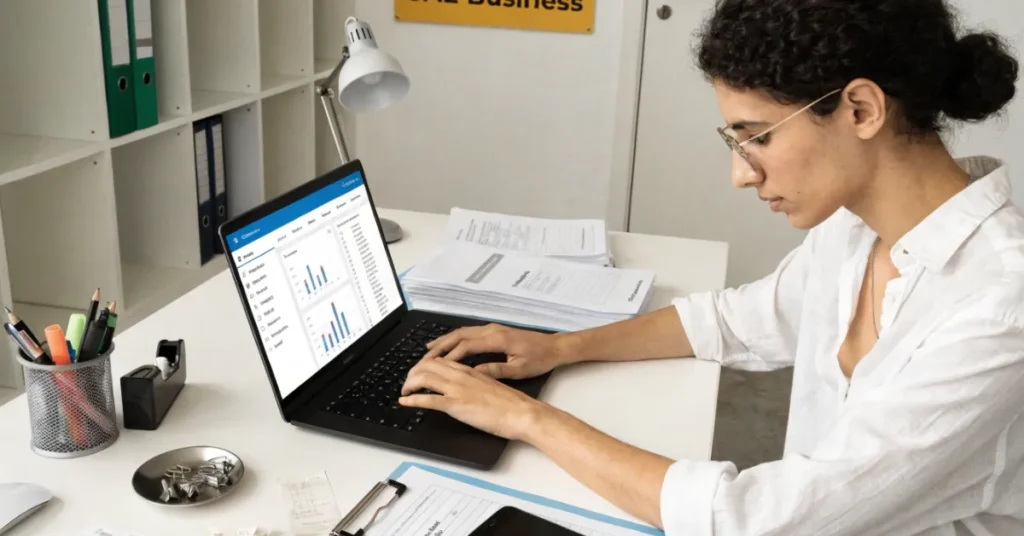
One of the most common bookkeeping mistakes is tracking only income while ignoring expenses. Successful freelancers monitor every financial activity related to their business.
Important records include:
Revenue Tracking
Track all payments received from clients, including:
- Project-based payments
- Monthly retainers
- Consulting fees
- Digital product sales
- Commission income
Expense Tracking
Monitor expenses such as:
- Software subscriptions
- Internet costs
- Marketing expenses
- Advertising campaigns
- Professional memberships
- Office supplies
- Training courses
- Business travel expenses
Equipment Purchases
Freelancers often invest in:
- Laptops
- Cameras
- Mobile devices
- Design tools
- Audio equipment
Recording these purchases helps maintain accurate financial statements.
AI and Digital Tool Expenses
Modern freelancers increasingly use:
- AI writing tools
- Graphic design software
- CRM platforms
- Project management systems
- Automation tools
These recurring subscriptions should be tracked consistently to understand true operating costs.
Setting Up a Simple Bookkeeping System for Freelancers
Creating an effective bookkeeping system does not need to be complicated. A simple structure can save hours of administrative work each month.
Step 1: Open a Separate Business Bank Account
Keeping business and personal finances separate is one of the most important financial practices.
Benefits include:
- Easier expense tracking
- Accurate profit calculations
- Better financial reporting
- Simplified tax preparation
Step 2: Create an Expense Tracking Process
Record expenses immediately after purchase.
Methods include:
- Mobile bookkeeping apps
- Expense management software
- Digital spreadsheets
- Cloud accounting platforms
Consistent tracking prevents missing important deductions and business costs.
Step 3: Organize Digital Receipts
Paper receipts can easily be lost.
Use cloud storage solutions to:
- Scan receipts
- Categorize expenses
- Store invoices
- Maintain backup copies
Digital records provide easy access whenever needed.
Step 4: Schedule Weekly Bookkeeping Reviews
Set aside 30 to 60 minutes each week to:
- Review transactions
- Categorize expenses
- Match payments
- Update financial records
Regular reviews prevent bookkeeping backlogs.
Step 5: Generate Monthly Financial Reports
Monthly reporting helps monitor business performance.
Review:
- Revenue trends
- Expense categories
- Cash flow
- Profit margins
These insights support smarter business decisions.
Best Bookkeeping Methods for Solo-Preneurs
Choosing the right bookkeeping method is essential for maintaining accurate records.
Cash Basis Accounting
Under this method, income and expenses are recorded when money is actually received or paid.
Advantages include:
- Simplicity
- Easy management
- Suitable for many freelancers
This method works well for solo-preneurs with straightforward financial transactions.
Accrual Basis Accounting
Income and expenses are recorded when they are earned or incurred, regardless of payment timing.
Benefits include:
- More detailed financial insights
- Better long-term planning
- Improved financial forecasting
Growing businesses often transition to accrual accounting as operations become more complex.
For most freelancers in the UAE, cash basis accounting is typically the easiest starting point.
VAT and Tax Considerations for Freelancers in the UAE
Understanding VAT obligations is an important part of bookkeeping for freelancers and solo-preneurs in the UAE.
When Should Freelancers Consider VAT Registration?
Businesses that meet applicable revenue thresholds may need to register for VAT. Monitoring annual revenue through accurate bookkeeping helps determine whether registration requirements apply.
Without proper bookkeeping, many freelancers struggle to identify when they approach registration thresholds.
Common VAT Mistakes Freelancers Make
Common issues include:
- Missing VAT invoices
- Incorrect calculations
- Poor expense documentation
- Late record updates
- Inaccurate reporting
Accurate bookkeeping reduces these risks and helps maintain compliance.
How Bookkeeping Supports VAT Compliance
A well-maintained bookkeeping system allows freelancers to:
- Track taxable income
- Monitor eligible expenses
- Generate accurate reports
- Maintain supporting documentation
- Prepare VAT submissions efficiently
Strong bookkeeping practices reduce stress and improve overall compliance management.
Top Bookkeeping Software for UAE Freelancers and Solo-Preneurs

Technology has transformed bookkeeping, making it easier than ever for freelancers to manage finances efficiently. Cloud-based accounting software automates many routine tasks and helps maintain accurate financial records.
Zoho Books
Zoho Books is a popular choice among UAE freelancers because it offers:
- VAT-compliant invoicing
- Expense tracking
- Bank reconciliation
- Automated workflows
- Mobile accessibility
QuickBooks Online
QuickBooks provides:
- Real-time financial reporting
- Invoice management
- Cash flow tracking
- Integration with business tools
- User-friendly dashboards
Xero
Xero is ideal for growing solo businesses because it offers:
- Cloud-based accounting
- Bank feed automation
- Financial reporting
- Multi-user access
- Expense management
FreshBooks
Freelancers often prefer FreshBooks for:
- Simple invoicing
- Time tracking
- Project-based accounting
- Client payment management
Wave Accounting
For freelancers with limited budgets, Wave offers:
- Free accounting features
- Expense tracking
- Basic reporting
- Invoice creation
When selecting accounting software, consider ease of use, VAT support, reporting capabilities, automation features, and scalability.
Common Bookkeeping Mistakes UAE Freelancers Should Avoid
Many freelancers make avoidable financial mistakes that create problems later. Identifying these issues early can improve financial management and business performance.
Mixing Personal and Business Finances
Using the same account for personal and business transactions creates confusion and makes bookkeeping more difficult.
Ignoring Small Expenses
Small expenses may seem insignificant individually, but they add up over time. Recording every expense provides a more accurate view of profitability.
Delaying Bookkeeping Tasks
Waiting until the end of the month or quarter to update records increases the likelihood of errors and missing transactions.
Losing Receipts and Invoices
Missing documentation can create compliance issues and make expense verification difficult.
Failing to Reconcile Bank Accounts
Bank reconciliation helps identify discrepancies between recorded transactions and actual bank activity.
Not Monitoring Cash Flow
Some freelancers focus only on revenue while ignoring cash flow. This can create financial difficulties even when the business appears profitable.
Overlooking VAT Obligations
Poor bookkeeping may result in missed registration requirements or inaccurate VAT reporting.
How Bookkeeping Improves Cash Flow Management
Cash flow management is one of the most important aspects of running a successful freelance business. Even profitable businesses can face challenges if cash flow is poorly managed.
Bookkeeping provides valuable insights into how money enters and leaves the business.
Predicting Future Income
Historical financial data helps freelancers estimate future earnings and plan accordingly. For example, a freelance consultant may identify seasonal trends and prepare for slower months in advance.
Managing Irregular Client Payments
Freelancers often experience inconsistent payment schedules. Bookkeeping helps track outstanding invoices and follow up with clients promptly.
Budgeting More Effectively
Accurate records help allocate funds for:
- Marketing
- Equipment upgrades
- Professional development
- Business expansion
Preparing for Financial Obligations
By tracking income and expenses regularly, freelancers can set aside funds for future obligations and avoid unexpected financial pressure.
Financial Reports Every Freelancer Should Review Monthly
Financial reports provide valuable insights into business performance and support informed decision-making.
Profit and Loss Statement
A Profit and Loss (P&L) statement shows:
- Revenue earned
- Business expenses
- Net profit
This report helps determine whether the business is growing profitably.
Cash Flow Statement
A cash flow report tracks:
- Money received
- Money spent
- Available cash reserves
This report helps identify potential liquidity issues before they become serious problems.
Expense Summary Report
An expense report categorizes spending and highlights areas where costs can be reduced.
Accounts Receivable Report
This report shows:
- Outstanding invoices
- Late payments
- Client balances
Monitoring receivables improves collection efficiency.
VAT Summary Report
For VAT-registered freelancers, this report helps organize taxable transactions and maintain compliance.
Reviewing these reports monthly allows freelancers to make proactive business decisions rather than reacting to financial challenges later.
DIY Bookkeeping vs Hiring a Professional Bookkeeper in the UAE
Many freelancers start with DIY bookkeeping but eventually consider professional support as their businesses grow.
DIY Bookkeeping Benefits
Advantages include:
- Lower costs
- Greater control
- Better understanding of finances
- Flexible management
However, DIY bookkeeping requires time, consistency, and financial knowledge.
Benefits of Hiring a Professional Bookkeeper
Professional bookkeeping services offer:
- Expert financial guidance
- Improved accuracy
- Reduced compliance risks
- Time savings
- Better reporting
When Should Freelancers Consider Professional Support?
You may benefit from professional bookkeeping if:
- Revenue is increasing rapidly
- VAT registration becomes necessary
- Client volume is growing
- Financial reporting becomes complex
- Business expansion is planned
Professional support allows freelancers to focus more on serving clients and generating revenue.
Bookkeeping Checklist for Freelancers and Solo-Preneurs
Following a structured bookkeeping routine helps maintain financial accuracy throughout the year.
Weekly Bookkeeping Tasks
- Record all income received
- Upload receipts and invoices
- Categorize expenses
- Review bank transactions
- Follow up on unpaid invoices
Monthly Bookkeeping Tasks
- Reconcile bank accounts
- Review cash flow
- Generate financial reports
- Analyze expenses
- Update financial records
Quarterly Bookkeeping Tasks
- Conduct financial reviews
- Assess business performance
- Prepare compliance documentation
- Review budgeting goals
Annual Bookkeeping Tasks
- Organize year-end financial records
- Evaluate profitability
- Prepare financial summaries
- Plan future business goals
- Review operational costs
Consistent bookkeeping reduces administrative stress and supports long-term business success.
Future Trends in Freelancer Bookkeeping in the UAE
Bookkeeping continues to evolve as technology advances and businesses become increasingly digital.
Artificial Intelligence and Automation
AI-powered accounting tools now automate:
- Expense categorization
- Invoice processing
- Financial reporting
- Transaction matching
These technologies save time and improve accuracy.
Cloud-Based Accounting
Cloud platforms allow freelancers to access financial data from anywhere while maintaining secure record storage.
Real-Time Financial Reporting
Modern accounting software provides instant insights into:
- Revenue
- Expenses
- Cash flow
- Profitability
This enables faster decision-making.
Digital Tax Reporting
Governments worldwide are moving toward digital compliance systems. Maintaining accurate bookkeeping will become increasingly important as reporting requirements evolve.
Integrated Financial Ecosystems
Future accounting solutions will connect directly with:
- Banking systems
- Payment gateways
- CRM platforms
- E-commerce channels
This integration will further simplify financial management for freelancers and solo-preneurs.
How Ripple Business Setup Can Help Freelancers & Solo-Preneurs in the UAE
Starting and managing a freelance or solo business in the UAE involves more than securing clients and generating revenue. Entrepreneurs must also handle business licensing, bookkeeping, VAT compliance, financial record management, and regulatory requirements. Ripple Business Setup provides professional business setup and accounting support designed to help freelancers and solo-preneurs establish and manage their businesses efficiently. Whether you need assistance with company formation, bookkeeping services, VAT registration, accounting support, or compliance guidance, our experienced team at Ripple Business Setup can help simplify the process and allow you to focus on growing your business. For expert assistance, contact Ripple Business Setup at +971 50 593 8101, email info@ripplellc.ae, or WhatsApp +971 4 250 0833.
FAQ
Do freelancers need bookkeeping in the UAE?
Yes, Bookkeeping helps freelancers track income, manage expenses, maintain compliance, and make informed business decisions.
Is bookkeeping mandatory for solo-preneurs?
Maintaining accurate financial records is considered a best practice and supports regulatory compliance where applicable.
What records should freelancers keep?
Freelancers should retain invoices, receipts, contracts, bank statements, expense records, and VAT-related documentation.
How often should bookkeeping be updated?
Weekly updates are recommended to maintain accurate and organized records.
Do freelancers need VAT registration?
VAT registration requirements depend on revenue thresholds and applicable regulations. Accurate bookkeeping helps monitor eligibility.
Which bookkeeping software is best for UAE freelancers?
Popular options include Zoho Books, QuickBooks Online, Xero, FreshBooks, and Wave Accounting.
Can I do bookkeeping myself?
Yes, Many freelancers manage bookkeeping independently using accounting software and structured processes.
When should I hire a professional bookkeeper?
Professional support may become beneficial when business growth, VAT compliance, or financial complexity increases.
Conclusion
Bookkeeping for freelancers and solo-preneurs in the UAE is more than an administrative task; it is a foundation for financial stability and business growth. Accurate record-keeping helps track profitability, improve cash flow, maintain compliance, and support better decision-making.
Disclaimer: The information provided in this article is for general informational purposes only and should not be considered legal, tax, accounting, or financial advice. Regulations and compliance requirements in the UAE may change over time. Readers should consult qualified professionals for advice specific to their business circumstances.