


So, you’re running a business in the UAE and heard about this corporate tax thing. It’s not exactly new anymore, but as we head into 2026, things are getting a bit more defined. Basically, if you’re making a profit here, you need to get registered.
Understanding UAE Corporate Tax: What You Need to Know
So, corporate tax in the UAE. It’s a pretty big deal for anyone running a business here, and it’s not just about paying a new bill. The whole system is changing, moving towards being more in line with global standards. Basically, it’s a direct tax on the profits your company makes. Think of it like this: you earn money, you pay tax on that profit, after you’ve subtracted all your legitimate business costs. It’s different from VAT, which is on sales; this is on your bottom line.
For 2026, the rates are still pretty competitive. You’ve got a 0% rate on taxable income up to AED 375,000. If your profits go over that, then it’s a 9% tax on the amount exceeding the threshold. This setup is designed to help out smaller businesses and startups, while making sure larger, more profitable companies contribute. Some really big international companies might have different rules to follow, depending on their size and how they’re structured globally.
Here’s a quick rundown of who generally needs to pay:
- Companies based in the UAE mainland.
- Businesses operating in free zones (though there are specific conditions).
- Foreign companies that have a physical presence or ‘permanent establishment’ here.
- Individuals who are licensed to do commercial activities and hit the profit limits.
It’s important to get a handle on understanding UAE corporate tax laws because the rules are getting clearer and more strictly enforced. This isn’t just about collecting taxes; it’s about making the UAE a more transparent and stable place for business long-term. Getting registered correctly and keeping good records is key to avoiding penalties.
The shift towards a more globally aligned tax system means businesses need to be proactive. Financial transparency and accurate record-keeping are no longer optional; they are requirements for smooth operation and credibility. Adapting early will make it easier to grow and attract investment.
If you’re dealing with complex business structures, operating in both free zones and mainland areas, or carrying forward old tax credits, paying attention to the details is even more important. The Federal Tax Authority (FTA) has specific deadlines, and missing them can lead to fines. It’s really about making sure your business is compliant and ready for the future. For help with the specifics of understanding UAE tax laws, looking into professional services is often a smart move.
Who Needs to Register for UAE Corporate Tax?
So, who exactly has to get themselves registered for corporate tax in the UAE? It’s a question on a lot of business owners’ minds, and honestly, it’s simpler than you might think. The short answer is: most businesses are operating here.
Businesses Operating in the UAE
If you’re running a business in the UAE, whether it’s a mainland company or a branch of an international one, you’re likely on the hook for registration. This applies regardless of whether you’re making a profit or not. The Federal Tax Authority (FTA) wants to know who’s operating, and that means getting a Tax Registration Number (TRN). It’s a pretty big deal for setting up a business in UAE tax requirements.
Free Zone Entities
Now, for those in the free zones don’t think you’re off the hook! While you might benefit from a 0% tax rate on certain income, you still need to register. This is a key part of the requirements for company tax in UAE. Think of it as a way to officially acknowledge your tax status and eligibility for any special rates. It’s a mandatory step for all taxable persons, and that includes you.
Businesses with Specific Revenue Thresholds
While the 9% corporate tax rate kicks in above AED 375,000 in taxable income, registration is required even if your profits are below this. However, if your taxable income stays below AED 375,000, you might qualify for a 0% rate. But here’s the catch: you still need to be registered to claim that 0% rate or any other tax relief. So, even if you’re a small operation, understanding the registration process is vital for UAE corporate tax registration.
Registration is the first official step in complying with the UAE’s corporate tax laws. It’s not just about avoiding penalties; it’s about being recognized as a compliant entity within the UAE’s financial system. This status can be important for banking relationships and future business dealings.
Here’s a quick rundown of who generally needs to register:
- Mainland Companies: All companies licensed by mainland authorities.
- Free Zone Companies: Entities operating within a free zone, even if claiming 0% tax.
- Branches and Establishments: Branches of foreign companies or UAE-based businesses.
- Individuals Conducting Business: Certain individuals engaged in business activities that meet the criteria.
Getting this sorted early is key to avoiding administrative headaches down the line. It’s all part of the new landscape for businesses in the UAE.
The UAE Corporate Tax Registration Process: A Step-by-Step Guide
So, you’ve realized you need to tackle the UAE corporate tax registration process, but the details look pretty confusing. Don’t worry, you’re definitely not alone. Here’s a clear guide to UAE tax ID registration, broken into simple steps that apply whether you run a small shop or a bigger company in 2026. Getting this done means you avoid big penalties and keep your business out of trouble with the authorities.
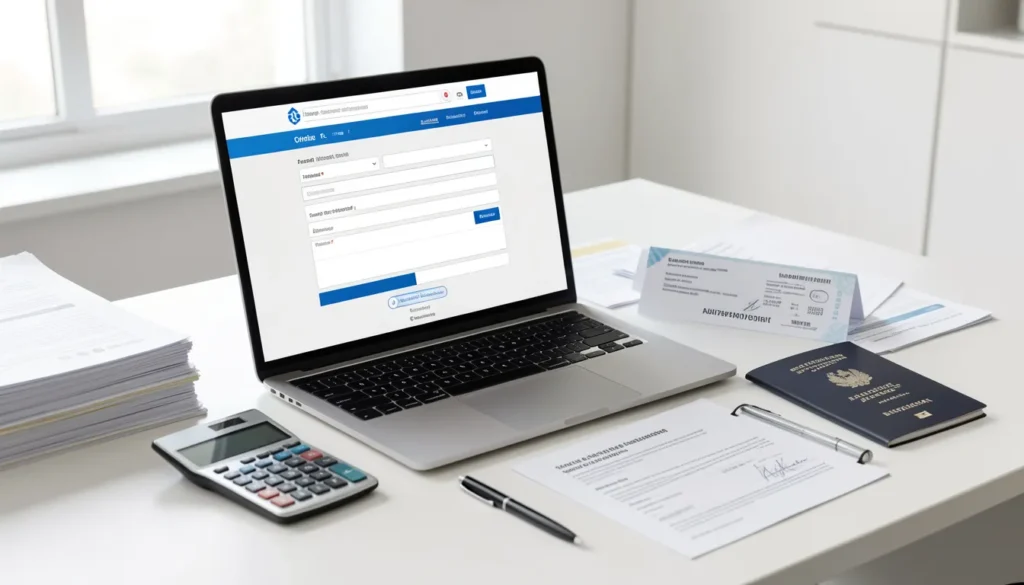
Gathering Required Documents
Before you start, have these documents ready. It saves time and a lot of back-and-forth later:
- UAE Trade License (valid and up to date)
- Details of company ownership and shareholders
- Passport and Emirates ID of your company’s authorized signatory
- Company financial year information
- Authorization paperwork if someone else is applying on behalf of the business
Having all your documents gathered ahead of time helps avoid delays, unexpected hurdles, and repeat portal visits when the FTA asks for missing info.
Navigating the FTA Portal
Registration happens online through the FTA’s EmaraTax portal. Here’s the flow:
- Create or Log Into EmaraTax Account: If your business has registered for VAT before, you can usually use the same login details. New users have to sign up first.
- Select Corporate Tax Registration: Once in, click on the corporate tax option among the services.
- Enter Required Details: Provide the requested business, license, and owner info. Double-check everything; mistakes or typos may slow your application.
For helpful updates and official info, Federal Tax Authority’s portal offers current guidance and contact details for registered agents.
Completing the Registration Form
Once inside the system, you’ll fill out the application form. Here are the main sections you’ll need to work through:
- Organization details: Name, legal structure, headquarters, license number, and contact info
- Shareholder structure: Names and details of all owners with a stake in the business
- Authorized signatory: Upload ID and passport for the responsible manager/director
- Attachments: Upload all your documents (from the earlier list)
- Financial year data: Specify your official business financial year
After filling the form:
- Review all entries for spelling or number errors.
- Submit the form.
- Note your application number for reference.
| Step | What’s Needed | Portal Section |
|---|---|---|
| Sign Up / Log In | Email, business credentials | User Registration |
| Add Business & Owner Details | License, shareholder info | Entity Registration |
| Upload Documents | PDFs, clear color scans | Attachments Section |
| Review & Submit | Double-check all details | Submission |
Once approved, you’ll get a Corporate Tax Registration Number (CTRN) your official UAE guide to tax ID. This number is used for all future filings and is needed for things like bank updates or licensing renewals.
One thing’s for sure: waiting until the last minute isn’t a good idea. Penalties kick in fast, and mistakes are hard to fix under pressure. For more information on broader business trends and common issues faced during tax registration, you’ll find regular updates in UAE business news.
Key Deadlines and Timelines for Registration
Alright, let’s talk about when you actually need to get this corporate tax registration done. It’s not a ‘whenever you get around to it’ kind of thing, you know? The Federal Tax Authority (FTA) has set specific dates, and missing them can get a bit pricey. Think penalties, and nobody wants that.
Generally, if your business is considered a “Taxable Person,” you’ve got to register. This includes most companies operating here, even those in free zones like Jebel Ali Free Zone (Jafza). The clock starts ticking from when your business becomes subject to corporate tax. For most companies, this means you need to get registered within a certain period after your financial year begins. It’s a good idea to check the FTA’s official guidance for the exact timeframe that applies to your specific business setup.
Here’s a general breakdown of what to keep in mind:
- New Businesses: If you’re just starting out, you’ll need to register pretty quickly after you begin your business activities. Don’t wait too long, or you might find yourself scrambling.
- Existing Businesses: For companies already up and running, the deadline is usually tied to the start of the tax period for which you’re liable. This often means registering before the end of that first tax period.
- Free Zone Entities: Even if you’re in a free zone and might be eligible for a 0% tax rate on certain income, you still need to register. The deadlines are similar to those of other businesses, so don’t assume you’re exempt from the registration step.
It’s really important to get this right. The FTA has phased in these requirements, and they’re serious about compliance. Planning ahead is key, especially since setting up a company in the UAE can sometimes involve unexpected delays.
The penalties for not registering on time can be significant, so it’s best to get this sorted out well before the deadline hits. Procrastination really isn’t your friend here.
So, what’s the actual timeline? While specific dates can vary based on your business’s financial year-end, the general rule is that you have a set number of days from when your tax liability begins to file your registration. For instance, if your financial year ends on December 31st, your registration deadline would be different than if it ends on June 30th. Always refer to the official FTA announcements for the precise dates applicable to your situation. Getting registered is just the first step, but it’s a big one.

Common Challenges and How to Overcome Them
Getting your business registered for UAE corporate tax might seem straightforward, but a few bumps can pop up along the way. It’s not always as simple as filling out a form and being done with it. Many business owners find themselves scratching their heads over specific requirements or the sheer volume of information needed.
One of the biggest hurdles is simply understanding which documents are necessary. The Federal Tax Authority (FTA) has a list, but sometimes it feels like they’re asking for your firstborn child’s birth certificate along with your company’s entire financial history. It’s easy to get bogged down trying to find that one obscure piece of paper.
Here are some common issues people run into:
- Incorrect or Incomplete Information: Double-checking every detail before submitting is key. A typo in your company name or a missing financial statement can cause delays.
- Understanding Specific Tax Treatments: Figuring out how certain income streams or expenses are treated under the new tax law can be confusing. This is especially true for businesses with diverse operations.
- Technical Glitches with the FTA Portal: While the EmaraTax portal is designed to be user-friendly, like any online system, it can sometimes have its moments. Slow loading times or error messages can be frustrating.
- Keeping Up with Changes: Tax laws can evolve. Staying informed about any updates or new interpretations from the FTA is important for ongoing compliance.
The key to overcoming these challenges is preparation and attention to detail. Don’t rush the process. Take the time to gather all your documents, understand the requirements, and if you’re unsure about anything, seek clarification. It’s better to ask a question than to submit incorrect information.
Another common problem is the timeline. People often underestimate how long it takes to gather everything and complete the registration. Missing deadlines can lead to penalties, which nobody wants. It’s a good idea to start the process well before your specific deadline hits. You can find more information on the FTA website for official guidance. If you’re feeling overwhelmed, remember that professional help is available, and it might save you a lot of headaches in the long run.
Seeking Professional Assistance for UAE Corporate Tax Registration
Getting started with corporate tax compliance in the UAE can be overwhelming. Even if you have gone through steps like gathering your documents or logging into the FTA portal, completing the entire procedure to register for business tax in Dubai or elsewhere often comes with challenges. That’s when turning to seasoned professionals makes a difference. Specialists, local consultants, or firms with UAE business tax compliance experience can take a lot of weight off your shoulders and reduce mistakes that could cost you money or time.
Here’s why working with professionals on your corporate tax registration is helpful:
- Clarity on regulations: Tax rules and FTA requirements keep changing. Experts stay updated and help you understand exactly what’s needed for your company category.
- Document review and organization: Advisors can check your paperwork, like trade licenses, signatures, and company details, making sure you don’t miss key documents during the registration process (
get support in business hubs like ADGM). - Step-by-step support: From explaining how to file corporate tax UAE to guiding you on how to get a UAE tax ID for companies, a consultant can walk you through it all, reducing the risk of errors.
- Keep you on time: Deadlines for corporate tax registration are strict. Agencies can help you track and meet every due date so you avoid late fees or issues.
- Long-term compliance: Beyond just getting registered, ongoing tax advice helps ensure you follow future UAE corporate tax rules, so you don’t deal with audits or penalties down the line.
Delegating your guide to federal tax authority registration to professionals allows you to focus on running your business instead of getting tangled up in paperwork and legal details.
For companies setting up corporate tax in Dubai, or any emirate, this hands-on support is especially important as the laws around corporate tax compliance UAE continue to evolve. If you need to register for business tax in UAE without stress or confusion, hiring expert assistance could be the safest bet.
Navigating the new UAE corporate tax rules can feel like a puzzle. If you’re finding it tricky to get your business registered for taxes, don’t worry! We can help make the process smooth and simple. Let us handle the paperwork so you can focus on running your business. Visit our website today to learn more and get started!
Wrapping It Up
So, that’s the lowdown on UAE corporate tax registration for 2026. It’s not exactly rocket science, but you definitely don’t want to mess it up. The main takeaway here is that registration is a must for pretty much everyone doing business in the UAE, and getting it done on time means avoiding headaches and penalties. Think of it like getting your driver’s license, a necessary step to legally be on the road. Make sure you’ve got your paperwork sorted, and you’re using the EmaraTax portal correctly. If it all feels a bit much, don’t be afraid to get some help. Staying on top of this stuff now will save you a lot of trouble down the line.
How Ripple Business Setup Supports UAE Corporate Tax Registration
Our team helps businesses understand and manage UAE corporate tax registration requirements in a clear and structured way. We handle documentation, registration procedures, and compliance steps to ensure everything is completed correctly and on time. For assistance with UAE corporate tax registration in 2026, contact us at +971 50 593 8101, email info@ripplellc.ae, or WhatsApp +971 4 250 0833.
Frequently Asked Questions
Who needs to register for corporate tax in the UAE?
Almost all businesses operating in the UAE must register for corporate tax, including mainland companies, free zone entities, and even individuals running businesses. Even if your business qualifies for a 0% tax rate, you still need to register.
What is the corporate tax rate in the UAE for 2026?
The UAE corporate tax rate is 0% for taxable income up to AED 375,000. For income above AED 375,000, the rate is 9%.
How do I register my company for UAE corporate tax?
You need to create an account or log in to the EmaraTax portal, fill out the registration form, upload the required documents (like your trade license and ID), and submit your application. Once approved, you will receive a Tax Registration Number (TRN).
What documents are needed for corporate tax registration?
You will usually need your trade license, passport and Emirates ID of the owner or manager, company details, and sometimes financial information. Having these ready makes the process faster.
What happens if I miss the registration deadline?
If you do not register by the deadline, you may face a penalty of AED 10,000 or more. Late filing of tax returns can lead to even more fines and problems with renewing your trade license.
Is corporate tax the same in Dubai as in other emirates?
Yes, corporate tax is a federal law, so the same rules and rates apply in all emirates, including Dubai, Abu Dhabi, and others.
Disclaimer: This article is provided for general information only and should not be considered financial, accounting, tax, or legal advice. While care has been taken to ensure accuracy, UAE laws and regulations are subject to change and may vary based on individual circumstances. Readers are advised to seek professional guidance before making any business or financial decisions.