


Dubai’s construction sector has been growing rapidly, fueled by mega projects, urban development, and government infrastructure plans. In 2026, opportunities for investors and entrepreneurs are stronger than ever, with a high demand for construction services across residential, commercial, and industrial sectors. Starting a construction company in Dubai can be lucrative, but it requires careful planning, legal compliance, and strategic execution. This guide explains everything you need to know, from licensing and permits to staffing and operational costs.
Overview of Dubai’s Construction Market
Dubai has positioned itself as a hub for large-scale construction projects. Iconic developments like the Expo 2020 legacy sites, new residential communities, and commercial towers drive consistent demand for construction companies. Residential projects include luxury villas and apartments, while commercial demand spans offices, retail spaces, and hotels. Infrastructure projects such as roads, bridges, and metro expansions also create opportunities for civil engineering firms.
Local investors and foreign entrepreneurs can tap into this market by understanding project requirements, government regulations, and construction trends. The UAE construction market remains highly competitive but offers room for innovative services, sustainable building practices, and high-quality project execution.
Types of Construction Companies in Dubai
- General Contracting: Manage full construction projects from start to finish.
- Specialized Contracting: Focus on electrical, plumbing, HVAC, or interior work.
- Civil Engineering Firms: Work on roads, bridges, and large infrastructure projects.
- Free Zone Construction Companies: Operate within designated free zones with benefits like 100% foreign ownership but with geographic restrictions.
Startups often benefit from specialized contracting or free zone companies due to lower initial investment and simpler licensing procedures.
Legal Requirements to Start a Construction Company in Dubai
Starting a construction business requires compliance with several regulatory authorities, primarily the Dubai Municipality and the Department of Economic Development (DED). Requirements include:
- Having a UAE national sponsor or local service agent.
- Obtaining a trade license for construction activities.
- Registering with the Dubai Municipality.
- Securing labor and contractor permits.
- It is crucial to carry the necessary insurance and bonding.
Mainland companies allow wider project access across Dubai, while free zone companies provide tax and ownership benefits but limit operations geographically.
Step-by-Step Process to Register a Construction Company in Dubai
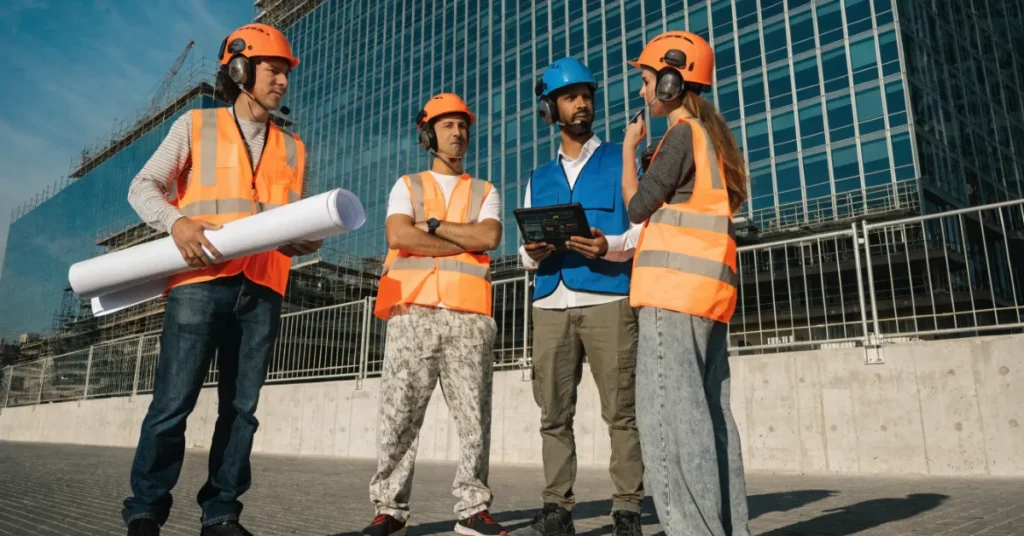
- Decide on a business structure: LLC, branch, or free zone entity.
- Reserve a trade name and apply for initial approval with DED.
- Draft a Memorandum of Association (MOA) with the local partner.
- Apply for a construction trade license with DED.
- Obtain required permits from Dubai Municipality.
- Register for VAT and comply with other regulatory requirements.
- Hire qualified engineers, project managers, and technical staff.
Following these steps ensures smooth registration and compliance with UAE construction regulations.
Required Licenses and Approvals
To operate a construction company in Dubai, obtaining the proper licenses and approvals is mandatory. Each of these ensures the business complies with legal, safety, and operational standards and can take on projects across the city.
- Construction Trade License: This license is issued by the Department of Economic Development (DED) and authorizes the company to carry out construction activities legally in Dubai. Without this license, the company cannot undertake any contracts or official work.
- Contractor Classification Certificate: Issued by Dubai Municipality, this certificate classifies contractors based on their experience, project capacity, and technical qualifications. It determines the type and size of projects the company can bid on.
- Civil Defense Approval: This approval ensures that the company follows all fire safety and emergency preparedness standards. It is required for projects involving buildings, infrastructure, and public spaces to guarantee safety compliance.
- Environmental and Safety Compliance Certificates: These certificates verify that the construction company adheres to environmental regulations, health, and workplace safety standards. They are essential to prevent legal issues and to operate responsibly, especially on large-scale projects.
Having these licenses and approvals not only ensures legal operation but also builds trust with clients, developers, and government authorities. It allows the company to bid on projects and work on large-scale developments without risk of fines or shutdowns.
Costs of Starting a Construction Company in Dubai
- License & registration: AED 15,000–30,000
- Office space: AED 20,000–50,000/year
- Labor & staff: AED 50,000–100,000/year
- Equipment & machinery: AED 100,000+
Costs vary depending on business structure, office location, and project scale. Planning your budget carefully helps maintain cash flow and ensures sustainable operations.
Hiring and Staffing Considerations
A construction company relies on skilled engineers, project managers, and laborers. Work visas must comply with UAE labor laws. Hiring qualified personnel ensures timely project execution and high-quality standards. Outsourcing specialized services can also optimize costs while maintaining flexibility.
Choosing the Right Location
Mainland offices allow project work across Dubai, while free zone offices offer full foreign ownership but restrict operational areas. Consider proximity to construction sites, suppliers, and regulatory offices when selecting a location. Access to infrastructure and transportation is key for logistics and project management efficiency.
Tools, Equipment, and Technology for Success
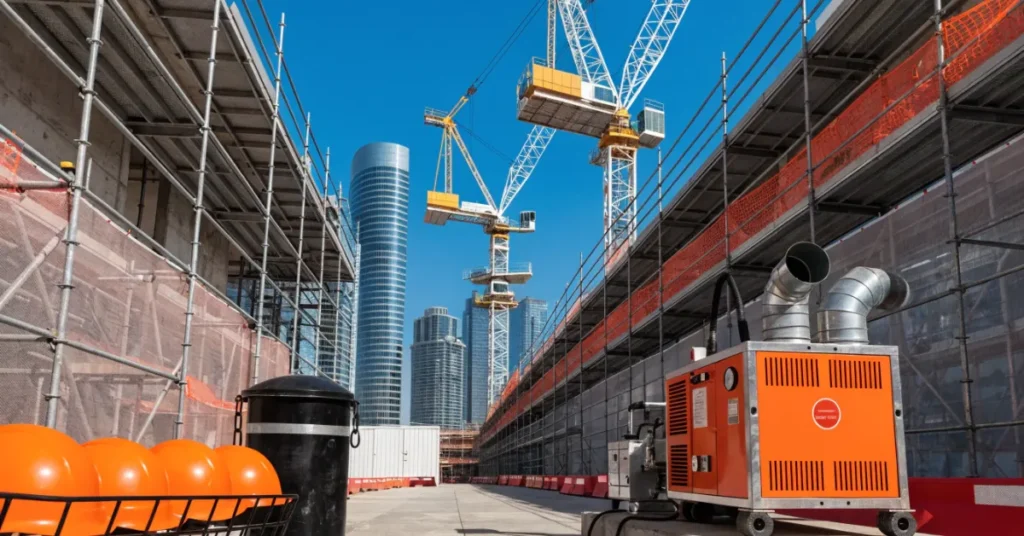
Modern machinery and project management software streamline operations and improve productivity. Sustainable building materials are increasingly in demand, aligning with Dubai’s green construction initiatives. Key equipment includes:
- Cranes and concrete mixers
- Scaffolding and safety gear
- Project management software for scheduling and monitoring
Investing in technology and quality equipment enhances competitiveness and reduces operational delays.
Ripple Business Setup Assistance
Contact Ripple Business Setup at +971 50 593 8101, email info@ripplellc.ae, or WhatsApp +971 4 250 0833 for guidance on licensing, approvals, and company setup in Dubai. Our team simplifies the process and provides tailored support for smooth business registration and compliance.
Common Challenges and How to Overcome Them
- Legal compliance and documentation delays: plan in advance and consult professionals.
- High initial investment and cash flow management maintain a clear budget and funding strategy.
- Skilled labor shortage: recruit strategically and offer training programs.
- Competition and tendering focus on quality, niche services, and sustainable practices.
Strategic planning and expert consultancy can help overcome these challenges effectively.
Tips for Growing a Construction Company in Dubai
- Network with real estate developers and contractors.
- Participate in government tenders and large-scale projects.
- Diversify services to include interiors, finishing, and maintenance.
- Adopt sustainable construction practices to meet market demand.
- Use digital marketing to showcase projects and attract new clients.
These steps help establish a strong reputation and expand business opportunities.
Conclusion
Dubai’s construction sector offers substantial growth potential in 2026 for both local and foreign investors. Following legal procedures, obtaining the right licenses, and investing in skilled staff and modern equipment are critical to success. Contacting a professional consultancy can streamline setup and ensure compliance. Starting a construction company in Dubai presents an opportunity to participate in a dynamic market and build a profitable business.
Disclaimer: This guide is for informational purposes only and should not be considered legal advice. Consult official authorities before starting a business.