
Introduction
A RAK ICC Foundation is becoming a preferred structure for asset protection, succession planning, and wealth management in the UAE. Business owners, investors, and family offices use it to protect assets while keeping control and privacy intact.
This structure works well for both local and international holdings. It allows clear separation between ownership and control, which reduces risk. In this guide, you will learn the five most effective asset protection tools available through a RAK ICC Foundation in 2026, along with practical use cases.
What is a RAK ICC Foundation?
A RAK ICC Foundation is a legal entity registered under the Ras Al Khaimah International Corporate Centre. It combines features of both a company and a trust, but it operates as a separate legal person. This means it can own assets, enter contracts, and hold investments in its own name.
Unlike a company, it has no shareholders. Instead, it has a founder, a council, and beneficiaries. The founder sets the structure, the council manages it, and beneficiaries receive benefits based on defined rules.
Compared to a trust, a foundation offers stronger legal recognition and more control. The structure is governed by a charter and by-laws, which define how assets are managed and distributed. RAK ICC is a strong jurisdiction due to its clear regulations, confidentiality, and international acceptance.
Why Use a RAK ICC Foundation for Asset Protection?
A RAK ICC Foundation helps protect wealth by separating personal ownership from legal ownership. Once assets are transferred to the foundation, they are no longer held in the individual’s name. This reduces exposure to legal risks and creditor claims.
It also supports long-term planning. Families can use it to manage wealth across generations without disruption. The structure keeps ownership stable even if personal situations change.
Another key advantage is privacy. Details about beneficiaries and internal rules are not publicly disclosed. This makes it a reliable option for those who value confidentiality while maintaining full compliance with UAE laws.
Key Benefits of RAK ICC Foundation in 2026
- Tax efficiency, depending on structure and activities
- Strong and recognized legal framework in the UAE
- Flexible governance through customized by-laws
- Suitable for estate and succession planning
- High level of privacy and asset control
- Accepted by banks and global institutions
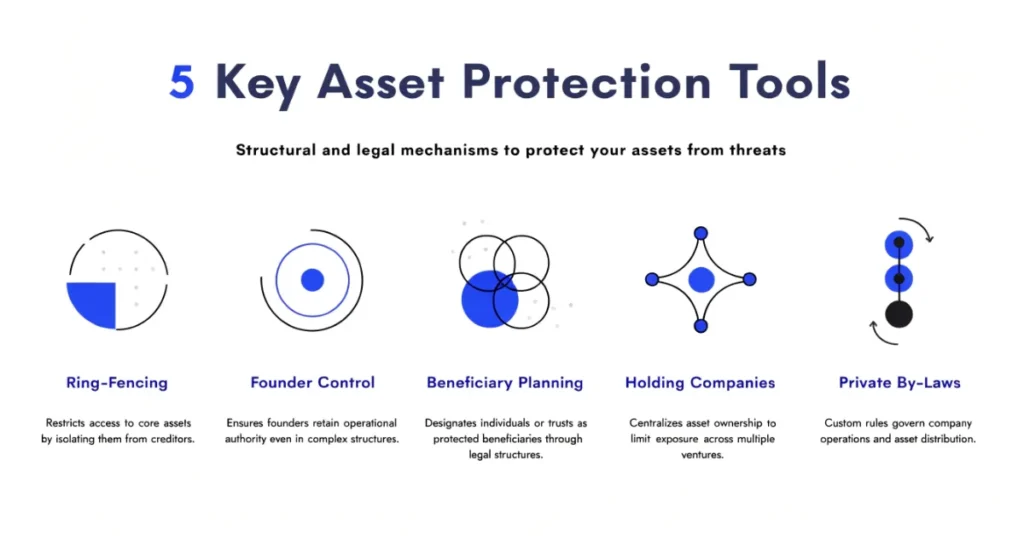
5 Best Asset Protection Tools Using RAK ICC Foundation
1. Asset Ring-Fencing Structure
One of the most powerful asset protection tools in a RAK ICC Foundation is ring-fencing. This means assets are legally separated from personal ownership and placed under the foundation.
For example, a property portfolio in the UAE can be transferred to the foundation. If the owner faces legal claims, those assets remain protected since they are no longer personally owned. The same applies to shares, intellectual property, and investments.
This structure reduces financial exposure and creates a clear legal boundary between personal and protected assets.
2. Founder Control Mechanism
A RAK ICC Foundation allows the founder to retain control without direct ownership. This is done through reserved powers written into the charter or by-laws. The founder can control key decisions such as asset distribution, council appointments, and major transactions. At the same time, the assets remain under the foundation’s ownership.
This balance between control and separation is useful for business owners who want protection without losing decision-making authority.
3. Beneficiary Structuring for Wealth Distribution
The foundation allows detailed beneficiary planning. The founder can define who receives benefits, when they receive them, and under what conditions. This is especially useful for family wealth transfer. For example, distributions can be linked to age, education, or specific milestones. This prevents misuse of wealth and ensures long-term financial stability.
It also helps avoid disputes, as all rules are clearly defined in advance within the structure.
4. Use of Underlying Companies
- The foundation can own shares in one or more companies
- Adds an extra layer of legal protection
- Supports international business operations
- Helps separate operational risk from ownership
In practice, the foundation acts as a holding entity. It owns companies that run business activities. If one company faces risk, the foundation and other assets remain protected. This layered approach is widely used in global asset protection strategies.
5. Private Charter and By-Laws Customization
A RAK ICC Foundation offers full flexibility in drafting its charter and by-laws. These documents define how the structure operates and how assets are protected. The rules remain private and are not publicly accessible. This allows founders to create tailored protection strategies based on their needs.
The structure can also evolve over time. Changes can be made to reflect new business goals, family situations, or legal requirements.
Real UAE Use Cases of RAK ICC Foundation
In the UAE, many families use foundations for succession planning. A business owner can place company shares into a foundation and define how ownership passes to the next generation. This ensures continuity without legal complications. Real estate investors use foundations to hold multiple properties. This reduces personal liability and simplifies ownership management.
High-net-worth individuals also use this structure for global investments. It allows them to manage wealth across different countries while keeping control centralized.
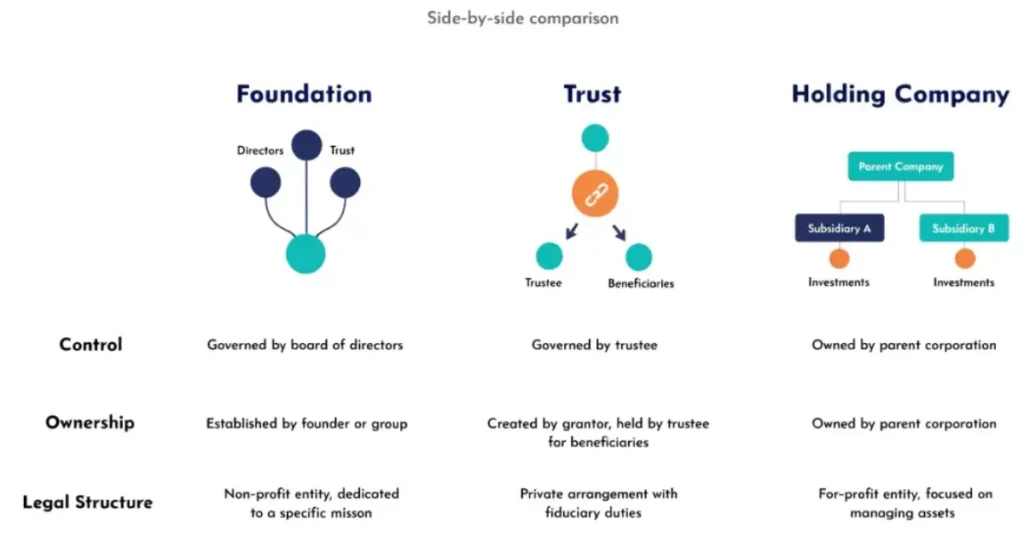
RAK ICC Foundation vs Trust vs Holding Company
| Feature | Foundation | Trust | Holding Company |
|---|---|---|---|
| Ownership | Separate legal entity | Trustee holds assets | Shareholders own company |
| Control | Founder can retain powers | Trustee controls assets | Directors manage |
| Legal Status | Strong legal recognition | Varies by jurisdiction | Fully recognized |
| Flexibility | High | Moderate | High |
A foundation offers a balanced mix of control and protection. It often works better than a trust in jurisdictions where trusts are less common.
Step-by-Step: How to Set Up a RAK ICC Foundation
- Define the purpose and assets to be protected
- Draft the foundation charter and by-laws
- Appoint council members and define roles
- Register the foundation with RAK ICC
- Open a corporate bank account
The process is straightforward when handled by experienced advisors. Proper structuring at the start is important to avoid issues later.
Common Mistakes to Avoid
- Poorly defined beneficiary structure
- Lack of professional legal advice
- Mixing personal and foundation assets
- Ignoring ongoing compliance requirements
Avoiding these mistakes ensures the structure works as intended and remains legally strong.
Cost of Setting Up a RAK ICC Foundation
The cost of setting up a RAK ICC Foundation depends on the complexity of the structure. Basic setup includes registration fees and documentation costs. There are also annual renewal fees to maintain the foundation. Professional service fees vary based on the level of customization required. For example, complex structures with multiple assets or international elements will cost more than simple setups.
Overall, it is considered a cost-effective option compared to other international asset protection structures.
Is RAK ICC Foundation Right for You?
A RAK ICC Foundation is suitable for entrepreneurs who want to protect business assets. It also works well for investors managing real estate or global portfolios. Family offices use it for long-term wealth planning and succession. High-net-worth individuals benefit from its privacy and control features.
If your goal is to protect assets while maintaining flexibility, this structure is worth considering.
How Our Team Supports RAK ICC Foundation Setup with Ripple Business Setup
Setting up a RAK ICC Foundation requires careful planning, clear documentation, and the right legal structure. Our team at Ripple Business Setup guides clients through each step, from choosing the right asset protection strategy to drafting the foundation charter and completing registration.
We focus on building a structure that aligns with long-term goals such as wealth protection, succession planning, and global asset management. Our approach keeps the process simple, compliant, and efficient while ensuring full control and flexibility within the foundation.
For expert assistance, contact Ripple Business Setup at +971 50 593 8101, email info@ripplellc.ae, or WhatsApp +971 4 250 0833.
FAQs
What is a RAK ICC Foundation used for?
It is used for asset protection, wealth management, and succession planning in the UAE.
Is a RAK ICC Foundation tax-free?
It can be tax efficient depending on how it is structured and the type of activities involved.
Can a RAK ICC Foundation own property?
Yes, it can own real estate, shares, and other valuable assets.
How long does it take to set up?
It usually takes a few weeks, depending on documentation and approvals.
Who controls a RAK ICC Foundation?
The council manages it, but the founder can retain specific powers through the structure.
Conclusion
A RAK ICC Foundation offers a reliable way to protect assets while planning for the future. It creates a clear separation between ownership and control, which reduces risk and improves long-term stability. With the right setup, it supports smooth wealth transfer and strong asset protection. If you want a secure and flexible structure in 2026, this option deserves serious attention.
Disclaimer: This content is for general informational purposes only and does not constitute legal, tax, or financial advice. Regulations and requirements in the UAE may change, so it is important to seek professional guidance before making any decisions related to a RAK ICC Foundation or asset protection structure.